Finding job satisfaction as a science communicator

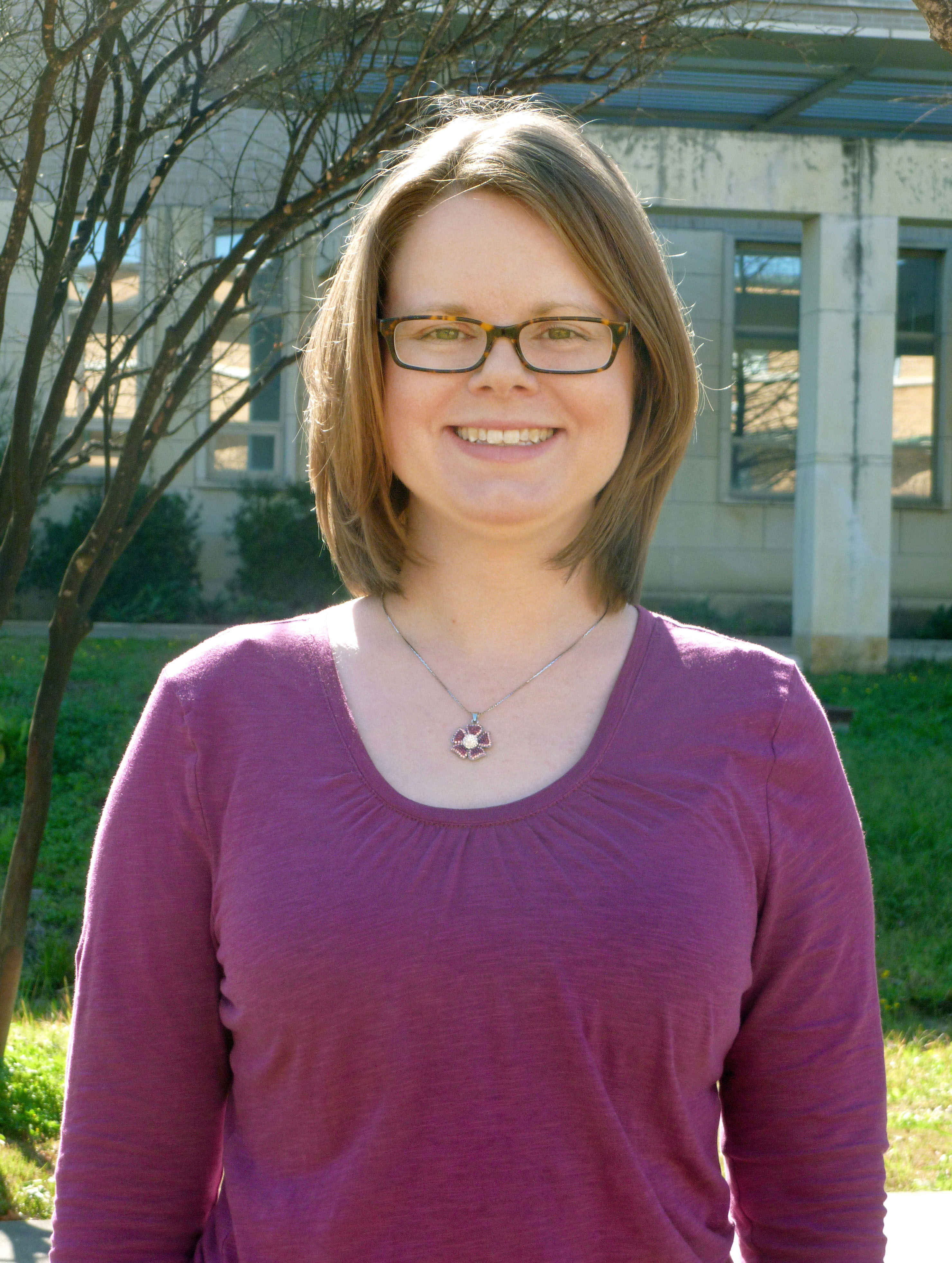
Yuko Ueno planned to work in science communication…

…But a supervisor suggested that gaining first-hand research experience might make her a better communicator. Today, she sells workshops to companies, schools and universities and teaches science to Sunday-school students at a private academy in Tokyo.

Smriti Mallapaty catches up with her to learn more.

yuko-smaller

Yuko Ueno

Continue reading

Finding job satisfaction as a drug safety manager

Steffen Schulz was completing his PhD in medical neuroscience when he realised he needed more job security than academia could offer. Now, he works as a drug safety manager in his native Berlin.

How did you get into biology?

Originally I was interested in the origin and the development and evolution of life. Then I shifted to questions like ‘why do animals and humans behave the way they do?’

IMG_2299-allwhite-smaller

Steffen Schulz

Continue reading

Finding job satisfaction in industrial research

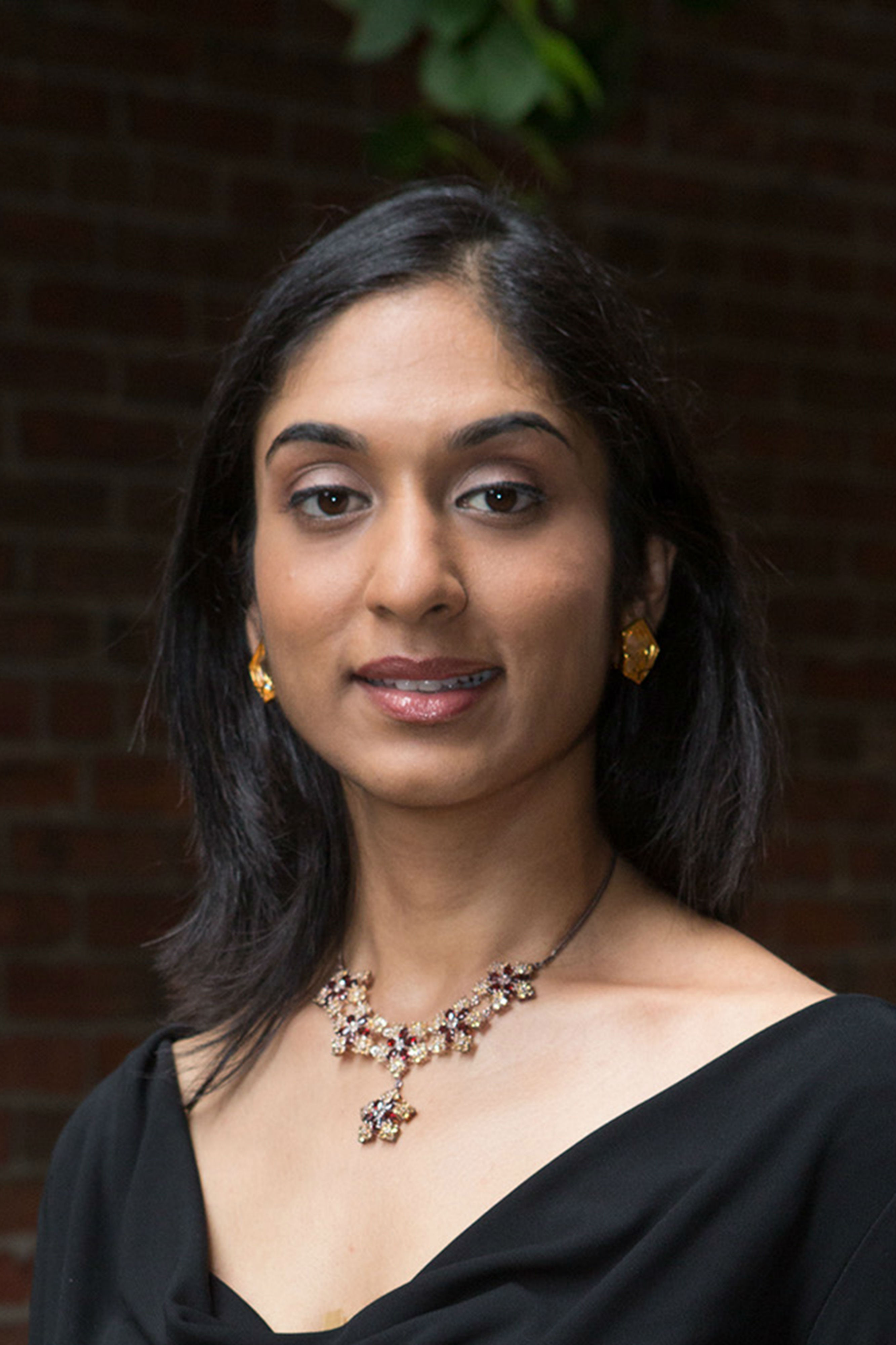
After finishing a PhD and postdoc studying the cellular mechanisms behind cardiovascular disease, Shikha Mishra decided not to continue in academia.

She found she could still do the work she loved at the bench by doing product development research at Thermo Fisher Scientific.

Mishra-msaller Continue reading

Finding job satisfaction at a biomedical device company

Perseverance can help land a position, but relevant experience is a big help.

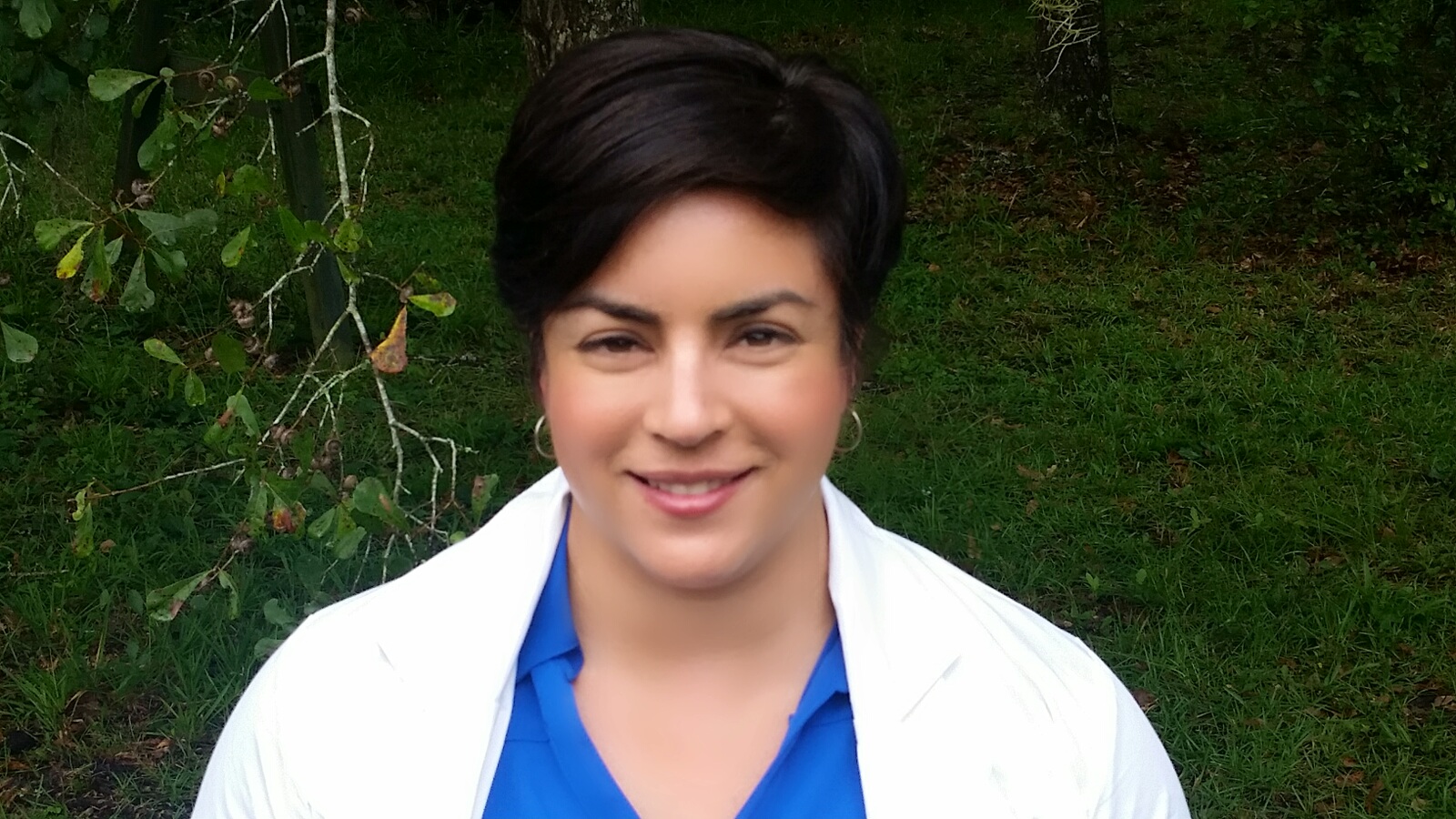
As she was finishing a postdoc at the University of Florida, Gainesville, Stefanie Marquez-Vilendrer found herself in the midst of a long, broad job search. She describes how she landed a position at Axogen, a biomedical company that develops and sells products for nerve surgeries.

If you’ve moved from a trainee position to a permanent job within the last five years and would like to participate in this series, please email naturejobseditor@nature.com.

2016-10-03-08-16-35-835

{credit}Joseph E. Vilendrer{/credit}

Continue reading

Finding job satisfaction as a data scientist

Following your interests and making connections can launch a career.

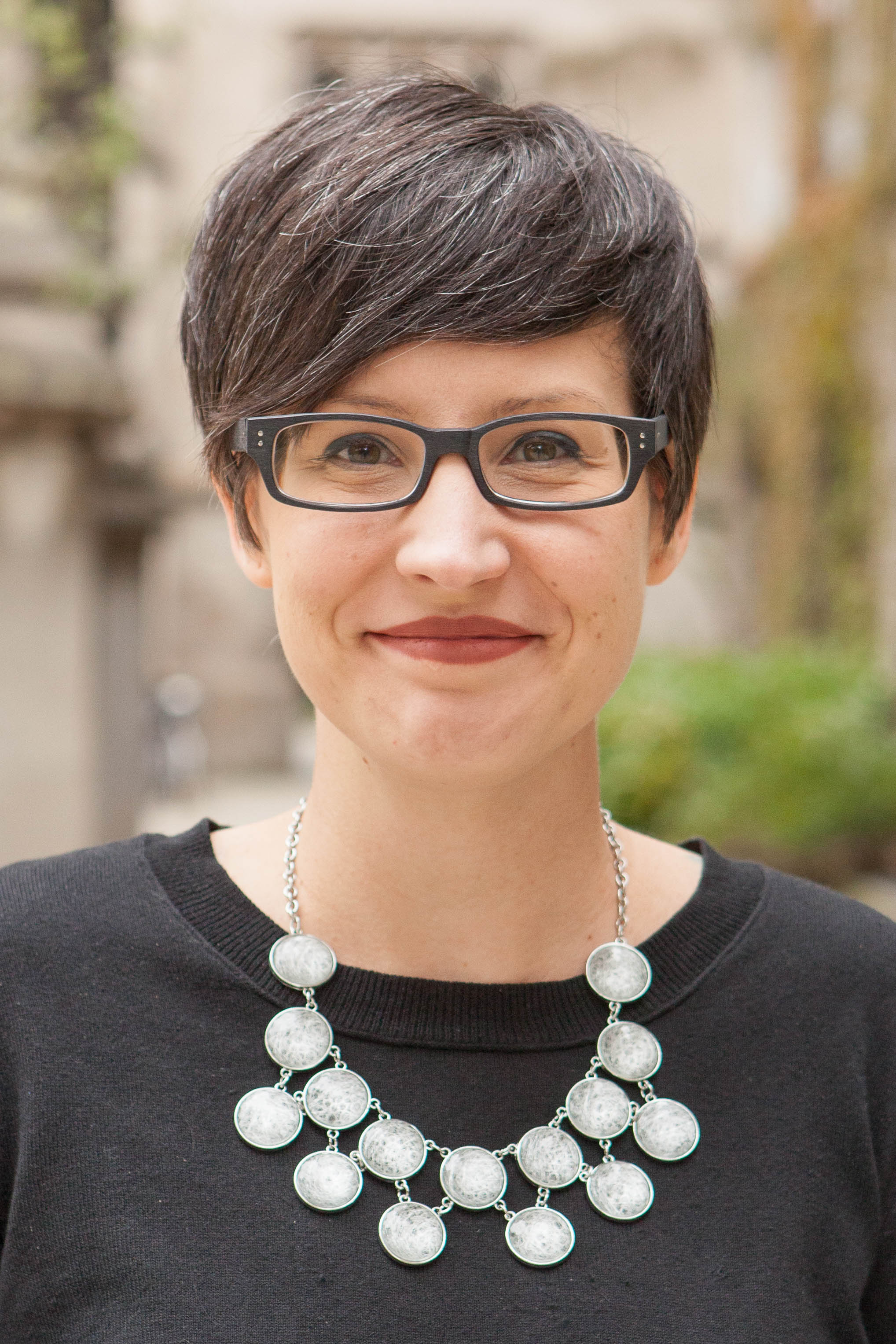
Unlike most US students, Nathan Sanders declared his specialty as soon as he started undergraduate studies. He’d known for years that he wanted to study astronomy, but during his PhD at Harvard University he realized that the analysis itself enthralled him more than the applications for astronomy. He describes how he used his technical skills, and connections outside his academic program, to launch his career.

NSanders_portrait_2016-smaller Continue reading

Finding job satisfaction as a science liaison

How Sabine Blankenship went from neuroscience researcher to professional networker

After completing a PhD and postdoc in experimental neuroscience labs, Sabine Blankenship had no desire to run her own lab. Here she describes how her passion to study abroad led her from experiments that had become frustrating to outreach she finds invigorating. She now works in the German Consulate General in San Francisco, where she helps set up international research collaborations and keep the German government abreast of US advances, particularly in renewable energy and regenerative medicine.

sabine2

Tell me about your job

It’s part of the German foreign service. My job title is scientific liaison; we are installed in scientifically important cities like Washington DC and Boston. We’re the first point of call for setting agendas for visiting VIPs, maintaining networks, and fostering collaborations across industry and academia in the two countries.

Continue reading

Finding job satisfaction in academic administration

Being upfront about goals and creative about gaining experience can launch a career.

Elise Covic, now Deputy Dean of the College at the University of Chicago, entered academic administration even before she completed her PhD in computational neuroscience when she became director of an undergraduate research training program. She describes how she navigated her way from research and into a satisfying career in academic administration.

{credit}avi schwab{/credit}

What was your experience like in graduate school?

Graduate school was just a practical step for me; I was working as a research technician because I thought that was what I thought I should do fresh out of college with a biology degree. As grad students rotated through the labs, I learned their stipend was about the same amount as my salary. Why not get a PhD for work you enjoy doing?  It’s the one point in your life when you can focus on something that you love and can be completely creative and know a microcosm that no one else knows as in depth as you do. Continue reading

Finding job satisfaction in technology transfer

As a business development officer at STEMCELL Technologies in Vancouver, Canada, Ben Thiede evaluates new technologies and negotiates deals that bring scientific advances to market. He describes his move from graduate studies toward law and into his current position.

What do you do?

It’s a very diverse role; I’m writing and drafting a lot of agreements – like license agreements and supply agreements.  I’m helping the company evaluate the patents we have; I’m evaluating technologies that other companies are bringing to us. I’m always scouring publications; I have Google Alerts set for certain types of technologies. I feel that I am reading more scientific journals than when I was in grad school. Continue reading

Finding job satisfaction in high performance computing

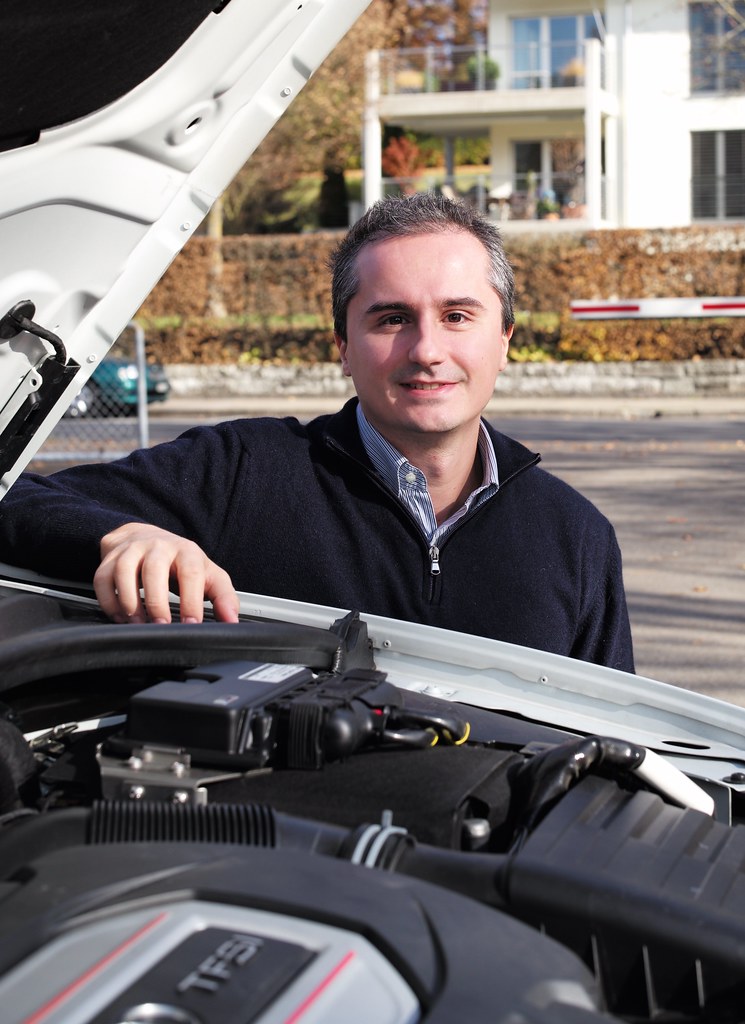
Cristiano Malossi first came to IBM Laboratory in Zurich, Switzerland as a postdoc and was then promoted to researcher. He has applied his mathematical simulation skills to a variety of projects, specializing in ‘cognitive technologies’ capable of powerful algorithms.


{credit}IBM Research{/credit}

Tell me about some of your work at IBM.

I started on a project for energy-aware computing. The goal here was not to boost operations per second but to make a more efficient use of computational resources for the same result but at a lower power per energy cost. Very soon I got exposed to many other projects, which span deep learning, graph analytics, and high-performance computing. Whatever the assignment is, you must adapt what you know, put together experience from another fields, and at the same time, find a new way to advance the problem. You never get tired of it, every day you learn something new. Continue reading

Finding job satisfaction in research development

After finishing a PhD and postdoc in cardiovascular biology, Christina Papke found job satisfaction as a research development officer.

Now, she works at Texas A&M University in College Station, where she helps professors put together grant applications, form collaborations, and identify funding opportunities.

Tell me about your job.

It’s hard to say what a typical day is like, which I kind of like. On any given day, I might consult with an investigator about a research grant or edit a proposal.

Our goal is also to help promote collaboration among faculty. For example, we help to facilitate the formation of research interest groups, on, say, imaging or healthy ageing. We might organize a meeting where faculty get two minutes to present an overview of what they are doing, and we make program books and plan meetings to help make ideas happen.Papke_2016-02_CM_sml-r Continue reading