Reshaping the research landscape

A 12 April report from the US National Academies of Sciences, Engineering, and Medicine offers ideas for reshaping the landscape of life-science research across all career levels in the US biomedical research pipeline.

laboratory-2815640_1920

The proposal from the advisory body in Washington DC calls for more career counselling at the graduate and postdoctoral levels, better data on career outcomes at those levels, three-year caps on postdocs under principal investigators and new non-tenure track academic research positions, among other changes. To implement all the proposals would require a US$2 billion increase to the US National Institutes of Health (NIH)’s budget, as well as subsequent budget raises to prevent future funding bottlenecks.

Continue reading

Cristina Lo Celso: Career-changing encounters

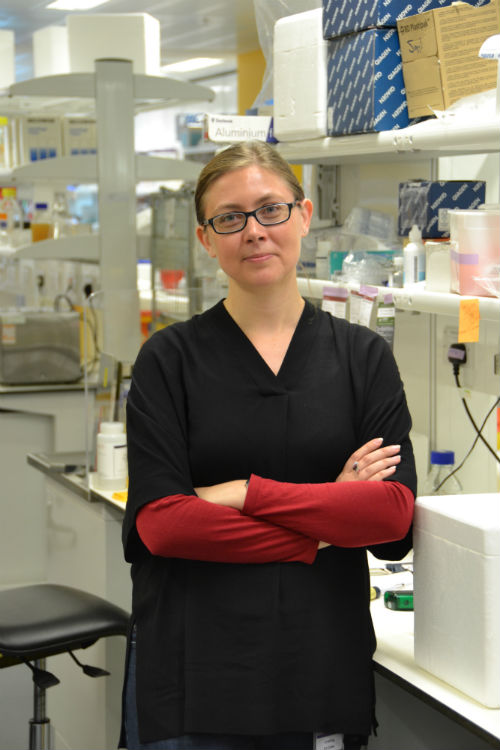
cristinaCristina Lo Celso is the first woman to receive the UK Academy of Medical Sciences Foulkes Foundation Medal since the award was launched in 2007.  While a postdoc at Harvard University Lo Celso developed microscopy techniques that allowed blood stem cells to be viewed inside their natural environment for the first time. She describes her career to date, how she chose science over medicine, and her mentors.

Why did you choose a career in academic research rather than medicine? 

I did consider medicine.  Antonio Lo Celso, my paternal grandfather, was a surgeon in Sicily before retiring to Turin, where I grew up. He got me interested in human health and how the body works. But when I was about 15 I read Dominique Lapierre’s 1991 book Beyond LoveIt’s about clinicians and scientists and patients during the early stages of the HIV epidemic and it made me realise that research can make a massive difference. Continue reading

Meditation on a Caltrain: Understanding where to travel to next

Exploring options and thinking laterally about where you can use your scientific skills might be the key to successfully transitioning into industry, learns George Busby.

This piece was one of two winners of the Science Innovation Union writing competition, Oxford.

“This is downtown San Francisco, our train’s final stop. Can all passengers please detrain? All detrain please. All detrain.” Perhaps it was the heady fug of jetlag that made this broadcast particularly amusing to my UK-English language sensibilities, but I “detrained” all the same and stepped into the crisp morning air of the Californian rush hour.

I was on the west coast to visit two genetics start-ups as part of a whirlwind three-day tour of the US. With a long postdoc and several first author papers tucked into my belt, I wanted to see if these credentials would pass muster in the tech haven of Silicon Valley. I’ve always found the loneliness of solo work-travel to be highly amenable to strategic thought, and this American adventure was an opportunity to reflect on why I was there and what I wanted.GettyImages-530306679-smaller

Continue reading

Uncertain Airspace: Changing career paths is disorienting and exhilarating

Pursuing a new career makes PhD student Jonathan Wosen feel like a baby goose—and he loves it.

Sometimes I ask people, “if you weren’t studying biology, what would you do?”

At first, they’re taken aback, and I don’t blame them. PhD students are self-selected for a certain kind of persistent, focused thinking; that’s what it takes to become the world’s leading expert on your thesis project. We are as deeply immersed in our work as a fish in water. That makes asking a graduate student to consider a different field of study a lot like asking a fish to imagine life on dry land.

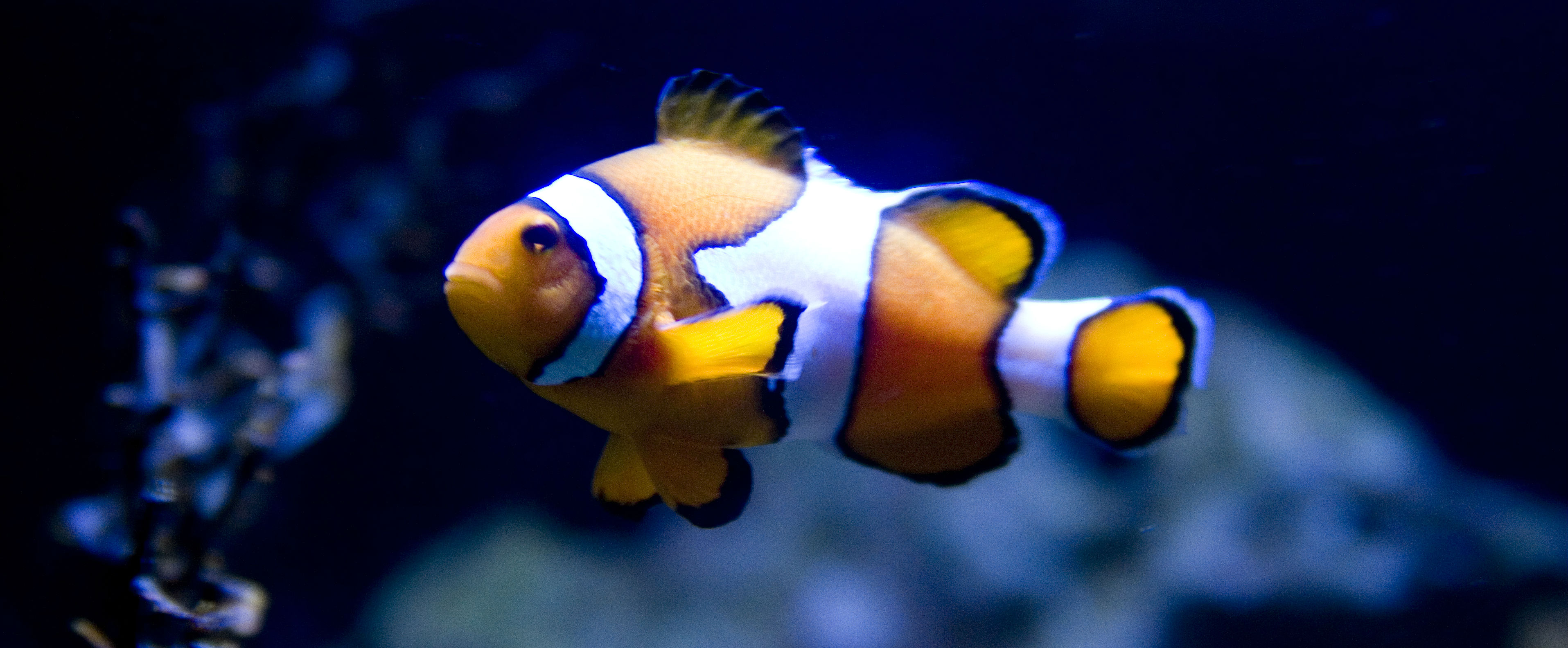
Clownfish_in_blue_water-smaller

“We are as deeply immersed in our work as a fish in water. That makes asking a graduate student to consider a different field of study a lot like asking a fish to imagine life on dry land.”

Continue reading

Why building a start-up is probably your most sensible career path

Your PhD has given you the perfect tool set to start a high-tech company, and it’s nothing to do with your technical skill, says Mark Hammond.

In stark contrast to the proliferation of web based start-ups led by young founders, science based start-ups have typically remained the domain of seasoned professors, spinning out breakthrough technology built on years of research. This is changing rapidly, and it’s now more viable than ever to start a science based company straight out of a PhD. In fact, it might just be one of the most sensible career paths that you can take.

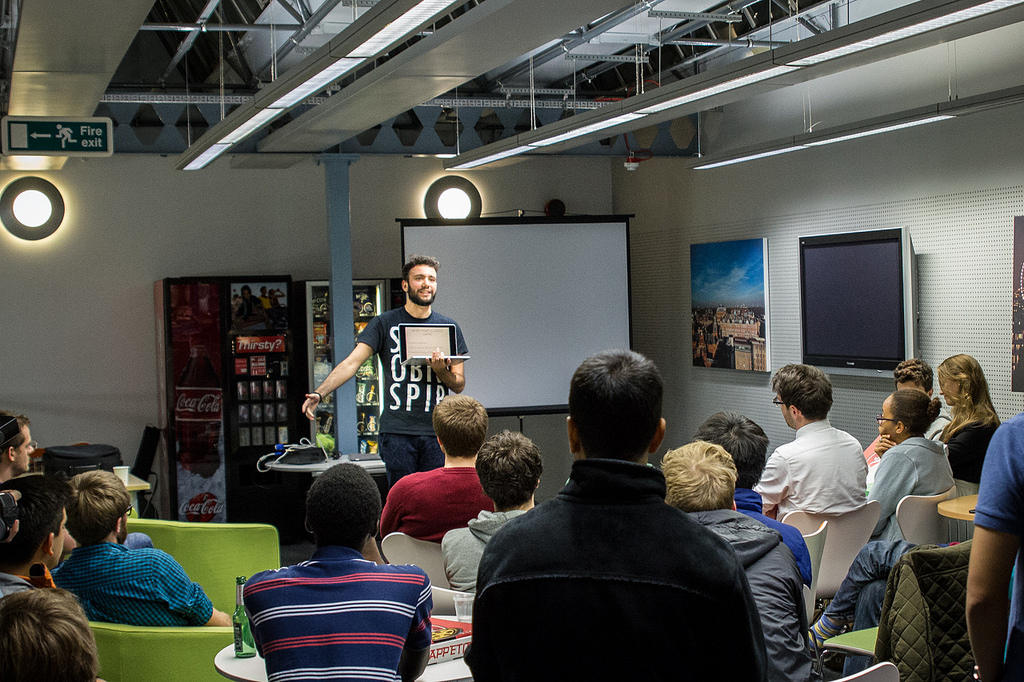
Students at Imperial College’s Marker’s meetup present ideas and get feedback

Continue reading

What almost derailed you?

We ask academics at the Naturejobs career expo, San Francisco, to name one moment that almost derailed their career.

https://youtu.be/OkDhBqL2A0M

The Naturejobs career expo journalism competition, London, 2016!

Enter for a chance to work as a Nature journalist for the day!


NJCE-2016-(London)


Here we go again!

Following the success of the Boston and San Francisco Naturejobs career expo journalism competitions this year, we’re launching the competition for our tenth career expo in London, to be held on September 16th.

The London Naturejobs career expo is our flagship event, so we are looking for five budding science writers to help us with our coverage of the conference sessions, workshops and general ambience of the event for those who cannot make it. The conference will explore career paths in industry, academia and science communication, finding funding, and much more.

The five winners will have the opportunity to attend the expo and write up at least two of the sessions or workshops for our readers, sharing the advice and expertise of the speakers with our worldwide audience. Winners will also have the opportunity to work closely with Nature editors, and their articles will be published on the Naturejobs blog. Continue reading

A week in the life of a tenured professor

A Chinese scientist considers the new responsibilities that come with his role

This piece was cross posted with Nature Asia. You can read the Chinese version here.

Guest contributor Chenggang Yan

I’ve spent ten years of my life in research. In those ten years, I’ve never been completely overwhelmed until I accepted a professorship at Hangzhou Dianzi University. Just like many other young scholars, I’m working hard to win a good reputation with my research. I went into science because – like many others – I wanted to do meaningful work, lead a new era, and benefit humanity in some way. But recently I’m finding that’s just not what I spend my time doing.

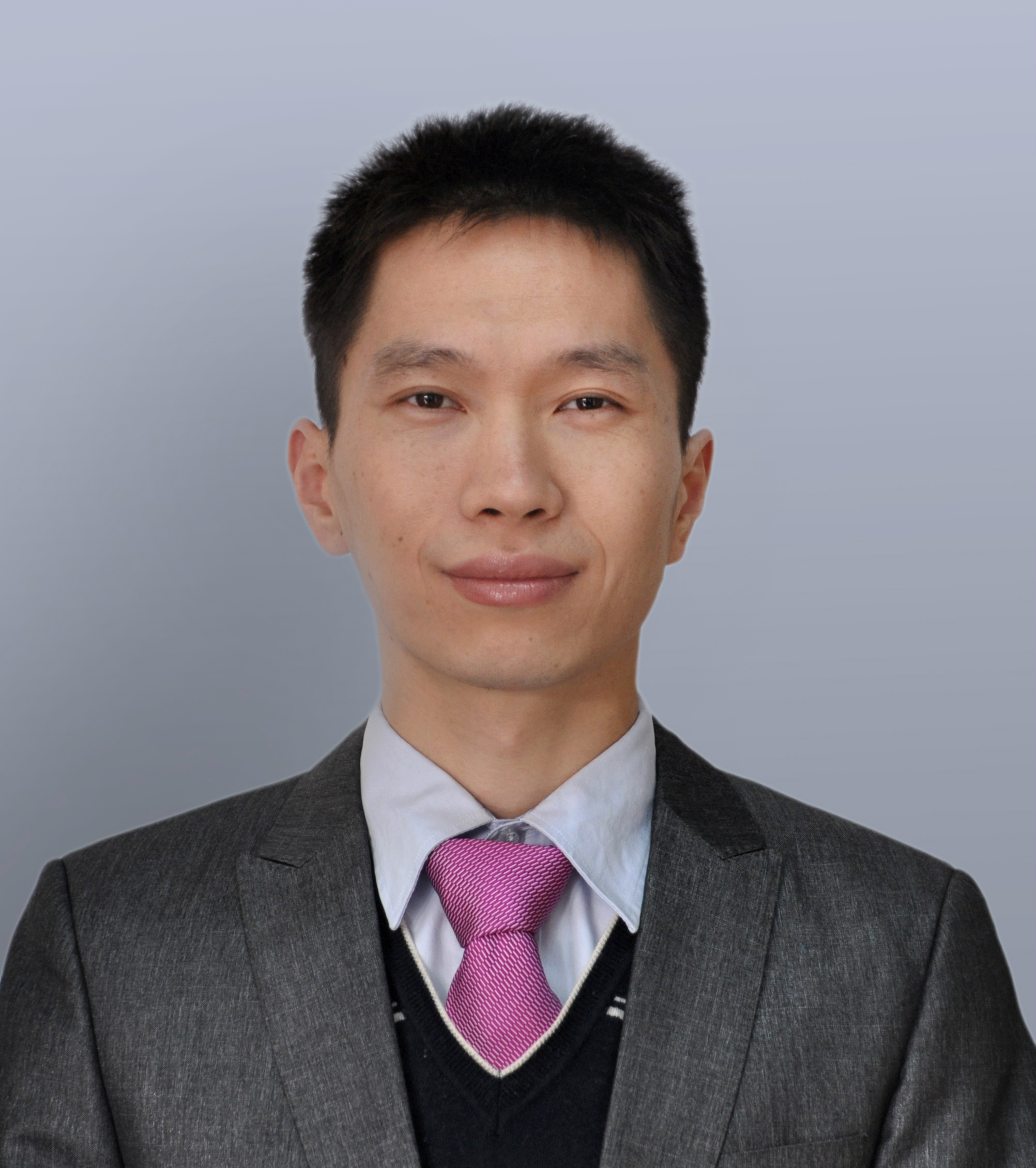
DSC_0001 op1-smaller

{credit}Chenggang Yan{/credit}

Continue reading

A positive step for postdocs?

It’s been a long time coming, but US postdocs had reason to celebrate last week: an 18 May ruling from the US Department of Labor renders postdocs eligible for overtime pay.

The potential downside? It could mean fewer postdoc positions – but even that may be a positive. The academic pipeline worldwide, especially in the biomedical sciences, has a postdoc glut.

istockphoto/Thinkstock

{credit}istockphoto/Thinkstock{/credit}

Continue reading