You won’t always be a student, trainee, or beginner. Expertise comes from knowing your skills and constantly trying to improve, says Atma Ivancevic.


A light grey room is filled with 23 grey desks, scattered in pens and books. In one corner sits a refrigerator packed with snacks. Next to it is a rice cooker. The walls are covered in pictures of fun lab memories. Amidst the clutter, some students joke and laugh; chat with a professor about their experimental procedures; analyze data on their laptops and unconsciously wrinkle their brows.
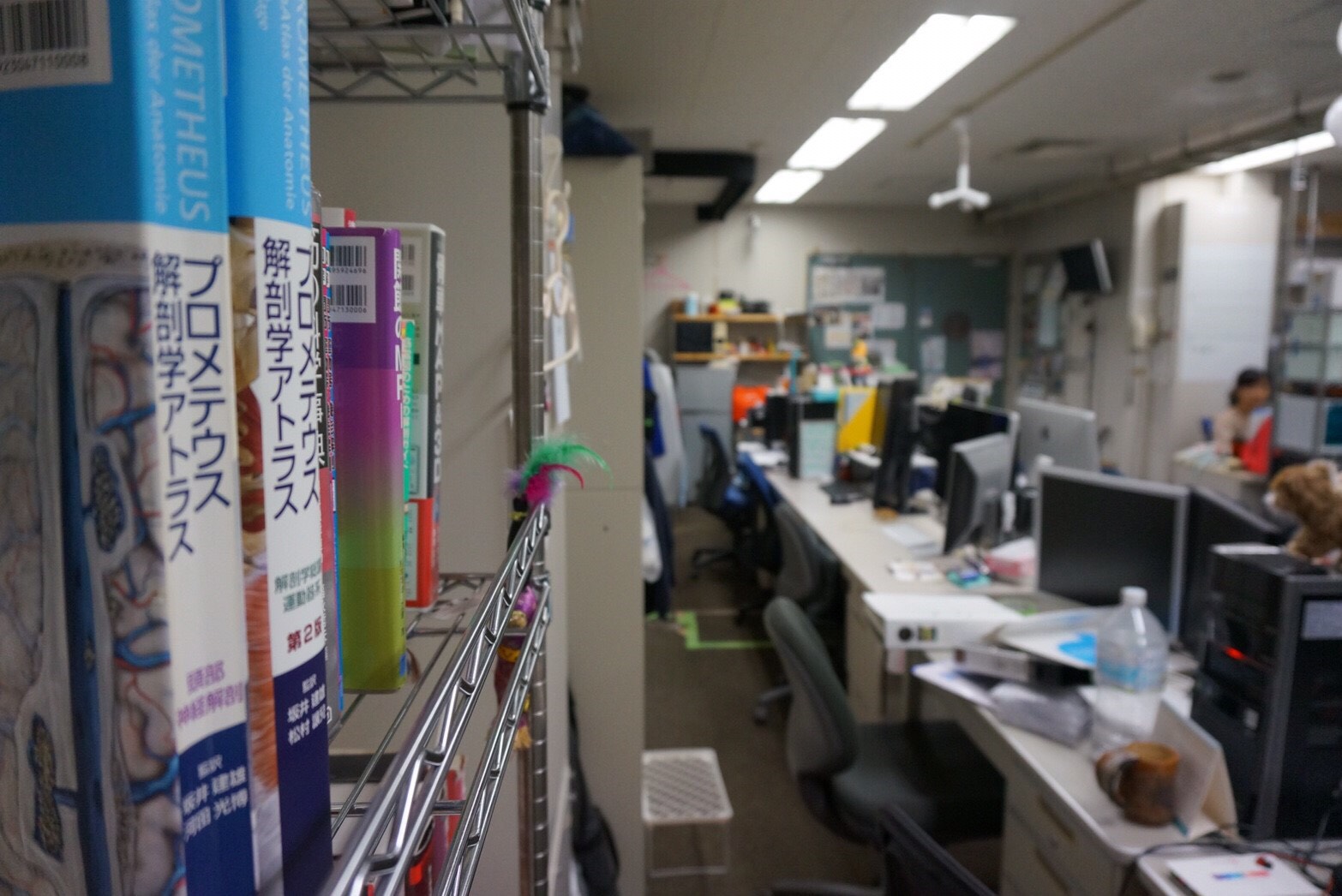
The Ushiba lab
It is a usual morning at the Ushiba lab where I’m doing an internship this summer. I am a rising junior at Macalester College in Minnesota, USA. Before spending two years in a U.S college, I spent all my life in Japan, and expected being back in a Japanese lab to feel natural. But my assumption was wrong.
By Beth Kenkel
This condensed social media guide for scientists provides key facts about how researchers report using social media and concrete examples of how you can use LinkedIn, Twitter and Facebook to network, exchange scientific ideas, or advance a career. This is an all ages guide designed for scientists at any career stage.
Good management can make an enormous difference in the success and productivity of any team. Unfortunately, new managers are rarely chosen because they have demonstrated skill at managing people. After 10-15 years of training, many scientists will be expected to run an academic lab or manage a team outside of academia with little experience and almost certainly no formal training. The kind of smarts and the types of skills that it takes to be a good scientist are not the same ones it takes to be a competent manager (much less a really good one). While getting your PhD or doing a postdoc, few science trainees have opportunities to work on their emotional intelligence or to hone their delegation skills.
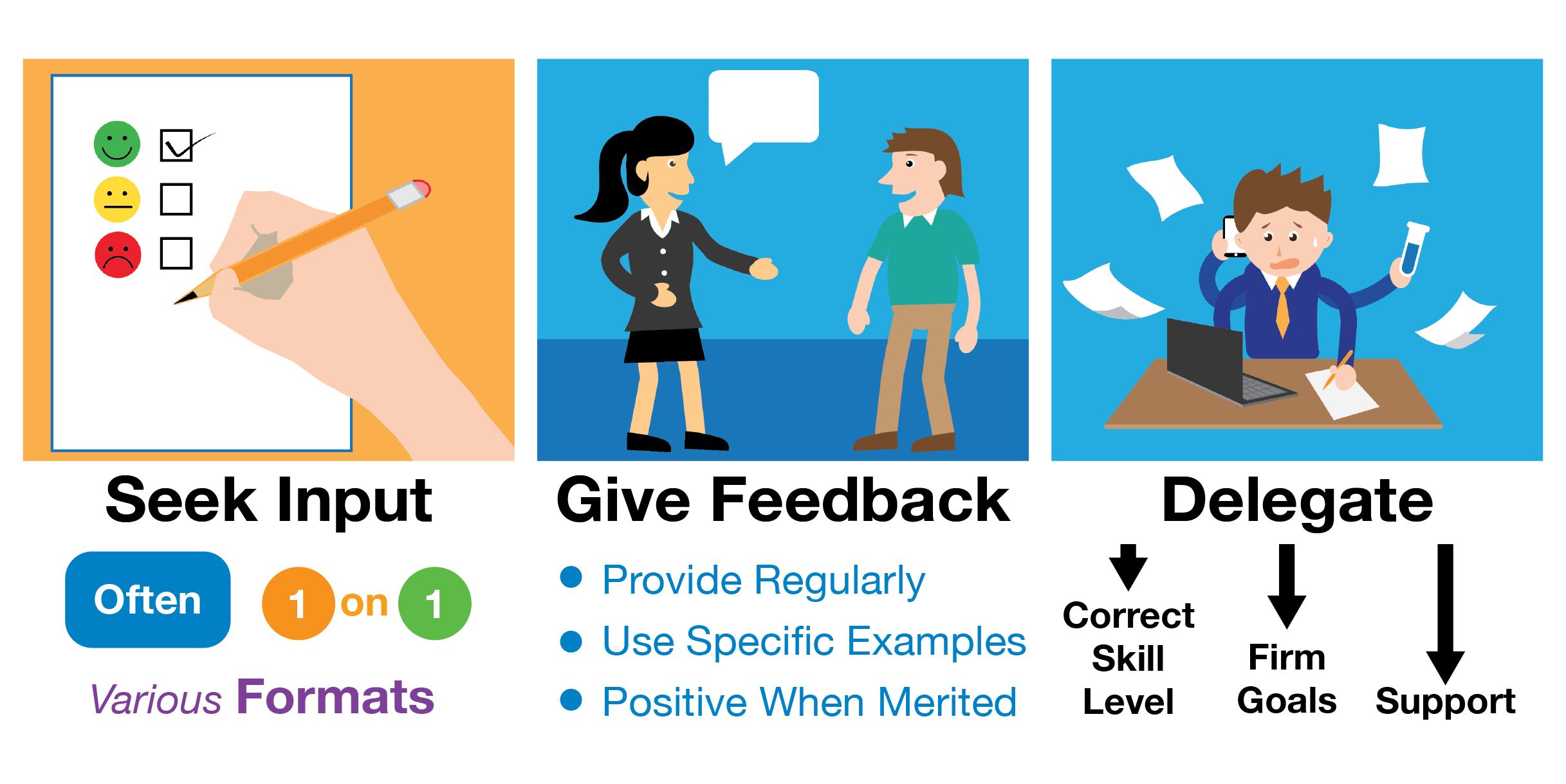
So what makes a good manager? First, it takes an open mind willing to learn and develop skills. Managing a team is hard and scientists should reject the myth that “it comes naturally” to some. Most good managers have worked hard to learn principles of good management and they continually build their skill set with experience and trying new tactics. Second, being a good manager requires a focus on the goals. I believe the most important goals are to get a lot of stuff done, to produce excellent quality work and to create a team culture that provides a happy work environment. The first two goals may be obvious, but why the third? Happy people get more done and do better work and a positive culture attracts good people.
Here are three areas to work on.
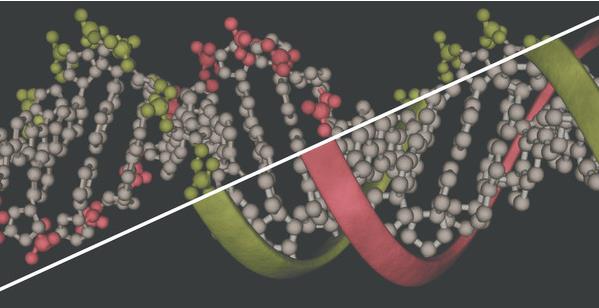
{credit}Wu Li; addgene{/credit}
When I was in graduate school, I learned to create classes using backward design. Backward design encourages setting goals and then planning a course of action to meet those goals. This strategy can be applied to almost anything in life. “What do I want for dinner?,” for example, can transform into “I need dinner to be quick” or “let’s get rid of what’s about to go bad in the fridge.”
A degree in science is just one stepping stone on a long path with varied exits, curves and about-turns. Choosing wisely is not always an easy task, but there’s no right way to success: there’s a whole lot out there to choose from.

At the London Naturejobs career expo on September 16th, there was a lot of talk on how to succeed in science, and an interview with the editor-in-chief of Nature, Sir Philip Campbell. Some tips came up repeatedly and are worth listing. Continue reading
Nick Riddiford
That a career in science is demanding is unsurprising. But alongside long hours spent in the lab grappling with abstract concepts, the number of years of education it takes to enter the professional ranks and the increasingly unstable nature of such employment, exists a further demand: money. It’s no secret that science costs money — building the Large Hadron Collider (LHC) and sequencing the human genome cost around €3 billion each — but what is less obvious is that entry to a career in science often requires considerable personal financial sacrifice.
Publishing better science through better data journalism competition winner Erica Brockmeier
The life of today’s scientific researcher doesn’t look like it did in the 1940s. One of the papers I cited in my dissertation, published in 1941 by Dr. C.L. Turner, describes the efforts of a solo scientist manually counting bone segments in female fish fins after treatment with anabolic steroids. Turner was one of the first scientists to show that female mosquitofish exposed to androgens exhibited the type of fin growth which was normally only found in male mosquitofish.
{credit}QUINTIN ANDERSON{/credit}
Scidata publishing better science through better data competition winner Jonathan Page.
An intrepid, khaki-clad explorer, machete in hand, cutting their way through some undiscovered wilderness. A bespectacled, grey-haired academic in a white coat, supervising some elaborate experiment in a lab, illuminated by glowing lights and flashing buttons. These are the classical images sometimes conjured when the word ‘scientist’ is mentioned.
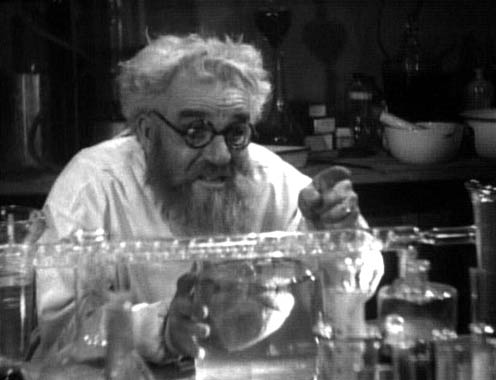
Horace B. Carpenter as Dr. Meirschultz, a scientist attempting to bring the dead back to life in the 1934 film Maniac