Postdoctoral training in Sweden: too short to grow

hourglassMembers of the Karolinska Institute’s Postdoc Association fear an amendment to Sweden’s Research Bill could create career instability.
In November 2016 the Swedish government announced plans to introduce a tenure track system to make academic careers more secure, to improve mobility and to make research more competitive.

But in July last year an amendment to the Research Bill stipulated that PhD graduates had a maximum of five years (two years less than now) to get an Assistant Professorship (Biträdande Lektor in Swedish). Universities must comply by 1 April 2018.
Continue reading

The Naturejobs Career Expo – some secrets to scientific success

Naturejobs journalism competition winner Eileen Parkes

Over one thousand scientists attended the Naturejobs Career Expo last week in London. With professional CV checking, exhibitors from academic institutions and companies from around the world, and career-focused talks from Nobel Prize winner Professor Venki Ramakrishnan, science communication expert David Urry, popular blogger and senior lecturer Dr John Tregoning and many more, this was a resource-packed event for researchers.

Spending the day absorbing so much great careers advice left me feeling punch-drunk by the end.  Some themes cropped up repeatedly — distilled wisdom on scientific success.

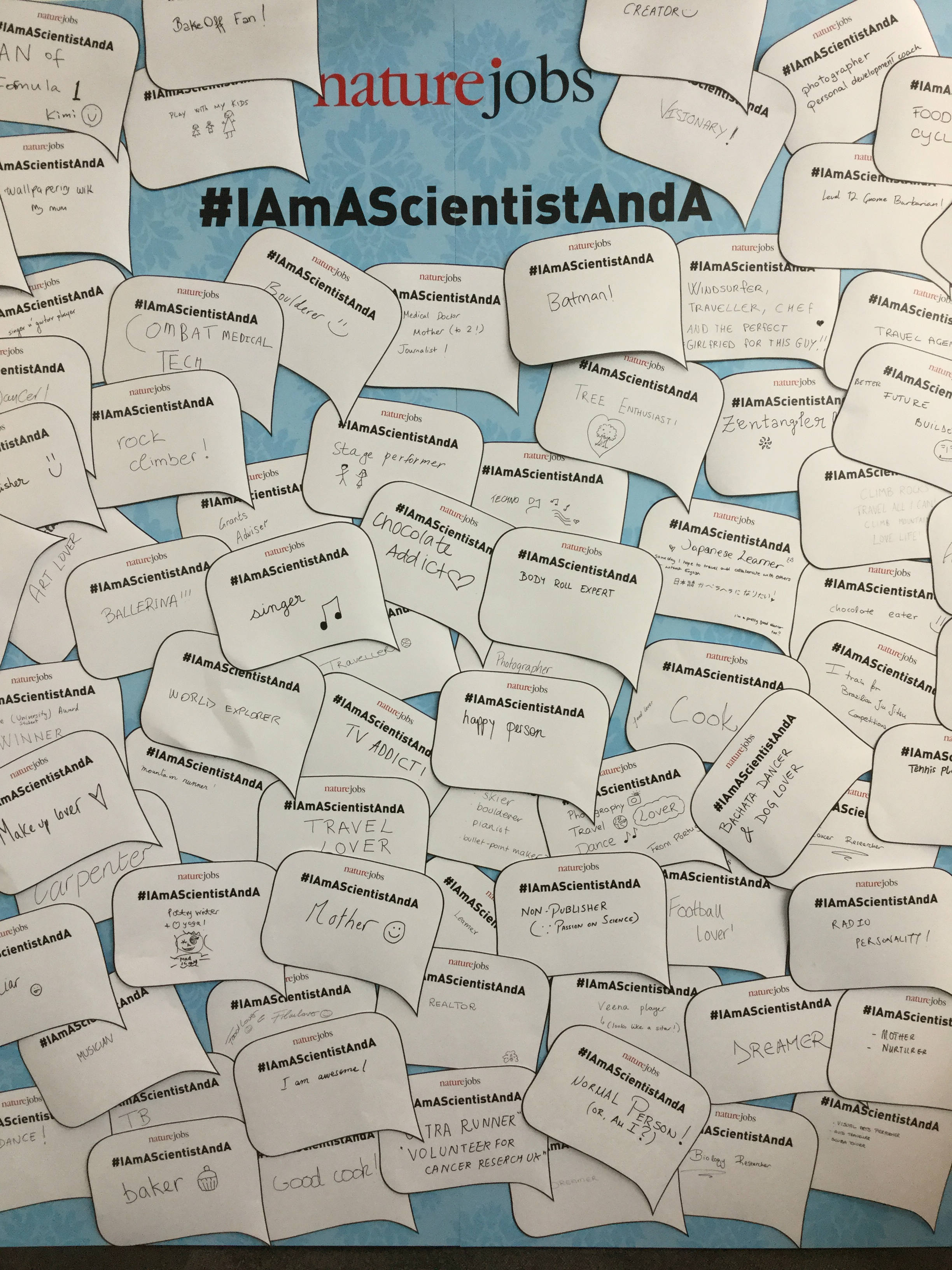
Some of the submissions to the Naturejobs Career Expo photoboth

Some of the submissions to the Naturejobs Career Expo photoboth

Continue reading

The start and the middle: beginning your PhD

The initial stages of a PhD can be daunting. Fortunately, there are a few ways you can make the transition into productive doctoral study as smooth as possible.

Whether you’re starting a PhD fresh out of undergrad or after many years of employment, the decision to begin a doctorate is a significant career move. When I started, 18 months ago, I figured I had a pretty good idea of what I was getting into: I’d previously worked in industry, completed a Master’s degree, and worked as a research assistant in another lab.

But I soon realized that my PhD was different — in a number of ways — from what I’d done before. Here are some things I’ve learnt so far, and some ways I‘ve made efficient use of my brief time as a PhD student.

scientist-762627_1920
Continue reading

Science communication: What it takes

Science achieves little if it stays in the lab. Here’s what you need to get it out to the world, says Jessica Eise

Communicating about science is a noble profession, and one that’s becoming increasingly and ever more popular. Yet it isn’t the right fit for everyone. I got started in this field about five years ago, and was surprised by many of the things I needed that no one had ever mentioned. Here’s what no one ever tells you you’ll need.

analytics-282739_1280

Passion for science

If you don’t care about science, you’re going to burn out fast. Science is hard, so science communication is hard, too. You’re going to have to delve into complicated issues quickly. I’ve worked on projects ranging from solar panel taxes to integrated imaging, from public perceptions of pork to international trade databases. You really have to care about good science communication to get a message across. The only thing worse than no science communicator is a science communicator who hates their job.

I didn’t have an immediate interest in food and agricultural topics when I started my job. But I audited a course on food security, read tons on the subject and sat down with my colleagues to figure out why these topics are so critically important. It made all the difference. Continue reading

Away from home: The two-body problem

We’re bringing you the best stories in lab mobility from Nature India

The ‘Away from home‘ blogging series features Indian scientists working in foreign labs recounting their experience of working there, the triumphs and challenges, the cultural differences and what they miss about India. They also offer useful tips for other scientists headed abroad. You can join in the online conversation using the #postdochat hashtag.

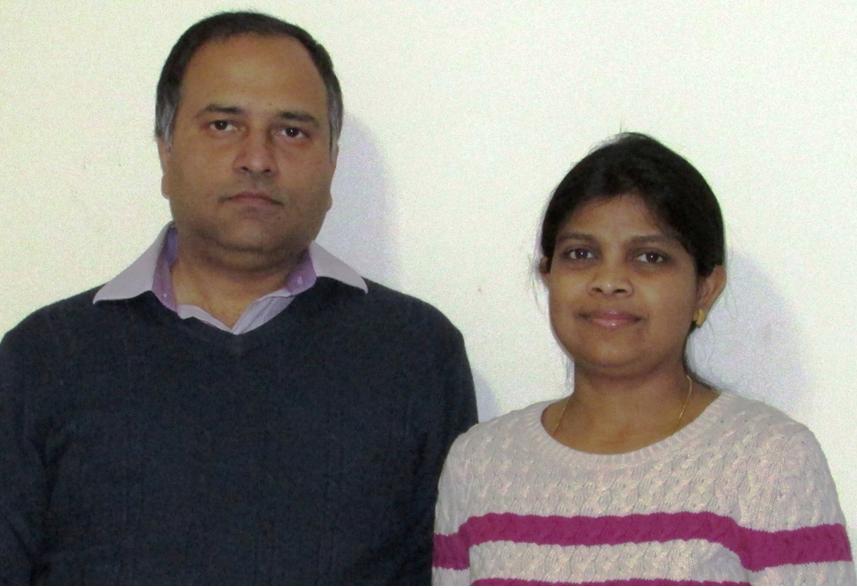
Here’s the account of a scientist couple, looking at opportunities to come back to India. Naresh Bal, a PhD from Jawarharlal Nehru University, New Delhi and a postdoc from the Ohio State University, USA is currently wanting to start an independent research group of his own. He is busy writing grants overtime given the “current grant situation in the USA”. Naresh urges the Indian government and institutions to think of schemes to recruit scientist-couples to work as a team. Read on and leave your comments — have you had a similar experience, do you know someone who has or are your bracing up for this now?

The scientist couple: Naresh Bal and Nivedita Jena

The scientist couple: Naresh Bal and Nivedita Jena

Continue reading

Tracking down the holy grail of academia

Connections and research proposal that complements a department are essential in obtaining a tenure-track faculty position, Louisa Cockbill learns from Kate Smith.

Having been awarded a faculty position at the University of Colorado, newly minted assistant professor Kate Smith is preparing to move from to the US from the UK. Here, she describes her experience of tenure interviews, how to maintain a passion for research and, crucially, how to find the elusive off-switch from science.

running a Growth

Having done a PhD, I know the pressures of academic research and how crucial it is for early career researchers to gain advice and encouragement from the success stories of others, like Kate. I caught up with her to see what advice she would give to others curious about the tenure track.

Continue reading

Away from Home: Blending remote sensing with social sciences

We’re bringing you the best stories in lab mobility from Nature India

The ‘Away from home‘ blogging series features Indian postdocs working in foreign labs recounting their experience of working there, the triumphs and challenges, the cultural differences and what they miss about India. They also offer useful tips for their Indian postdocs headed abroad. You can join in the online conversation using the #postdochat hashtag.

KRC

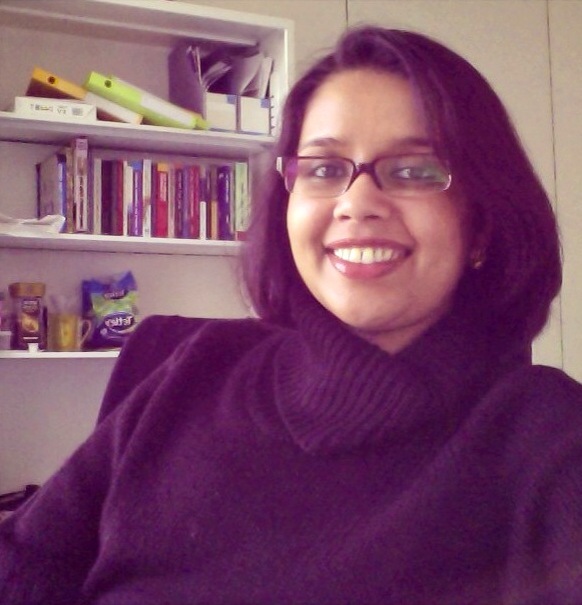
Koel Roychowdhury

This week we have a young scientist from the United Nations University (UNU) in Tokyo, Japan at the end of her postdoc tenure. Koel Roychowdhury, an alumnus of the University of Calcutta, uses remote sensing technology to look at environmental and agricultural sustainability. Koel says the fascinating opportunity of doing science for social good is what keeps her going. Continue reading

It’s time to reduce the number of PhD students, or rethink how doctoral programs work

Gwilym Croucher, University of Melbourne

There are not enough academic jobs vacant in Australia each year to employ all our PhD graduates.

This imbalance risks training an increasing numbers of doctoral students on a promise that cannot be fulfilled: that is future academic employment.

4925267732_492be0075f_o-smaller

We need to accept a hard truth that Australia needs to rethink the design of the PhD and the expectations around it, or radically reduce intake to doctoral programs. Continue reading