
Tag Archives: mobility
Researcher mobility in a post-Brexit world

Existing UK immigration rules can support foreign-born researcher movement after Brexit, but the attractiveness of the UK research environment may still keep the best and brightest away, says Erica Brockmeier
Whether you’re relocating around the block, across town, or to a completely new city, moving is not a trivial task. For many PhD students and early career researchers, moving to a new research group can play a key role in professional development. It’s a way to gain new perspectives for your research, expand your professional network, and to work in a prestigious or well-known group in your field. Sometimes the best move for your career isn’t just across towns or cities, but is one that involves moving away from your home country, either temporarily or permanently.
Away from home: The two-body problem
We’re bringing you the best stories in lab mobility from Nature India
The ‘Away from home‘ blogging series features Indian scientists working in foreign labs recounting their experience of working there, the triumphs and challenges, the cultural differences and what they miss about India. They also offer useful tips for other scientists headed abroad. You can join in the online conversation using the #postdochat hashtag.
Here’s the account of a scientist couple, looking at opportunities to come back to India. Naresh Bal, a PhD from Jawarharlal Nehru University, New Delhi and a postdoc from the Ohio State University, USA is currently wanting to start an independent research group of his own. He is busy writing grants overtime given the “current grant situation in the USA”. Naresh urges the Indian government and institutions to think of schemes to recruit scientist-couples to work as a team. Read on and leave your comments — have you had a similar experience, do you know someone who has or are your bracing up for this now?
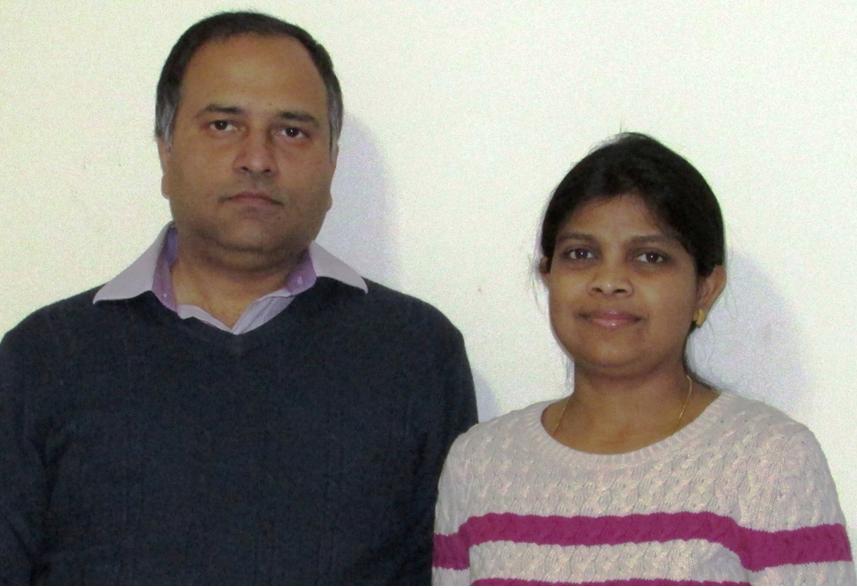
The scientist couple: Naresh Bal and Nivedita Jena
How travelling can help prepare you for a successful research career
Travelling has enhanced my scientific networks and social awareness, and prepared me to work in an international setting.
Guest contributor Andy Tay
As science becomes more inter-disciplinary, scientists increasingly need to travel to promote their work and build collaborations. Whilst it’s common for professors to travel frequently, graduate students or post-docs may not be aware of the importance of travelling in building a career. Here’s how travelling has helped me — and how it might help you.

{credit}Flickr/British Library{/credit}
From start-ups to big pharma – how to get into industry
Early career researchers are increasingly faced with the prospect of leaving academia, but is industry the right career move for you?
Naturejobs journalism competition winner Rachel Harris reports.
It can become easy to believe that skills developed during a PhD are suited only to academia, so it’s always refreshing to learn about the value of doctoral training in other settings. I went to the Naturejobs Career Expo London 2016 to see what else I could use my skills for.
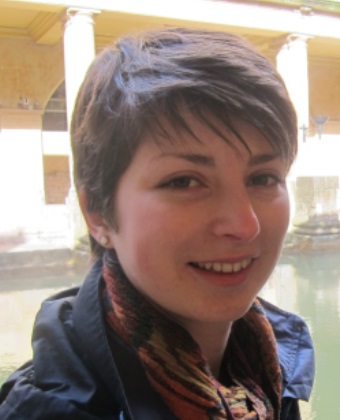
Rachel Harris
Away from home: Collaboration in a global organisation
We’re bringing you the best stories in lab mobility from Nature India
The ‘Away from home‘ blogging series features Indian postdocs working in foreign labs recounting their experience of working there, the triumphs and challenges, the cultural differences and what they miss about India. They also offer useful tips for their Indian postdocs headed abroad. You can join in the online conversation using the #postdochat hashtag.
Today, we have environment scientist Ram Avtar, an alumnus of Jawaharlal Nehru University (JNU), New Delhi and a postdoc from the Japan Agency for Marine-Earth Science and Technology (JAMSTEC). He tells us about his transition from a postdoc to a research associate with the United Nations University in Tokyo, an organisation with a global outlook and ample scope to forge meaningful collaborations — not just in one’s professional life but also in the personal life.
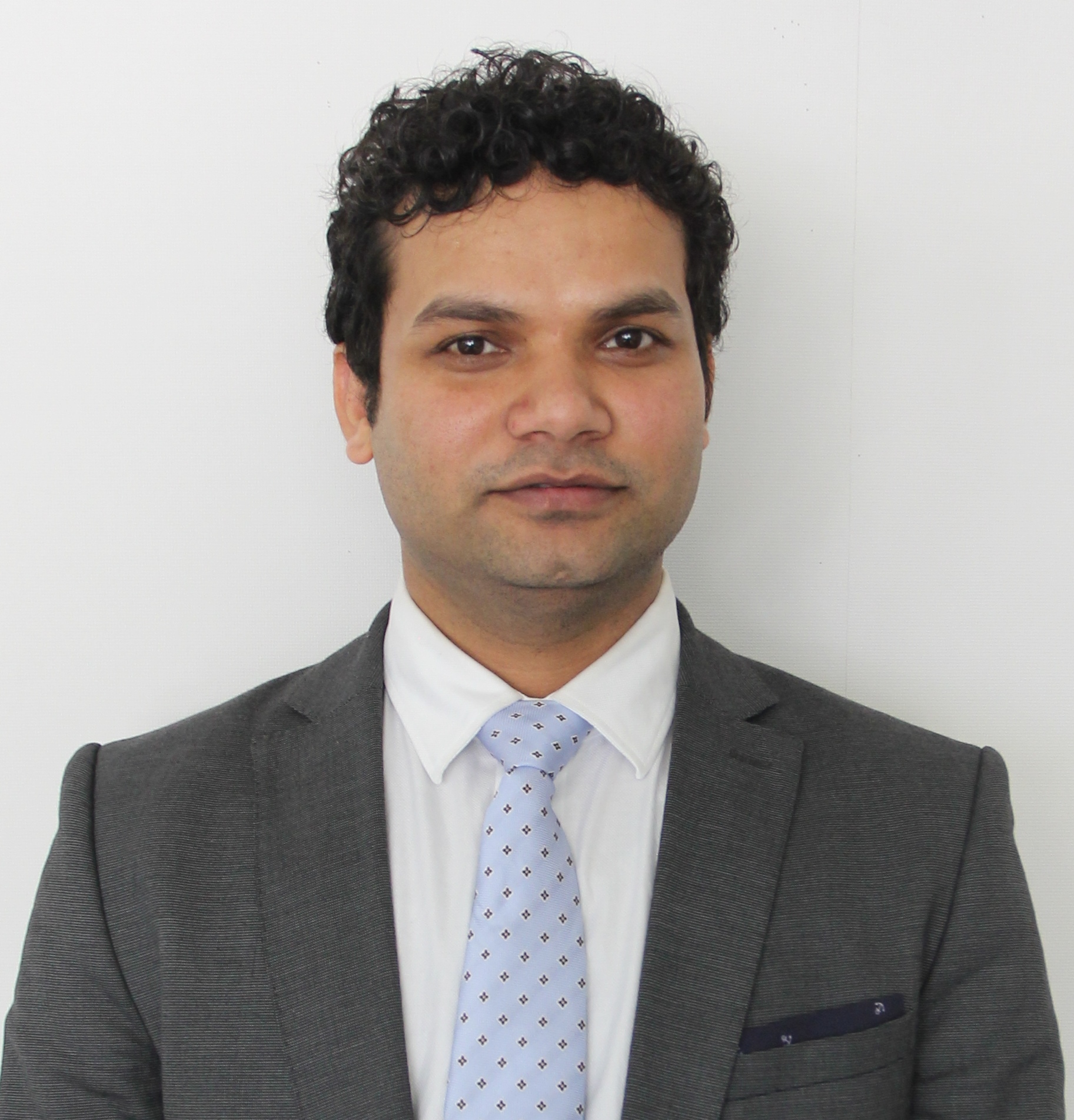
Ram Avtar
Finding job satisfaction as a drug safety manager
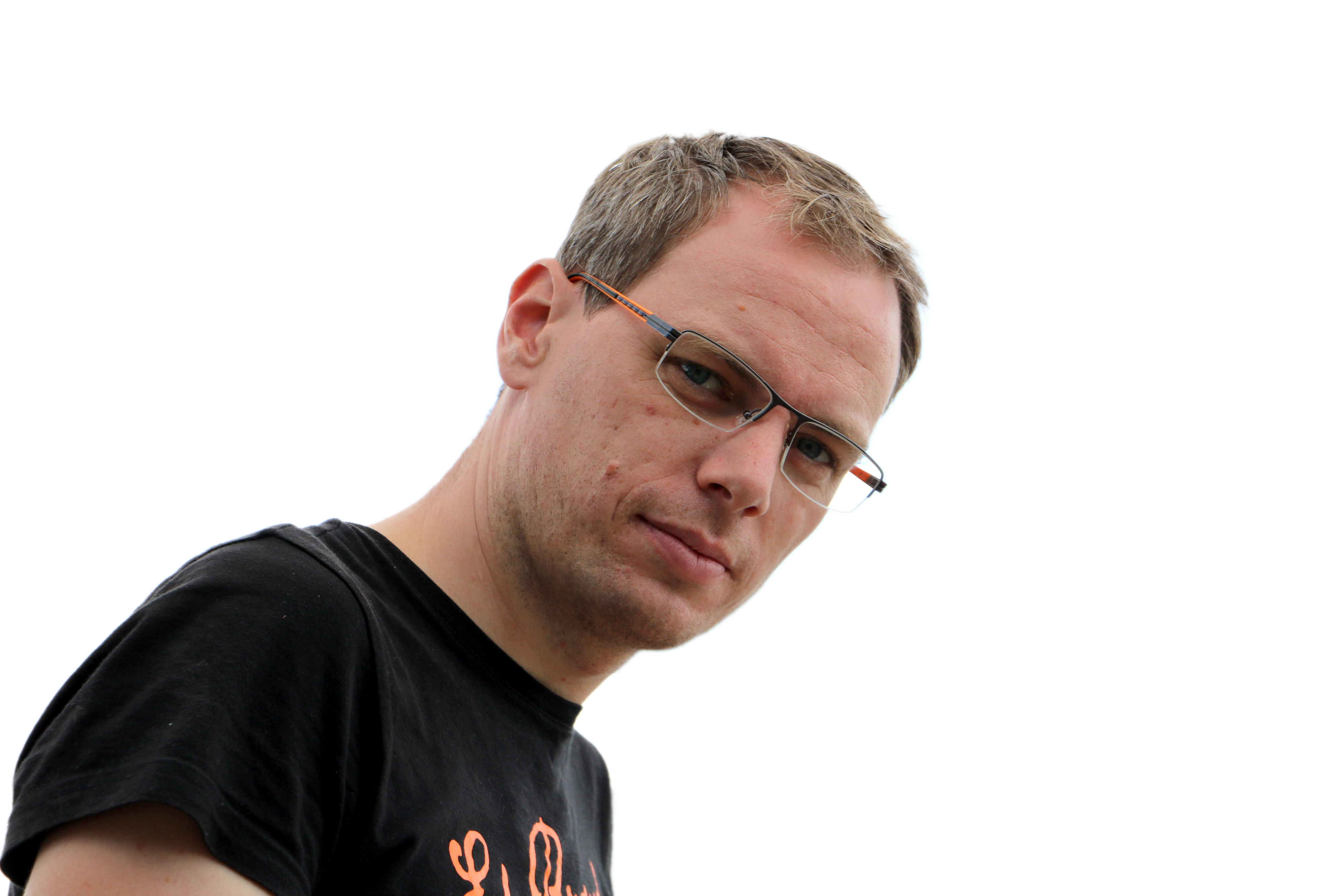
Steffen Schulz was completing his PhD in medical neuroscience when he realised he needed more job security than academia could offer. Now, he works as a drug safety manager in his native Berlin.
How did you get into biology?
Originally I was interested in the origin and the development and evolution of life. Then I shifted to questions like ‘why do animals and humans behave the way they do?’
Steffen Schulz
Science and social mobility
David Payne examines the links between socioeconomic status and a career in science.
“Congrats on the new job David, good to see a ‘Stabbo’ lad doing so well…”
So said Richard, a Facebook friend and former schoolmate in a reference to my status change last month, posted the night before I started working at Nature, and to our home town.

Stabbo — AKA Stapleford — lies on the Nottinghamshire/Derbyshire border. One of its local authority wards has the highest percentage of lone parent householders in the borough, some of the highest rates of overcrowding, domestic abuse, and alcohol related hospital admissions and emergency asthma admissions. The latest news I heard about my home town was that its only supermarket is set to close. Its replacement? A discount store. Continue reading
Finding a place to hang my lab coat
Australia might be the land of surf, swim and sun, but something’s making all the scientists flee, says Naturejobs journalism competition winner Catherine Carnovale.
When now ex-Australian Prime Minister Tony Abbot abolished the role of science minister in September 2013, members of Australia’s scientific community fastened our seat belts. This telling sign signalled the first of many cuts to science and innovation before the new government delivered their knock-out punch to the industry in the form of the 2014-15 budget.

{credit}Calsidyrose/Flikr{/credit}
Finding job satisfaction at a biomedical device company
Perseverance can help land a position, but relevant experience is a big help.
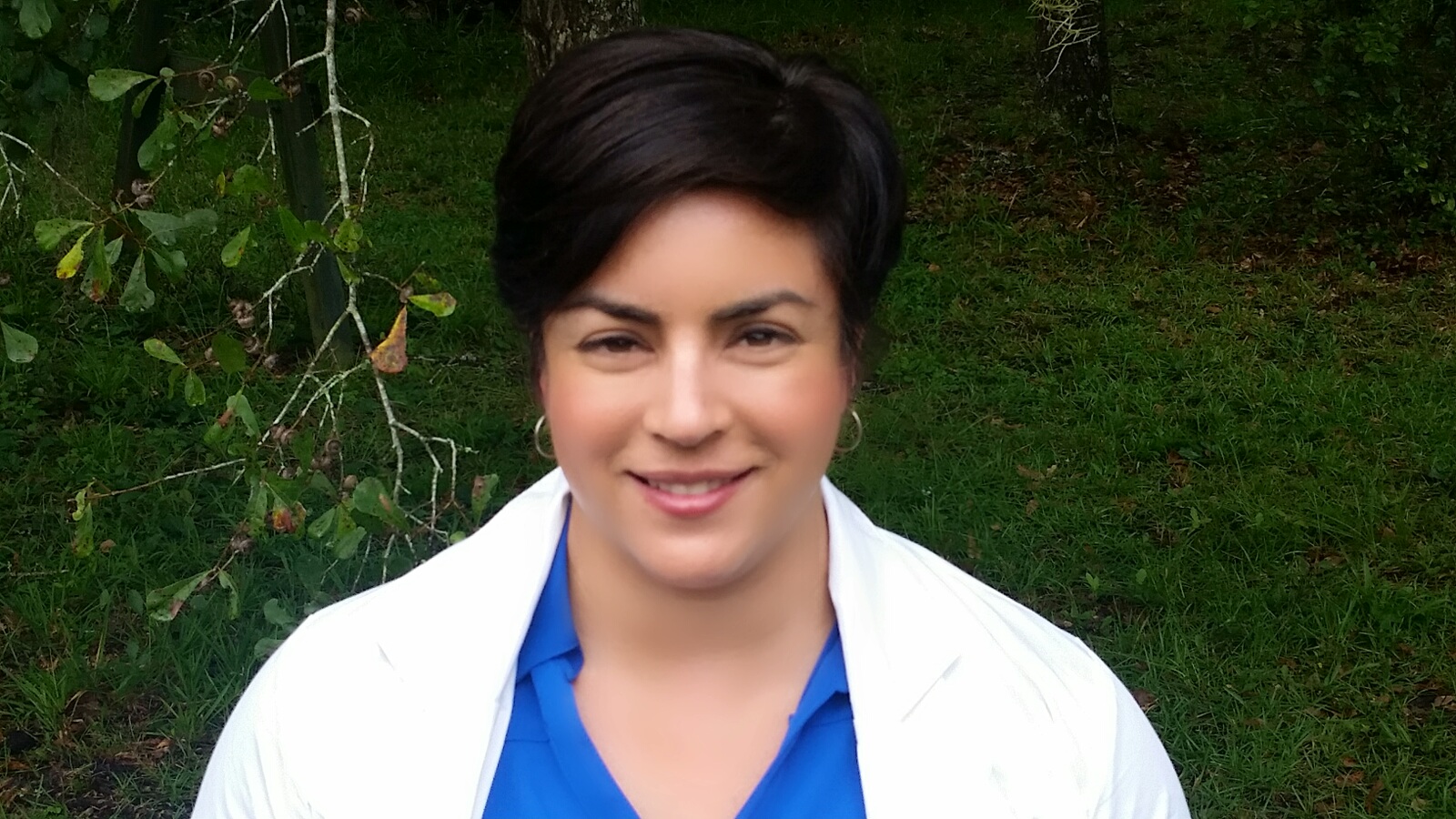
As she was finishing a postdoc at the University of Florida, Gainesville, Stefanie Marquez-Vilendrer found herself in the midst of a long, broad job search. She describes how she landed a position at Axogen, a biomedical company that develops and sells products for nerve surgeries.
If you’ve moved from a trainee position to a permanent job within the last five years and would like to participate in this series, please email naturejobseditor@nature.com.
{credit}Joseph E. Vilendrer{/credit}