Take time to explore your options – there is no perfect path for finding your career, says Erica K. Brockmeier



Whether you’re relocating around the block, across town, or to a completely new city, moving is not a trivial task. For many PhD students and early career researchers, moving to a new research group can play a key role in professional development. It’s a way to gain new perspectives for your research, expand your professional network, and to work in a prestigious or well-known group in your field. Sometimes the best move for your career isn’t just across towns or cities, but is one that involves moving away from your home country, either temporarily or permanently.
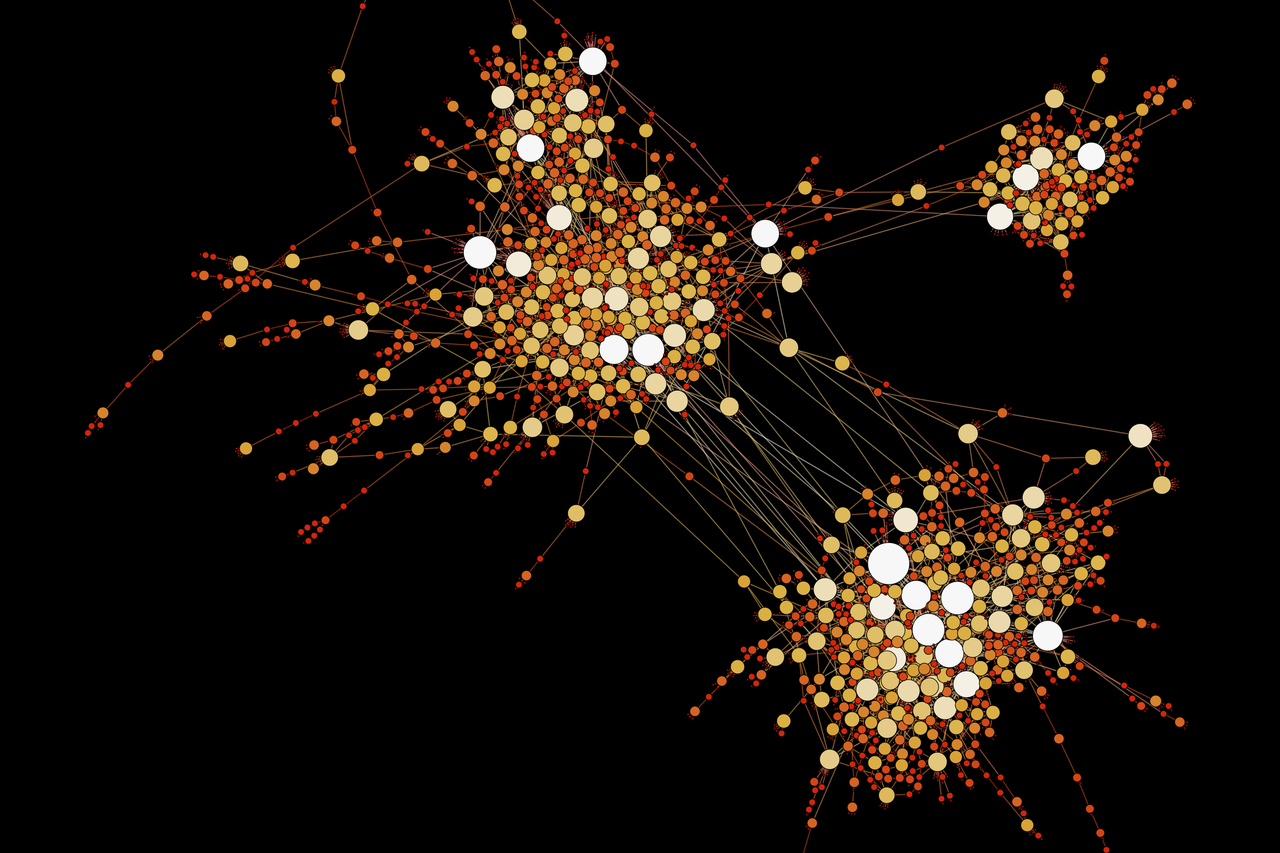
PhD students and early career researchers have a lot on their to-do lists, everything from writing papers and applying for grants to staying on top of the latest findings in their field. The third keynote of the #scidata16 conference highlighted yet another important facet of a research career: data management. Kevin Ashley, based at the University of Edinburgh, gave a thought-provoking presentation on this topic. As director of the Digital Curation Centre in Edinburgh, Scotland, Mr. Ashley and his team provide advice, guidance and training for researchers, alongside consultancy services on all aspects of data management and data reuse. Continue reading
Publishing better science through better data journalism competition winner Erica Brockmeier
The life of today’s scientific researcher doesn’t look like it did in the 1940s. One of the papers I cited in my dissertation, published in 1941 by Dr. C.L. Turner, describes the efforts of a solo scientist manually counting bone segments in female fish fins after treatment with anabolic steroids. Turner was one of the first scientists to show that female mosquitofish exposed to androgens exhibited the type of fin growth which was normally only found in male mosquitofish.
{credit}QUINTIN ANDERSON{/credit}