A survey suggests that junior researchers need guidance to properly maximise the value of a recommended training plan.
By Chris Woolston


By Chris Woolston



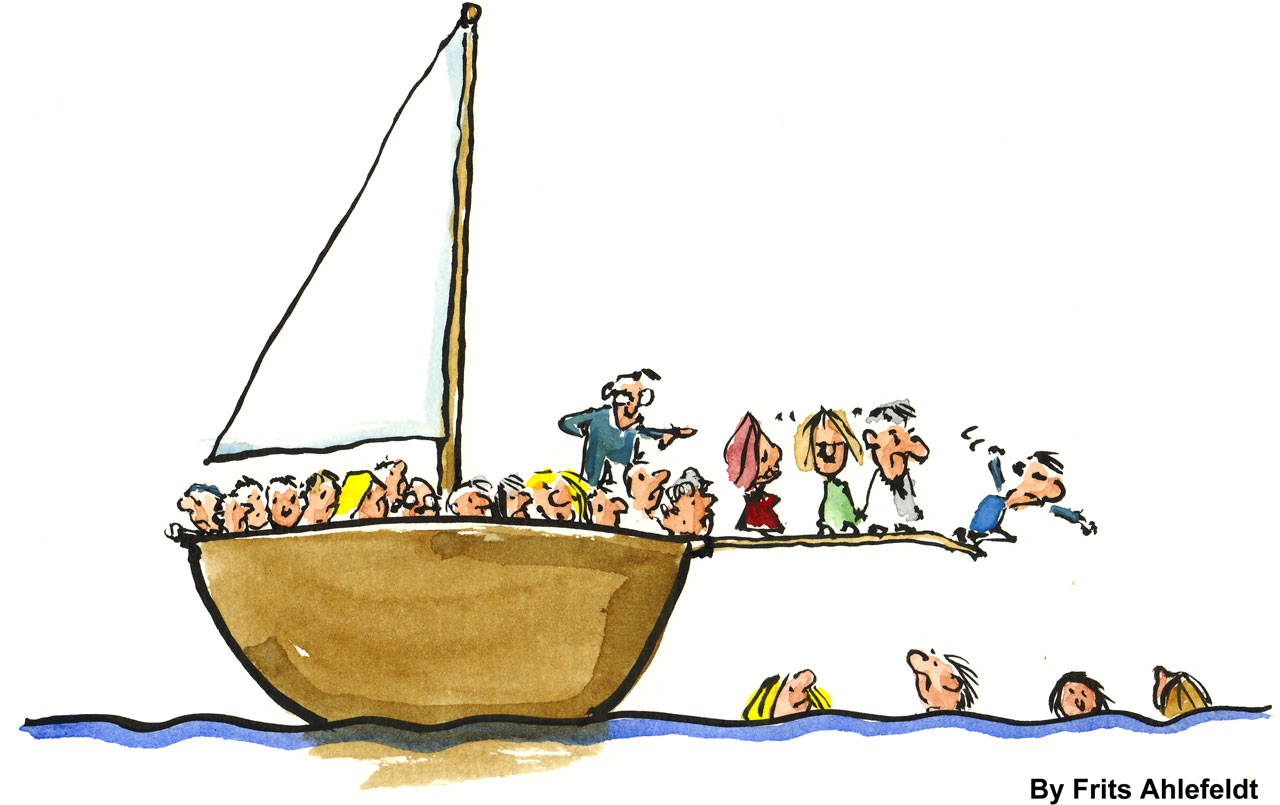
Job stability and a career in research are rarely put together. Science is a windy, grueling, uphill climb that might end abruptly at the edge of a cliff. Halloween is a particularly scary time for Australian scientists, as it signals the release of #NHMRC project grant results. Right now, many laboratories are facing difficult decisions due to rejected funding for next year. It’s not a surprise — we see it everywhere — yet it’s a shock that affects the entire scientific community. For early career researchers across the globe, it’s a timely reminder to carefully consider and plan for the future.
So, what are your options?
By David M. Giltner, PhD, Founder of TurningScience
If you’re like me, you entered university with a plan: to follow a career path that many had followed before. This is common, because school trains us to follow directions. Earning a degree involves predefined steps:
‘Complete this application adequately, and we will admit you.’
‘Answer this list of questions correctly, and you will pass the test.’
‘Pass this list of classes, and we will give you a degree.’
It’s natural to continue looking for a path to follow after graduation, but, in my view, that’s not how the most exciting careers are built. I’ve found my own way, founded a company, and enjoyed an immensely rewarding career along the way.

{credit}iStock{/credit}
By Virginia Gewin
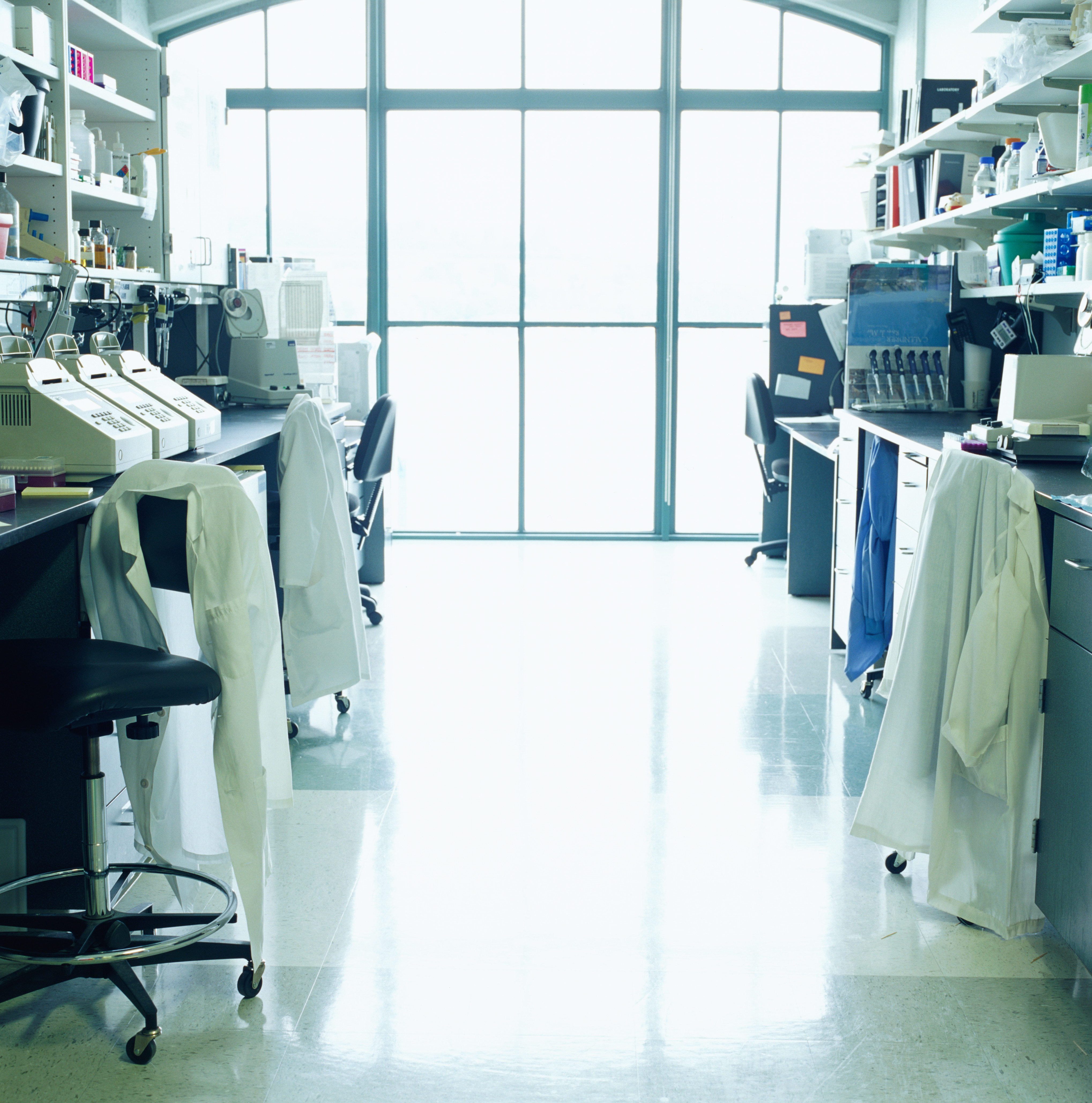
US science and engineering PhD students are losing interest in academic careers because their career preferences change throughout their training, finds a study – not because of limited faculty-job availability.
{credit} Getty Images Ryan Mcvay{/credit}
{credit}Image credit: Fancy/ Punchstock/ Getty Images{/credit}
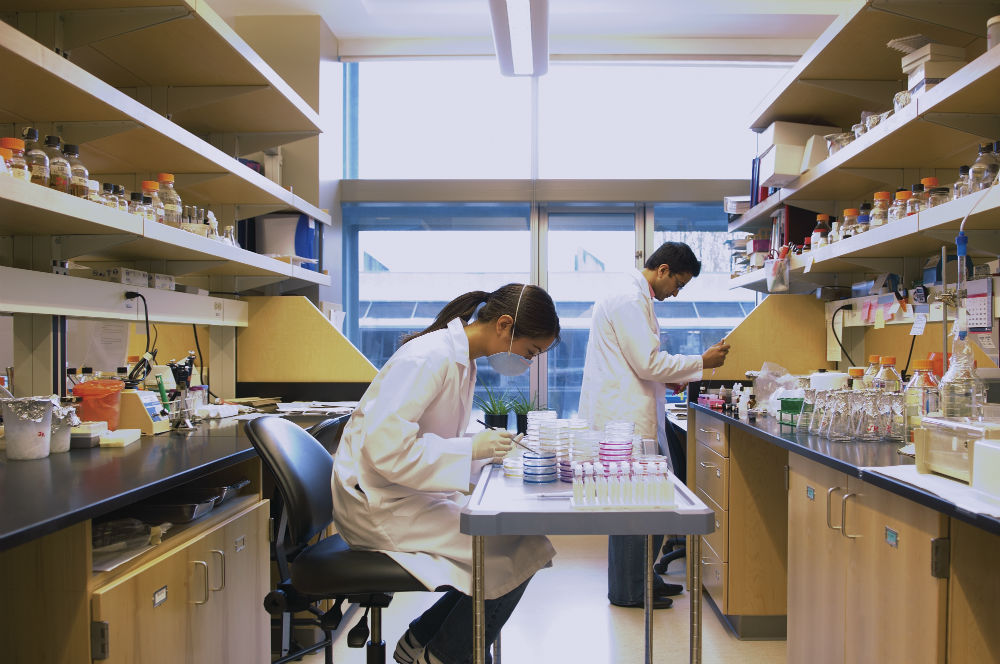
We’ve covered setting up your own lab before, but there’s an awful lot more for you to consider when you begin your tenureship. Here’s some more of the story.
Equipment isn’t the only thing you need to think about when you finally get your (hopefully big) bag of cash. Staff and PhD recruitment is important, as is considering whether you need a closed or an open lab. How should you arrange everything? Does anyone else in the department need to share equipment? Should you stay traditional or move everything online? What else should you consider?
Recruiting staff
“There’s no point in paying for all of the new equipment if you don’t have enough hands available to use it,” says Rafael TM De Rosales, a lecturer in imaging chemistry at King’s College London. Too much focus on the equipment – be it computers, chemicals or carefully calibrated chronometers – and not enough on the people who’ll be using it, means you could find yourself in a brand new, decked out lab with little research output. Your most important hire will be the first one – your first postdoc needs to be skilled and enthusiastic enough to both carry out the research and teach your future hires what they need to know. Continue reading
{credit}Image courtesy: Justin Jee{/credit}When
I knew I wanted to be a scientist when I was five. My dad worked for NASA’s Jet Propulsion Lab and brought home pictures of Jupiter and Saturn taken from space. They were printed on poster paper with a glossy finish, and I would take them out at school and show them to everyone.
I knew I wanted to be a scientist when, in eighth grade, I entered the California State Science Fair. My project: modelling the acoustics of musical instruments using sine and cosine functions. My dad taught me the least squares method, higher harmonics, and Matlab. My homeroom teacher told me my project had too much math.
I knew I wanted to be a scientist when I learned about Mandelbrot fractals and artificial intelligence from my fellow entrants in the California State Science Fair.
It felt like I would never be a scientist when the winners of the California State Science Fair were announced, and I was not one of them. Continue reading