Abandon ship, or learn to swim: the gamble young scientists must make

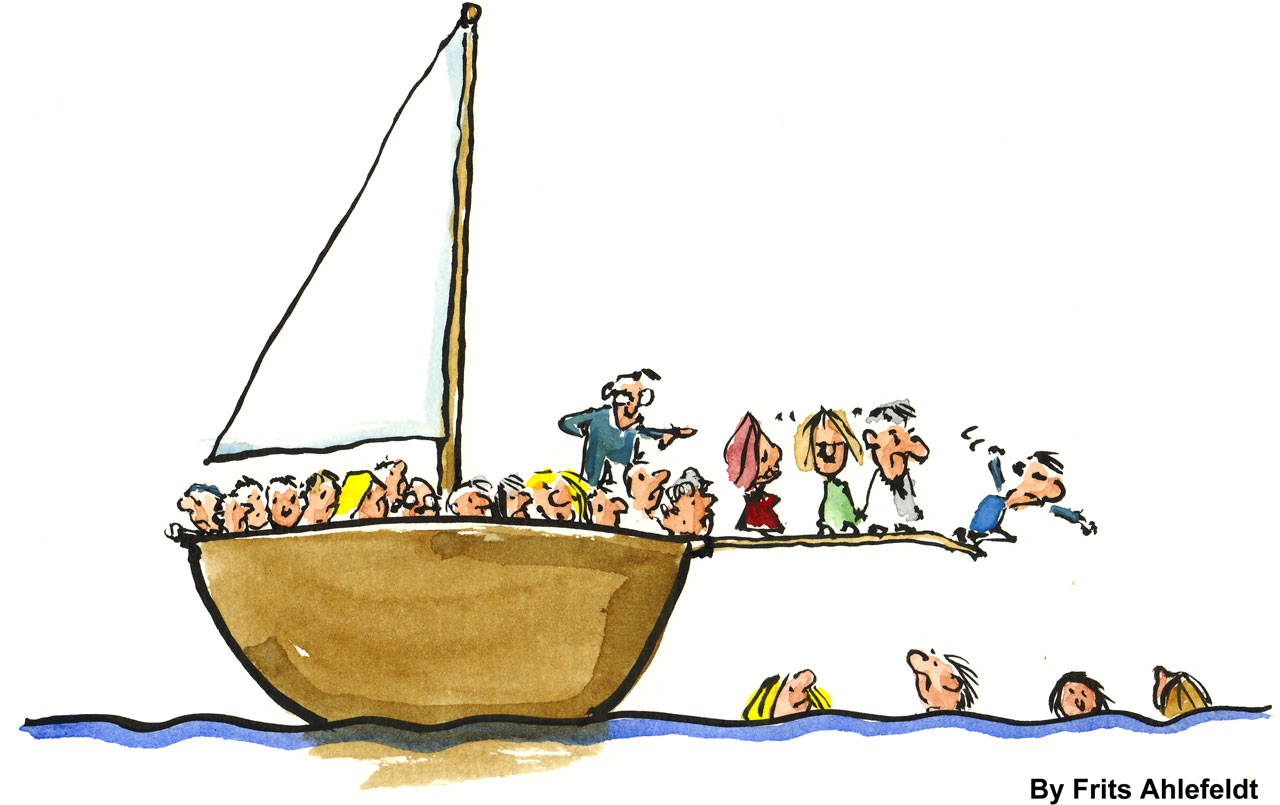
For scientists, there’s nothing more frightening than a major grant rejection. With the scarcity of funding at the forefront of everyone’s thoughts, it’s time to talk about options, says Atma Ivancevic.

Job stability and a career in research are rarely put together. Science is a windy, grueling, uphill climb that might end abruptly at the edge of a cliff. Halloween is a particularly scary time for Australian scientists, as it signals the release of #NHMRC project grant results. Right now, many laboratories are facing difficult decisions due to rejected funding for next year. It’s not a surprise — we see it everywhere — yet it’s a shock that affects the entire scientific community. For early career researchers across the globe, it’s a timely reminder to carefully consider and plan for the future.

So, what are your options?
 

fritsahlefeldt

Continue reading

Failing to fail gracefully

Failure is hard, but keep trying, says John Tregoning (who should follow his own advice occasionally).

Guest contributor John Tregoning

Advice: easier to give than to follow

This time last year, I wrote ten strategies to improve mental health in academic life. I think they’re worth reading, if you haven’t already. You’d think that having given all this advice, I would have followed it, and maintained a Zen-like calm. Not so.

John Tregoning

John Tregoning

In the last year I have allowed failure (and the prospect of failure) to define my mood, compared my progress with researchers several leagues above me and found myself wanting, got too obsessed with work to appreciate anything else, taken on more than I can manage, unsuccessfully disguised my jealousy about colleagues’ success, taken criticism as a personal attack, and not spoken to anyone about what was going on in my head.

Whilst reflecting on my inability to follow my own advice, this year I wanted to come up with something that I could follow to improve my own mental health. Then I had (another) grant bounce and realised that, for me, the major contributor to mental health issues in academia is failure. Yes, failure is relative and, yes, there are clearly bigger problems in the world. But in that bitter moment of rejection it’s hard to step back and see that. Continue reading