How do you draw the line between volunteer work and unpaid labour?

A US university’s plan to recruit volunteer PhD-holders who are alumni to lecture classes, write grant proposals and serve on graduate thesis committees has raised concerns of possible exploitation of early-career researchers.

Ideas-naturejobs-blog

{credit}Topp_Yimgrimm/ThinkStock{/credit}


But questions remain about the plan’s actual intent and its potential impact on US universities’ current and future policies around existing faculty members.

In April, Michael Molino, an English professor and an associate dean at Southern Illinois University (SIU) in Carbondale, sent an email to department chairs that outlined a plan to seek “qualified alumni to join the SIU Graduate Faculty in a zero-time (adjunct) status.” The appointments would last for three years. The letter encourages department chairs to nominate “some of your finest former students who are passionate about supporting SIU.” Continue reading


Know the odds

The odds of landing a tenure-track position in the life sciences are low while the chances of being stuck in multiple postdocs are high. So the leaders of nine top US universities and one research institution this month announced a plan to communicate those probabilities in an effort to grapple with a clogged biomedical research pipeline.

d41586-017-07836-y_15264448

Continue reading

Adios to academia

By Virginia Gewin

US science and engineering PhD students are losing interest in academic careers because their career preferences change throughout their training, finds a study – not because of limited faculty-job availability.

Lab-naturejobs-blog

{credit} Getty Images Ryan Mcvay{/credit}

Continue reading

Broken dreams

By Paul Smaglik

US postdocs are less satisfied with their lives than are the general public and people in some developing countries, according to a recent survey. Of the survey’s 190 participants, 30% said that they would not recommend postdoctoral training for their peers, and 20% said that they changed their career goals during their postdoc.

glasses-1611121_1920

{credit}Keron Greene{/credit}

The survey, published this month in F1000Research, an open-publishing platform, reflects a deep disenchantment with the US postdoctoral programme, perhaps because so many postdocs initially hope that their training will result in tenure-track positions that don’t materialise. While the number of postdoc positions has tripled since 1979, the number of available tenure-track positions has not increased to accommodate them. In the United States, 65% of all PhD holders pursue postdocs, but only 15-20% of those attain a tenure-track position (Nature, 2015; 528 (7580): 22–25). Continue reading

Tracking down the holy grail of academia

Connections and research proposal that complements a department are essential in obtaining a tenure-track faculty position, Louisa Cockbill learns from Kate Smith.

Having been awarded a faculty position at the University of Colorado, newly minted assistant professor Kate Smith is preparing to move from to the US from the UK. Here, she describes her experience of tenure interviews, how to maintain a passion for research and, crucially, how to find the elusive off-switch from science.

running a Growth

Having done a PhD, I know the pressures of academic research and how crucial it is for early career researchers to gain advice and encouragement from the success stories of others, like Kate. I caught up with her to see what advice she would give to others curious about the tenure track.

Continue reading

Back to basics: Cracking an academic interview

Mit Bhavsar runs through some simple tips he learnt in his quest for an academic position.

Staying and working in academia is a good career choice but finding the right position in academia is still a tricky thing. Blanket-applying to as many positions as you can find and crossing your fingers isn’t going to cut it. Recently, I managed to crack some of my own postdoc interviews. Here’s what I learnt.

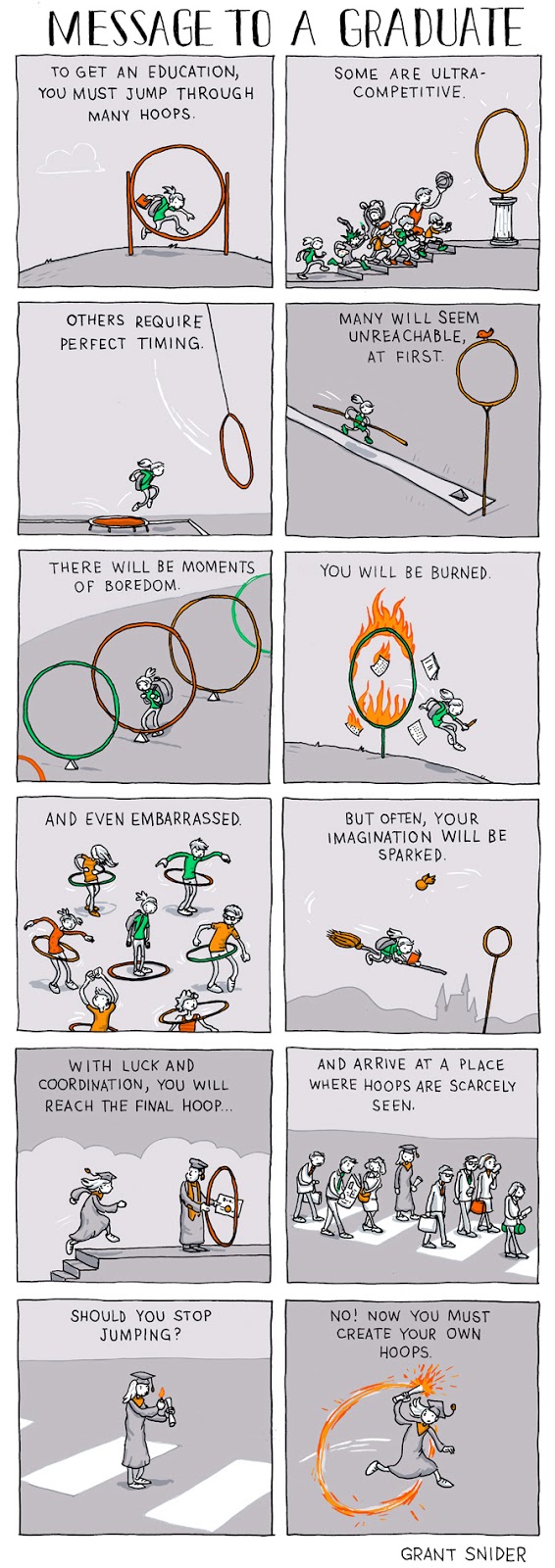
grant snider comuic

Image source: Grant Snider https://www.incidentalcomics.com/2013/05/message-to-graduate.html

Continue reading

What almost derailed you?

We ask academics at the Naturejobs career expo, San Francisco, to name one moment that almost derailed their career.

https://youtu.be/OkDhBqL2A0M

How to combat implicit bias

The habit of implicit bias can be broken, but it takes awareness and behavioural strategies, says a new study.

Guest contributor Viviane Callier

Gender stereotypes affect our attitudes and behaviours, even if we’re unaware of them. But the habit of implicit bias can be broken: an intervention with faculty at the University of Wisconsin helped to break the bias habit, led to an improved department climate for everyone, and increased faculty hires of women and underrepresented minorities, a new study shows.

Bias, perhaps?

Continue reading

The great outdoors

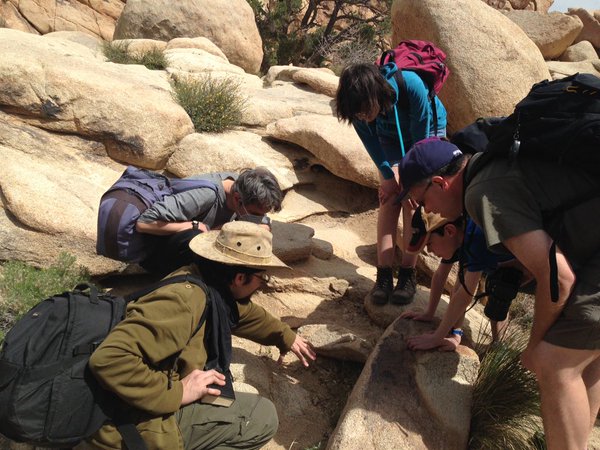
Summer is here in most parts of the world, and that means fieldwork for many junior (and senior) researchers. But journeying afar for days or weeks, though crucial for your research programme, can also mean a lot of prep work, hassle and unforeseen glitches.

{credit}Claire Asher{/credit}

How do you navigate these trips if you have children? What should you expect and prepare for if you’ll be living in close quarters with colleagues whom you may not know very well? How do you handle arduous endeavours like scaling mountains or climbing trees?

Continue reading