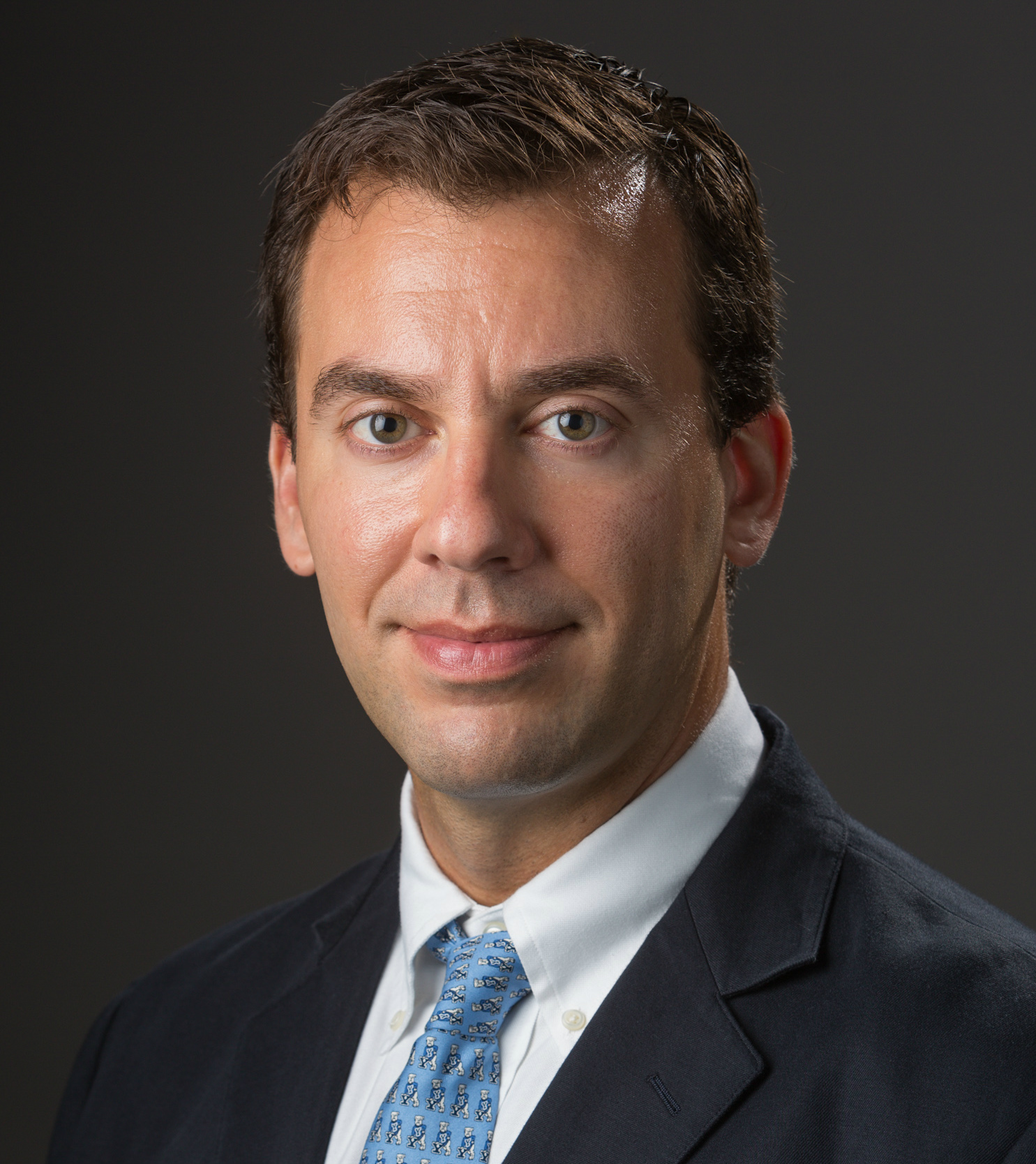
Guest blog by Susan L. Forsburg, recipient of the mid-career 2016 Nature Award for Mentoring in Science.
Professor Forsburg was presented with the award in Los Angeles on 28 November by Sir Philip Campbell, Editor-in-Chief of Nature. These annual awards are hosted by Nature to champion the importance of mentoring and inspiring early-career scientists scientists. You can read the full announcement here.
In this blog, we talked to Susan about the importance of mentoring, her approach, and what this recognition means to her.
{credit}Peter Zhou{/credit}
What does winning this award mean to you?
This is a tremendous honour for me personally! It is also very heartening as it recognizes an unsung and often neglected part of our professional responsibilities, which is the obligation to reach out to peers and junior colleagues and facilitate their success.
Mentoring means different things to different people. How would you describe your approach?
Mentoring is not about giving advice, or telling people what to do. Rather, it is helping people gather information to make their own decisions. First, I use a “vertical strategy” to integrate young scientists into the research process, to connect them with those above and below, and to persuade them to become part of the mentoring process themselves. This is classic mentoring, and can be seen in my support for undergraduate and graduate students, postdoctoral fellows and junior faculty colleagues.
As a complementary strategy, I make extensive use of the internet for writing and networking, which I call “horizontal mentoring”. This approach evolved from my role as a prominent advocate for women in science, and I have become a long distance mentor to several younger scientists. It is the combination of these two approaches, immediate and personal, and long distance and expansive, that define my contributions to promote an inclusive science work force.
How do you encourage or challenge those that you mentor so that they reach their full potential?
There is no one-size-fits-all to mentoring. Mentoring changes according to the level of the mentee and our relationship. For example, I include undergraduates in lab research, to experience research first hand, to strengthen their applications for future training and give them confidence to carry out independent research. For graduate students, my goal is to give them independence, suggest realistic goals and thereby generate a sense of confidence along with expectations of success. For postdocs, I help equip them with the types of sophisticated scientific training and professional savvy to kick-start and then to sustain an independent career. For junior faculty – and especially for women – I have worked to develop career direction, and offer advice on achieving grant savvy and navigating the tenure transition. Importantly, I’m not there to tell them what to do, but help them discover what’s right for them!
In your early career, did you have mentors yourself? What impact did they have on you?
My undergraduate advisor, Richard Calendar at UC Berkeley, was a foundational mentor in my career. Young as I was, he treated me as a colleague, and showed me how much fun science could be! Another important mentor was Thomas Kelly, at Sloan-Kettering. Tom was a sabbatical visitor when I was a postdoc in the UK. We spent lots of time in the pub talking science and drawing models on a napkin with a mechanical pencil, and he really challenged me to think strategically, not just tactically. Those conversations were hugely important for me to learn make the intellectual move to being a PI from experimentalist. Finally, Tom Pollard, now at Yale, was an incredibly generous colleague and collaborator when I was a junior faculty member. He gave me support at a very challenging time and continues to be an advisor…a useful reminder that we are never too old to need our own mentors.
As a woman, do you think it’s important to mentor and develop young female scientists? have you felt a responsibility to do this?
Yes, absolutely. I have been a passionate advocate for women in science for many years, and much of my long-distance mentoring has been internet-based support for young women, dating back to the days of the old Bionet message boards in the early 90s. This is important as women navigate the leaky pipeline, particularly in transitions, for example, from postdoc to PI. Additionally, I have learned that just by being a successful woman PI, I am a role model to people I don’t even know! I love looking around my lab and seeing an incredibly diverse group of men and women from all over the world, who are only limited by their dreams. I get to travel along with them for part of the journey.
Finally, what would you say to other scientists who are considering giving more of their time to mentoring others in labs?
As science becomes increasingly competitive, and jobs and money are tight, we can end up in a hyper-competitive mode. But one of the best parts of science is community. Honestly, most of us dream of making that major discovery—but with rare exceptions, most of those major discoveries will become forgotten as others build upon them. What will be remembered is the quality of person that we are, and the legacy of the people whose lives we affected. Their success is the best part of it.
The writer Christopher Logue wrote a poem about Guillaume Apollinaire that sums up my approach to mentoring:
Come to the edge.
We might fall.
Come to the edge.
It’s too high!
COME TO THE EDGE!
And they came,
And he pushed,
And they flew.