A non-traditional path to a PhD

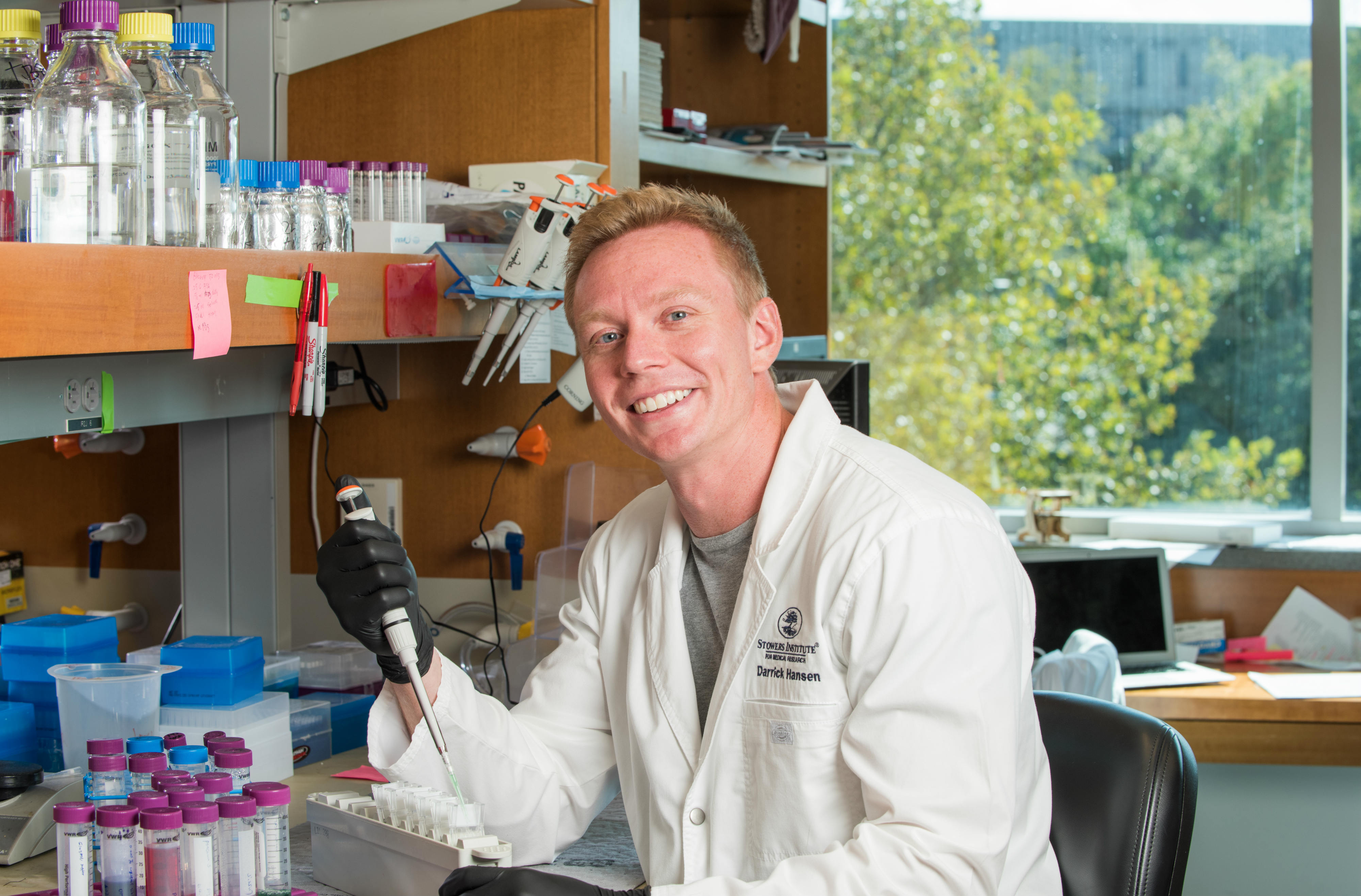
Darrick Hansen explored the world in pursuit of adventure and an undergraduate degree. Now, he sees his PhD program as a chance to explore biomedical mysteries alongside an international community of scientists.

 This post was sponsored by the Stowers Institute

Darrick Hansen has a low threshold for the mundane. On his way to earning his undergraduate degree, he took time off to work in far flung places in between his studies in the US, Singapore, and Scotland.

Derrick Hansen

Derrick Hansen{credit}STOWERS INSTITUTE FOR MEDICAL RESEARCH{/credit}

Continue reading

Why I marched for science – a transatlantic perspective

The March for Science turned a spotlight on the importance of research. But it won’t have a lasting effect unless we improve science communication, says Judith Reichel.

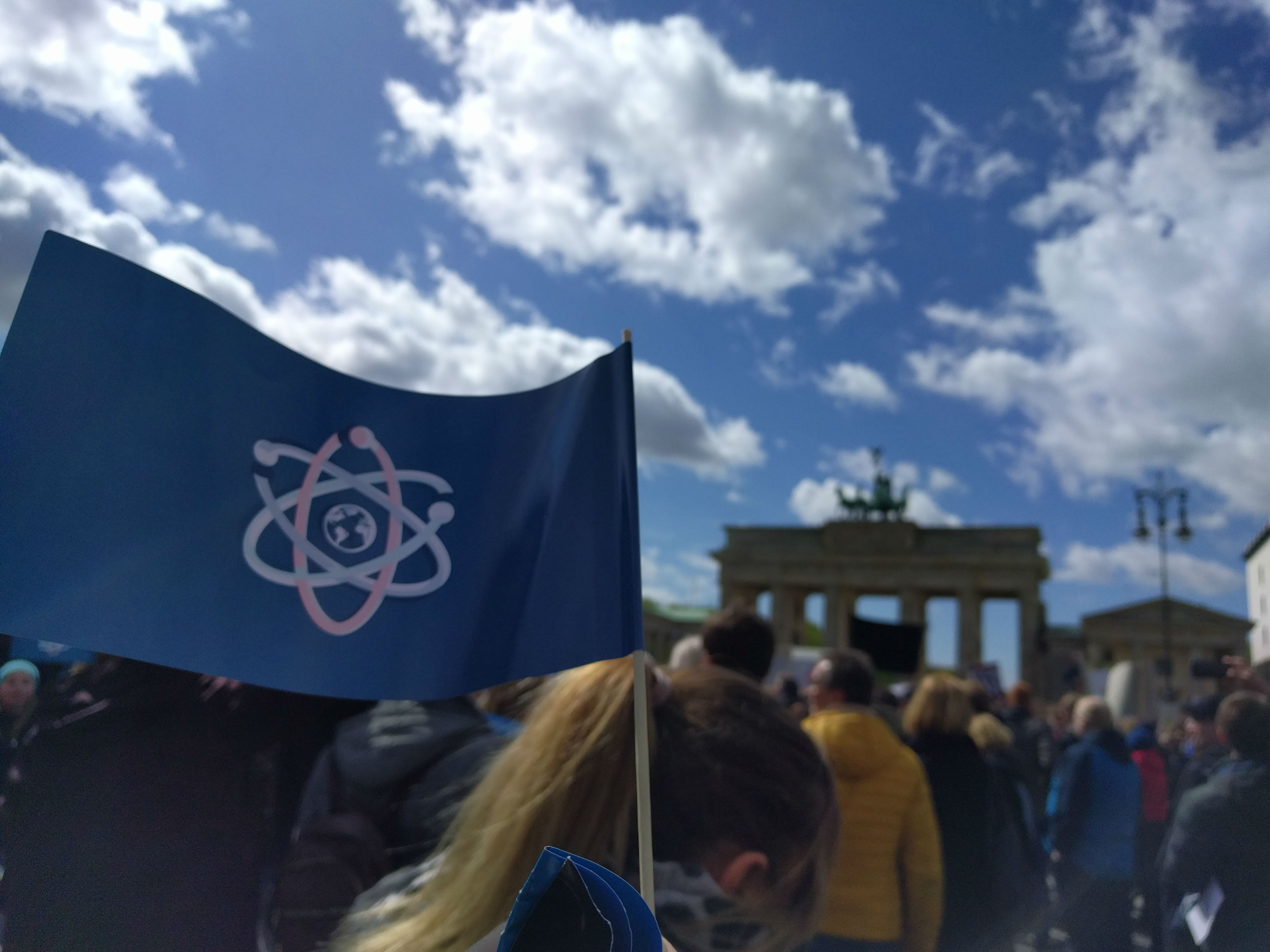
On Saturday, April 22nd, myself and an estimated 11,000 other science supporters marched in Berlin. The event was part of the global “March for Science” that took place in over 600 cities worldwide. While the March here and everywhere else was a great success in putting a spotlight on the importance of research and the danger of building on false facts, I’m worried it won’t have a lasting effect on the public perception of science if we don’t improve our science communication.

MarchforScience-Judith-1-smaller

The March for Science passes the Brandenburg gate in Berlin, Germany

Continue reading

Successful vs. effective research presentations

In a disturbing trend, biomedical researchers can achieve a degree of career success despite an inability to effectively communicate scientific information, say David Rubenson and Paul Salvaterra.


“I have only made this letter longer because I have not had the time to make it shorter.”

– Blaise Pascal, The Provincial Letters, 1657

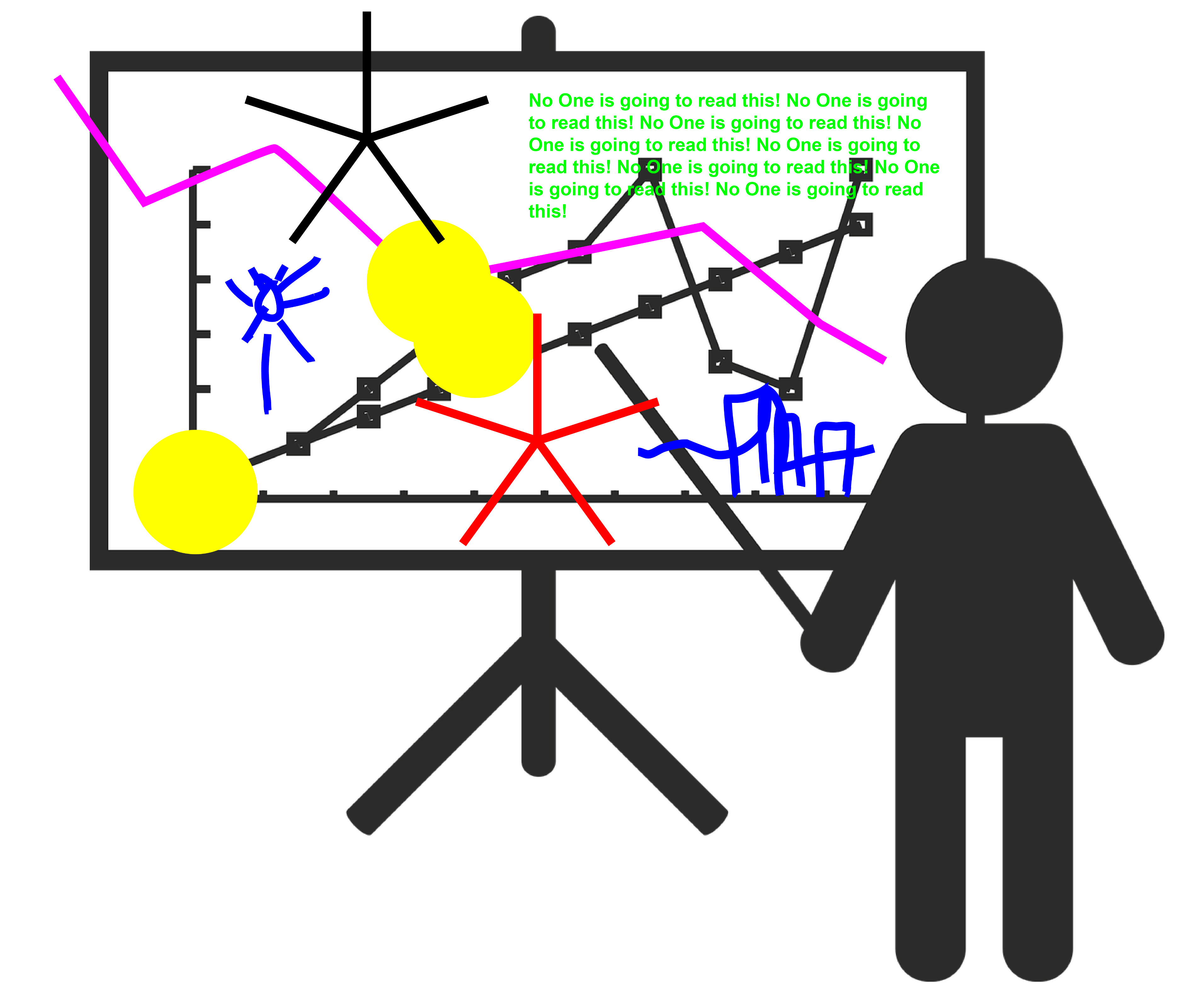
It goes without saying that every biomedical researcher wants to give effective presentations. Or does it? Is a presentation effective if it merely wows the audience with dense data, causes minimal objections, but fails to convey true scientific understanding? While such presentations may provide a degree of career success, they rarely inspire systematic or creative thinking. Scientists are wasting significant time listening to presentations that fail to effectively communicate information.

messy-cropped Continue reading

Coping in the era of cyber-Darwinism

Contributor Simon Peyda

simon peyda

{credit}Credit: Elina Peyda{/credit}

The World Wide Web celebrated a quarter of a century this year. I am old enough to have witnessed the advent of internet and yet vividly remember 8-bit video games, floppy disks, VHS and cassette tapes. They are memories that those born into the social network and smartphone-centred world of today will not share. As a biomedical alumnus, I believe in Charles Darwin’s “Survival of the fittest” theory. Thus I have wondered; how does my generation survive in a labour market when competing with emerging information technological natives?

In a previous NatureJobs entry, Digital tattoos, Shimi Rii made a crucial observation how “we suffer from a lack of web presence”.  “We”, I assume, excludes the youngest generation.  Thus, we must up our IT skills to avoid extinction. In addition, Get Social… for selfish reasons! hit the nail on the head. I have a real life example of this that I wanted to share.

As an experiment, I documented the journey through my studies at Karolinska Institute’s Master degree programme in Biomedicine all the way to graduation day. It began in March two years ago when I submitted my application papers. At the time, I had questions that could be boiled down to “What is the Karolinska experience like?” If I had uncertainties, as a native student, surely there would be others and even international applicants wondering what awaited them, too? I set out an aim to connect curriculum with actual experience through daily blogging. Continue reading