First boron ‘buckyball’ could be used to store hydrogen

Just in time for the World Cup final, researchers have succeeded in building the first ‘buckyballs’  made entirely from boron atoms. Unlike true, carbon-based buckyballs, the boron molecules are not shaped exactly like footballs.  But this novel form of boron might lead to new nanomaterials and could find uses in hydrogen storage.

Robert Curl, Harold Kroto and Richard Smalley found the first buckyball — or buckminsterfullerene — in 1985. The hollow cage, made of 60 carbon atoms arranged in pentagons and hexagons like a football, got its name from the US architect and engineer Richard Buckminster Fuller, who used the same shapes in designing his domes. The discovery opened the flood gates for creating more carbon structures with impressive qualities, such as carbon nanotubes and the single-atom-thick graphene. Since then, materials scientists have also searched for buckyball-like structures made of other elements.

Clusters of 40 boron atoms form a hollow cage similar to the carbon buckyball

Clusters of 40 boron atoms form a hollow cage similar to the carbon buckyball{credit}Wang lab/Brown University{/credit}

In 2007, Boris Yakobson, a materials scientist at Rice University in Houston, Texas, theorized that a cage made of 80 boron atoms should be stable. Another study published just last week predicts a stable structure with 36 boron atoms.

Publishing today in Nature Chemistry, a team led by Lai-Sheng Wang, a chemist at Brown University in Providence, Rhode Island, has become the first to see such a beast — although its structure is slightly different from that predicted. The researchers call their 40-atom molecule borospherene. It is arranged in hexagons, heptagons and triangles.

“We predicted the possibility of B80 fullerene, and now, seven years after, it is remarkable to see experimental evidence,” says Yakobson. “Especially as it is not what any of the theoretical calculations predicted.”

Wang’s team found the structure while looking for analogues of graphene made of boron. They found that clusters of 40 boron atoms seemed to be unusually stable, but they didn’t know what form these clusters were taking. Further calculations and experiments revealed that they had made two stable structures — one an almost flat molecule, the other a hollow, ball-like structure made of tesselated shapes, similar to the carbon buckyball.

In addition to having a less elegant shape, the borosphene balls form a different type of internal bond from their carbon counterparts. This makes them difficult to use as isolated building blocks as they have a tendency interact with each other, but this reactivity may make boron buckyballs good for connecting in chains. It also makes the balls capable of bonding with hydrogen, which the team says could make them useful in hydrogen storage.

Boron is not the first element after carbon to get buckyballed, but the result may be the closest analogue to the carbon variety. Scientists have formed buckyball-like structures out of uranium-based and silicon-based compounds, mutli-walled boron nitride and molybdenum disulphide structures and smaller single-element cages of goldtin and lead. But only boron seems to match the large hollow cage and  symmetry of the original carbon buckyball, says Yakobson.

Kavli Prizes reward cosmic inflation, memory research and imaging

Posted on behalf of Gene Russo.

The 2014 Kavli Prizes, announced today, were shared among nine scientists for their work on the theory of cosmic inflation, for contributions to the field of nano-optics and for the discovery of specialized brain networks for memory and cognition.

The Kavli Foundation has awarded prizes every two years since 2008 in the disciplines of astrophysics, nanotechnology and neuroscience. The prizes are administered in cooperation with the Norwegian Academy of Science and Letters and consists of a cash award of US$1 million, as well as a gold medal.

astro-three

Alan Guth, Andrei Linde and Alexei Starobinsky shared the astrophysics prize.

The prize in astrophysics went to Alan Guth of the Massachusetts Institute of Technology in Cambridge; Andrei Linde of Stanford University in Palo Alto, California; and Alexei Starobinsky of the Landau Institute for Theoretical Physics at the Russian Academy of Sciences near Moscow. The three earned the award for pioneering work on the theory of cosmic inflation, which holds that the Universe underwent a short-lived phase of exponential expansion soon after it came into existence.

Studies of inflation now occupy thousands of theorists. Indeed, recently reported results seemed to suggest that scientists had found the imprint of the Big Bang by examining cosmic microwave background using the BICEP2 telescope; those results, however, have now been called into question.

nano-three

Thomas Ebbesen, Stefan Hell and John Pendry shared the nanotechnology prize.

For the field of nanoscience, the Kavli prizes went to Thomas Ebbesen of the Université Louis Pasteur in Paris; Stefan Hell of the Max Planck Institute for Biophysical Chemistry in Göttingen, Germany; and John Pendry of Imperial College London. The three countered long-held beliefs about the resolution limits of optical imaging and microscopy, showing that light can interact with nanostructures smaller than light’s wavelength. Previous convention had suggested that only details larger than approximately 200 nanometres could be imaged. In a press release, the Kavli Foundation calls this ability to see and image nanoscale objects “a critical prerequisite to further advances in the broader field of nanoscience”.

Ebbesen’s experiments in the late 1990s, which challenged accepted theory of light propagation through small holes, led to new means of increasing the efficiency and spatial focus of photonic devices and the sensitivity of optical sensors. Hell developed a technique that enables imaging at dimensions much smaller than optical wavelengths, including the processes in living cells. Pendry developed a model for the ‘perfect lens’, or superlens, using materials such as silver, gold and copper. Pendry is most famous for developing the concept of an invisibility cloak, which, like perfect lenses is based on the use of ‘metamaterials’ that have a negative index of refraction (see ‘Invisibility cloaks are in sight‘).

neuro-three

Brenda Milner, John O’Keefe and Marcus Raichle shared the neuroscience prize.

Kavli awarded prizes for neuroscience to Brenda Milner of McGill University in Montreal, Canada; John O’Keefe of University College London; and Marcus Raichle at the Washington University School of Medicine in St Louis, Missouri. Through a variety of research techniques, these neuroscientists elucidated how specialized nerve cells perform different functions and revealed details about brain regions involved in memory. The Kavli announcement notes that memory “defines who we are” and that “loss of memory can have devastating effects on an individual’s personality”.

Milner studied a celebrated patient known as H.M. and others who had incurred brain damage, and found that the medial temporal lobes are necessary for the formation of what is now known as episodic memory. O’Keefe showed that the hippocampus contains neurons that encode an animal’s specific location. And Raichle designed methods for visualizing the brain’s activity.

The Kavli Foundation, based in Oxnard, California, was established in 2000 by Norwegian-born entrepeneur Fred Kavli (1927–2013), and funds more than a dozen Kavli Institutes around the world.

The award ceremony will take place in Oslo on 9 September.

Pictures courtesy of Kavli Foundation (Guth); Linda A. Cicero/Stanford University (Linde); Landau Institute/RAS (Starobinsky); Eirik Furu Baardsen (Ebbesen); Bernd Schuller/Wikimedia Commons (Hell); Mike Finn-Kelcey/Imperial College London (Pendry); Owen Egan/McGill University (Milner); Kavli Foundation (O’Keefe and Raichle).

How to make graphene in a kitchen blender

Graphene

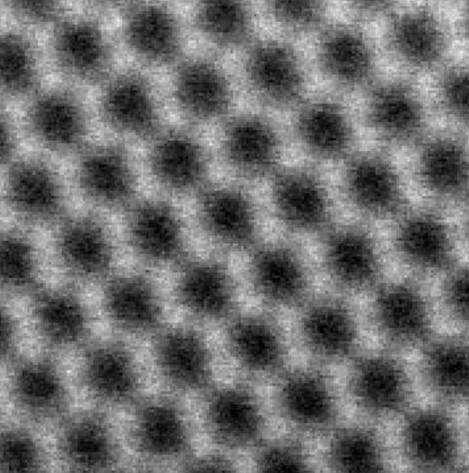
Atomic resolution, scanning transmission electron microscope image of part of a nanosheet of shear exfoliated graphene. Credit: CRANN/SuperSTEM

Don’t try this at home. No really, don’t: it almost certainly won’t work and you won’t be able to use your kitchen blender for food afterwards. But buried in the supplementary information of a research paper published today is a domestic recipe for producing large quantities of clean flakes of graphene.

The carbon sheets are the world’s thinnest, strongest material;  electrically conductive and flexible; and tipped to transform everything from touchscreen displays to water treatment. Many researchers — including Jonathan Coleman at Trinity College Dublin — have been chasing ways to make large amounts of good-quality graphene flakes.

In Nature Materials, a team led by Coleman (and funded by the UK-based firm Thomas Swan) describe how they took a high-power (400-watt) kitchen blender and added half a litre of water, 10–25 millilitres of detergent and 20–50 grams of graphite powder (found in pencil leads). They turned the machine on for 10–30 minutes. The result, the team reports: a large number of micrometre-sized flakes of graphene, suspended in the water.

Coleman adds, hastily, that the recipe involves a delicate balance of surfactant and graphite, which he has not yet disclosed (this barrier dissuaded me from trying it out; he is preparing a detailed kitchen recipe for later publication). And in his laboratory, centrifuges, electron microscopes and spectrometers were also used to separate out the graphene and test the outcome. In fact, the kitchen-blender recipe was added late in the study as a bit of a gimmick — the main work was done first with an industrial blender (pictured).

Blender

Five litres of suspended graphene (in an industrial blender). Credit: CRANN.

Still, he says, the example shows just how simple his new method is for making graphene in industrial quantities. Thomas Swan has scaled the (patented) process up into a pilot plant and, says commercial director Andy Goodwin, hopes to be making a kilogram of graphene a day by the end of this year, sold as a dried powder and as a liquid dispersion from which it may be sprayed onto other materials.

“It is a significant step forward towards cheap and scalable mass production,” says Andrea Ferrari, an expert on graphene at the University of Cambridge, UK. “The material is of a quality close to the best in the literature, but with production rates apparently hundreds of times higher.”

The quality of the flakes is not as high as that of the ones the winners of the 2010 Nobel Prize in Chemistry, Andre Geim and Kostya Novoselov from Manchester University, famously isolated using Scotch Tape to peel off single sheets from graphite. Nor are they as large as the metre-scale graphene sheets that firms today grow atom by atom from a vapour. But outside of high-end electronics applications, smaller flakes suffice — the real question is how to make lots of them.

Although hundreds of tons of graphene are already being produced each year — and you can easily buy some online — their quality is variable. Many of the flakes in store are full of defects or smothered with chemicals, affecting their conductivity and other properties, and are tens or hundreds of layers thick. “Most of the companies are selling stuff that I wouldn’t even call graphene,” says Coleman.

The blender technique produces small flakes some four or five layers thick on average, but apparently without defects — meaning high electrical conductivity. Coleman thinks the blender induces shear forces in the liquid sufficient to prise off sheets of carbon atoms from the graphite chunks (“as if sliding cards from a deck”, he explains).

Kitchen blenders aren’t the only way to produce reasonably high-quality flakes of graphene. Ferrari still thinks that using ultrasound to rip graphite apart could give better materials in some cases. And Xinliang Feng, from the Max Planck Institute for Polymer Research in Mainz, Germany, says that his recent publication, in the Journal of the American Chemical Society, reports a way to produce higher-quality, fewer-layer graphene at higher rates by electrochemical means. (Coleman points out that Thomas Swan have taken the technique far beyond what is reported in the paper.)

As for applications, “the graphene market isn’t one size fits all”, says Coleman, but the researchers report testing it as the electrode materials in solar cells and batteries. He suggests that the flakes could also be added as a filler into plastic drinks bottles — where their added strength reduces the amount of plastic needed, and their ability to block the passage of gas molecules such as oxygen and carbon dioxide maintains the drink’s shelf life.

In another application altogether, a small amount added to rubber produces a band whose conductivity changes as it stretches — in other words, a sensitive strain sensor. Thomas Swan’s commercial manager, Andy Goodwin, mentions flexible, low-cost electronic displays; graphene flakes have also been suggested for use in desalination plants and even condoms.

In each case, it has yet to be proven that the carbon flakes really outperform other options — but the new discoveries for mass-scale production mean that we should soon find out. At the moment, an array of firms is competing for different market niches, but Coleman predicts a thinning-out as a few production techniques dominate. “There are many companies making and selling graphene now: there will be many fewer in five years’ time,” he says.

Obama launches multibillion-dollar brain-map project

US President Barack Obama today officially launched an ambitious multi-year project to probe the human brain in action. In a preview of his 2014 budget request, expected next week, he said he would ask Congress for about US$100 million to get the Brain Research through Advancing Innovative Neurotechnologies (BRAIN) Initiative off the ground.

The ambitious plan, originally dubbed the Brain Activity Map, created a buzz when word of it crept out ahead of schedule in February. With big backers in the White House, such as Tom Kalil at the Office of Science and Technology Policy (see ‘Behind the scenes of a brain-mapping moon shot‘), it seemed as though the project had the chance of becoming a signature administration initiative. This morning in the grand East Room of the White House, Obama left little doubt of that, comparing the BRAIN Initiative to the US quest to put a man on the Moon and calling it “the next great American project”.

Between our ears, he said, “there is this enormous mystery waiting to be unlocked, and the BRAIN Initiative will change that by giving scientists the tools they need to get a dynamic picture of the brain in action.”

Current technology allows scientists to record the activity of up to hundreds of neurons in action. The BRAIN Initiative aspires to map the function of thousands or hundreds of thousands of neurons simultaneously, as they function at the speed of thought. Obama acknowledged the difficulties involved, but said: “Think about what we could do once we do crack this code.” He imagined an amputee playing the piano or throwing a baseball, people fully recovering after a stroke or traumatic brain injury and cures for autism and Alzheimer’s disease.

Significantly, the White House has engaged Cori Bargmann, a neuroscientist at Rockefeller University in New York, to co-chair a National Institutes of Health (NIH) committee that will develop a detailed scientific plan for the project including timetables, milestones and cost estimates. (Neurobiologist William Newsome of Stanford University will be the other co-chair.) Bargmann had been one of the proposed project’s vocal critics, suggesting to Nature that it represented “central planning inside the [Washington, DC] Beltway” and worrying whether it would crowd out “bottom-up”, investigator-initiated research.

The president’s 2014 budget, due for release as soon as next week, will request $50 million in funding for the BRAIN initiative through the Defense Advanced Research Projects Agency; $40 million from the NIH, mainly through an existing multi-institute initiative called the NIH Blueprint for Neuroscience Research; and $20 million from the National Science Foundation. Details on the kind of work that each agency will contribute are available on this fact sheet. The project is expected to cost billions of dollars over more than a decade.

The White House also noted its plans to collaborate with private foundations that are already at work in dynamic brain-mapping efforts. It highlighted commitments from the Allen Institute for Brain Science in Seattle ($60 million annually over four years); the Howard Hughes Medical Institute’s campus at Janelia Farm in Ashburn, Virginia (at least $30 million annually); the Kavli Foundation in Oxnard, California, whose original efforts brought the project to the White House’s attention ($4 million annually for ten years); and the Salk Institute for Biological Studies in San Diego, California, which has committed $28 million.

Letter bomb threat rattles Mexican biotechnology lab

Posted on behalf of Michele Catanzaro.

A letter containing explosive material was delivered on 11 February to the Institute of Biotechnology of the National Autonomous University of Mexico (UNAM) in Morelos. Federal authorities are investigating whether the attempted attack was connected to the chain of letter bombs sent to Mexican research institutes beginning in 2011.

Continue reading

Dutch nanoscientists get €51 million to push limits

Posted on behalf of Sonja van Renssen.

A new €51-million (US$65 million) nanoscience programme in the Netherlands is setting out to identify and redraw the boundaries of nanotechnology. The ‘NanoFront’ project has won the lion’s share — €36 million — of a new €167-million pot of fundamental science-research funding in the Netherlands, one of the country’s largest ever. The two universities behind the project, Delft University of Technology (TU Delft) and the University of Leiden, are topping this up with €15 million of their own.

The goal of the new 10-year programme is threefold: to investigate the limits of the quantum world of materials, to understand the tiniest building blocks of living cells and to develop new technologies to be able to videos the nano world in real time.

“We will be observing, monitoring and developing material at the ultimate scale: atom for atom, in a way that was completely inconceivable a few years ago,” says research leader Cees Dekker, director of the Delft Kavli Institute at TU Delft. This institute recently discovered the Majorana fermion particle, which could help deliver future quantum computers.

NanoFront’s goal is to move beyond pure science to real physical applications. It will seek to answer questions such as: how big can a quantum object get before it stops obeying the laws of quantum mechanics? One of the goals is to explore building computer circuits out of molecules, which would enable much faster processing than exists today.

On the bio-nanoscience side, the aim is to understand how biology works at the quantum level: how do living and dead matter interact at the atomic scale? The researchers in Delft and Leiden want to study life’s tiniest components, try making their own and finally come up with a tool kit for building a basic cell. Personalized medicine would be one beneficiary.

‘The goal is to both explore and exploit nanoscience,” sums up Dekker. He expects NanoFront to create around 100 new positions, including seven for prominent international scientists.

‘Virus-like’ nanoparticle built to target tumours

A self-assembling nanoparticle designed to target tumour cells as a virus would was unveiled today.

Viruses are extremely effective at targeting cells and delivering proteins into them. Mimicking a virus should therefore be a very useful way to deliver drugs to cancerous cells.

This morning at the American Chemical Society’s annual fall meeting in Philadelphia, Pennsylvania, Yuhong Chen presented data on a fully synthetic self-assembling virus-like nanoparticle. These particles fuse with cells “like real viruses”, notes Chen’s abstract. Chen, a chemist at the National Cancer Institute in Frederick, Maryland, gave a presentation on these particles before I arrived in the city. But earlier this week, his fellow researcher Nadya Tarasova explained some of the thinking behind them.

Tarasova, head of the Synthetic Biologics Core at the National Cancer Institute, notes that viruses are perfect delivery systems because they self-assemble and enter cells using receptors on cell surfaces.

To mimic a virus, the team used amino acids to build a molecule that resembles a known protein that spans cell membranes. In a paper in the Proceedings of the National Academy of Sciences (PNAS), the team previously described how these proteins self-assemble into spherical nanoparticles in solution. Now the team has gone further, showing that these nanoparticles can fuse with cells through receptors. By incorporating compounds into their nanoparticles that normally bind prostate tumour cells, their virus-mimic selectively targets these cells.

These nanoparticles were shown in the PNAS paper to hamper tumour growth in vivo. But the real trick is that they can be used to encapsulate drugs, meaning that a synthetic virus-like particle could be created to target cancer cells and then deliver a chemotherapy payload precisely to the tumour.

Creating virus-like nanoparticles using synthetic chemistry allows a huge degree of control over the particles’ properties such as their size and shape, says Tarasova. The team’s particles assemble with remarkable precision, and the researchers are now working on getting the nanoparticles into an animal model.

“In several respects, we outdid nature,” says Tarasova.

Kavli Prizes for researchers who probed Kuiper Belt, phonons and human perception

The 2012 Kavli Prizes have been awarded to researchers who discovered the Kuiper Belt, probed the phonon and shaped our knowledge of the processes underpinning human perception.

Michael Brown, David Jewitt and Jane Luu have been awarded the 2012 astrophysics prize for their work on the Kuiper Belt. The prize committee says that their research on discovering and characterizing the belt “led to a major advance in the understanding of the history of our planetary system”.

Jewitt, of the University of California, Los Angeles, and Luu, of the Massachusetts Institute of Technology (MIT) Lincoln Laboratory in Lexington, were just yesterday awarded the Shaw Prize for this work, which included detecting the first object in what is now called the Kuiper Belt and then adding many more. Brown, of the California Institute of Technology in Pasadena, built on this to detect Eris, a planet-sized body in the belt.

The neuroscience prize was also split three ways, between Cornelia Bargmann, Winfried Denk, and Ann Graybiel, for their work on the neuronal mechanisms underpinning perception and decision making. Bargmann, of the Rockefeller University in New York, is cited for her work with nematodes; Denk, of the Max Planck Institute for Medical Research in Heidelberg, Germany, for his research on how information is transmitted from eye to brain; and Graybiel, of MIT, for work on habitual behaviours.

The Kavli nanoscience prize goes to Mildred Dresselhaus of MIT in Cambridge, who worked on synchronized vibrations at the atomic level known as phonons, and their interaction with electrons. “Over more than five decades, Dresselhaus has made multiple advances in helping to explain why the properties of materials structured at the nanoscale can vary so much from those of the same materials at larger dimensions,” says a statement from the prize team.

The Kavli prizes are awarded every two years by the Norwegian Academy of Science and Letters, the Kavli Foundation and the Norwegian Ministry of Education and Research. Winners receive a gold medal, a scroll and a share of US$1,000,000 in each category.

CORRECTED 1/6 – This blog originally listed Luu as being at MIT in Cambridge. In fact she is at MIT’s Lincoln Laboratory in Lexington.

US materials initiative gains momentum

A gathering of industrial and academic leaders has unveiled a flurry of new projects under the umbrella of the Materials Genome Initiative (MGI), a US government effort to boost progress in advanced materials research.

Of the 15 projects announced today, some provide funding for materials research, including US$17.3 million towards basic materials research from the Department of Defense and a new grant programme from the National Science Foundation (NSF) called Designing Materials to Revolutionize and Engineer Our Future. The NSF plans to announce awards later this summer. Other projects involve commitments by individual companies and universities to collaborate and share data and broader projects drawing on a number of national labs and agencies. They include:

  • a joint effort by Harvard University in Cambridge, Massachusetts, and the Champaign, Illinois-based software company Wolfram Research to simulate structures made from some 7 million organic molecules, with open public access to the results;
  • a consortium led by Bethesda, Maryland-based Lockheed Martin that will accelerate the development of carbon nanostructures;
  • the establishment of a Joint Materials Genome Institute sponsored by the Argonne, Lawrence Berkeley and Oak Ridge US national laboratories; and
  • a programme to predict the properties of nanomaterials under another multi-agency programme, the National Nanotechnology Initiative.

Cyrus Wadia, assistant director for clean energy and materials research and development at the US Office of Science and Technology Policy, which organized the workshop, says that the projects reflect an encouraging convergence of interests around the MGI. “Behind the scenes, there is a robust inter-agency process,” Wadia told Nature in an e-mail. “This work is creating a strong foundation for both current programs as well as future programs and commitments.”

A handful of other institutions have already shown support for the MGI. Earlier this year, the Department of Energy committed $12 million for materials research and $14.2 million towards improving fuel efficiency through methods such as “lightweighting” or developing new materials to make cars physically lighter.

The Obama administration has proposed a roughly $90-million budget for MGI-related activity in 2013, but Wadia stresses that this does not express the full leverage across existing science-agency budgets.

Research strategy urged on risks of nanotechnology

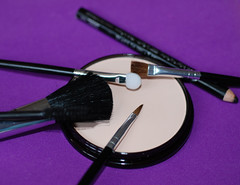
A selection of CosmeticsCalls for high-quality research into the risks of nanotechnology date back as far as the field itself,  but now one august body has added its voice. In a report released today the US National Academy of Sciences (NAS) calls for a more coordinated research strategy to cover open questions as basic as how many nanoparticles of different kinds are being released into the environment, and who is being exposed to them. “There are some significant gaps that we need to address in order to move forward,” says Rebecca Klaper, an ecologist at the University of Wisconsin-Milwaukee who served on the authoring committee.

The report also criticizes the US National Nanotechnology Initiative (NNI), which since 2000 has coordinated operations at the many US agencies that fund nanomaterials-risks research, focusing on the NNI’s dual role in promoting nanotechnology while also overseeing research on its risks. Klaper says that the NNI was founded to promote job creation in industries that use nanotechnology, such as cosmetics and car manufacturing. “There’s a potential conflict,” she says. The NAS panel is urging that the promotional activity be separated from the oversight of research into risks. It also says the NNI needs additional budgetary authority to shepherd some of the US$120 million that the US now spends piecemeal on nanomaterials-risk research in a larger, better coordinated effort. Research would also benefit from a small funding increase of around $22 million–$24 million per year, the panel says.

A spokeswoman for NNI says, “we see no inherent conflict of interest in the NNI’s focus on the responsible development of nanotechnology.” She adds that the NNI believes the current approach to shared budgetary responsibilities has been very effective and that the new authority recommended by the report would require action by the US Congress.

A report issued by the NNI in 2011 released a research strategy for nanotechnology but the NAS did not look at that as part of its study, which the spokeswoman says is unfortunate, as the NNI has already covered many of the elements the study calls for.

In December, Nature reported on concerns over the standards and quality of the nanotoxicology literature. As did the experts quoted in that story, the NAS called for accelerated development of standard reference materials so that researchers can calibrate the materials they are testing relative to one another.

Image by incurable_hippie on Flickr under Creative Commons.