Generic tips for your approach to a grant application

By Kate Christian

Guest contributor Eli Lazarus
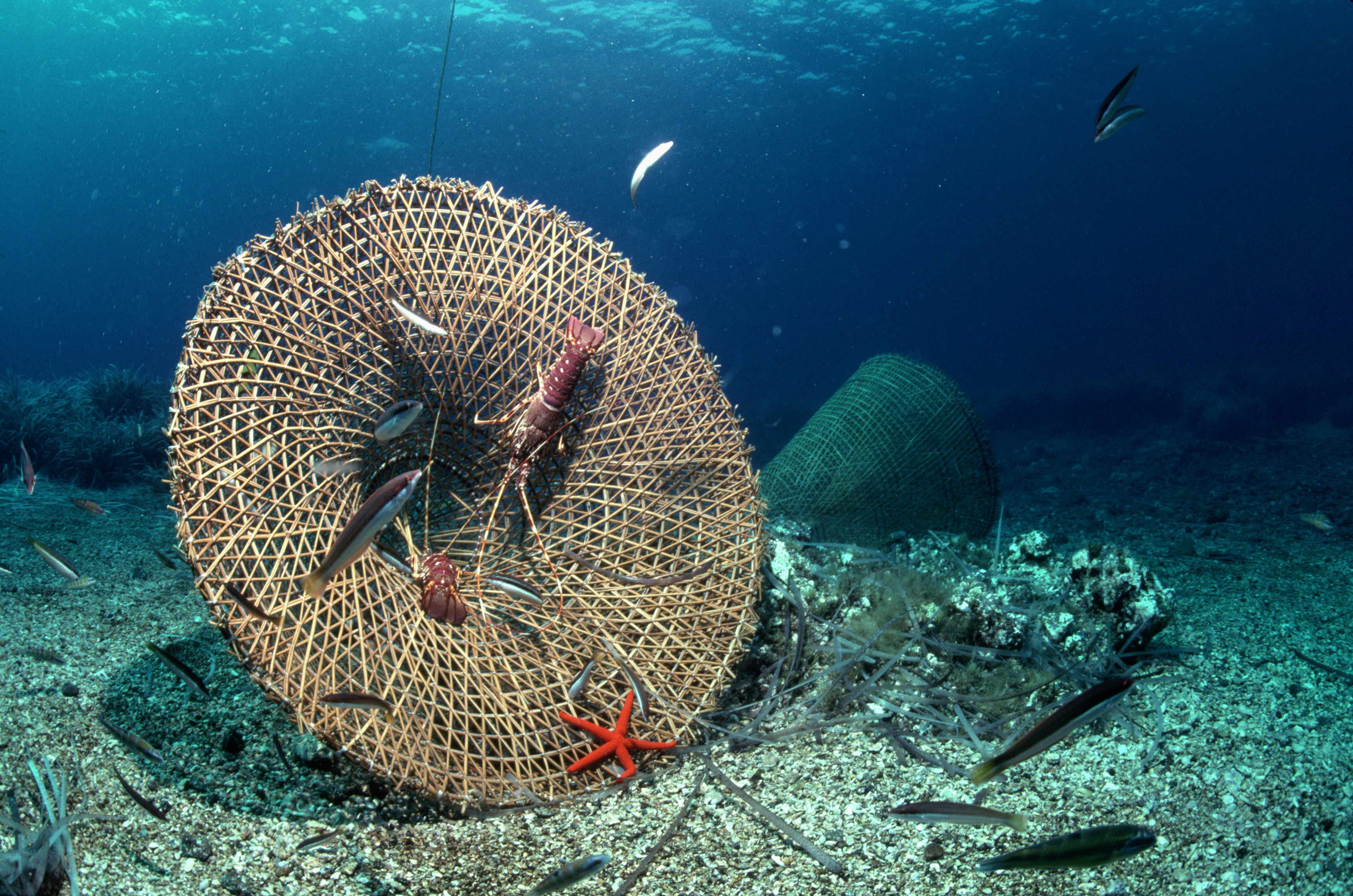
I recently found a short article my father wrote for National Fisherman, in 1988, which reported on a new kind of lobster trap with a “catch escape panel” aimed at reducing bycatch. My dad had a steady freelance gig at the time with National Fisherman, and the article was one of several he wrote while researching “ghost traps” – lobster traps, specifically, but really any lost fishing gear (nets, lines) that disappears underwater for reasons random, accidental, or deliberate.
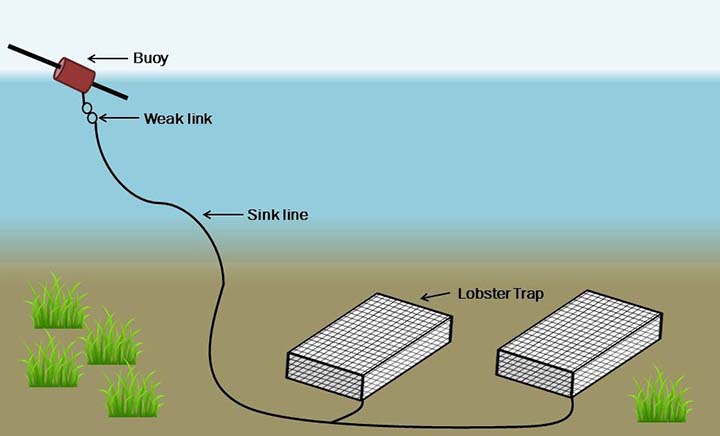
With lobster traps, it’s easy to imagine what happens. To retrieve traps and the lobsters in them, a fisher works her way along from floating buoy to buoy. Each is connected to a heavy “sink line” that is in turn fixed to a trap, which sits on the seabed, catching lobsters. If something – a propeller from a passing boat, for example – parts the sink line, then the buoy drifts off with the current and the trap is lost.
{credit}Getty images/Jeff Rotman Photography{/credit}
Having been awarded a faculty position at the University of Colorado, newly minted assistant professor Kate Smith is preparing to move from to the US from the UK. Here, she describes her experience of tenure interviews, how to maintain a passion for research and, crucially, how to find the elusive off-switch from science.

Having done a PhD, I know the pressures of academic research and how crucial it is for early career researchers to gain advice and encouragement from the success stories of others, like Kate. I caught up with her to see what advice she would give to others curious about the tenure track.
Staying and working in academia is a good career choice but finding the right position in academia is still a tricky thing. Blanket-applying to as many positions as you can find and crossing your fingers isn’t going to cut it. Recently, I managed to crack some of my own postdoc interviews. Here’s what I learnt.
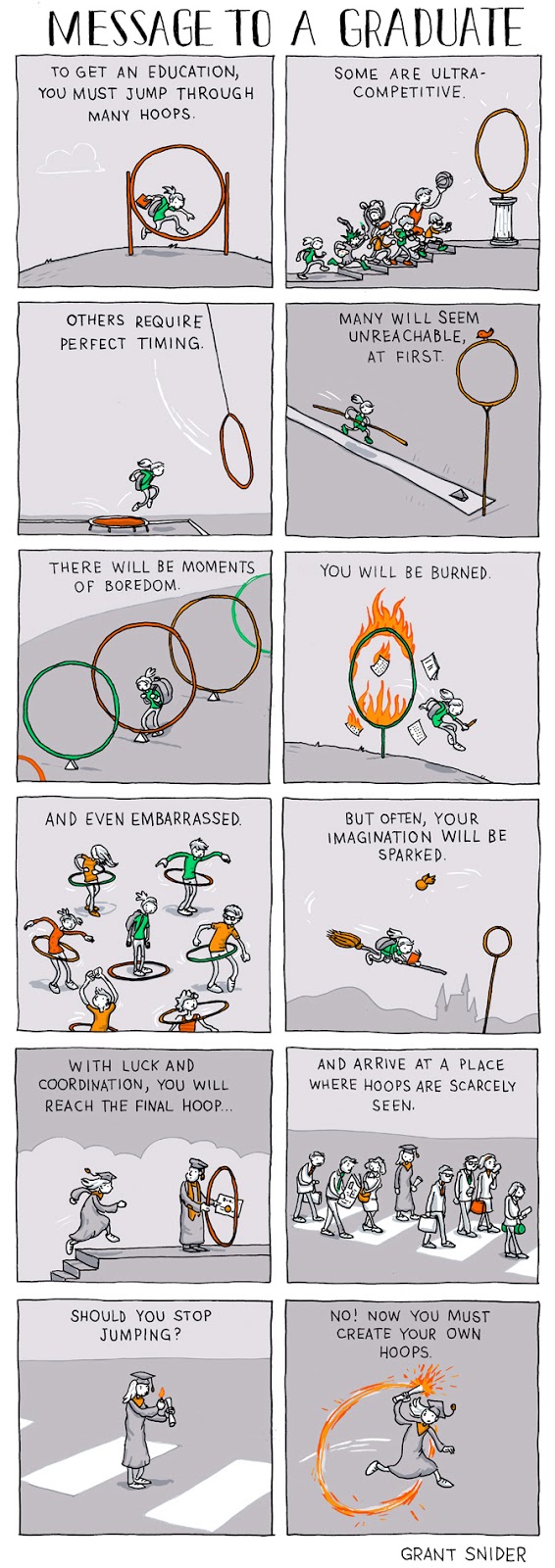
Image source: Grant Snider https://www.incidentalcomics.com/2013/05/message-to-graduate.html
Contributor Aimee Eckert

{credit}Courtesy of Aimee Eckert{/credit}
When I started my first year of A-Levels, my father sat my younger sister and I down and told us he was terminally ill. Despite surviving previous tumours of the throat and lymph, cruelly and almost mockingly, a melanoma scattered its metastases and took residence in his brain. I cannot remember much of that conversation apart from that he might ‘have a year left.’ After the most courageous fight imaginable, he passed away at home eight months later in May, aged only 43 years old.
Biology has always been a passion for me, as during school I was astounded by how the individual units of our bodies – our cells – work, and what goes wrong in the event of disease. My family’s experience was a key factor in cementing my decision to study cell biology at university and pursue a scientific career. However, due to the prevalence of cancer (in the UK, 1 in 3 people will be diagnosed with it) my story is far from unique; throughout my undergraduate and now postgraduate study, I continue to meet people who have had extremely similar experiences. This has reinforced the fact that I am not alone and it is a powerful source of inspiration when lab work gets stressful.
When it was time for me to apply for PhD positions, questions that needed to be answered on the application forms and personal statements included ‘why do you want to do a PhD?’ and ‘why are you interested in this area of research?’ For me, thinking about my father helped me describe my motivation and discipline and to write a strong application. I was concerned as to whether it was appropriate to briefly mention my experience of cancer in PhD applications. I imagined unpleasant images of my application going straight into the ‘No’ pile if I did. In the end, I decided that what had happened to my family was relevant: it had contributed to my development as a scientist and that the laboratories I was applying to should know about it. Continue reading