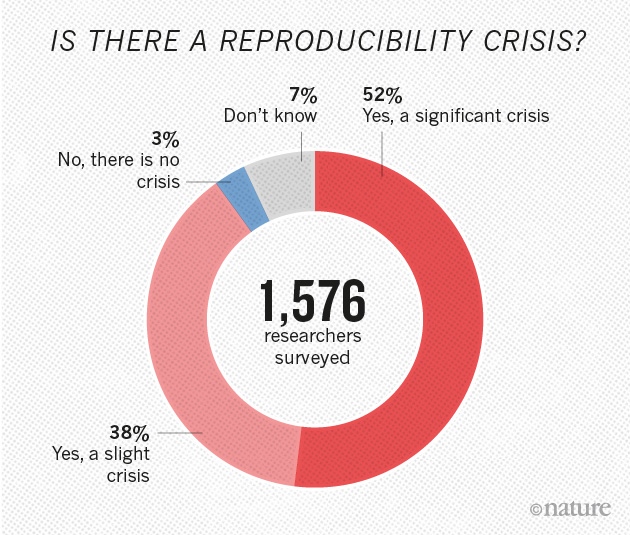
To improve reproducibility, listen to graduate students and postdocs

The National Institutes of Health (NIH) should implement a national exit interview portal to collect feedback from mentees on their experiences.

Funding agencies should not penalize poor performers; instead they should reward good mentorship, says Ahmed Alkhateeb

Continue reading

Marketing yourself, politics and post-truth

Successful marketing can land you your dream job, but does this really mean you are the best person for the role?

Achieving your dream job is always going to be a bit of a challenge. You may have a great degree, and maybe relevant experience, but getting your potential employer to believe you are absolutely the right person for the job means marketing yourself correctly. This can be tricky, particularly if you are starting off new in a field with no established reputation behind you.

Continue reading

Back to basics: Cracking an academic interview

Mit Bhavsar runs through some simple tips he learnt in his quest for an academic position.

Staying and working in academia is a good career choice but finding the right position in academia is still a tricky thing. Blanket-applying to as many positions as you can find and crossing your fingers isn’t going to cut it. Recently, I managed to crack some of my own postdoc interviews. Here’s what I learnt.

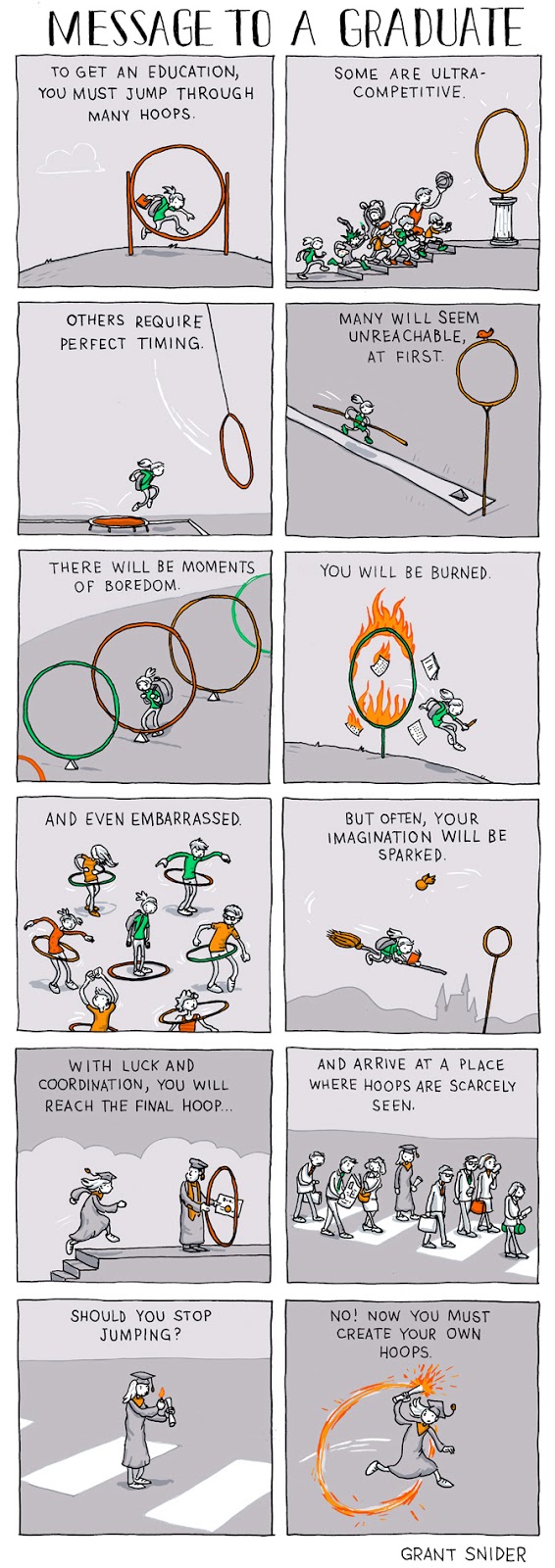
grant snider comuic

Image source: Grant Snider https://www.incidentalcomics.com/2013/05/message-to-graduate.html

Continue reading

Careers in industry: Medicine maker

Pauline Williams shares her thoughts on her career outside of academia.

As a junior doctor working in geriatrics, I could never have imagined that in 20 years time I would have led the development of a medicine which has the potential to save hundreds of thousands of babies’ lives.


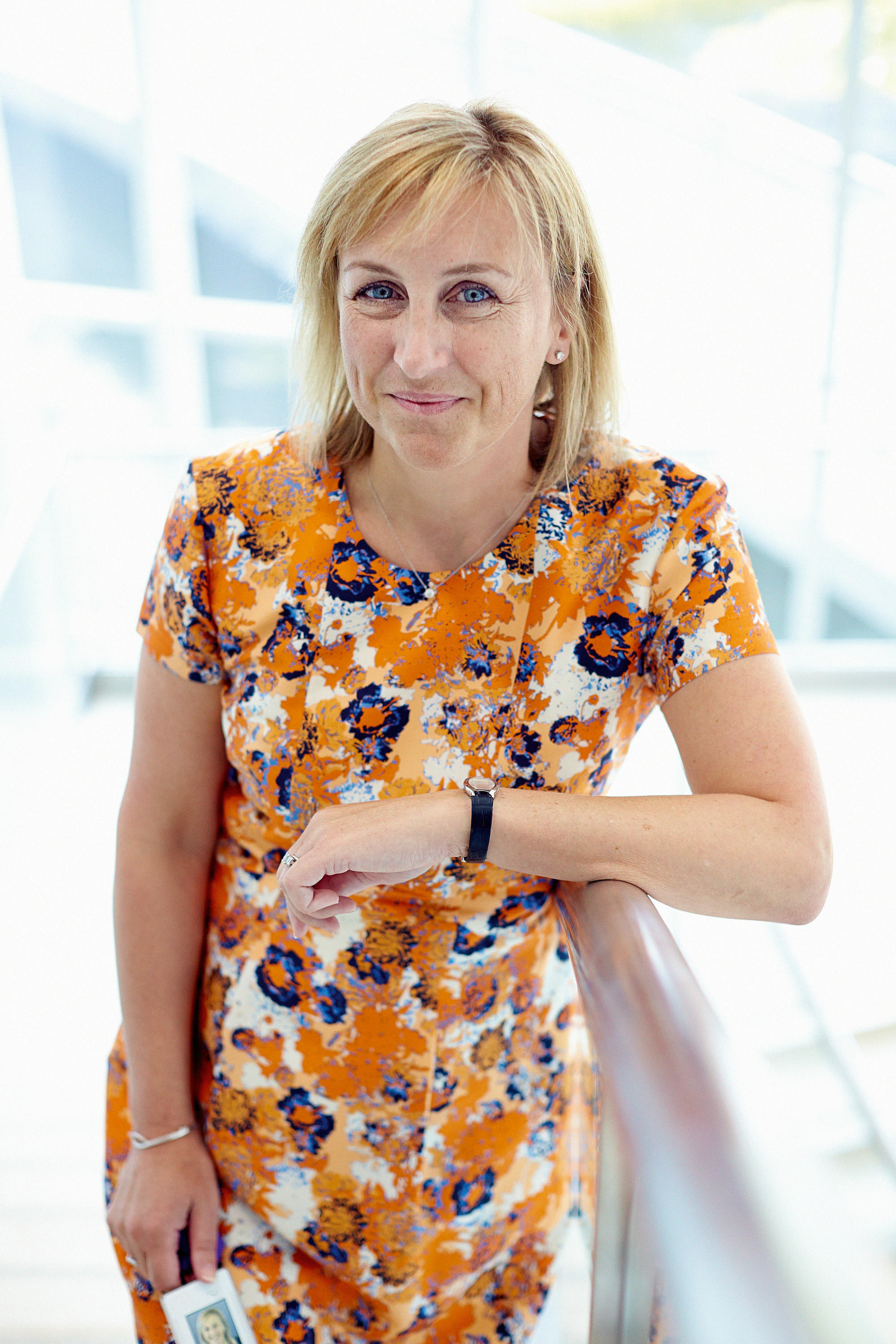
Pauline Williams

Pauline Williams

Continue reading

The faculty series: A case study

Be pro-active and prepare for long shifts if you want to land a lectureship. That’s how Samantha Terry did it.

Guest contributor Samantha Terry

I have been a scientific researcher for the past 10 years and started as a lecturer at King’s College London in September 2015. Friends said I did well to land my dream job at 30 at a great university. They’re right; but it wasn’t an easy road to get to where I am today.

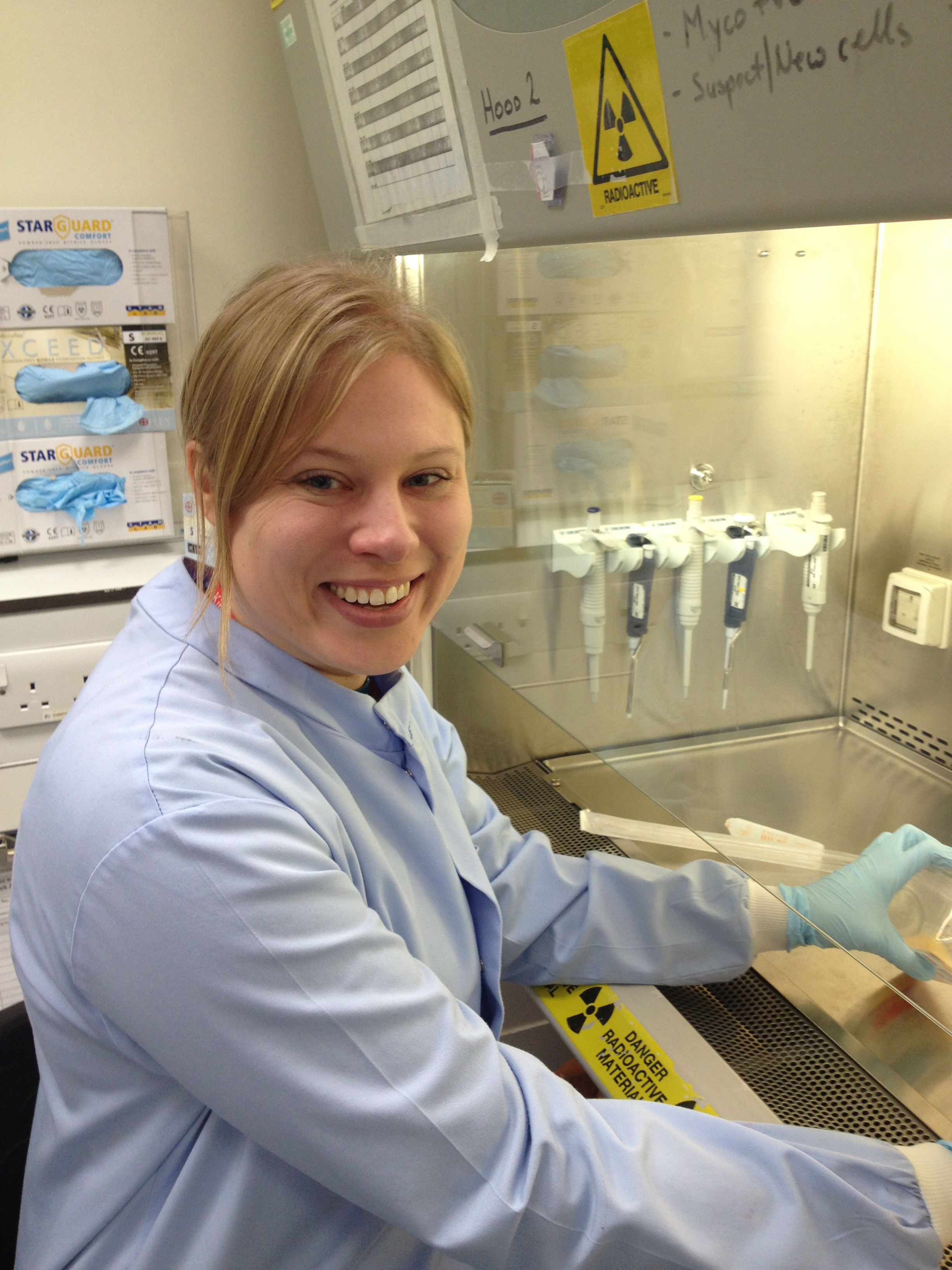
photo me in lab-2

Samantha in her lab

I completed my undergrad in cell biology in 2006, went straight into a 3-year PhD in radiobiology, and then completed three short postdocs at the University of Oxford, at the Radboud University Medical Centre in the Netherlands and finally at King’s College London.

As with any job, during my postdoc I was surrounded by friends and colleagues who, like me, all wanted to move up and land that most sacred of jobs: a permanent research position in academia. We often discussed what employers were asking during interviews for lectureships and how we could maximise our chances of becoming a lecturer. Here’s what I’ve learned so far.


Continue reading

Working from home does not make you a slacker

Who are you calling slack?{credit}Getty/Thinkstock{/credit}

Contrary to popular opinion, people who work from home are not slacking off. In fact, those who work part of the time from home end up working between five and seven hours longer than their peers in the office, according to a study of over 60,000 people in the US.

Mary Noonan, from the University of Iowa, and Jennifer Glass from the University of Texas at Austin, analysed data from two US data sources — the National Longitudinal Survey of Youth 1979 panel and special supplements from the U.S. Census Bureau’s Current Population Survey, a monthly survey of about 50,000 respondents of which the team took samples from 1998, 2002 and 2004. The study was published earlier this year in Monthly Labour Review

The findings challenge the idea that working from home is a good solution for those employees needing a better work-life balance or with care-giving responsibilities, suggest the authors. They also challenge the idea that those who work from home are not working as hard as their colleagues in the office.

The authors also speculate as to whether employers take advantage of people working from home, and the resulting longer hours, to increase demands on them. Further studies should look at whether or not those people started working longer hours after they started working from home, they say.

In many workplaces, there is much stigma attached to home-working, and some people may feel pressurised into working longer hours to prove that they are still doing invaluable work. Of course, having the flexibility to work from home is often an essential benefit, but It can also be hard to switch off at the end of the day, when you aren’t physically leaving the office – which might also account for extra hours.

If you are considering working from home, or are struggling to get the balance right, here’s our advice on how to get things done without adding extra pressure: Continue reading