Management 101 for scientists – three rules for managing a successful team

Joanne Kamens, Addgene’s executive director, shares her top tips for effective scientific management

Good management can make an enormous difference in the success and productivity of any team. Unfortunately, new managers are rarely chosen because they have demonstrated skill at managing people. After 10-15 years of training, many scientists will be expected to run an academic lab or manage a team outside of academia with little experience and almost certainly no formal training. The kind of smarts and the types of skills that it takes to be a good scientist are not the same ones it takes to be a competent manager (much less a really good one). While getting your PhD or doing a postdoc, few science trainees have opportunities to work on their emotional intelligence or to hone their delegation skills.

So what makes a good manager? First, it takes an open mind willing to learn and develop skills. Managing a team is hard and scientists should reject the myth that “it comes naturally” to some.  Most good managers have worked hard to learn principles of good management and they continually build their skill set with experience and trying new tactics. Second, being a good manager requires a focus on the goals.  I believe the most important goals are to get a lot of stuff done, to produce excellent quality work and to create a team culture that provides a happy work environment. The first two goals may be obvious, but why the third?  Happy people get more done and do better work and a positive culture attracts good people.

Here are three areas to work on.
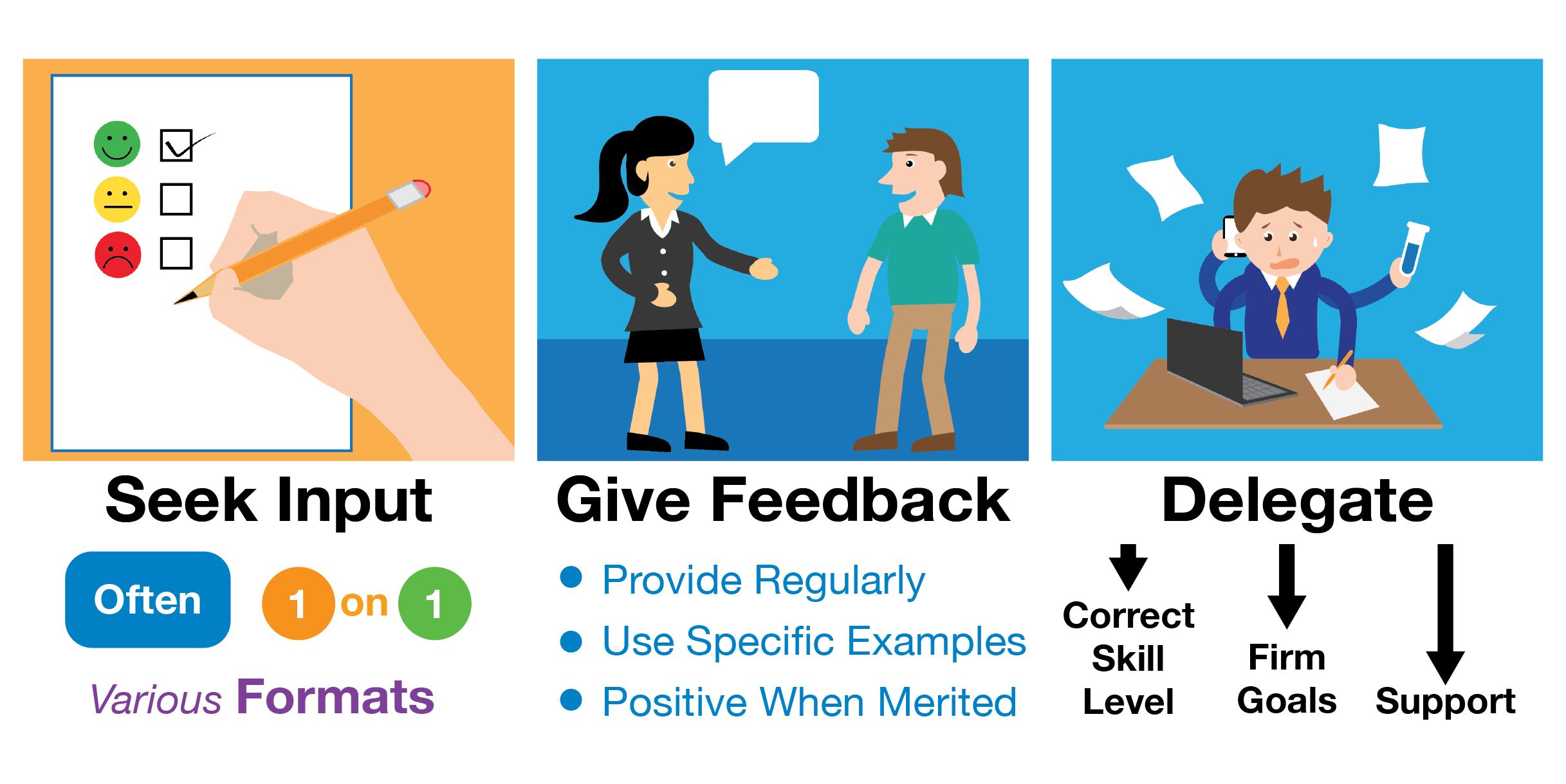
Management Infographic

{credit}Wu Li; addgene{/credit}

Continue reading

Human Pipettes: Scientific training and education in biomedical research

David Rubenson and Paul Salvaterra share their thoughts on a damaged and damaging research system

A recent cancer research symposium displayed a familiar asymmetry. 90% of the attendees were PhD students or postdocs sitting obsequiously in the rear and asking 10% of the questions. 10% of the attendees were front-sitting faculty providing 90% of the inquiries.

A simple case of youthful hesitancy and opaque presentations requiring years of experience to comprehend? But did individual Principal Investigators (PIs) meet with conference planners before advising their students to attend? Did conference planners consider the likely audience and ask speakers to modify their talks? And did faculty members attend the related trainee poster session?


Are junior scientists little more than human pipettes?

Are junior scientists little more than human pipettes?{credit}Paper Boat Creative/Getty{/credit}

Continue reading

I need space to breathe, to create

Creativity – probably the best PI skill in the world, says John Tregoning

What is the most important skill to become a PI? An eye for numbers, an ability to perform repetitive tasks accurately, optimism in the face of relentless failure, the ability to play nicely with others, sheer bloody mindedness, self-belief? All of these skills will strap you into the driving seat but once there, you’ll need to press the pedals yourselves. The most vital skill is creativity; the ability to see new connections — linking old data in new ways and using what we do know to interpret what we don’t.

Continue reading

#scidata16: Open data should be easy

There’ll always be reasons not to share data. It’s time we stop making excuses and start making plans, says Atma Ivancevic.

On the morning of October 26, 2016, a group of scientists convened in London to discuss the state of open data. The third Publishing Better Science through Better Data conference kicked off with morning tea, international introductions, and furious scribing from @roystoncartoons. The premise was simple: “Today is all about being open”, said conference chair Iain Hrynaszkiewicz. We settled in to learn the advantages of data sharing at both the individual level and for the scientific community at large.

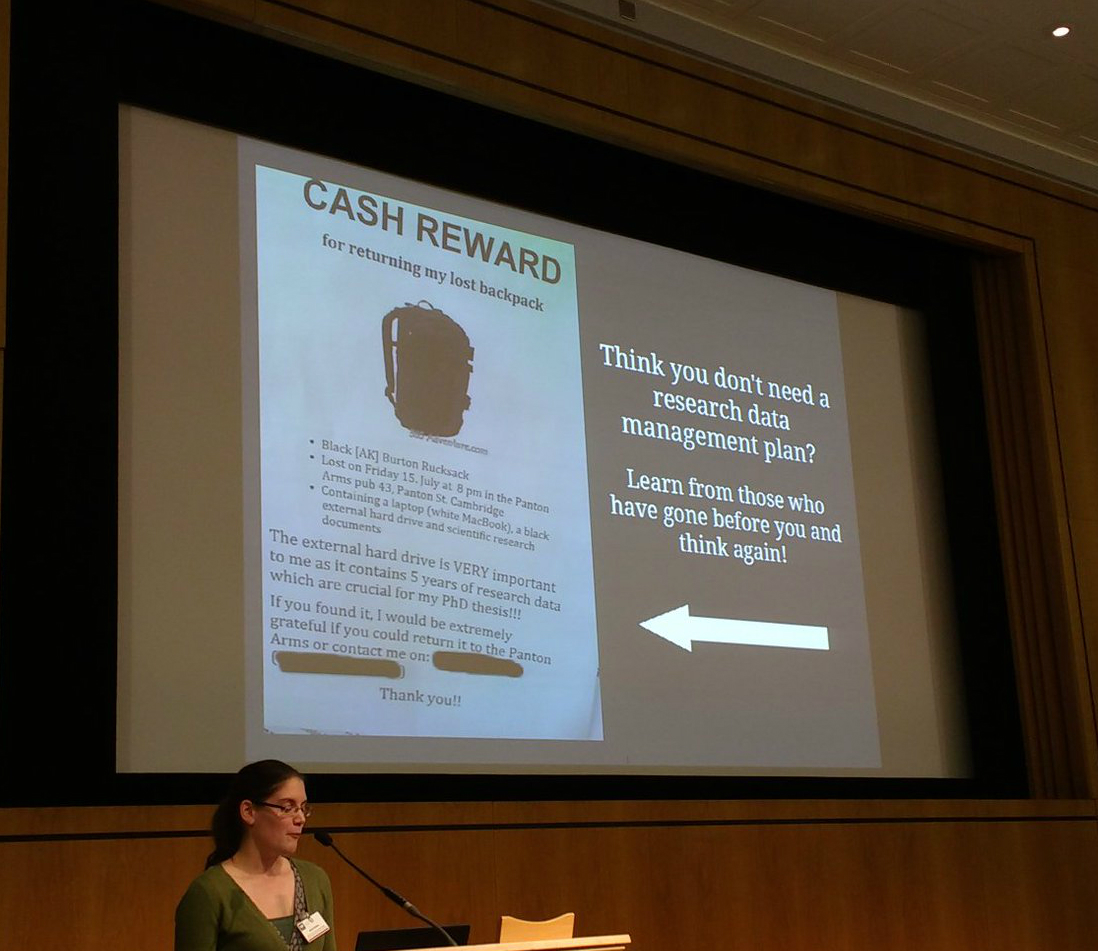
“Open data should be easy,” said Dr Jenny Molloy from the University of Cambridge as she explained the importance of building a data management plan. She pulled up a poster of a missing black backpack: “CASH REWARD” it read, “contains 5 years of research data which are crucial for my PhD thesis!”  I laughed along with everyone else, internally reflecting how similar my life had been before I discovered version control.

IMG_20161102_213011-smaller

Think you don’t need a research data management plan?

Continue reading

#scidata16 keynote highlights: “Research data management for early career researchers”

Data management is a crucial component of scientific research and one that should be tackled by early career researchers before they become swamped with data, says Erica Brockmeier.

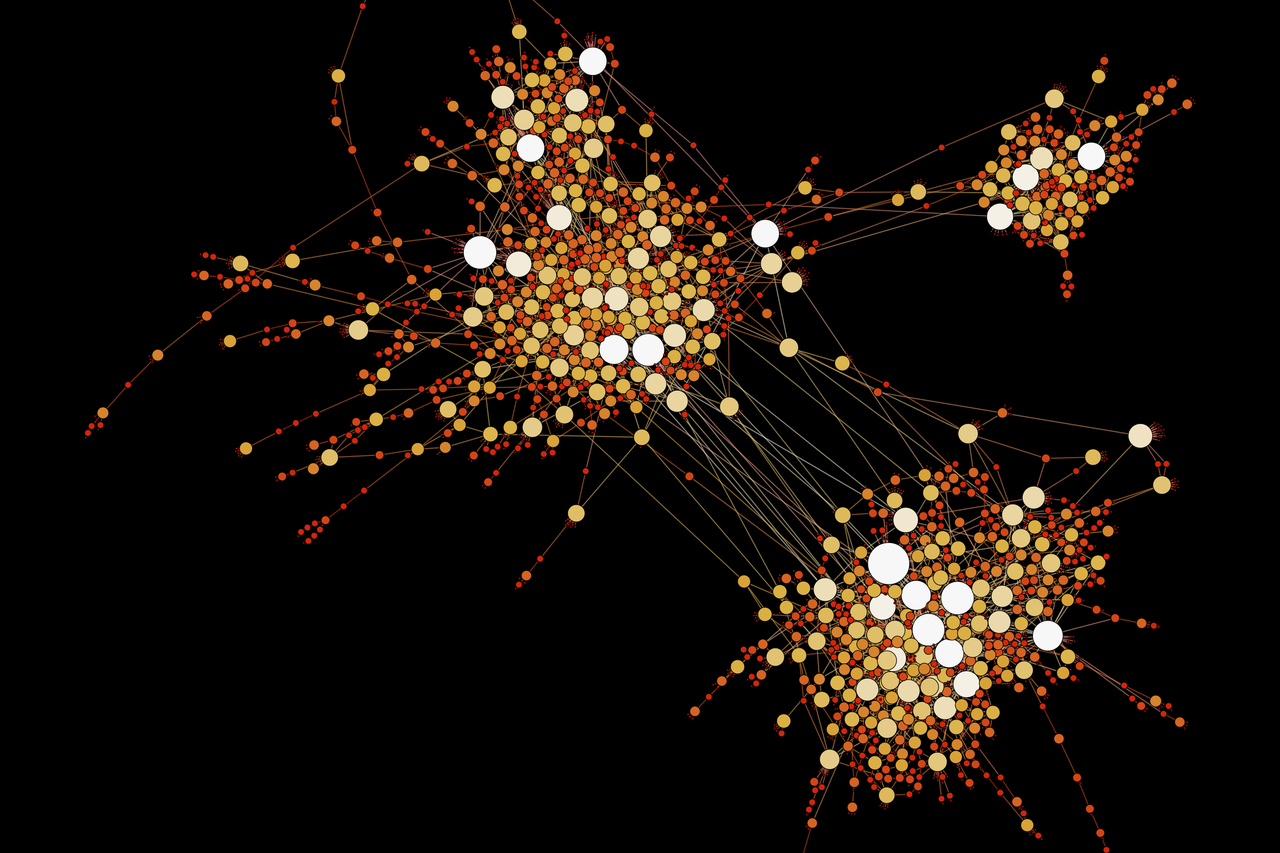
Network_Visualization


PhD students and early career researchers have a lot on their to-do lists, everything from writing papers and applying for grants to staying on top of the latest findings in their field. The third keynote of the #scidata16 conference highlighted yet another important facet of a research career: data management. Kevin Ashley, based at the University of Edinburgh, gave a thought-provoking presentation on this topic. As director of the Digital Curation Centre in Edinburgh, Scotland, Mr. Ashley and his team provide advice, guidance and training for researchers, alongside consultancy services on all aspects of data management and data reuse. Continue reading

How can better data sharing and management improve a career in science?

Taking the time to plan how raw data will be recorded and shared can make all the difference when new research directions appear, says Matthew Edmonds.

In many research projects, there tends to be three major interested parties. The first is the researcher who actually performs the experiment and collects the data. The second is the scientist overseeing the research project, who may be collating related data from several researchers. Finally, there is the institution, which supports the research financially and provides a space in which to do it.

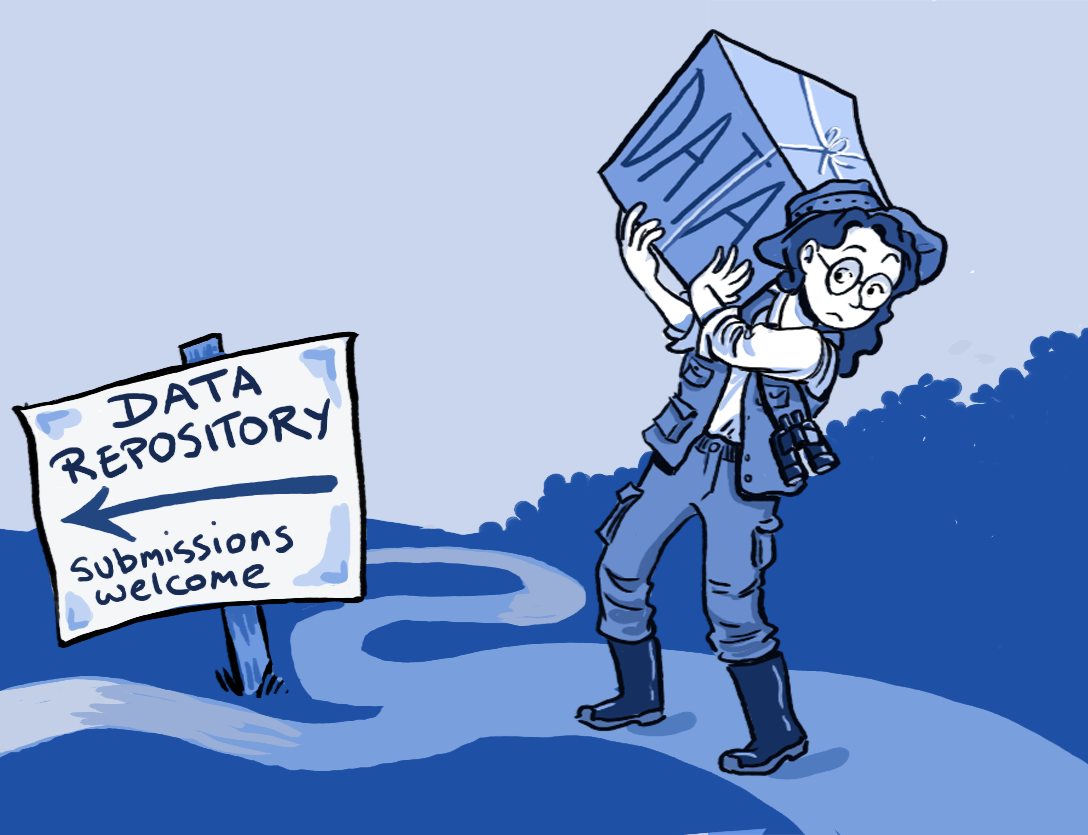
To_deposit_or_not_to_deposit,_that_is_the_question_-_journal.pbio.1001779.g001

{credit}Roche DG, Lanfear R, Binning SA, Haff TM, Schwanz LE, et al. (2014) Troubleshooting Public Data Archiving: Suggestions to Increase Participation. PLoS Biol 12(1): e1001779. doi:10.1371/journal.pbio.1001779, CC BY 4.0, https://commons.wikimedia.org/w/index.php?curid=30978545{/credit}

Continue reading

Seeking out stronger science: An incomplete, non-systematic list of resources

Our reporter Monya Baker runs through some of the statistical tools she found when writing her latest story.

As I reported in a Nature feature published this week, I found more online courses that were being developed than were actually in place. Resources to help scientists do more robust research are set to expand quickly. For example, the National Institute of General Medical Sciences has a competitive program that awards funds to institutions to enhance graduate student training; of 15 such supplements awarded in 2015, a dozen involved data analysis, statistics, or experimental rigor. You can find more here, and that is only a fraction of what is available. Some courses are still being developed and piloted to select students; others are being offered only to those in a particular department or training grant. If you find one that interests you, it can’t hurt to ask.

data-science-industry

{credit}PW Illustration/Getty{/credit}

Continue reading