Different “Me”s open up a new world on a personal and scientific level

Haruka Yuminaga’s experience moving back to Japan has been a challenge — but has helped her become a better scientist.

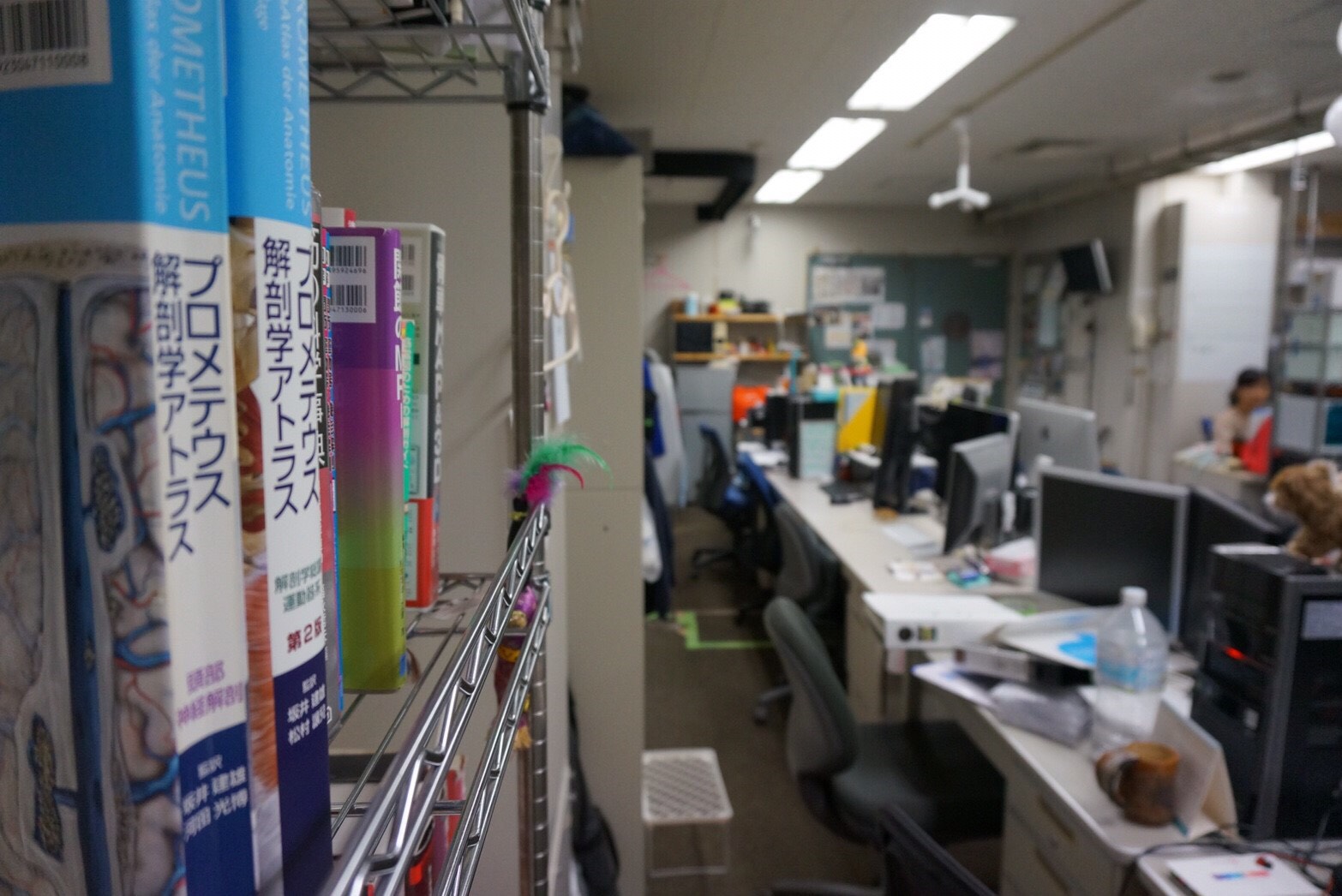
A light grey room is filled with 23 grey desks, scattered in pens and books. In one corner sits a refrigerator packed with snacks. Next to it is a rice cooker. The walls are covered in pictures of fun lab memories. Amidst the clutter, some students joke and laugh; chat with a professor about their experimental procedures; analyze data on their laptops and unconsciously wrinkle their brows.

umi lab

The Ushiba lab

It is a usual morning at the Ushiba lab where I’m doing an internship this summer. I am a rising junior at Macalester College in Minnesota, USA. Before spending two years in a U.S college, I spent all my life in Japan, and expected being back in a Japanese lab to feel natural. But my assumption was wrong.

Reverse culture shock

Continue reading

Sports science: An athlete-researcher’s experience

NATURE_SPORT_400-smaller

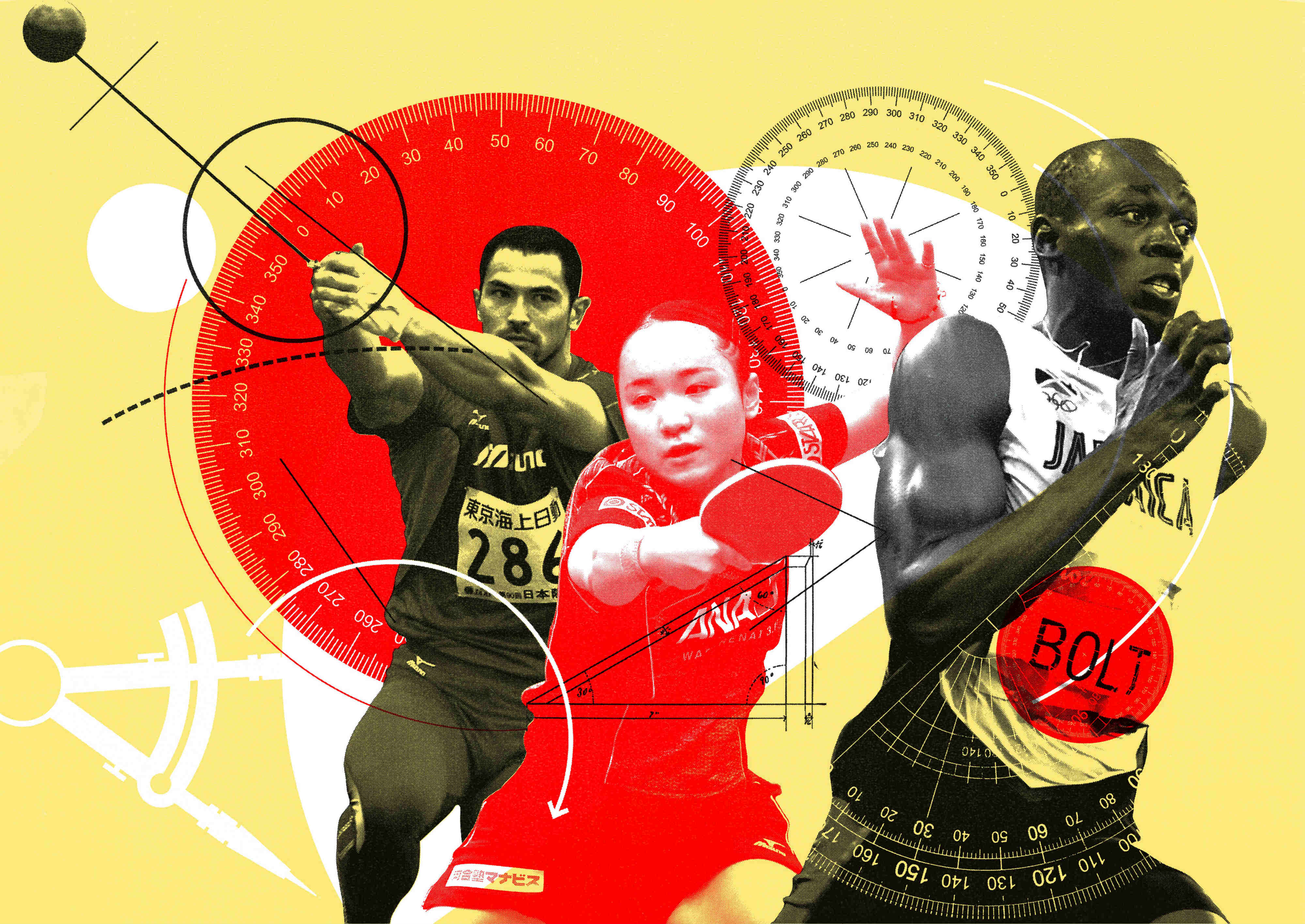
Koji Murofushi’s career has been a mix of tradition and innovation in sports science. He shares his thoughts on a new training approach.

By Tim Hornyak

Sports science is the study of the body as a performance machine. Its specialties span biomechanics and psychology, and demand for its experts is growing. Whether it’s helping everyday people with their physical wellbeing or training elite athletes to react faster endure longer or jump farther, sports scientists and performance consultants are playing an increasingly important role in exercise and competition.

Evidence of growing demand for sports science mavens can be seen everywhere from new university programmes such as the University of Michigan’s Exercise & Sport Science Initiative, launched in 2016, to mass media events. In one example of the latter, before Irish mixed martial artist Conor McGregor went up against boxing champion Floyd Mayweather in a much-hyped showdown in August, he trained at the UFC Performance Institute, a $12 million facility that opened earlier this year in Las Vegas. McGregor used altitude chambers to improve aerobic capacity and ran on an underwater treadmill to build endurance. That may have helped him go more than nine rounds with Mayweather, the overwhelming favorite and eventual winner of the bought. Continue reading

An overseas research intern’s journey in Japan

My overseas internship experience significantly increased my knowledge of research culture and lifestyles in foreign countries.

Guest contributor Andy Tay

Previously, I shared my thoughts on the usefulness of an overseas working experience to establish networks with international experts, and to develop cultural awareness — both of critical importance in a researcher’s career. This year, I decided to head to Japan, Tokyo to work on stem cells as a summer intern at the RIKEN Brain Science Institute (BSI).

If you’re thinking of an overseas internship, especially in Japan, my hope is that this will be of help to you.

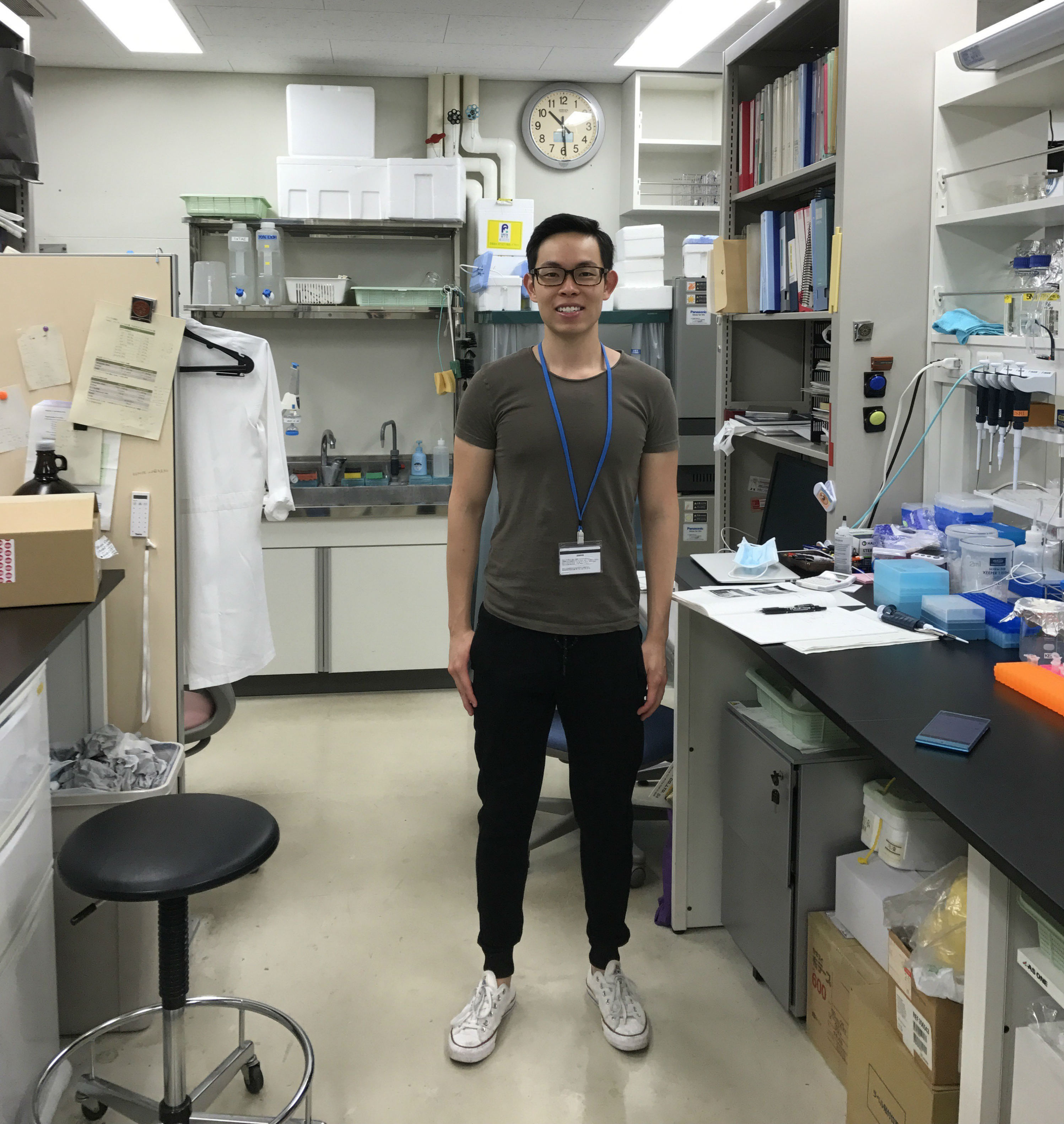
andy in japan-smaller

Andy in his new lab

Continue reading

Finding job satisfaction as a science communicator

Yuko Ueno planned to work in science communication…

…But a supervisor suggested that gaining first-hand research experience might make her a better communicator. Today, she sells workshops to companies, schools and universities and teaches science to Sunday-school students at a private academy in Tokyo.

Smriti Mallapaty catches up with her to learn more.

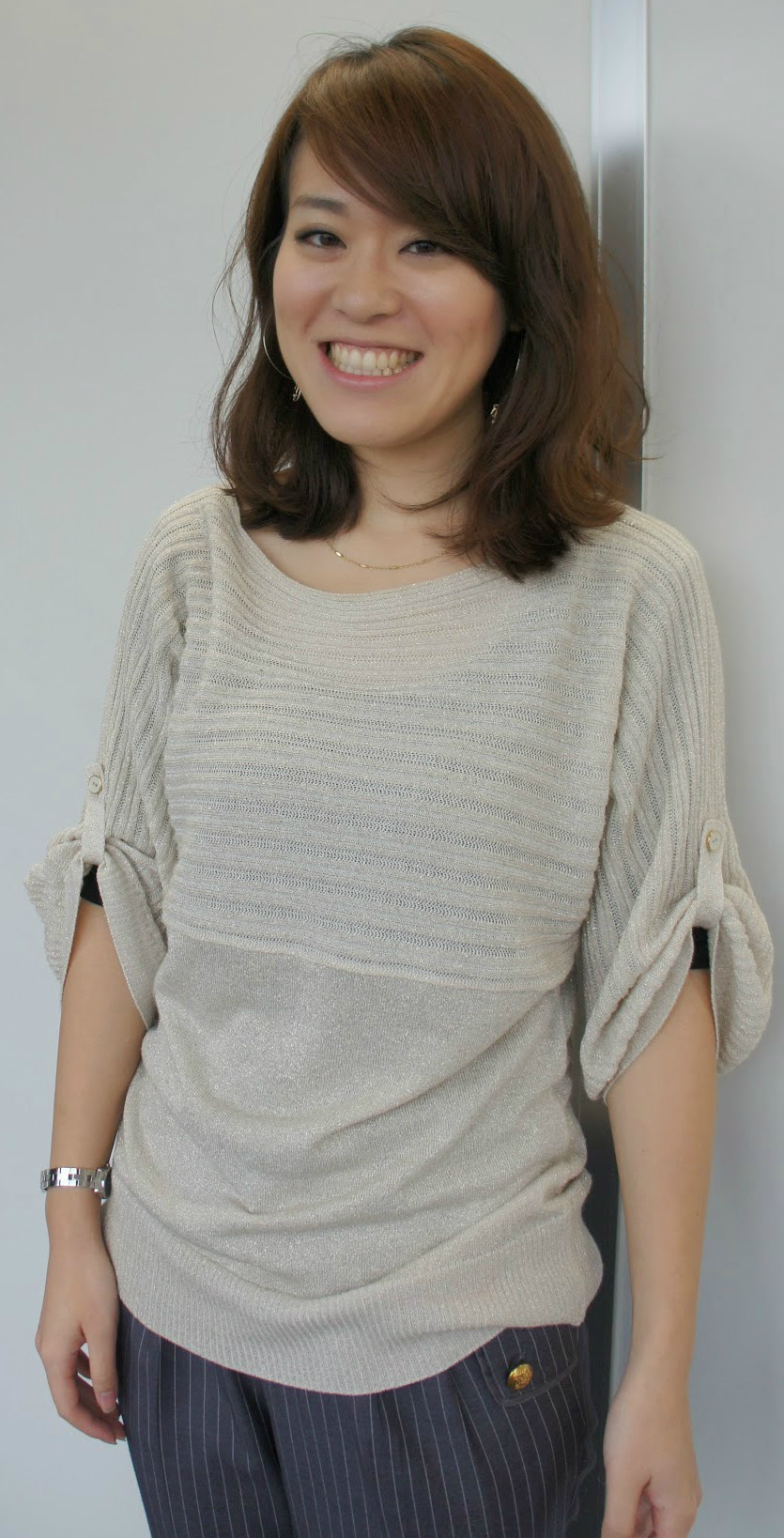
yuko-smaller

Yuko Ueno

Continue reading

Away from home: Collaboration in a global organisation

We’re bringing you the best stories in lab mobility from Nature India

The ‘Away from home‘ blogging series features Indian postdocs working in foreign labs recounting their experience of working there, the triumphs and challenges, the cultural differences and what they miss about India. They also offer useful tips for their Indian postdocs headed abroad. You can join in the online conversation using the #postdochat hashtag.

Today, we have environment scientist Ram Avtar, an alumnus of Jawaharlal Nehru University (JNU), New Delhi and a postdoc from the Japan Agency for Marine-Earth Science and Technology (JAMSTEC). He tells us about his transition from a postdoc to a research associate with the United Nations University in Tokyo, an organisation with a global outlook and ample scope to forge meaningful collaborations — not just in one’s professional life but also in the personal life.

What are the benefits of reproducibility in science?

There has always been an element of risk in science, which is why data must be reproducible, explains Ellen Phiddian.

On June 6, 2012, I skipped class to watch the transit of Venus. I was studying in Adelaide, Australia, where the transit lasted from early morning until mid-afternoon and we had a wonderfully sunny day to view it. If I had known a bit more about the history of the transit, I may have been more thankful for that.

ISS-45_Indian_subcontinent-smaller

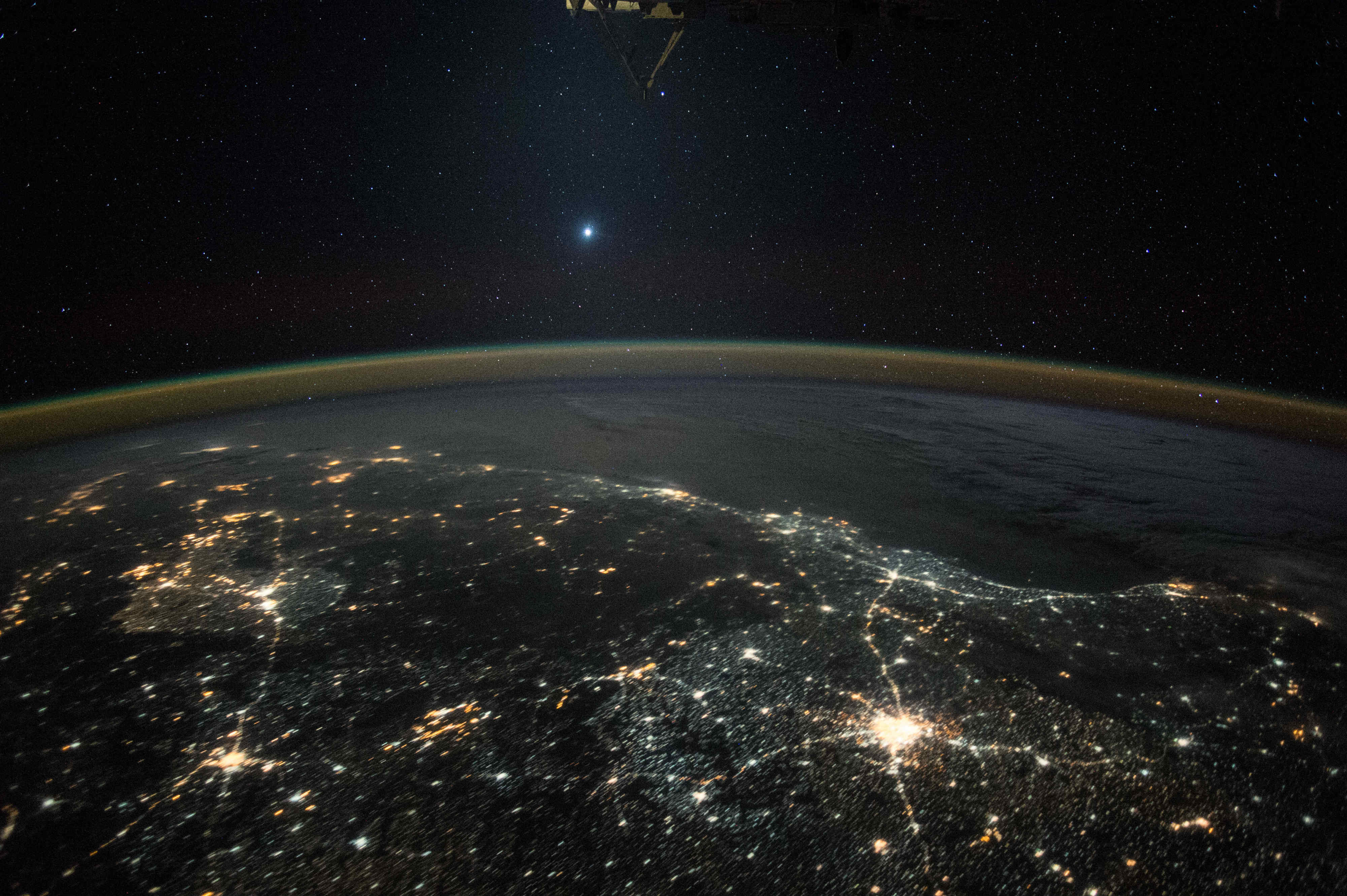
A view of Venus from over the Indian subcontinent. This photograph was taken by Japan Aerospace Exploration Agency (JAXA) astronaut Kimiya Yui from the International Space Station on December 5th, 2015

In the 1760s, astronomers made long and convoluted journeys across the globe just to observe Venus crossing the Sun. Scientists at the time wanted the transit recorded from as many continents as possible, so they could use the data to calculate the distance between the Earth and the Sun. It took years of effort and huge sums of money to orchestrate such a viewing. Continue reading

South Korea aims to be second nation to engage in ‘scientific’ whaling

South Korea has announced that it hopes to launch a programme of ‘scientific’ whaling, a development that would make it the second such country to engage in the practice alongside Japan.

The South Korean delegation to the 64th conference of the International Whaling Commission (IWC), now meeting in Panama, said on Wednesday that the move is necessary to assess the size of the populations of minke whales off the Korean coast.

“Since 2001, the Korean government has been conducting a non-lethal sighting survey of the whale population to assess the status of the stock in Korean waters,” Joon-Suk Kang, the head of the delegation told the meeting in a prepared address. “But it has turned out that this survey alone cannot identify the different whale stocks and has delayed the proper assessment of the resources.”

Seoul says that it cannot correctly identify the feeding habits of the animals or the impact of the whale population on fisheries.

The delegation did not state how many whales it aimed to catch, but its research programme will investigate minke whales migrating off the Korean peninsula. One of the populations of minke whales in the region comes from the depleted ‘J-stock’.

State signatories to the International Convention for the Regulation of Whaling do not need permission from the ICW to begin scientific whaling, and the ICW is in any case a voluntary organization. The move can be taken unilaterally, although Seoul said that any such whaling will not be launched before the country’s research plan had been considered by the IWC’s scientific committee.

Anti-whaling groups question the scientific legitimacy of such whaling and accuse Japan of using the scientific whaling loophole in the convention as a cover for a commercial hunt. Continue reading

Mission to drill into Japan’s quake zone half a success

Part of the core from Japan's fault zone{credit}Japan Agency for Marine-Earth Science and Technology (JAMSTEC){/credit}

A mission to drill into the fault zone that caused the recent devastating earthquake in Japan has met with only partial success.

Researchers on board the Japanese drill ship the Chikyu were aiming to bore right through the plates that slipped during the massive 9.0 earthquake of 11 March 2011, pull up sediments and install temperature sensors down the hole. This, they hoped, would help to fill in some crucial blanks in models of earthquake behaviour — specifically, how much friction exists between sliding plates (see ‘Drilling ship to probe Japanese quake zone’). They got their core, but they didn’t manage to install the temperature sensors.

The problems were frustratingly simple: the cruise was repeatedly delayed by bad weather, and then the cable for their underwater viewing system malfunctioned, leaving drillers unable to see what they were doing. “This was the first time drilling was happening in such deep water,” says James Mori, a seismologist at the Disaster Prevention Research Institute of Kyoto University in Japan and joint chief of the expedition. “Such problems aren’t unexpected. Things happen when the pressure is that high.” Each time something went wrong, he notes, it would take about three to four days for the drilling rig to be pulled up and put back down again through 7 kilometres of water. “It was very frustrating. Very disappointing.”

Nevertheless, the team is celebrating: they set a new record for drilling in deep water (see ‘Drilling into Japan’s quake zone‘) and extracted core samples from 648–844.5 metres below the seabed, right across the fault zone as hoped (see press release). As usual, some parts of the core crumbled and were lost before they could be pulled on board — they retrieved about 40–50%. This is actually a good hit rate for this sort of mission, but it means the team doesn’t yet know whether they have core samples from the crucial bit that slid during the recent quake. Either way, the cores should help to shed light on the physical properties of fault-zone sediments, says Mori.

The researchers haven’t yet given up on the idea of taking the fault’s temperature. It looks like they might be able to get another slot on the Chikyu in July or August, says Mori. They can reuse the same wellhead, but will drill a new hole and try to get the temperature sensors down again. That means their temperature record will start months later than hoped, but it shouldn’t be too late to be useful, he says.