Podcast: How to be a consummate networker

networkingThere’s nothing sleazy about networking and it’s not just something to do at conferences, according to careers consultant Alaina G Levine.

It is a two-way process, she adds, an “honourable” exchange that builds capacity and contributes value. Levine, author of Networking for Nerds, shares her top tips, including the all-important “art of the follow-up.”

Peter Fiske says solid networking skills helped him to return to academia after 16 years in industry, most recently as CEO of Pax Water Technologies.

Peter also describes how academia has changed. “The intensity has gone up. People in research work so hard. Oh my God, they work all the time,” he tells Julie Gould. Continue reading

What Can You Be with a PhD?

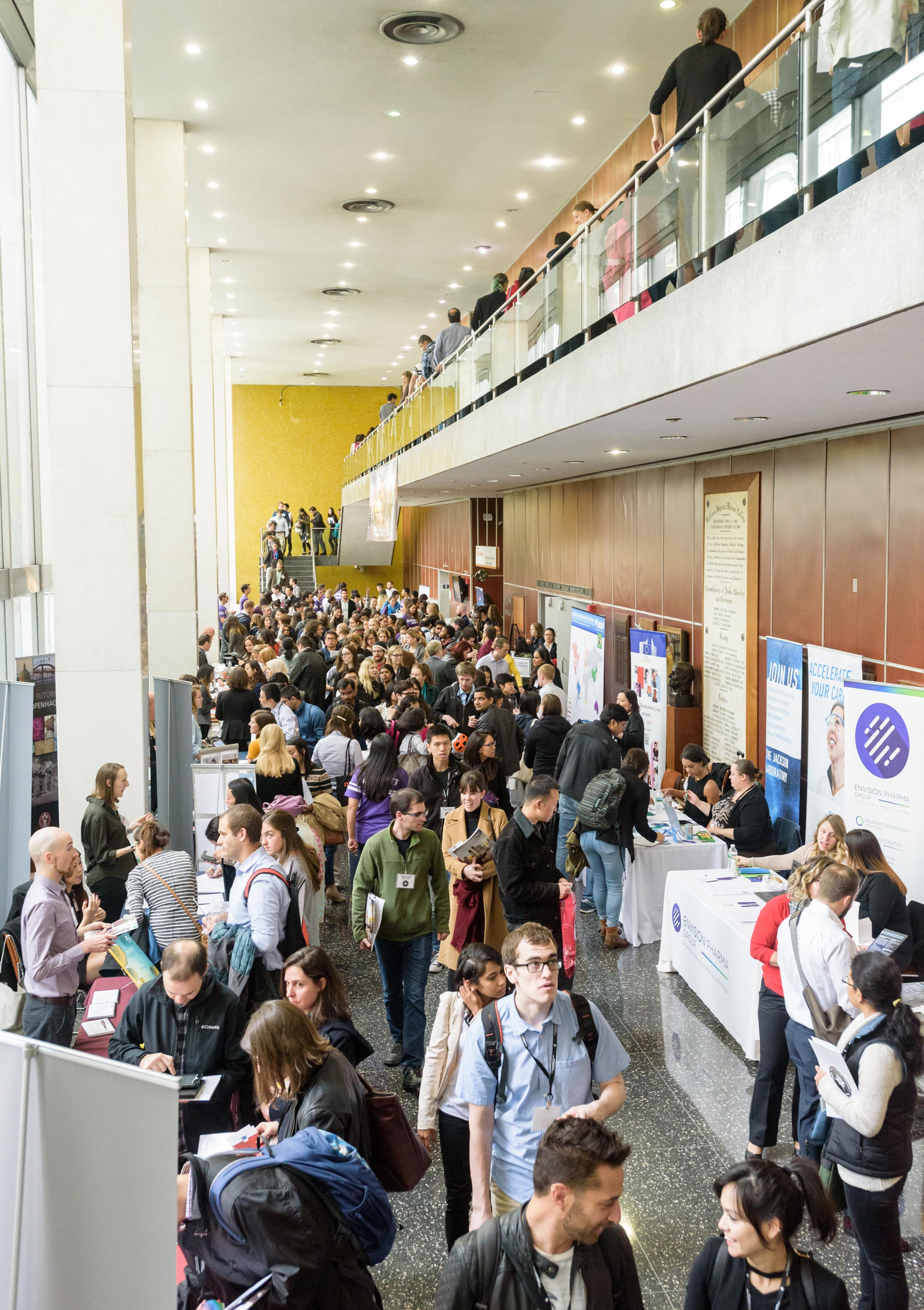
What does it take to land your dream job beyond academia? Do PhDs even have marketable skills? the 2017 What Can You Be with a PhD career symposium has some answers, reports Elisa Lazzari.

171104_0571smaller

{credit}Jeff Weiner/NYU Postdoctoral Affairs Office{/credit}

Continue reading

From start-ups to big pharma – how to get into industry

Early career researchers are increasingly faced with the prospect of leaving academia, but is industry the right career move for you?

Naturejobs journalism competition winner Rachel Harris reports.

It can become easy to believe that skills developed during a PhD are suited only to academia, so it’s always refreshing to learn about the value of doctoral training in other settings. I went to the Naturejobs Career Expo London 2016 to see what else I could use my skills for.

RachelHarris

Rachel Harris

Continue reading

A Masterful decision

Many universities now offer master’s programmes in science-related subjects. These can be a great springboard to a new career.

Guest contributor Simon Hazelwood-Smith


SHSpic2

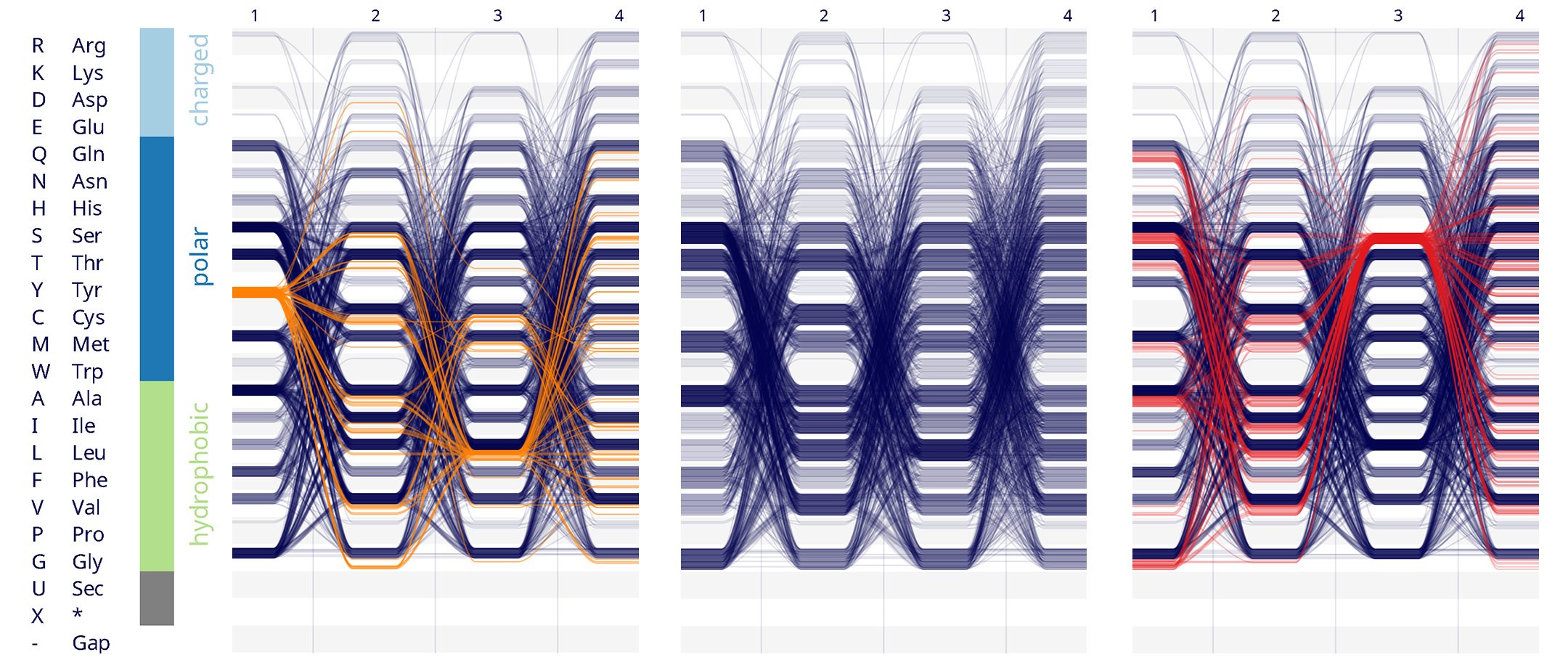
Sequence Bundles: A new method of visually displaying sequence data developed by Science Practice, where Simon works

There have never been more ways to be employed in science. Today, science is communicated, critiqued, shaped, applied and incorporated into political decisions by a multitude of people who rarely – if ever – set foot in a laboratory. For the organisations that work in these areas, there are tangible benefits to have employees with scientific experience. However, knowing how, when, and if to make the move into these areas is often a challenge for many young scientists. Continue reading

From academia to industry with Paul-Peter Tak

Building bridges between the clinic and the lab has been Paul-Peter Tak’s main mission throughout his career.

paul-peter-tak-gsk

{credit}Image credit: GSK{/credit}

What is your academic, research background?

My background is a mix of clinical medicine and research: two subjects that I think go hand-in-hand. Having a medical degree and a PhD gave me a strong position from which to build a career that spans these two fields.

During my medical training, I got more interested in research, and how to bridge that gap between clinical medicine and basic science. That gave me a springboard from which to get involved in translational science in immunology, rheumatology and geriatrics.

This translational approach has been the basis of my career ever since, which involved a spell doing research in the US and more than a decade at the Academic Medical Centre/University of Amsterdam – where I became Professor of Medicine and Chair of the Department of Clinical Immunology & Rheumatology; and was proud to be elected ‘Toparts’, the best rheumatologist in the Netherlands according to my peers. Continue reading

Life after the lab

Contributor Ewen Callaway, reporter at Nature
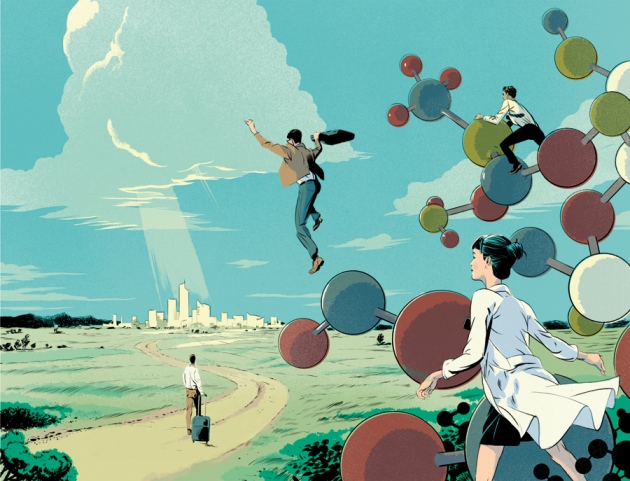
Illustration by Señor Salme

Where do scientists go after they leave the lab? I profiled three exceptional ex-scientists in a feature for Nature, “The ones who got away,” and I heard from many more who participated in #LifeAfterTheLab on Twitter and Facebook. Keep them coming!

My goals with “The ones who got away” were to find out why very talented scientists left the lab, where they ended up, and how their scientific training guided their path (for more on that see our accompanying editorial: There is life after academia). For editorial reasons, we focused on three people who had drifted far from science. But sources such as the NSF Survey of Doctorate Recipients and my own intuition and experience suggest that a lot of PhDs have left academia, but not science.

While researching the story, I heard from lots of group leaders about star graduate students who are now working at biotechs, science-related NGOs or, like Jasveen Chugh, at a science-based consultancy. Here’s her story.

—-x—-

A decade after completing her PhD, Jasveen Chugh still looks to her former mentor for advice. But the best she ever got from Bonnie Wallace, a protein crystallographer at Birkbeck College, University of London, was to leave. “Bonnie called me into my office and said ‘I know you want more and I’d encourage you to think about what might suit you better’,” recalls Chugh, now a life sciences and health care consultant at a London-based firm called PA Consulting. Continue reading