Networking: a very short cheat sheet

We all know the value of networking. Here’s a very quick rundown of best practises, from Amali H. Thrimawithana

Networking plays a vital role in any scientist’s career development, being one of the main ingredients in building a professional profile. It feels especially essential in my own field of informatics and data science, where techniques and technology are rapidly evolving and cross-discipline collaborations are rampant.

Networking helps us stay up to date with developments, provides a space to learn, enhances communication skills, creates new opportunities, and helps to build a professional profile.

IMG_3286-smaller

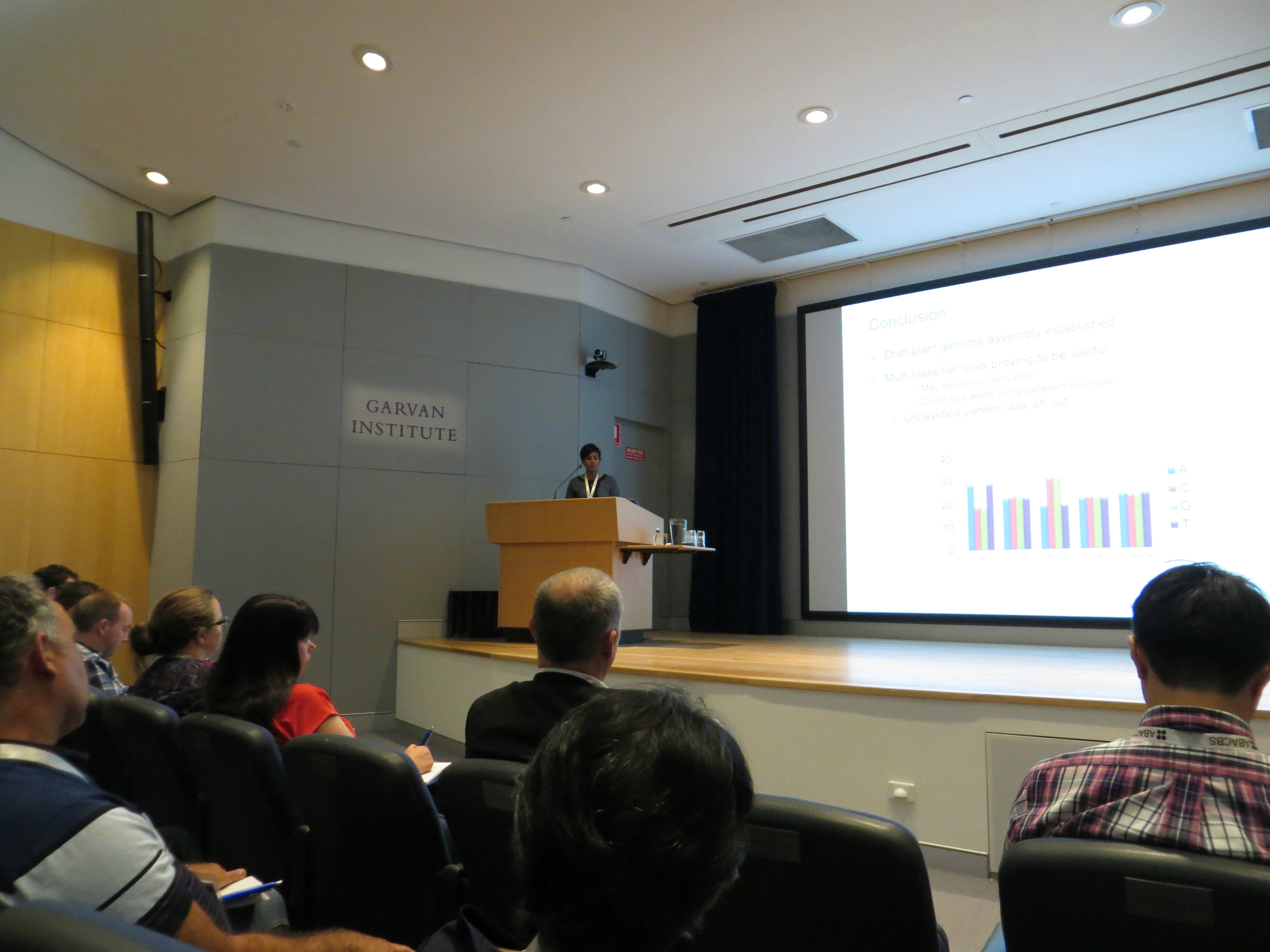
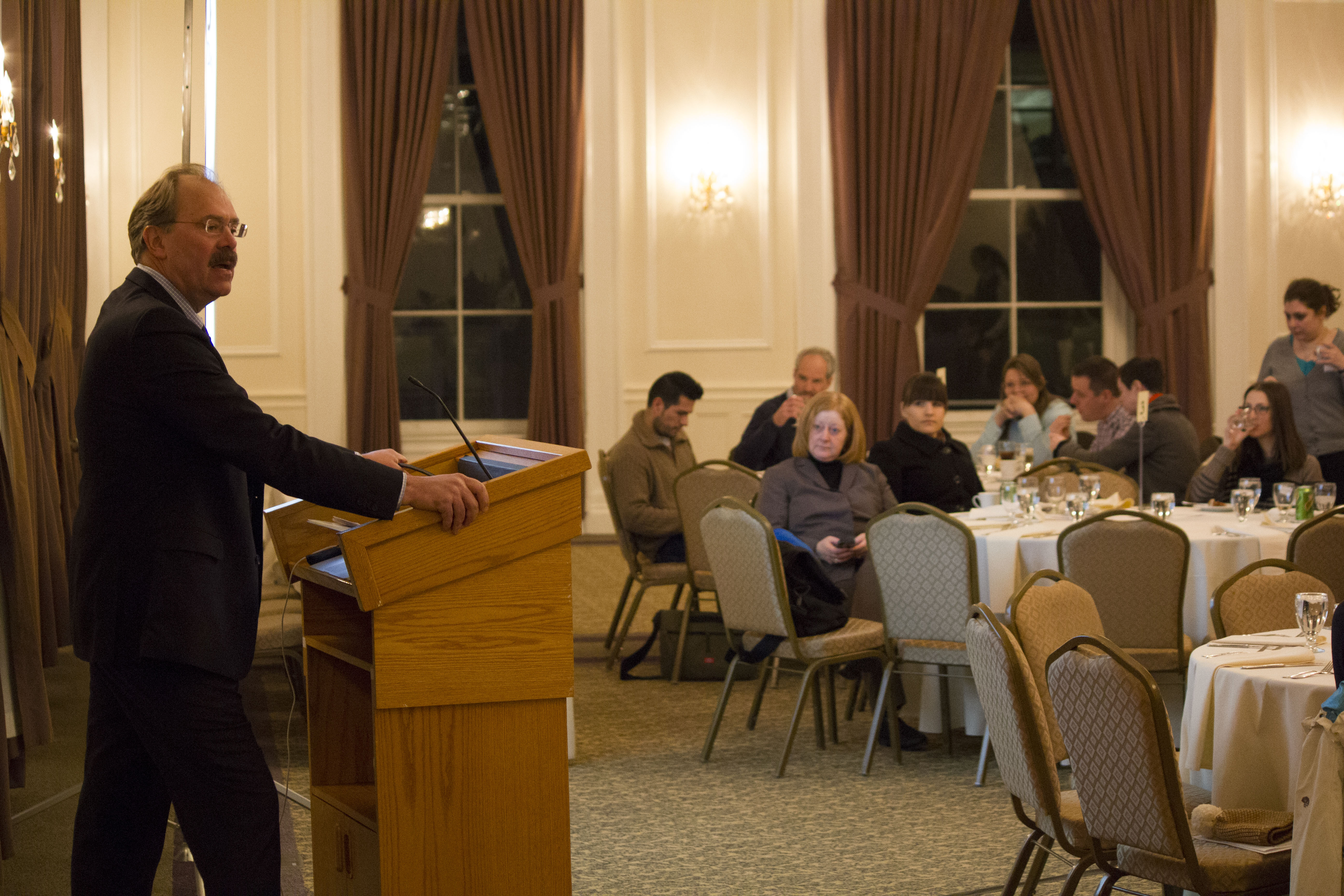
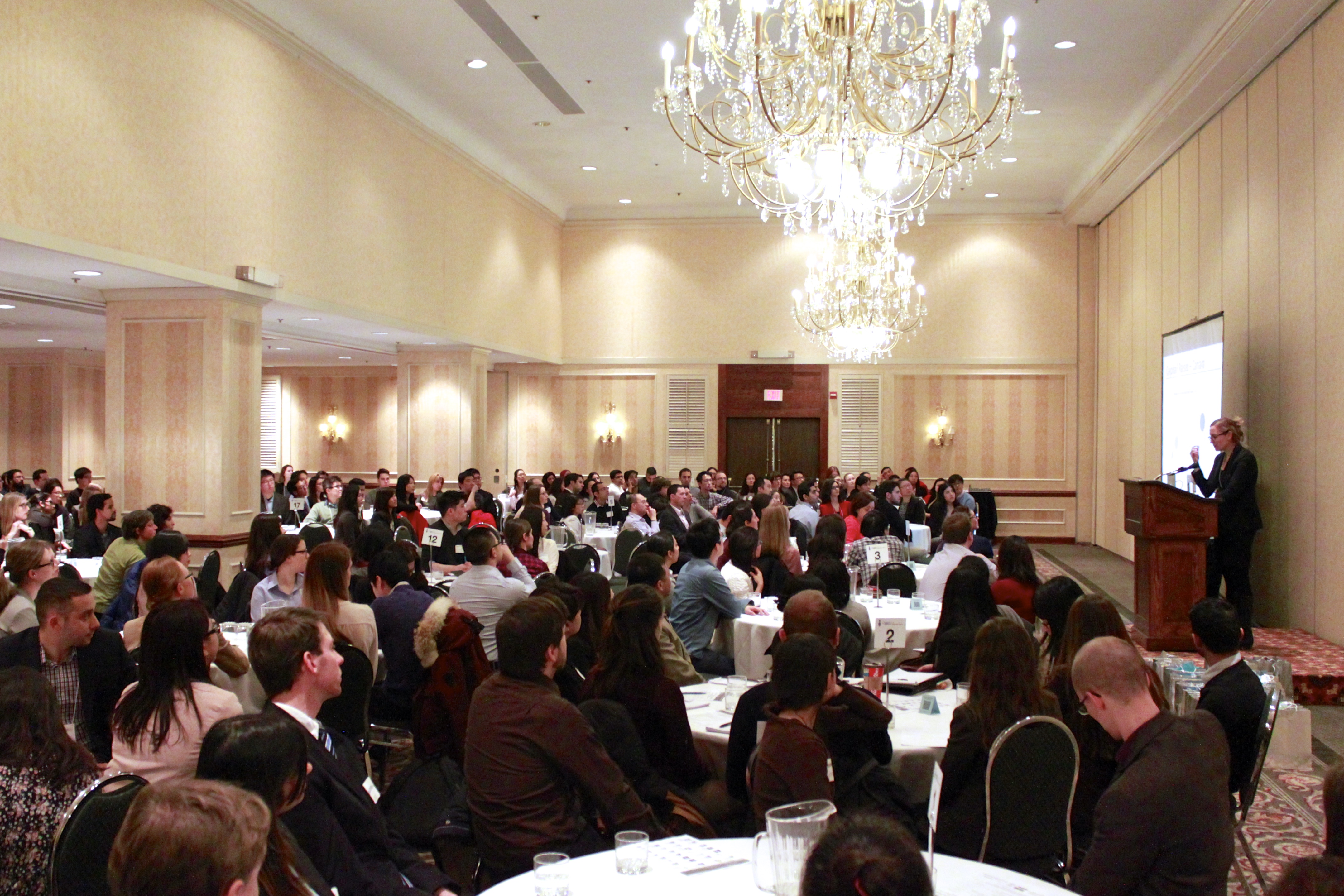
Conferences provide you with a literal stage to gain connections

Continue reading

Preparing researchers to manage traumatic research

Studying traumatic events comes with its own risks – the scientific establishment needs to be doing more to protect researchers, says Dale Dominey-Howes and Danielle Drozdzewski.

tsunami1-smaller

One of the authors interviews survivors a few days after the September 2009 South Pacific tsunami in the rubble of their communities in Samoa, as part of the UNESCO post-tsunami survey team reporting into the Prime Minister and King of Samoa. “It was a hard day for all of us,” says Dale Dominey-Howes.

What’s the issue and why is it important?

Earth is destabilizing rapidly. Terrorism, conflict, genocide, human displacement, socio-economic disruption, rapid global environmental change, slow emergencies and natural disasters are more common than at any point in history. Consequently, opportunities exist for researchers to investigate the causes, consequences and potential management solutions arising from this instability. For this to happen, we need a well-trained workforce equipped with the skills and capabilities to work with ‘traumatic’ research content, people and places. Continue reading

The power of volunteering – getting ahead by getting involved

As an undergraduate and PhD student, I was unsure of how to continue my career. Volunteering helped me to explore alternative career paths, find my niche and get ahead.

Guest contributor Roda Niebergall

“The best way to find yourself is to lose yourself in the service of others.”

– Mahatma Gandhi

For university graduates, volunteering is a great opportunity to gain some work experience. Even if you’ve already advanced in your career and are planning to switch fields, volunteering is a powerful tool to convince your future employer that you’re serious and enthusiastic about changing your profession. Many PhD students and postdocs quickly realize that they either do not want to or cannot continue their career in research. There are many exciting alternative careers out there, like science management, teaching or publishing. But when applying for these jobs, researchers cannot solely rely on skills gained in the lab.

volunteers-601662_1920

Continue reading

Networking: Forge ahead

Networking. The word conjures up almost as much fear and loathing as the thought of a grant denial or manuscript rejection. The two words that comprise it aren’t much better: ‘net’, as if you’d be trapped, and ‘working’, when you’re already doing plenty of that.

But you can’t fling it off like a mosquito. To ‘network’ is simply to connect with others, and we’ve rounded up expert advice on why it’s important, even crucial – and how you can network in ways that don’t involve too much cringing or trying to schmooze strangers at your field’s annual conference.

It’s no secret that social media has created manifold ways to establish and boost your profile. But used appropriately, these platforms can help you to forge vital links. Twitter, for example, isn’t only a means of publicising yourself and exchanging information. It’s a great way to network virtually – and maybe even get a job.

You may know by now that there are many social-media sites specifically for researchers and academics. Are you familiar with all of them? Their benefits can be legion, finds a Nature survey: they can help you with collaborative discussion, accessing papers, sharing results and more.

Still, you have to get off your phone at some point and do some real face time. It isn’t easy for everyone, yet it doesn’t have to be an introvert’s nightmare. The key, says Nature Careers columnist Peter Fiske, is to aim for a steady level of regular interaction with others.

And ‘others’ is a central concept here. You have to diversify your network: even its weakest links count, says a Naturejobs blogger. Don’t try to persuade yourself that reaching out only to contacts of colleagues or potential collaborators means you’re done.

So after all that networking, you feel virtuous and accomplished – and probably exhausted, as another Naturejobs blogger laments. But you’ve got to carry on. After all, you never know where that chance encounter will lead – or whom it might connect you with.

A week in the life of a tenured professor

A Chinese scientist considers the new responsibilities that come with his role

This piece was cross posted with Nature Asia. You can read the Chinese version here.

Guest contributor Chenggang Yan

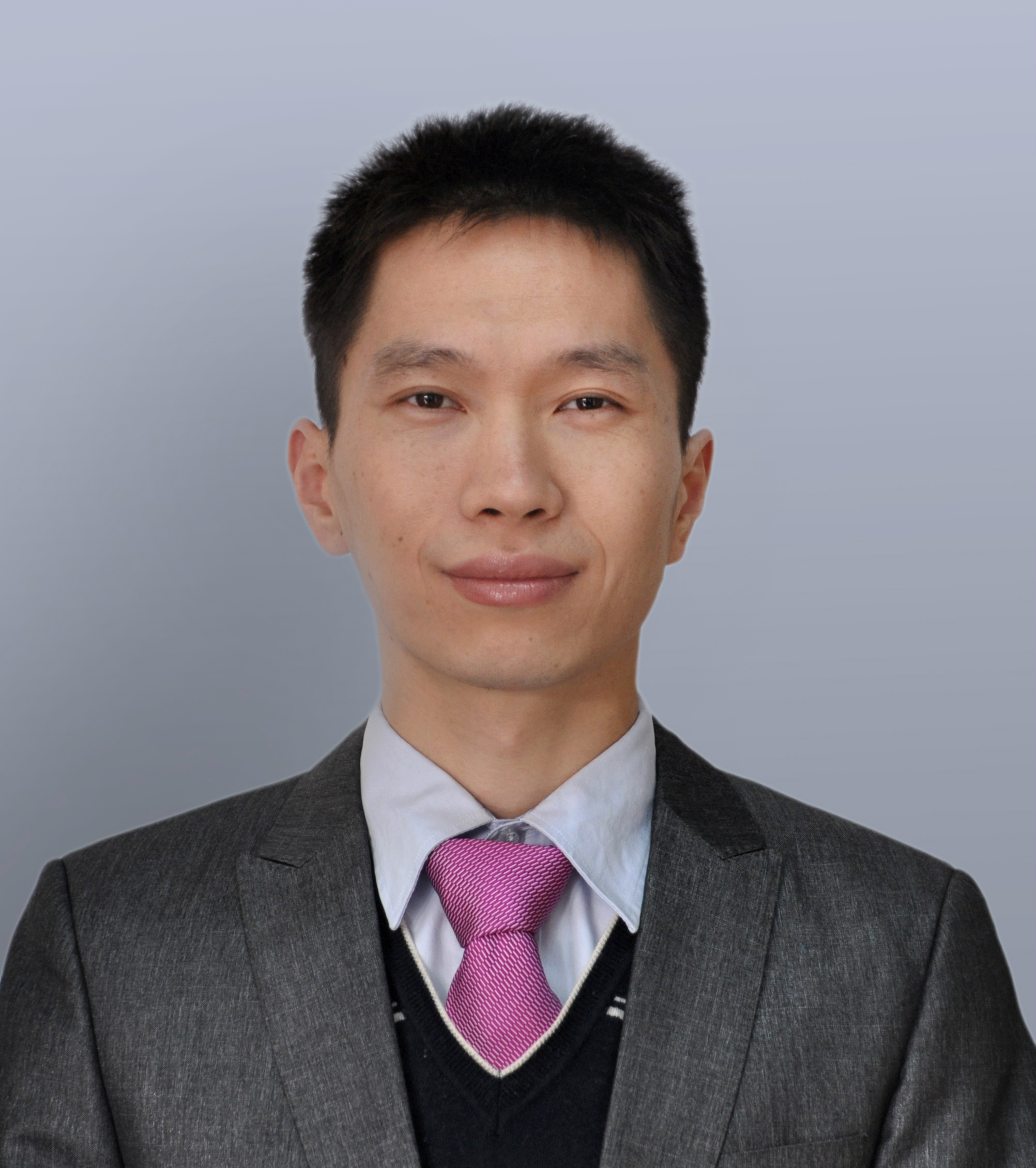
I’ve spent ten years of my life in research. In those ten years, I’ve never been completely overwhelmed until I accepted a professorship at Hangzhou Dianzi University. Just like many other young scholars, I’m working hard to win a good reputation with my research. I went into science because – like many others – I wanted to do meaningful work, lead a new era, and benefit humanity in some way. But recently I’m finding that’s just not what I spend my time doing.

DSC_0001 op1-smaller

{credit}Chenggang Yan{/credit}

Continue reading

The Naturejobs career expo, San Francisco

Naturejobs’ visit to the home of technology was a huge success.

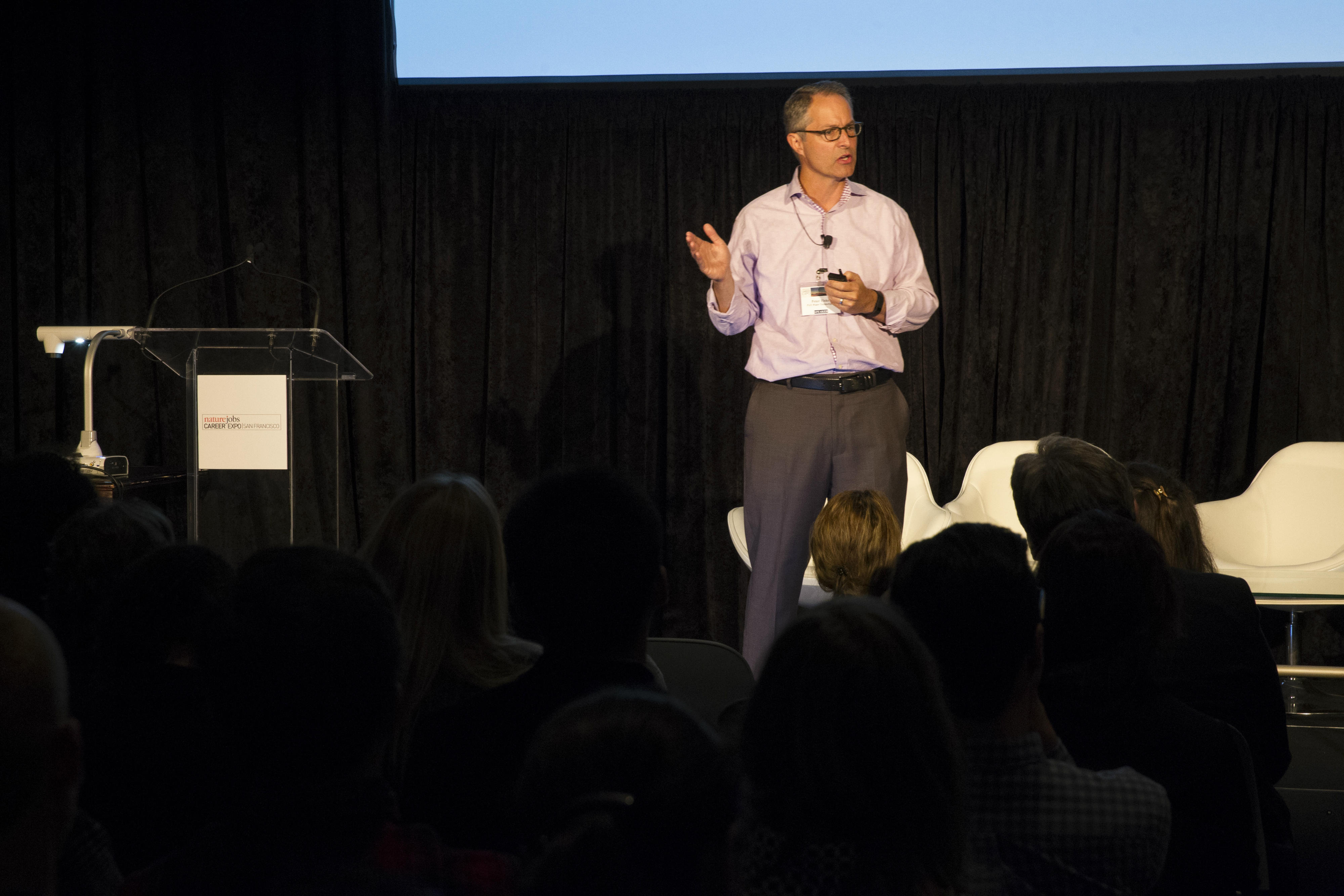
We’re thrilled with the way that the Naturejobs career expo – held for the very first time in sunny San Francisco – turned out. We learnt an awful lot about the career options available for researchers in California, both in industry and academia, and found some of the best ways to approach those options and how to maximise your chances of landing a job.

Peter Fiske

Continue reading

Science communication: Keep it simple

Understanding your audience is one of the most important things in effective science communication.

Contributor Emily Porter

Bhagesh Sachania

{credit}Image credit: Bhagesh Sachania{/credit}

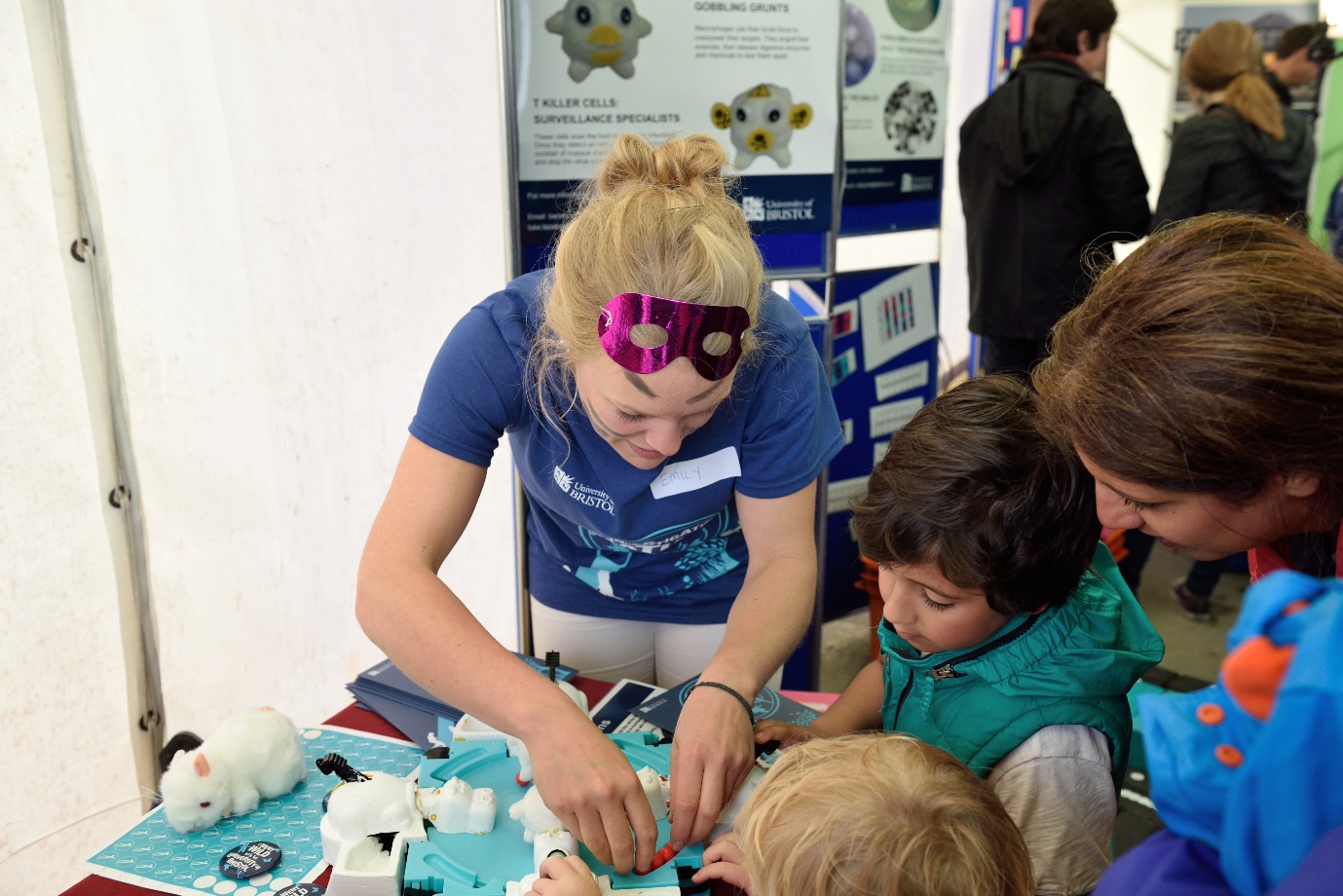
What do you get if you add foam yoga blocks, Hungry Hippos, scientists and kids together? A mixture of mayhem, learning and wonder.

Over the past few months I’ve been getting involved in the Bristol Festival of Nature, an event that celebrates all things science and nature.  Despite initially volunteering to help out more generally, I soon found myself agreeing to design and run an activity with a couple of PhD students, Luke Lazarou and Barney Wharam. We spent many hours discussing the best way to make virus epitopes and white blood cell receptors using foam bricks and genetic codes, and how we could modify Hungry Hippo games to become Hungry Macrophages games.

We were developing our activity for the Bristol University tent, which showcases the university’s research to a broad audience over three days, including one day when the Festival is open only to visiting schools. IIt was my first experience of developing an activity, and I wanted to share what I learned so that others looking to do some festival work can learn too.

Audience. It is crucial that you consider your audience. Visitors to the festival ranged from pre-primary school age children to grandparents, including science teachers and university staff, so our activity used varying difficulties of genetic sequences, from assembling simple colour sequences to interpreting amino acid tables, to cater for everyone. Never underestimate the amount of knowledge that can be picked up from everyday life; when children were asked if they knew what a virus was, answers varied from ‘like in a computer?’ to ‘a verruca’, and the term ’DNA’ was recognised from the TV series. Continue reading

Transferable skills: Organizing a conference

Organizing events offers early career researchers an opportunity to develop transferable skills attractive to multiple industries, says Aliyah Weinstein.

Contributor Aliyah Weinstein

naturejobs-blog-aliyah-weinstein

Dr. Wiley “Chip” Souba speaks at the Doctoral Directions conference, held March 5-6 at the University of Pittsburgh and co-organized by Alyce Anderson, Rachael Gordon, and Julie Boiko.{credit}Image credit: Jeremy Gale{/credit}

In an era when the career paths that PhD graduates will follow after graduation vary greatly, it is more important than ever that trainees are prepared to take on careers both inside and outside of the academy. The non-technical skills that are necessary to complete a PhD, including leadership, analytical skills, and time management, are useful in many career paths. However, it is often difficult for trainees to identify and nurture these skills while remaining focused on the technical skills required to complete their studies. Furthermore, the necessity for trainees to prepare themselves for a wide array of careers is unique to this generation of scientific trainees, and the mechanisms to prepare trainees to recognize and practice the skills needed to successfully navigate diverse career paths is lacking at many institutions.

One way that some students have found to take this task into their own hands is by organizing local scientific meetings. This provides not only the opportunity for trainees to present their work and connect with other members of the scientific community, but also to hone skills in networking, finance, and writing, among many professional skills that can translate to careers in and out of academia.

Networking

Conference planning provides opportunities for trainees to practice networking skills with more senior scientists. Alyce Anderson and Rachael Gordon, who for the past three years have been involved in organizing a professional development conference at the University of Pittsburgh, stress the importance of having an advisor involved in the conference planning committee. They recommend identifying a faculty member who has previously been involved in organizing meetings, to work with and learn from throughout the planning process. “Garner institutional support from people who work on professional development,” suggest Gordon and Anderson. Such faculty may support a conference by providing students access to their network of scientists outside of the home university as potential speakers, and guidance on the mechanics of putting together a successful meeting. Additionally, working with faculty is an opportunity for trainees to establish close relationships with them, opening the door to potential long-term benefits including further mentoring and letters of recommendation. Continue reading

Job search: Strategies for success

Self-reflection, skill building, researching of job markets, and setting goals are part of a successful job search strategy.

Contributor Prital Patel

job-search-patel-naturejobs-blog

{credit}Image credit: Shawna Lu{/credit}

As exciting as it is to see a sliver of light at the end of the tunnel, for me the future after my medical biophysics PhD is still an apprehensive unknown. Despite having spent over half a decade specializing in an infinitesimal aspect within the grand scope of science, in some ways, I do feel that the range of options of what I can pursue, be it entrepreneurship, academic science or law, are as open to me as they were before I started picking classes at 16. What I have repeatedly learnt from attending career talks is that a PhD arms you with a number of transferable skills that make you amenable to many jobs and job settings. This then begs the question: How can PhDs or postdocs be more strategic about their job search?

In February this year I co-chaired the 11th annual networking reception for the Life Sciences Career Development Society (LSCDS) at the University of Toronto. I invited Lauren Celano from Propel Careers to give a keynote speech on the job market and strategies for successful job searches (she also gave a great talk about informational interviewing). Although the scope of the talk centred on life sciences, many of the strategies discussed can be extrapolated to other fields of expertise.

A strategic job search requires an amalgamation of self-reflection, proactive skill building, research of job markets and organizations, and setting goals. Celano pointed out that PhDs have a whole ecosystem of companies in which they can secure employment, including companies of different sizes that they can work for (global, local, large, medium, and small) and different types of companies (biotechnology, venture capital, law firms, marketing and communications etc.). Celano articulated some useful strategies for making informed decisions in a job search. I found them particularly helpful, so I wanted to share them with you. Continue reading

Impact Women: Tech Meet Social interview with Servane Mouazan

Servane Mouazan

Servane Mouazan{credit}Amanda Clarke{/credit}

Nature Publishing Group’s sister company Digital Science, alongside Ogunte CIC, the organisation for Women Social Entrepreneurs, are hosting a new Impact Women event, to be held in London on October 13th.

The event will be a healthy, fast-paced mix of peer mentoring, coaching, keynote tips, and of course drinks and nibbles! It’s an opportunity to make women who navigate in this space more visible – but the invite is open to all interested in this arena.

To whet your appetite for this event, to be held in our London office, we thought we would host a Q&A with Ogunte CIC’s founder, Servane Mouazan.

1. Hi Servane, tell us about Ogunte and the type of community you are building.

I believe in impact made by women. I founded Ogunte CIC, [ www.ogunte.com] a pioneering organisation that contributes to “building a better world powered by women”. We have helped thousands of women social entrepreneurs, but also their ecosystem of support providers (incubators, finance providers, media) – to make a positive impact of people and planet, by enabling them to learn, lead, and connect.

Our aim is to make women changemakers genuine household brands in the world and create a ripple effect for good. We created Make a Wave, the first UK incubator for women social entrepreneurs, developed the International Women’s Social Leadership Awards, focusing on the achievements of women-led good businesses. We offer a gender lens on ways to change people’s world.

When I am not running Ogunte, I advise and coach people on Conscious Innovation, helping people to prototype love (yes, love!) through amazing learning experiences.

Continue reading