Science meets Netflix with data streaming

XCMS_logo_online

{credit}Gary Siuzdak{/credit}

In today’s web-connected world, we’ve come to expect instant gratification. When you select a video on Netflix, you don’t wait for the file to finish downloading. Thanks to ever-increasing bandwidth, video can stream to your computer, playing as it arrives. Thus was the concept of binge-watching born, and many a fan of “Stranger Things” went to bed exhausted, but mostly satisfied. (#justiceforbarb). As it turns out, data streaming is being used in the life sciences, too. Nature technology editor Jeffrey Perkel finds out more.

Continue reading

Women in science: Clogging the leaky pipeline

Karin Bodewits and Philipp Gramlich think we should stop actively persuading women to study life sciences – a field in which they face unique challenges.

Guest contributors Philipp Gramlich and Karen Bodewits

Philipp Gramlich and Karin Bodewits


Continue reading

Job search: Strategies for success

Self-reflection, skill building, researching of job markets, and setting goals are part of a successful job search strategy.

Contributor Prital Patel

job-search-patel-naturejobs-blog

{credit}Image credit: Shawna Lu{/credit}

As exciting as it is to see a sliver of light at the end of the tunnel, for me the future after my medical biophysics PhD is still an apprehensive unknown. Despite having spent over half a decade specializing in an infinitesimal aspect within the grand scope of science, in some ways, I do feel that the range of options of what I can pursue, be it entrepreneurship, academic science or law, are as open to me as they were before I started picking classes at 16. What I have repeatedly learnt from attending career talks is that a PhD arms you with a number of transferable skills that make you amenable to many jobs and job settings. This then begs the question: How can PhDs or postdocs be more strategic about their job search?

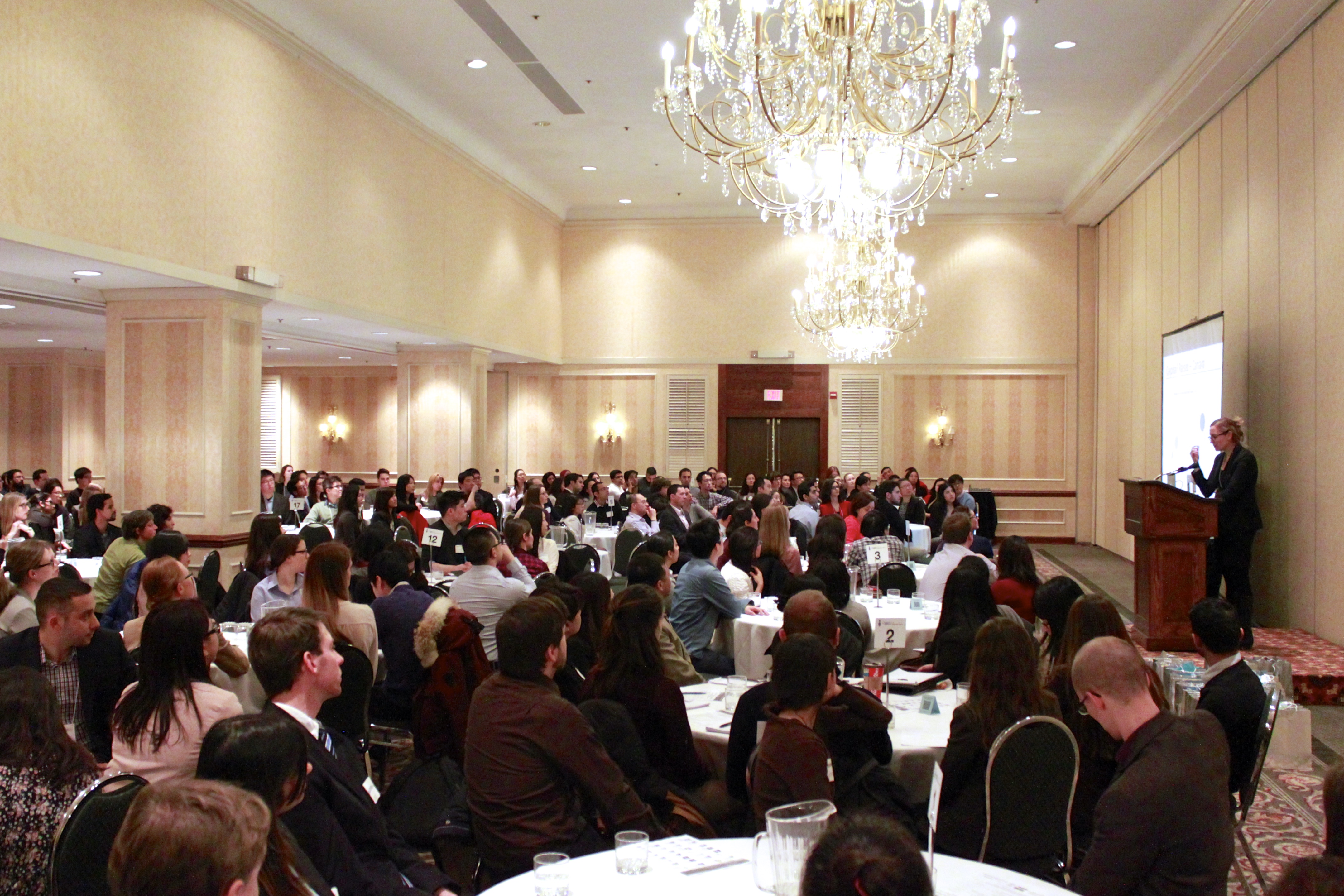
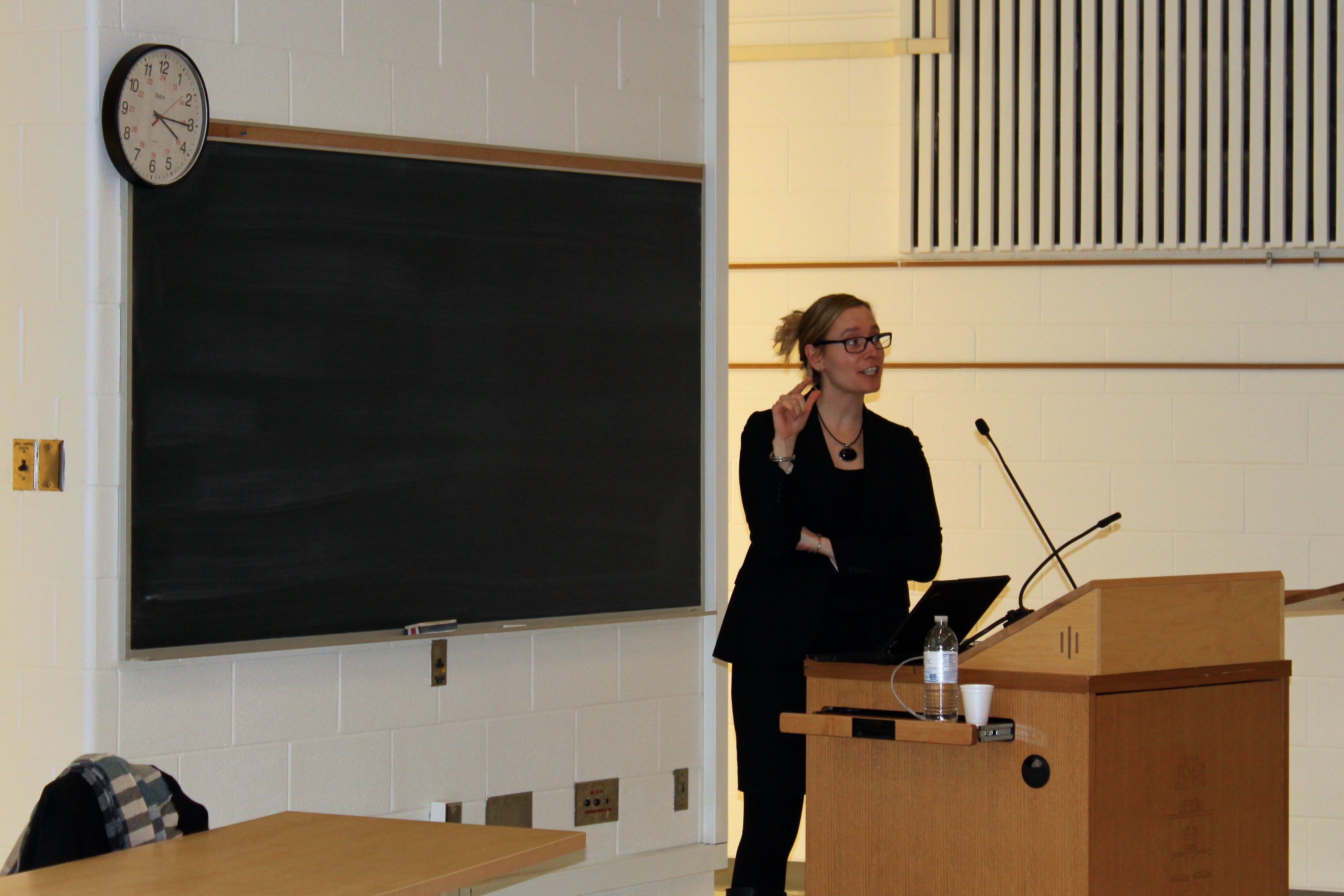
In February this year I co-chaired the 11th annual networking reception for the Life Sciences Career Development Society (LSCDS) at the University of Toronto. I invited Lauren Celano from Propel Careers to give a keynote speech on the job market and strategies for successful job searches (she also gave a great talk about informational interviewing). Although the scope of the talk centred on life sciences, many of the strategies discussed can be extrapolated to other fields of expertise.

A strategic job search requires an amalgamation of self-reflection, proactive skill building, research of job markets and organizations, and setting goals. Celano pointed out that PhDs have a whole ecosystem of companies in which they can secure employment, including companies of different sizes that they can work for (global, local, large, medium, and small) and different types of companies (biotechnology, venture capital, law firms, marketing and communications etc.). Celano articulated some useful strategies for making informed decisions in a job search. I found them particularly helpful, so I wanted to share them with you. Continue reading

From start to finish: A guide to informational interviewing

Informational interviews, when properly prepared for, are a powerful career and self-development tool.

Contributor Prital Patel

informational-interviews-patel-naturejobs-blog

Lauren Celano, Propel Careers{credit}Image credit: Shawna Lu and Jennifer Gorman{/credit}

In 2014 I attended the Naturejobs Career Expo in Boston as a reporter, covering a talk delivered by Lauren Celano of Propel Careers on how to look your best on paper (here’s part 1 and part 2). I am currently an executive member of the Life Sciences Career Development Society (LSCDS) at the University of Toronto, a platform for assisting graduate students in exploring career options outside of academia. I worked as part of a team to organize a networking reception to give researchers at University of Toronto an opportunity to engage and network with life sciences professionals in non-academic roles. As a prelude to the event, Celano gave a seminar on informational interviewing and effective networking.

“Informational interviews are one of the most powerful tools available to graduate students and academics who wish to figure out what exactly it is they wish to do.”- Lauren Celano

Typically lasting between 15-30 minutes, informational interviews can happen anywhere ranging from coffee shops, Skype or even the telephone. They are an opportunity for job seekers to gather information about jobs and companies that are of interest to them.

As a graduate student, I can attest to the fact that the number of “non-traditional” career options I can pursue are numerous. Whilst the possibilities are exciting, they quickly become overwhelming. As Celano pointed out, narrowing down where your interests lie is crucial for proper time management, especially as it allow you to effectively develop career-specific networks and prepare for job interviews. I’ll admit that reaching out and speaking to strangers over an informational interview seemed very daunting at first. However, Lauren simplified it into a step-by-step process making it easier for me to find a structured approach to take.

Continue reading

The postdoc series: The podcast

Postdocs are urged by peers and senior scientists to help change the postdoc research culture.

Naturejobs-podcastAt the end of 2014, two papers were released reviewing the postdoctoral research space and suggesting ways to improve it. The first, Shaping the future of research, is a paper written by postdocs themselves and gives their point of view based the Future of Research symposium that they held in Boston in October 2014. The symposium brought together early career researchers to discuss (and maybe complain a little about) the postdoc part of the academic career track. We’ve mentioned it in part 3 of the postdoc series: The plight of the postdoc.

The second report, The postdoctoral experience revisited, was commissioned by the National Academies in the USA, and was chaired by Gregory Petsko, professor of neuroscience at Weill Cornell College of Medicine in New York City. This report revisits a similar report that was written in 2000, to see whether or not any of the suggested action points had been followed through and whether or not they had made any difference.

In this podcast I speak to Petsko, as well as Gary McDowell, a biology postdoc at Tufts University and to Kristin Krukenberg, a systems biology postdoc at Harvard Medical School, both of whom were authors of the Future of Research paper. The aim of the podcast is to get an overview of each of the reports, to see how similar they are, and whether or not the suggested action points made bby each paper are in any way feasible. This section starts at 6minutes into the podcast.

The main take away message from both reports, and the podcast, is that this grass-roots movement of postdocs starting conversations and looking for ways to change the current system is a good thing. Educating yourself about your ptoential future careers in a good thing. these messages reflect those from other podcasts that I’ve done this year: Take control of your own careers.

But before we get into that, the podcast also features Monya Baker, one of the Nature Careers editors, who shares some of her favourite Nature Careers and Naturejobs stories this month. She mentiones the postdoc series on the blog (yay!) but also a story about indecent advances in science.

If you haven’t come across the postdoc series before, you can catch up here:

Part 1: Insights, options, careers

Part 2: What is a postdoc?

Part 3: The plight of the postdoc

Part 4: Postdocs in industry


Entrepreneurship: A wide open career path

Entrepreneurship is not an endeavour reserved for the talented, it’s a set of skills anyone can learn.

Contributor Annalise Smith

entrepreneurship

Professor Simon Mosey{credit}Credit: Annalise Smith{/credit}

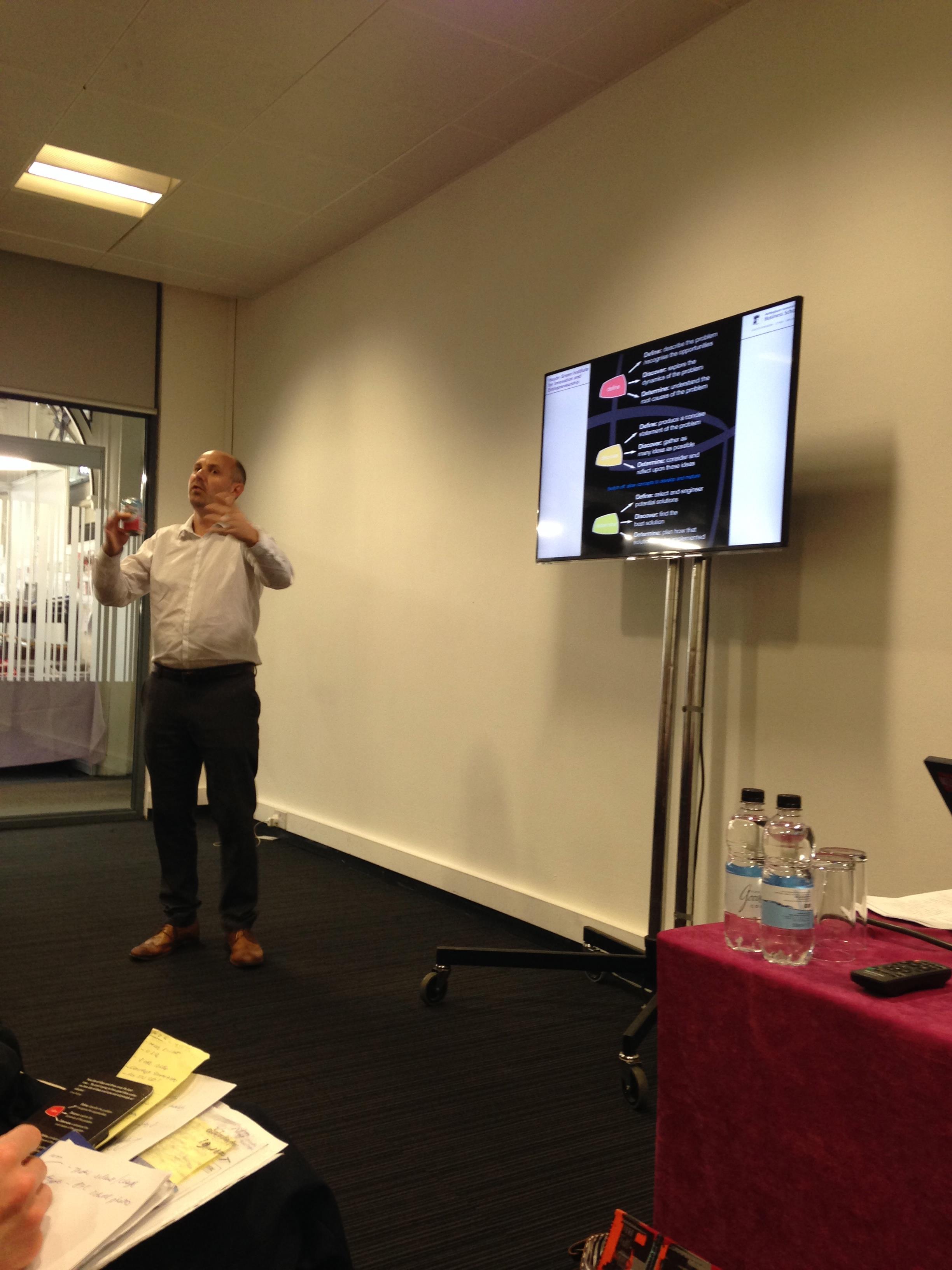
Entrepreneurship is often viewed as an endeavor reserved only for the very select few who were born with a rare combination of talents. Not so, said Simon Mosey, Professor of Entrepreneurship and Innovation at Nottingham University Business School, speaking at the Entrepreneurship for Scientists and Engineers Workshop at the Naturejobs Career Expo in London on September 19.  “Entrepreneurship is a set of skills that anyone can learn,” he declared.

Mosey similarly punctured what he said were two other myths about entrepreneurship: that entrepreneurs can see into the future and that entrepreneurs do it all themselves. These myths suggest that stars such as Steve Jobs and Mark Zuckerberg have skills that others lack. Mosey called these notions “nonsense.” Success in entrepreneurship is “not an individual pursuit” he explained. Behind Job’s and Zuckerberg’s success “is a large team of clever individuals working together in a group to realize the common vision.”

Mosey outlined a series of steps for pursuing an entrepreneurial opportunity.

Stage I: Problem Definition

It all starts with a problem, but identifying a problem that needs solving. Mosey outlined how to approach this in three steps: 1) Describe the problem and recognize the opportunities. 2) Explore the dynamics of the problem and 3) Understand the root causes of the problem. This will provide a solid foundation to then move on to using science or technology to do something about it. Continue reading

Are you talking to me?

Melissa JonesIntroducing Melissa Jones, one of the London Naturejobs Career Expo journalism competition runners-up.

I am an alumna of California State University Long Beach and a PhD candidate in Biomedical Sciences and Translational Medicine at Cedars-Sinai Medical Center in Los Angeles, California. My scientific interests include molecular mechanisms of human diseases, stem cell biology, and vision research. As a Southern California native, I enjoy going to the beach, running, and reading. My favourite book is Jurassic Park by Michael Crichton, because I like the moral that scientists should think about the consequences of their research in addition to the technicality of the experiments.

—-x—-

I am the only person in my family not pursuing a career in business. While they discuss market strategies, I am busy trying to figure out why I’ve been stuck on this antibody that hasn’t worked for the last four years (A little help, Santa Cruz Biotech?).

But my family and I aren’t worlds apart in the way we think, it’s just the jargon that we use. Science can be considered as a business, whether a biotech company or in academia. Scientists try to sell their ideas to grant review committees, a class of undergraduate students or to a group of donors. An important aspect of it is how well you are able to pitch your idea in a clear and productive manner, a task that many people often forget and a trait that is hard to teach. Continue reading

A STEM major offers career opportunities in all sectors

On 10 July 2014, the United States Census Bureau published an interactive visualisation of careers that college graduates go on to have, based on data it has collected via the 2012 American Community Survey.

Census-data-visualisation

Screen shot from the US Census Bureau website

The graphic links US graduates who majored in STEM (Science, Technology, Engineering and Mathematics) to the jobs they went on to do. By moving your mouse over the label for each STEM subject, you can see the main destination occupations for those graduates. For example, the majority of students majoring in biological, environmental and agricultural sciences ended up working outside the STEM occupations, notably in healthcare.

Some interesting patterns emerge from this graphic. For example, almost half of graduates from courses in engineering or computers, mathematics and statistics stay in STEM-related careers. For all other STEM majors, most graduates end up working in other fields.

It’s also interesting to view it from the other direction. Hover your mouse over the occupational group, and you can see the proportion of graduates from each STEM discipline and what subjects these people studied as their major at college (graduates from non-STEM disciplines are not shown on this graphic, but can be found on one of the other tabs). For example, of the STEM graduates in the business and financial sector, the majority are drawn from the social sciences – which might be surprising if, like me, you thought it would be maths.

The graphic also allows you to split the data according to gender, showing, for example, that STEM-related occupations make up a smaller percentage of jobs for women STEM graduates than for men. The data can also be split according to ethnicity.

This shows what the work force of 2012 is doing, and what they studied, and is an interesting but high-level overview. It would also be useful to know, for example, when they graduated, and whether they are following STEM careers in or outside of academia. Although they don’t have that information, they do have something more.

If you dig a little deeper, you’ll find some more stats that the US Census Bureau collected on median estimated earnings of college graduates split by field of bachelor’s degree, occupation, gender, and STEM-specific roles. They also compare STEM eployement rates across all US states. They surveyed “Full-time, year-round civilian employed aged 25 to 64 with a bachelor’s degree or higher level of education.” Below are just a few highlights.

Across the entire sample, the highest median earners were those with a degree in engineering ($92,883) while the lowest were those from the visual and performing arts ($50,684).

The gender difference is stark. The largest pay gap exists between men and women who have received a bachelor’s in physical and related sciences. Here, the median wage for a man with is $89,558. For a woman, it’s $61,907. Across all other bachelor degrees, the difference in median earnings between the sexes is approximately $15,000. But, the data doesn’t show how long people have been working in their respective occupations. they may be comparing people (men and women) who have only just entered the job market with those who have been working for 20 or more years.

The combination of this visualisation with the data on median earnings can be useful for anyone in STEM looking at their career paths. What it shows is that your career choices aren’t limited – US graduates with a STEM major seem to be able to find work in any occupational field, with certain states employing more than others – and certain careers paying more.

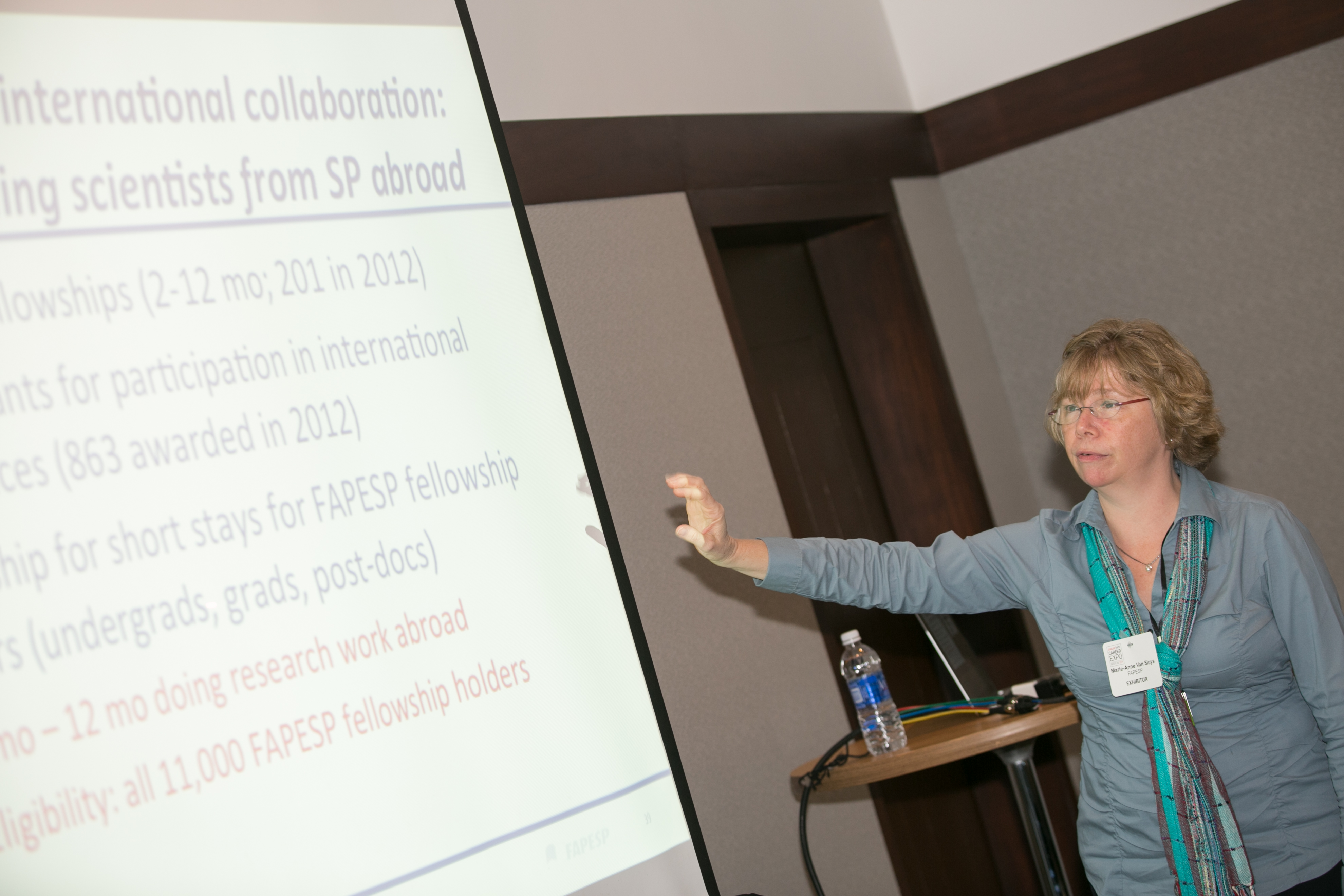
Research opportunities in São Paulo

Contributors: Lynn Kimlicka, Prital Patel and Saheli Sadanand

Research Opportunities in Sao PauloMost of us currently associate Brazil with football, the Amazon rainforest, and Carnival. Add extensive, well-funded research opportunities to the list.

Brazil has a growing economy, with the seventh largest gross domestic product (GDP) in the world. In addition, it has a growing bioenergy industry and robust agribusiness. With the resources to perform cutting-edge science, Brazil is now looking to strengthen its scientific research community.

International work experience is becoming an expected entry line on researchers’ CVs if they hope to climb the academic ladder or gain a tenured position. Multitudes of organisations now aid scientists in seizing such global opportunities. São Paulo Research Foundation (FAPESP), Brazil’s largest publicly funded, regional grant funding institution, is one such example. Continue reading

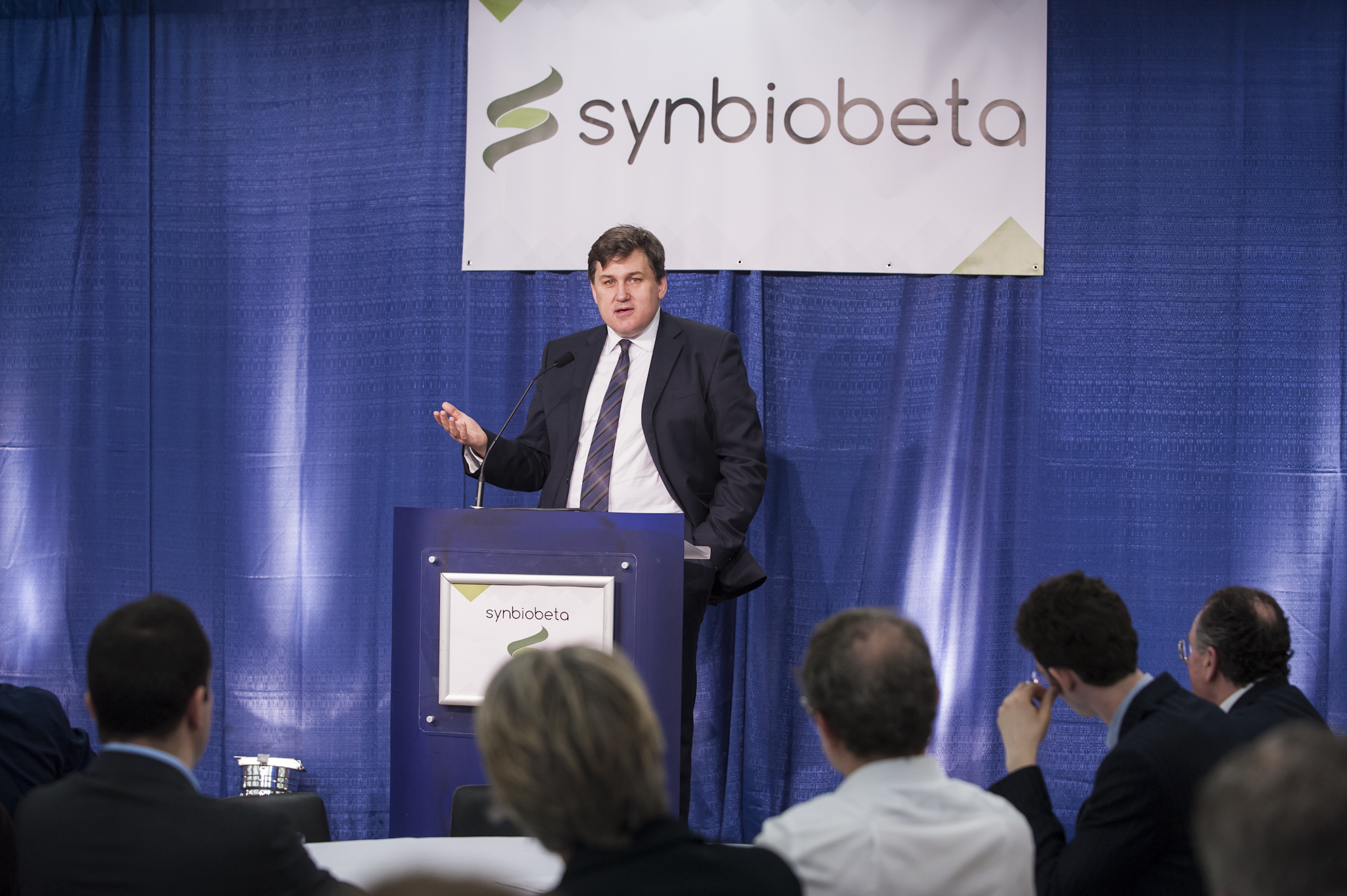
London’s biotech hub with Kit Malthouse

Is London ready to become the next biotech hub?

Kit Malthouse

{credit}Hannah Lucy Jones{/credit}

In this month’s Windback Wednesday series, we’re all about entrepreneurship: what it takes to be one, how to become one and more. But if you’re based in London, it’s not so easy. Although it’s got the brains and research centres to make it a hub, setting up shop in London is the tricky part. In this podcast, I speak to Kit Malthouse, the Deputy Mayor of London for Business and Enterprise, and find out how London is preparing to become the next biotech hub.

Kit Malthouse, the Deputy Mayor of London for Business and Enterprise has big plans for London. In his speech at SynBioBeta event at Imperial College London, he spoke of his dreams of London becoming the next big hub for biotech start-ups. He is aware that the foundations for this already exist.

“To a certain extent we already are. We have a huge life sciences sector.” Five large research institutes, many hospitals, Institute for Cancer Research the Crick Institute (soon!) and many more are part of an ecosystem that already exists in London. But what the Deputy Mayor hopes to do is “give it some coherence, so that it comes together as an entity… promote it, and fundamentally attract investment in.” 

Continue reading