The Great Pyramid’s void, deadly heat and more: the most popular science stories of 2017

24 of 2017’s top papers in the Altmetric Top 100 were published in Nature Research journals: Nature, Nature Communications, Nature Neuroscience, Nature Climate Change, Nature Ecology & Evolution, Nature Geoscience, and Scientific Reports.(24/100 is in fact the same number as last year.)

Launched today, the annual Atlmetric Top 100 showcases the research published this year that’s caught the public eye through international online attention. By tracking what people are saying about scholarly articles in the news, blogs, on social media networks, Wikipedia and many other sources, Altmetric calculates an Attention Score for each paper.

In this blog, our team in the Nature Research Press Office has picked some of their favourites, summarised their findings, and linked to coverage they received in the wider media. The full list is available on altmetric.com/top100/2017.

For articles from our subscription journals, the links below (and on the Altmetric page) include Springer Nature SharedIt links, which means anyone can read them. SharedIt, our free content-sharing initiative, was launched in October 2016, and last month we released data on how it’s being used.

#4 NatureCorrection of a pathogenic gene mutation in human embryos
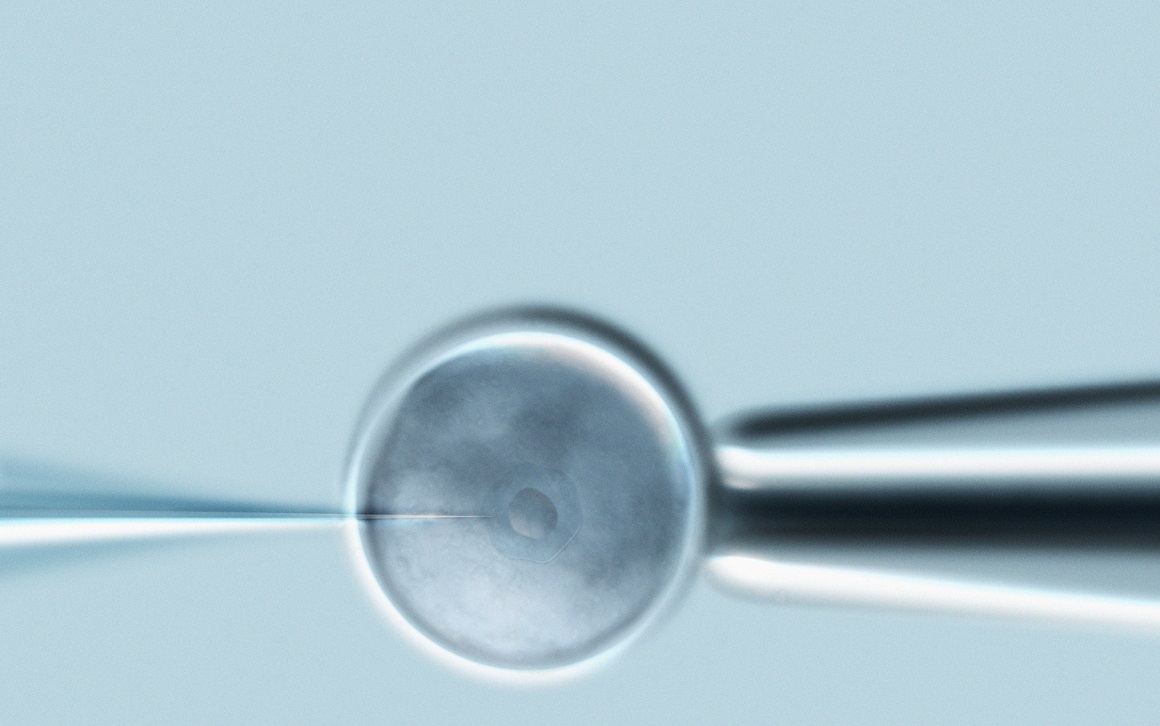
The correction of a disease-causing mutation in preimplantation human embryos using the CRISPR-Cas9 genome-editing technique was reported in a Nature paper published in August. The findings could increase our understanding of the safety and efficacy of editing the DNA of the human germline, although many issues remain to be considered before clinical applications can be explored.

The story received extensive media coverage around the globe, featuring on the front page of The New York Times, The Washington Post and The Guardian, and generating broadcast coverage on the BBC News at Six and Ten, Good Morning America and Japan’s NHK.

#10 Nature Communications – An extra-uterine system to physiologically support the extreme premature lamb

Credit: Children's Hospital of Philadelphia

Credit: Children’s Hospital of Philadelphia

A system that supports extremely premature lambs in an external artificial womb was demonstrated in a study published in Nature Communications in April. The lambs were supported for four weeks, which is the longest time an extra-uterine device has been shown to maintain stable animal function.

Several papers ran the story in print, including the Wall Street Journal, The Times, and The Guardian. Other media articles included The Economist, STAT, El Pais, Zeit Online, Science and Le Monde. It also featured on the BBC’s Newsnight.

#12 Nature – Seven temperate terrestrial planets around the nearby ultracool dwarf star TRAPPIST-1

Cred: NASA/JPL-Caltech

Cred: NASA/JPL-Caltech

The discovery of seven Earth-sized extrasolar planets orbiting the nearby dwarf star TRAPPIST-1 was reported in Nature in February. The study suggested that the six inner planets in the planetary system are located in the temperate zone, where the temperature at the surfaces of these planets could be between 0 and 100 degrees Celsius.

The research was highlighted in the Google Doodle and on several front pages, including The New York Times and The Wall Street Journal. Some of the other coverage included the BBC News at Ten, The Economist, People’s Daily and Le Monde.

#21 NatureGlobal warming and recurrent mass bleaching of corals
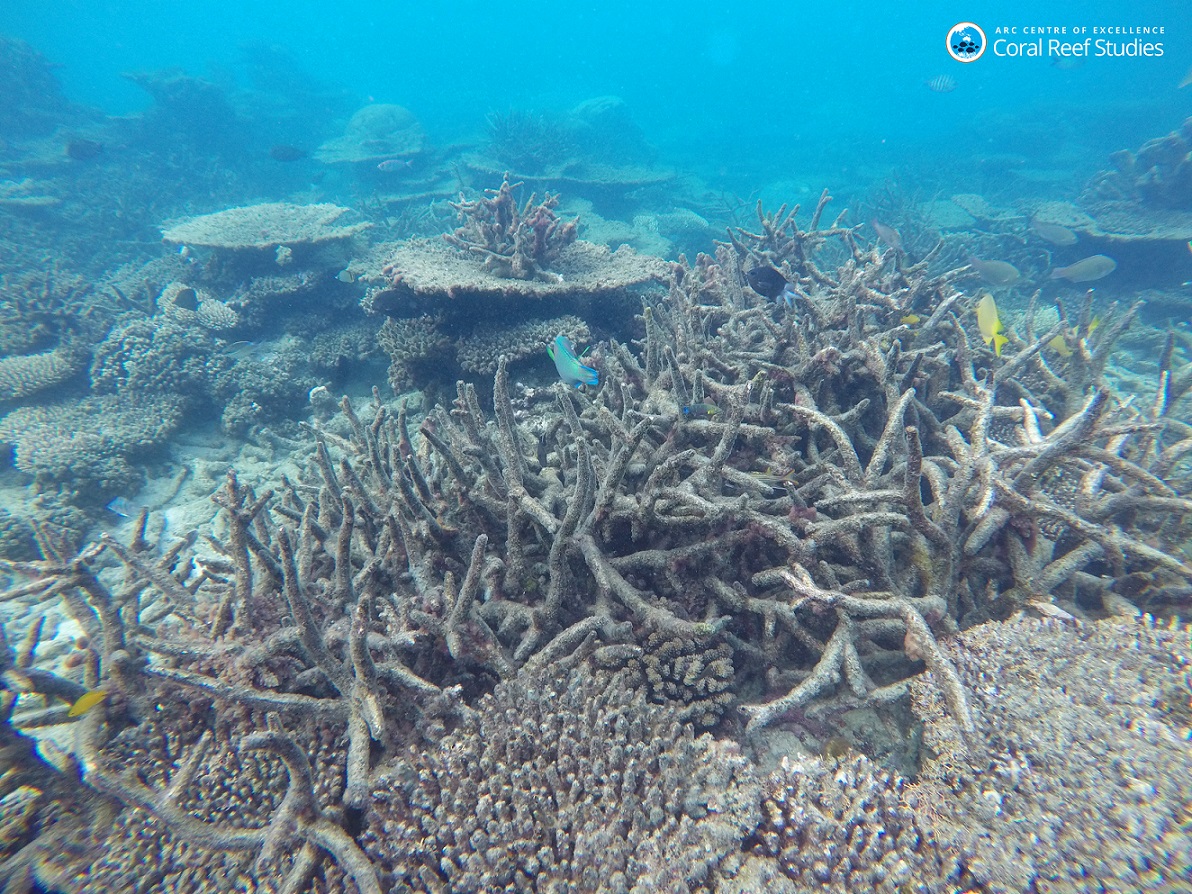
Cred: Greg Torda, ARC Centre of Excellence for Coral Reef Studies

Cred: Greg Torda, ARC Centre of Excellence for Coral Reef Studies

Immediate action to reduce global warming is needed to protect coral reefs from severe bleaching events, according to a study published in Nature in March. A detailed analysis of the Great Barrier Reef over the past two decades demonstrated that extreme heat is the key driver of mass bleaching. As temperatures continue to rise, further bleaching events are likely, which may push the reef system beyond recovery, the authors concluded.

There was extensive international coverage of the story, including the front page of The New York Times, The Financial Times, NPR, PBS Newshour and Die Zeit.

#23 Nature Neuroscience – Pregnancy leads to long-lasting changes in human brain structure

Pregnancy leads to structural changes in the brain that persist for at least two years, according to a study of 25 first-time mothers published in Nature Neuroscience last December. The study found that these changes occur in regions that are involved in social cognition and that respond to images of the mother’s infant. Furthermore, the extent of the changes can predict a mother’s attachment to her child.

The story featured on Good Morning America (ABC) and CBS This Morning and was also covered by BBC News, San Francisco Chronicle, The Guardian, The Washington Post, and Xinhua.

#30 NatureDiscovery of a big void in Khufu’s Pyramid by observation of cosmic-ray muons

Cred: ScanPyramids mission

Cred: ScanPyramids mission

A hidden internal structure in Khufu’s Pyramid, the largest pyramid in Giza, Egypt, was uncovered in research published in Nature in November. The discovery was made using cosmic-ray based imaging, demonstrating how modern particle physics can reveal new information about ancient structures.

The study received global media interest, including The Economist, The Guardian, The New York Times Reuters El País and Xinhua.

#42 Nature Climate Change – Global risk of deadly heat

About 30% of the world’s population is currently exposed to potentially deadly heat for 20 days per year or more, and failure to reduce greenhouse gas emissions will increase the risk substantially, reports a paper published in Nature Climate Change in June. The study suggests it is now almost inevitable that excess heat represents an increasing threat to human life, but that this threat will be greatly aggravated if greenhouse gas emissions are not considerably reduced.

Publication coincided with heat waves across the northern hemisphere, and the paper was covered by Nature, Reuters, El Mundo, Le Monde, The Guardian and National Public Radio.

#63 Nature Communications – A bioprosthetic ovary created using 3D printed microporous scaffolds restores ovarian function in sterilized mice

A 3D-printed, microporous scaffold that supports the development of mouse follicle cells (egg-producing cells found in ovaries) and can be used to restore ovary function in surgically sterilised mice was described in a Nature Communications paper published in May.

The research led to coverage by outlets including Wired, The Guardian, NPR and El Pais. It was also popular in China, resulting news stories from the likes of Sohu, Xinhua and People’s Daily.

#82 Nature Ecology & Evolution – Bioaccumulation of persistent organic pollutants in the deepest ocean fauna

A Nature Ecology & Evolution paper published in February found extremely high levels of pollution in two of the Earth’s deepest oceanic trenches, suggesting that anthropogenic surface pollution can reach the farthest corners of the Earth. It was covered by The Wall Street Journal,  BBC News, NPR, People’s Daily, The Guardian, and The Washington Post.
Women in astronomy and computer science: There’s still work to do

This article comes from Kimberly Kowal Arcand, Visualisation Lead for NASA’s Chandra X-ray Observatory. It forms part of a wider report issued by technology company Digital Science to coincide with Ada Lovelace Day, the annual celebration that promotes women working in Science, Technology, Engineering, and Maths (STEM). 

Championing The Success of Women in Science, Technology, Engineering, Maths, and Medicine” includes a collection of think pieces around current issues faced by women in STEM authored by industry leaders. The report explores areas of gender inequality and potential causes of this inequality, offering up a collection of solutions.

Computer science is the only field in science, engineering and mathematics in which the number of women receiving bachelor’s degrees has decreased since 2002 – even after it showed a modest increase in recent years.” Selena Larson.

This is my story, but it is also the story of countless others.

My career is found at the intersection of two forward-looking and fast-paced fields: astronomy and computer science. While I never mapped out this particular trajectory, it’s been a compelling and fascinating journey so far – I look forward to where I can go from here.

Unfortunately, success in these STEM (science, technology, engineering, and math) disciplines is not a given for many, especially women and people of colour. Far too often, there are hurdles and obstacles – many unseen and unrecognised – to reach key milestones for those who fall outside the traditional perception and background of what a scientist, technologist, engineer or mathematician should be and where they should come from.

Those who do navigate the gauntlet of challenges and go on to have careers in the fields of STEM may have their contributions overlooked or even dismissed.

There are many who persevere, however, and Ada Lovelace Day is an opportunity to celebrate such accomplishments. While we need to look realistically at the current landscape in STEM fields for women and other underrepresented groups, we can hopefully remain optimistic that the power to change the situation lies within all of us.

Let’s see where experts believe we are and where we still need to go in the two fields where I have spent most of my professional life.

In Silicon Valley, workers at major employers such as Google, Apple, and Facebook are 70 per cent male. Why are there so few women in computer science?

According to Selena Larson, key factors include an overall culture that encourages girls to play with dolls, not robots, and turn their thoughts towards more “traditionally female careers”, accepting the strong stereotype, which developed in the mid-80s,[1] that programmers are typically young white males. This attitude continues into high school and well beyond. For example, male students (81 per cent) [2] take the advanced placement computer science course at a higher rate than female students (19 per cent).

It’s not all bad news, thankfully. Many individuals and organisations have worked tirelessly – particularly in recent years – to open the field of computer science to all who are interested. By 2020, it is estimated that there will be 1.4 million computer-science related jobs available in the US, but only 400,000 [3] computer science graduates to fill them. What’s being done to help women and others be included in that missing million workers?

Making changes in computer science

Continue reading

Career paths: Out of the Ivory Tower

Taking small steps to build up your transferable skills and contacts can be the key to moving away from academia and towards your dream job.

Guest contributor Lauren Emily Wright

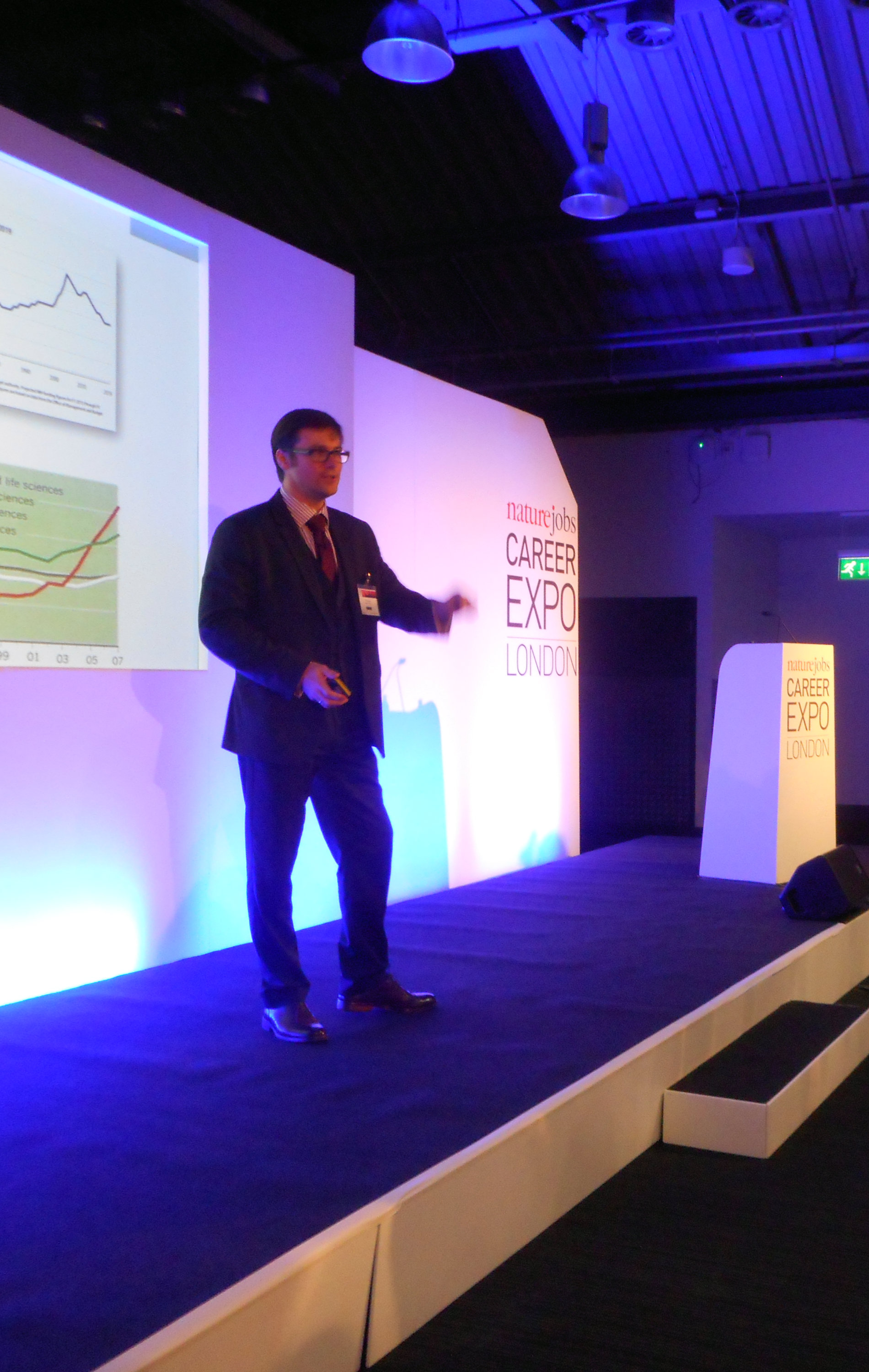
Phill-Jones-NJCE15-Keynote-naturejobs-blog

{credit}Image credit: Lauren Emily Wright{/credit}

Ever thought “I want to leave academia, but all I know is lab work”? Well despair no more — the path out isn’t as treacherous as it may seem. In a great keynote speech at the Naturejobs Career Expo 2015 on 18 September 2015, Phill Jones told the story of how he left academia to become the head of publisher outreach at Digital Science, a company that provides a multitude of services to scientists, institutions, publishers, and funding bodies.

Jones gave the audience the sense that calculated planning and sheer luck had both played their part in his career. With a PhD in physics, he was firmly grounded in the world of academia. But after following his wife to Boston, Jones realised that a postdoc in physics would be hard to come by in such a biology-centred city. “I had to be a little more flexible in my career,” he said.

As Jones notes, it is necessary to have an open mind when thinking of changing career paths. “You can’t think ‘all I know is how to pipette’.” Instead, think about what sort of transferrable skills you can offer an employer. For example, Jones finished his PhD with an in-depth knowledge of optics — perfect for a position in a biology lab that used optical imaging to investigate strokes.

But how can you identify which transferrable skills you already have, and which you need to gain for that ideal new career? How can you make contacts outside academia? Continue reading

Metrics with meaning: Shaping your scholarly identity

Tracking scientific output can be beneficial to a researcher’s career, says Catherine Chimes.

Contributor Catherine Chimes

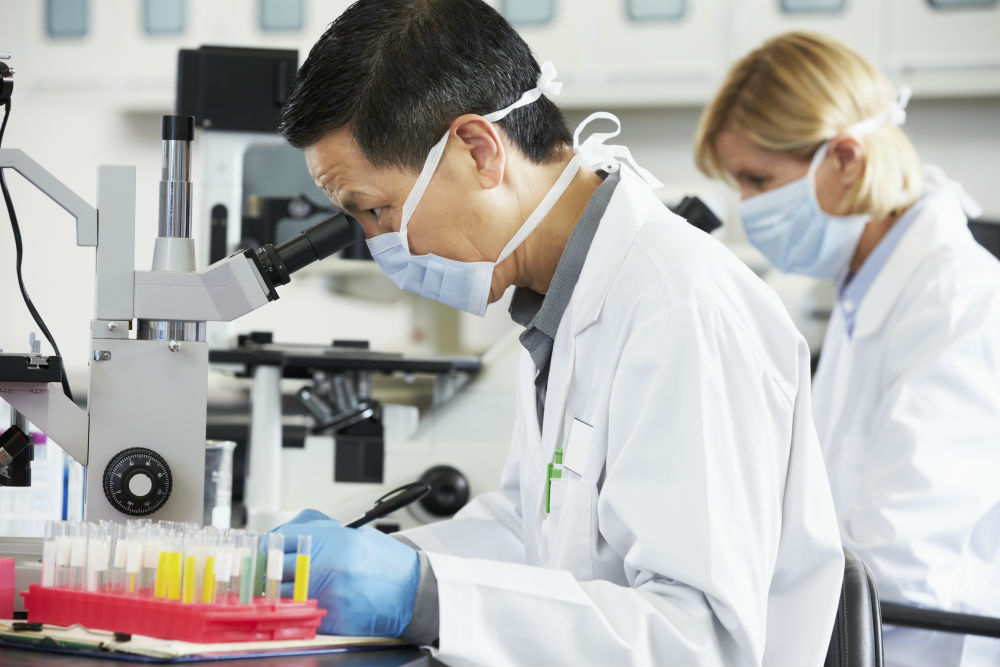
lab-scene-naturejobs-blog-2

{credit}Image credit: Getty Images/Thinkstock/Catherine Yeulet{/credit}

Establishing yourself in your field is a challenge faced by many early-career researchers and academics. Accruing status as indicated by traditional methods (such as journal citation counts, public speaking opportunities and, at the pinnacle for some, being awarded tenure) can be fraught with difficulty in more ways than one.

As more and more scholarly work is reviewed, published and made publicly available each year in an increasing variety of formats, one question stands out: what other indicators are there that scholars can utilize to evidence the impact of their work?

Achieving recognition and credit for the work accomplished is crucial to advancing any scientific career. Recent articles have discussed the danger in publishing for publishing’s sake – instead, experts enthuse, the emphasis should be on publicly available, reproducible, robust data and outputs that extend far beyond the journal article. Continue reading

The Unbearable Clunkiness of Sharing

Timo_Hannay_70px Guest Post by Timo Hannay, the Managing Director of Digital Science 

This year marks the twentieth anniversary of my PhD in neurophysiology. Given the pace at which science progresses, this surely means that most of what is known about the brain has been discovered since I left that lab – possibly not by coincidence. It also means that I am, by some official definition, an old fart. So indulge me and allow a brief reminiscence.

When I were a lad – or at least, when I were int’ lab – reading the literature meant handling dead trees. Keeping up with the most relevant journals involved manually flipping through their pages. Retrieving a publication from the archive meant a visit to ‘the stacks’ – vast arrays of wooden shelves – and more often that not, a stepladder or two.  Building a personal library involved hour after hour of pressing down huge tomes against the bright glass panel of a photocopier and inserting a stream of 10p coins.  And doing any of these things at all first required a hike down the road to the library, and then back again to the lab.

Oh how times change. Little more than half a generation later we take completely for granted our ability to reach almost any journal article we choose – seated at our desks and in just a few clicks – and to search the corpus of published human knowledge in milliseconds.  How clunky and quaint those old ways now seem. Why did we ever put up with them?

Continue reading

Publishing initiative makes research widely available to read and share

Macmillan Science and Education, the parent group of Nature Publishing Group, has today announced an initiative that will make research articles on nature.com widely available to read and share.

The initiative aims to support collaborative research and make it easy for readers to share a wealth of scientific knowledge with researchers and scientists worldwide.

From today, subscribers to 49 journals on nature.com will be able to share the full-text articles of interest with colleagues who do not have a subscription. This will be done through a shareable web link on nature.com that will go through to a read-only version of published research. To add to this, more than 100 global media outlets and blogs that report on the findings of articles published on nature.com will be able to provide their own readers with a link to a full text, read-only view of the original scientific paper.

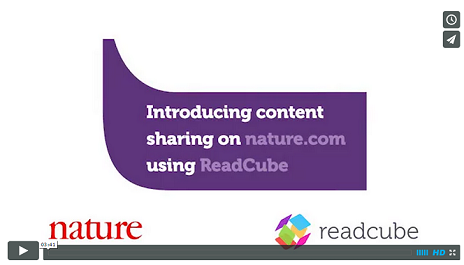
Watch the video demonstration of how this works here.

video pic 2

“In today’s global, internet-enabled world, we think we can meet the needs of science and society better,” says Steven Inchcoombe, CEO of Nature Publishing Group.

He continues: “We’re committed to adapting to meet the needs of the community, and to basing our decisions on an evidence-based approach. We are conducting our own ‘experiment’ to understand how best to help the sharing of knowledge in a sustainable way. Working with authors, readers, libraries and journalists, we hope to learn a lot.”

Listen to Steven Inchcoombe, CEO of Nature Publishing Group and Timo Hannay, Chief Executive of Digital Science talk about the launch here.


https://vimeo.com/user13098047/review/113262768/539fc2ff23

The initiative includes Nature, the Nature family of journals and fifteen other quality science journals.  This means scientists and students at more than 6,000 universities and organisations worldwide will be able to share article to aid collaboration, for personal, non-commercial use.

Digital Science’s portfolio company Readcube has developed the technology behind the initiative and further functionality will give subscribers the option to annotate, share comments and highlight text with colleagues.

Nature Publishing Group has also released a new beta policy to accompany the initiative. It will be adapted and refined over a one year period, based on community feedback. The policy is based on reasonable use. More detail is available here.

Follow the hashtag #scishare for updates on the pilot process.


SpotOn London 2014 – Fringe Events

To accompany this year’s SpotOn London conference, at the Wellcome Trust on Friday, 14 November and Saturday, 15 November, we have a number of exciting fringe events taking place around London.

Tickets are available for the main event and you can read about the workshops, panels and unconference here. This year’s theme looks at the challenges of balancing the public and the private in the digital age.

Here’s the run-down on fringe events taking place across the week.


Pint of Science Logo with GlassesPint of Science

When: Thursday 13th November 2014, 7pm – 11pm

Where: The Driver, Wharfdale Road, King’s Cross

Pint of Science have teamed up with SpotOn London to offer an evening of informal, fun science talks relating to science policy, communication and preventing fraud in science.

In between pints and talks we’ll gather around for some good old fashioned storytelling with a science theme.

Speakers so far include Professor Tony Segal (UCL), who will be talking about how we can prevent fraud in science and Dr Aeneas Wiener (Cytora), who will talk about how his company Cytora uses open data to assess real time political risk. A third speaker will be announced shortly.

The event will be held the evening before the SpotOn conference, in The Driver pub near King’s Cross, on Thursday 13th November at 7pm.

Tickets cost £3 and are available at https://www.wegottickets.com/event/295178.


science showoff 2014 logo

Science Showoff

When: Friday 14th November 2014, 7pm – 10pm

Where: Basement bar, The Star of Kings pub, London

Science Showoff is the anarchic science cabaret night that gives everyone the chance to share their love of science in whatever chaotic way they like.

The stage at the Star of Kings will be full of SpotOn conference delegates and the cream of London’s science communication scene, talking about science, telling jokes, doing demos, playing songs… hell, they can do an interpretive dance if they want to as long as it relates to science.

The whole thing is loosely held-together by our MC and super-nerd Steve Cross, who will be keeping our acts to time and getting science completely wrong for laughs.

Tickets cost £6 with all donations going to the Lightyear Foundation charity and are available at https://www.wegottickets.com/event/295387

Get involved: If you think you’ve got what it takes to showoff your science and you want to take part, we’re currently looking for five performers who are attending SpotOn London 2014 to perform 9-minute sets, communicating any kind of science in any way at all. You could:

Continue reading

Celebrating Women in Publishing – Google Hangout Today

Screen Shot 2014-10-13 at 11.33.32

As part of Ada Lovelace Day, an international celebration of the achievements of women in science, technology, engineering and maths, Digital Science, has organised an exciting online panel discussion on gender issues in STEM.

The panel consists of Nature’s Sara Abdulla, Digital Science’s Amy Brand and Mariette DiChristina from Scientific American.

Topics of discussion will include peer review and author name ordering, the impact of social media and blogging on gender imbalances, the media’s representation of scientists and issues around science education and the impact of new technologies and digital tools on gender imbalances,

The event will last 30 minutes and it will take place at 9.30pm UK time / 4.30pm EDT on Tuesday 14th October. You can tune in here.

Digital Science’s Amy Brand recently did an online interview with STEMwomen.net tackling similar themes. You can read our write-up and watch the full interview here.

SpotOn London 2014 Draft Programme

Screen Shot 2014-10-02 at 15.13.36

We’re pleased to announce that the SpotOn London conference will take place at the Wellcome Trust on Friday, 14 November and Saturday, 15 November 2014.

This year’s theme will be on the challenges of balancing the public and the private in the digital age. Friday will see panels, workshops and keynotes on topics including: sharing sensitive data, measuring social impact, open peer review and the right to be forgotten. In an exciting change to our Saturday programme, SpotOn London will be hosting an unconference completely picked and run by the community within this year’s theme.

Find out more details about the event in our previous blog post.

Tickets go on sale today at noon (UK time) via our Eventbrite page.

This year there are two ticket types, a full two-day conference ticket (£60) and a Saturday only ticket (£35) – which includes breakfast, lunch and other refreshments.

As the conference has sold out every year, we recommend buying your ticket as soon as possible to avoid disappointment.

Continue reading