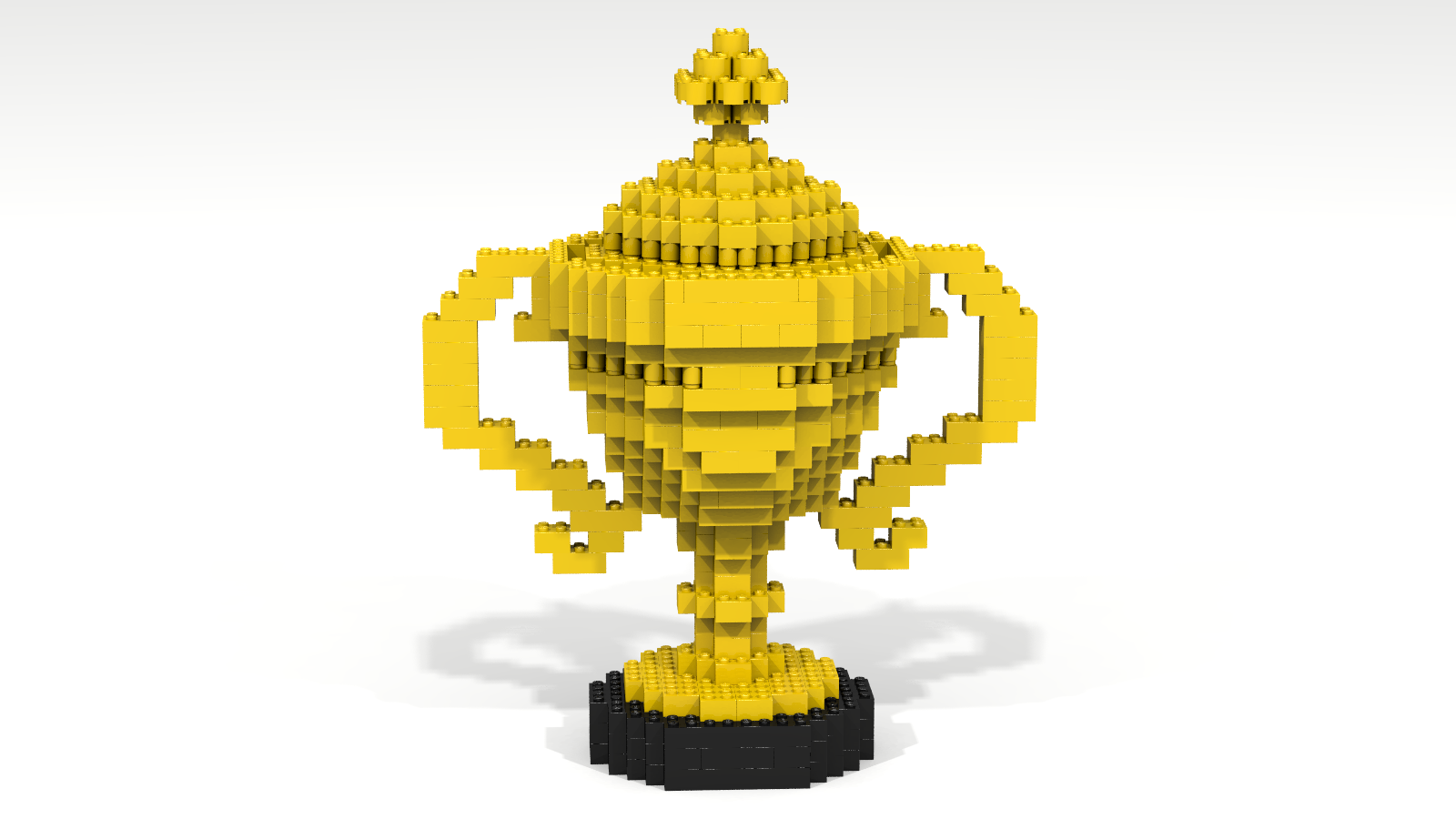
Science competitions earn you fame, glory and transferable skills

Competitions aimed at early career researchers fill the gap between a PhD and a ‘real world’ education, says Réka Nagy.

My PhD journey is coming to its end and I am considering a non-academic career. Looking at job descriptions, I know I tick the box marked ‘strong analytical and problem-solving skills.’ However, there are other boxes to consider: ‘Strong time and project management skills.’ ‘A team player with a proven track record of collaborations.’ ‘The ability to communicate clearly and concisely to a wide range of stakeholders.’

I worked in a ten-person research group but I did most of my work on my own – does that really make me a team player? And what does “a wide range of stakeholders” mean, anyway? I don’t have the time or money to pursue further training to gain these skills, and I feel like the four years I spent getting my PhD in Human Genetics were a waste.
13158201924_305223a6e9_o

{credit}David Luders/Flickr https://www.flickr.com/photos/42988571@N08/13158201924{/credit}
Continue reading

The talent prize that flies the Spanish flag for organometallic chemistry

In 2016 Eva Hevia published her 100th paper, had her second child, celebrated her 40th birthday, and won a £14k prize which she will use to strengthen links between scientists in the UK and her native Spain. David Payne attended the prizegiving.

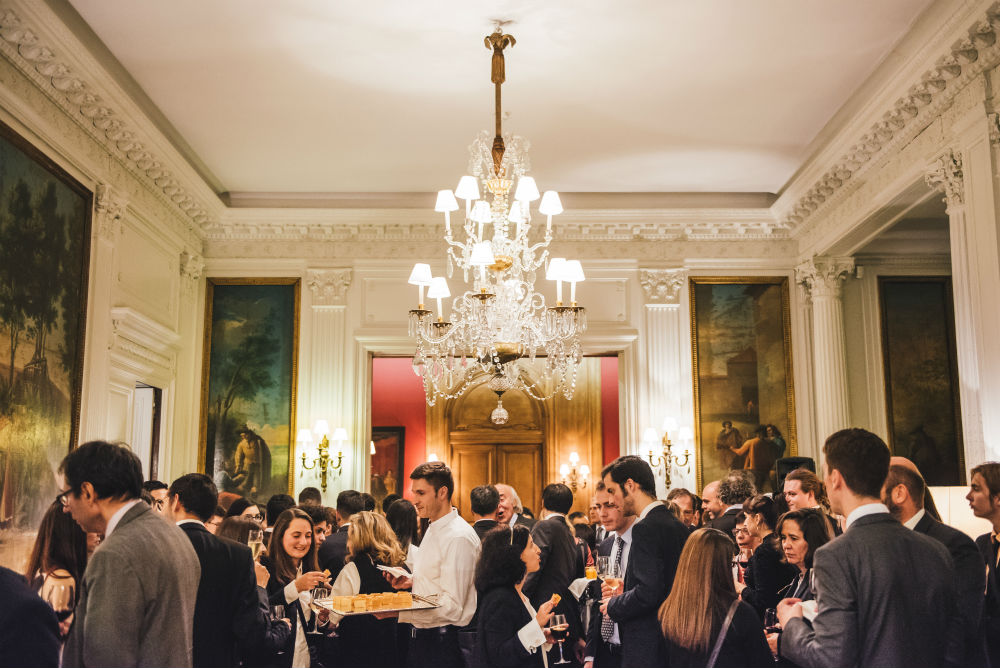
Hevia, professor of inorganic chemisty at the University of Strathclyde, Glasgow, described herself as a “molecular architect” after receiving the Society of Spanish Researchers in the UK’s inaugural Emerging Talent Award at the Spanish Embassy in London this week.

embassy

Continue reading

Your best work might be just around the corner

A recent finding shows that a scientist’s career can peak at any age.

Ever wonder when you’ll publish that big paper that’ll win you the Nobel Prize (or at least a new research grant)? Turns out, it could be your next.

As Nature News reports, a new equation, developed by a team led by Albert-László Barabási at Northeastern University in Boston, Massachusetts, shows that papers published at any point in a scientist’s career have equal chance in becoming their most highly cited work. It might be sensible to keep that in mind the next time you’re struggling through centuries of data analysis, or when your thumb starts to bruise from more and more mindless pipetting.

You can watch a video explainer below, and find the paper here.


Suggested posts

How to get published in high-impact journals: Big research and better writing

Writing for international journals: tips and techniques

Nature Masterclasses: Writing for highly-selective journals


No such animal

Nobel Laureate Dan Shechtman describes the structure of quasi-crystals, the discovery of which won him the scorn of colleagues in the 1980’s and then the Nobel Prize in chemistry in 2011.


Suggested posts

Tick tock cold cold clock

Big box small box light-filled box

Aint no stopping them now

The Naturejobs career expo journalism competition, London, 2016!

Enter for a chance to work as a Nature journalist for the day!


NJCE-2016-(London)


Here we go again!

Following the success of the Boston and San Francisco Naturejobs career expo journalism competitions this year, we’re launching the competition for our tenth career expo in London, to be held on September 16th.

The London Naturejobs career expo is our flagship event, so we are looking for five budding science writers to help us with our coverage of the conference sessions, workshops and general ambience of the event for those who cannot make it. The conference will explore career paths in industry, academia and science communication, finding funding, and much more.

The five winners will have the opportunity to attend the expo and write up at least two of the sessions or workshops for our readers, sharing the advice and expertise of the speakers with our worldwide audience. Winners will also have the opportunity to work closely with Nature editors, and their articles will be published on the Naturejobs blog. Continue reading

#scidata16: Publishing Better Science through Better Data: Writing competition

This competition provides the chance to attend the Publishing Better Science through Better Data October 2016 event, work with a Nature editor and have your writing published here on Naturejobs.

After a very successful event last year, we are again looking for five budding science writers to help with news coverage of this year’s Publishing Better Science through Better Data event.


scidataWellcomeSDATA2

Continue reading

The precious, precious networking platinum that is Lindau

Alaina G. Levine is live from the Lindau Conference

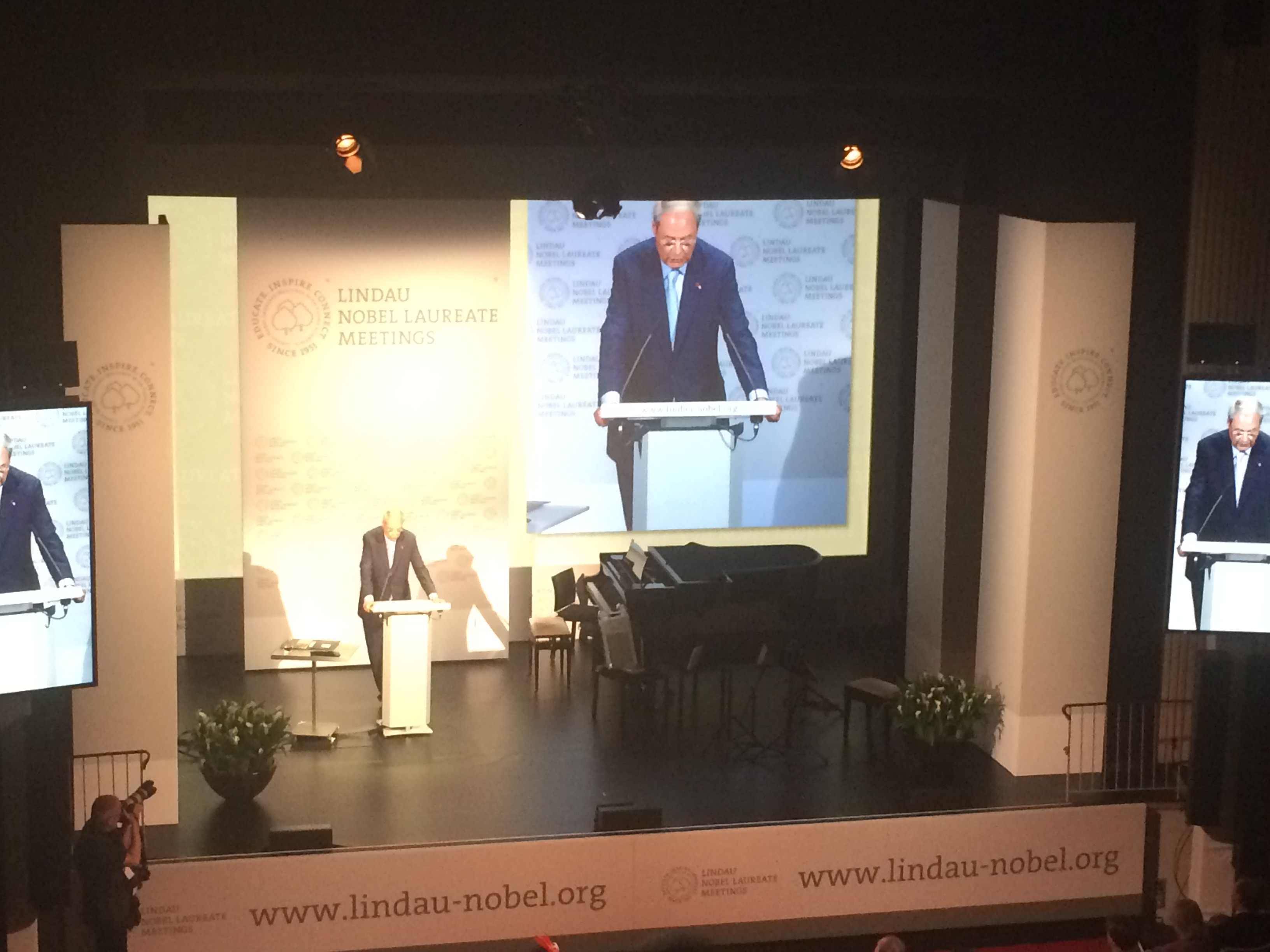
Lindau is a special conference. Here, under the banner of Educate-Inspire-Connect, and above cobblestone streets, next to a city hall dating back to the 1400s, networking is very much encouraged, supported, facilitated and emphasised. And the networking here is precious, precious platinum.

marketing-man-person-communication (1)

Continue reading

Lindau: Return to Nerd Heaven: Physics is like the Godfather and this is good

Alaina G. Levine is live from the Lindau Conference

As I mentioned yesterday, even after I switched my major to mathematics from physics and astronomy, I couldn’t quite turn my back on this field. I’ve come to realise that there is a specific reason for this, and I think you’ll agree: Physics is like The Godfather – once you’re in, you can’t get out. Our knowledge of the universe, from the yotta to atto, is all tied to physics. Our entire existence is described by physics. You can’t get more powerful than that. So clearly, it’s is an entrancing field, and like the Godfather, there is literally no way to escape – you’ll die a member of La Famiglia de Fisica.

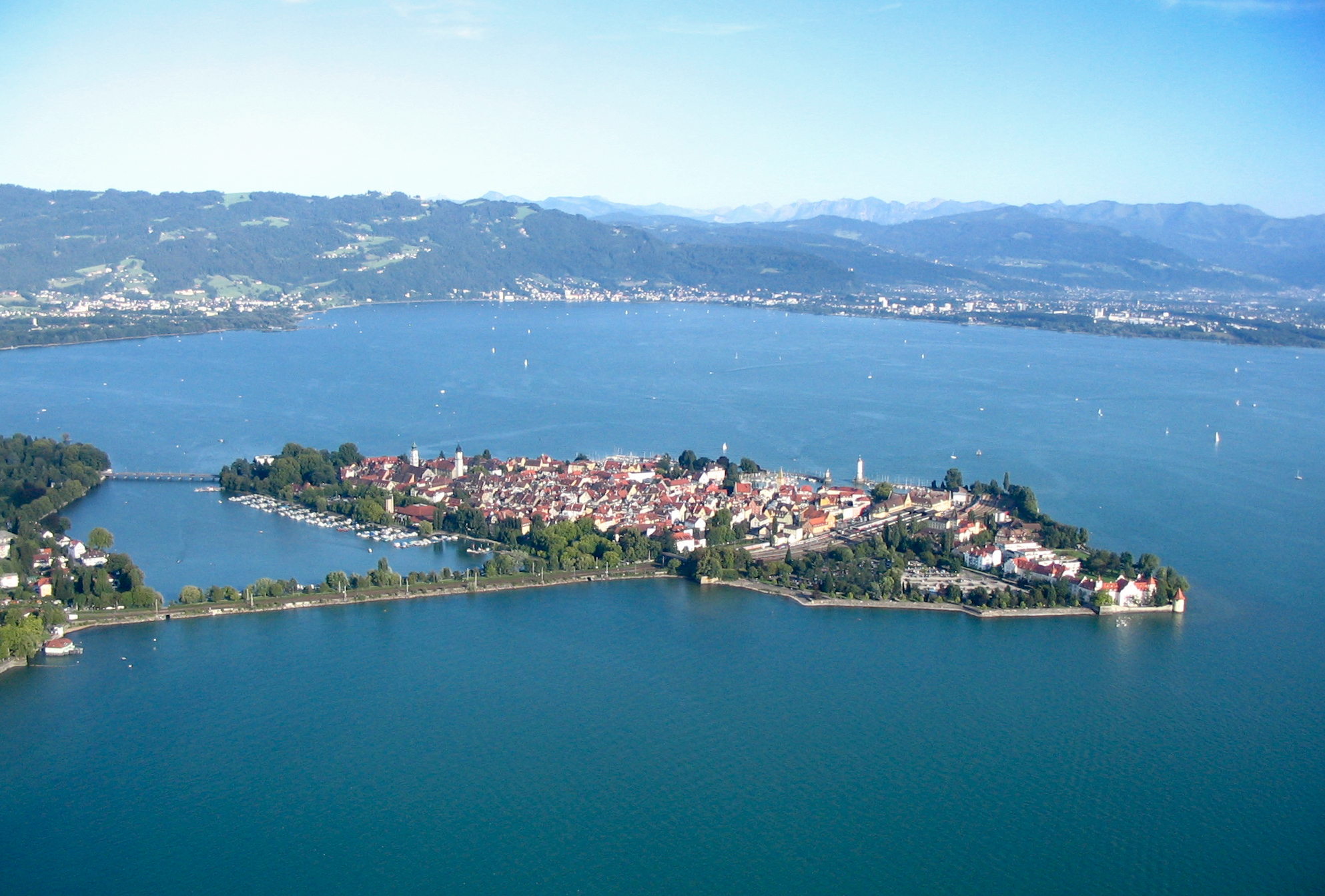
Lindau Island. Credit: CC-BY Edda Praefcke

Continue reading

Return to Nerd Heaven: Lindau

Alaina G. Levine is live from the Lindau conference

In 2012, I flew across the pond from the deserts of Arizona to the shores of Lake Constance on the German/Austrian/Swiss border. I wasn’t on holiday per se, but I might as well have been. When I arrived in the tiny hamlet of Lindau, Germany, I was met with two very sweet offerings: spaghetti ice cream and hundreds of nerds swarming the island town. I couldn’t have been happier.IMG_4306

Continue reading

#GYSS: Engaging in PhD research you truly care about

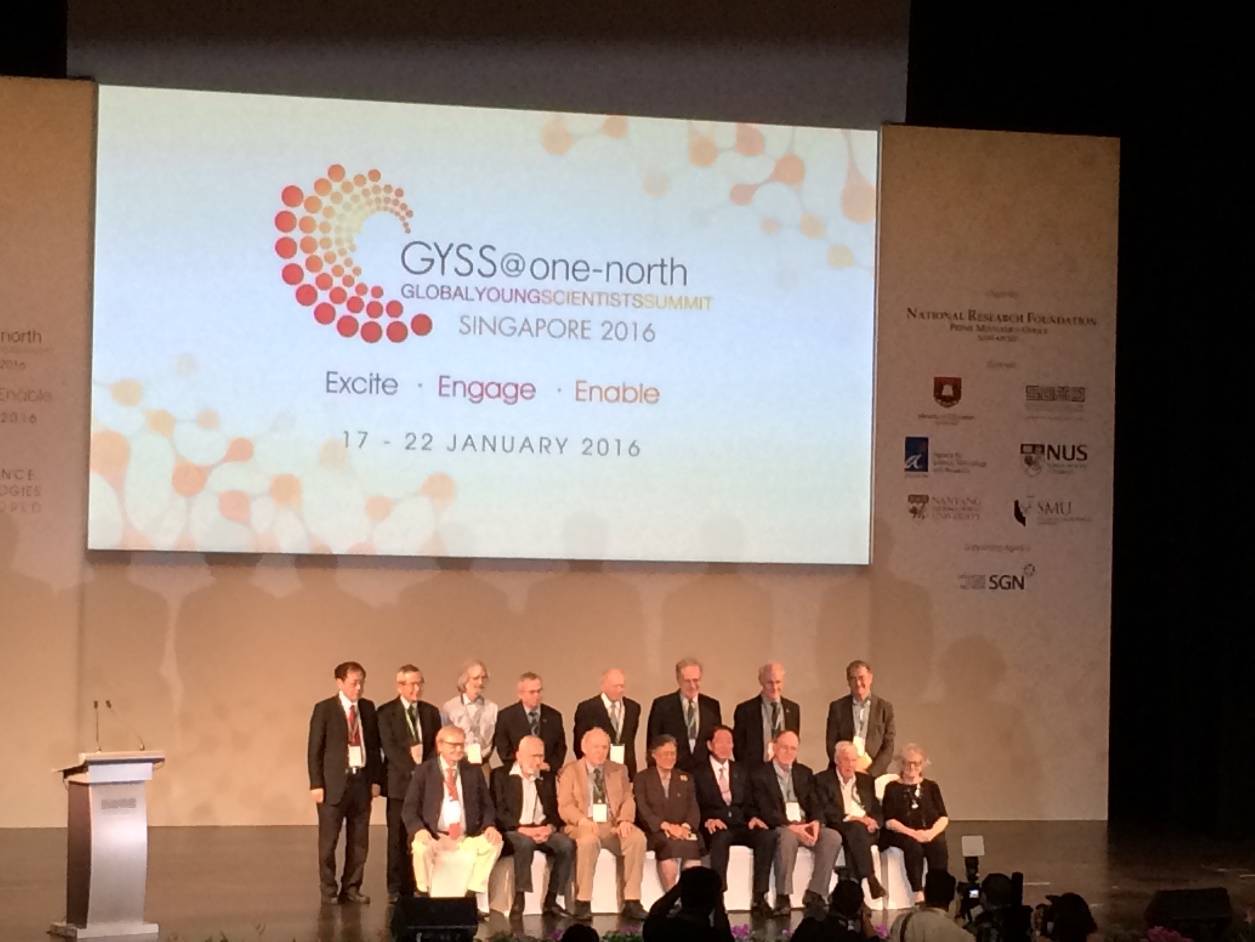
Nobel laureates spoke at the Global Young Scientist Summit 2016. Andy Tay was there for Naturejobs.

Guest contributor Andy Tay

Congratulations! After investing so much effort to write your personal statement and research proposal, you’ve been accepted into a PhD programme. It’s now time to decide which lab to commit to.

Like most other PhD students, you may be eager to perform and steer your PhD in your direction. However, as your salary, tuition and research expenses are likely to come from the grants of your professor, this financial need might trap you in a research project that you’re not interested in. While PhD students in countries like Singapore and Australia are paid generous scholarships, their counterparts in the U.S. and European institutions typically rely on their professors for income. In all cases, PhD students still require their research expenditure to be covered by grants.Nobel laureates


Is there no way out?

After hearing – along with many other topics – about the role of micro-organisms in cancer, and the use of light for quantum computing, students present in the Global Young Scientist Summit 2016 voiced their concerns on PhD education during group sessions and panel discussions with 13 Nobel laureates.

A common worry was the lack of autonomy on research projects and the impact that has on scientific curiosity. The Nobel laureates, fortunately, had experienced advice to give. Continue reading