Why learning to mentor and teach is more important for US faculty members than publishing papers

An influential ally aims to reform the experience of US PhD students in science, technology, engineering and math (STEM) by advocating for a system that rewards faculty members for mentoring and advising students rather than for their own publications.


By Chris Woolston

In a 29 May report , Graduate STEM Education for the 20th Century, the National Academies of Science, Engineering and Medicine (NASEM) in Washington DC calls for providing faculty members with incentives for developing skills such as teaching and mentoring while de-emphasizing the importance of publications. The report recommends that institutions change their promotion and tenure policies and practices to recognise and reward faculty members’ contributions to graduate mentoring and education.
Continue reading

New to graduate school? Pay attention to those core courses

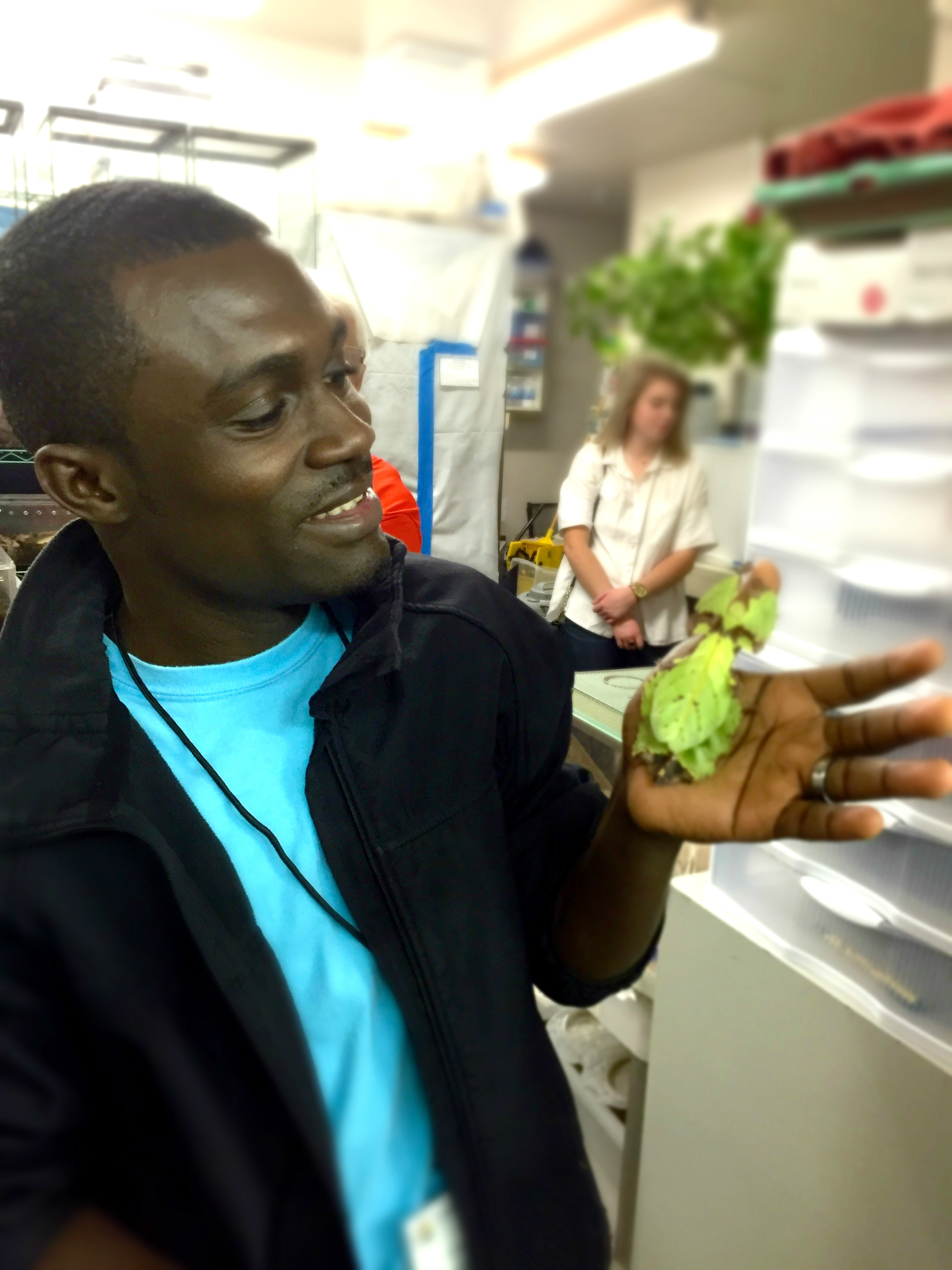
Finding the right balance between coursework and research is critical to success in graduate studies, says Tolulope Morawo.

By the end of your first semester in graduate school, you may find yourself drowning in all sorts of emotional episodes if care is not taken. Often, the excitement and challenges that come with conducting research can be overwhelming. If you’re fortunate enough to have been offered a graduate research assistantship, the dual responsibilities of being a student and researcher can be tricky at first. It is imperative that new students balance that fine line until they become established.

My picture- Morawo-smaller

Tolulope Morawo

Continue reading

Finding job satisfaction as a science liaison

How Sabine Blankenship went from neuroscience researcher to professional networker

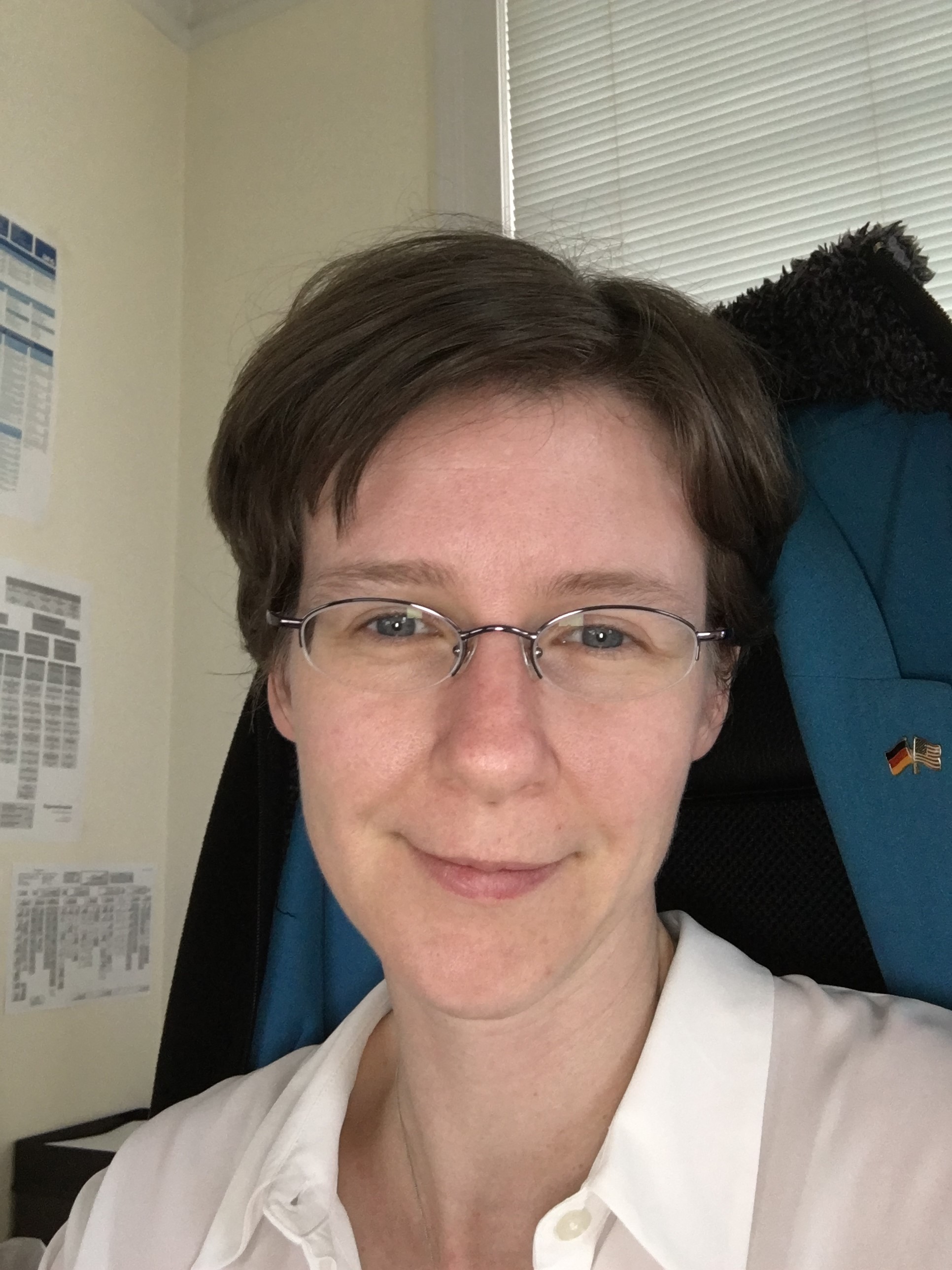
After completing a PhD and postdoc in experimental neuroscience labs, Sabine Blankenship had no desire to run her own lab. Here she describes how her passion to study abroad led her from experiments that had become frustrating to outreach she finds invigorating. She now works in the German Consulate General in San Francisco, where she helps set up international research collaborations and keep the German government abreast of US advances, particularly in renewable energy and regenerative medicine.

sabine2

Tell me about your job

It’s part of the German foreign service. My job title is scientific liaison; we are installed in scientifically important cities like Washington DC and Boston. We’re the first point of call for setting agendas for visiting VIPs, maintaining networks, and fostering collaborations across industry and academia in the two countries.

Continue reading

Most read on Naturejobs: October 2015

Career uncertainty, industrial postdocs, writing for highly-selective journals and more!

naturejobs-readsThank you to everyone for reading our posts this month. We’ve been working closely with a lot of new writers, and we’re pleased that you’ve enjoyed what they have to say! Here’s a list of your top ten favourite reads from October.

This year Nature have been running their Graduate Student Survey, trying to understand what careers graduates are looking to do when they finish their training, and how they are preparing for them. In Graduate survey: Uncertain futures, Chris Woolston gives a great summary of the results, and shares some stories from graduate students around the world.

Industrial postdocs: A bridge between two worlds is a report from the Naturejobs Career Expo in London earlier this year, where Roche presented a workshop on the postdoctoral opportunities they offer.

The traditional route in academia – PhD, a postdoc or two (or three) and then professor – is one everyone is familiar with. But there are other options, as Careers in academia: Different options explores. This is another report from the 2015 Naturejobs Career Expo in London, where different types of academics gave an insight into their different roles.

The Naturejobs Career Expo reports are popular this month! Nature Masterclasses: Writing for highly-selective journals, is another report from the event, this time about one of the workshops run by the Nature Masterclasses team. Continue reading