#scidata16: Boost research and avoid embarrassing retractions by working openly and reproducibly

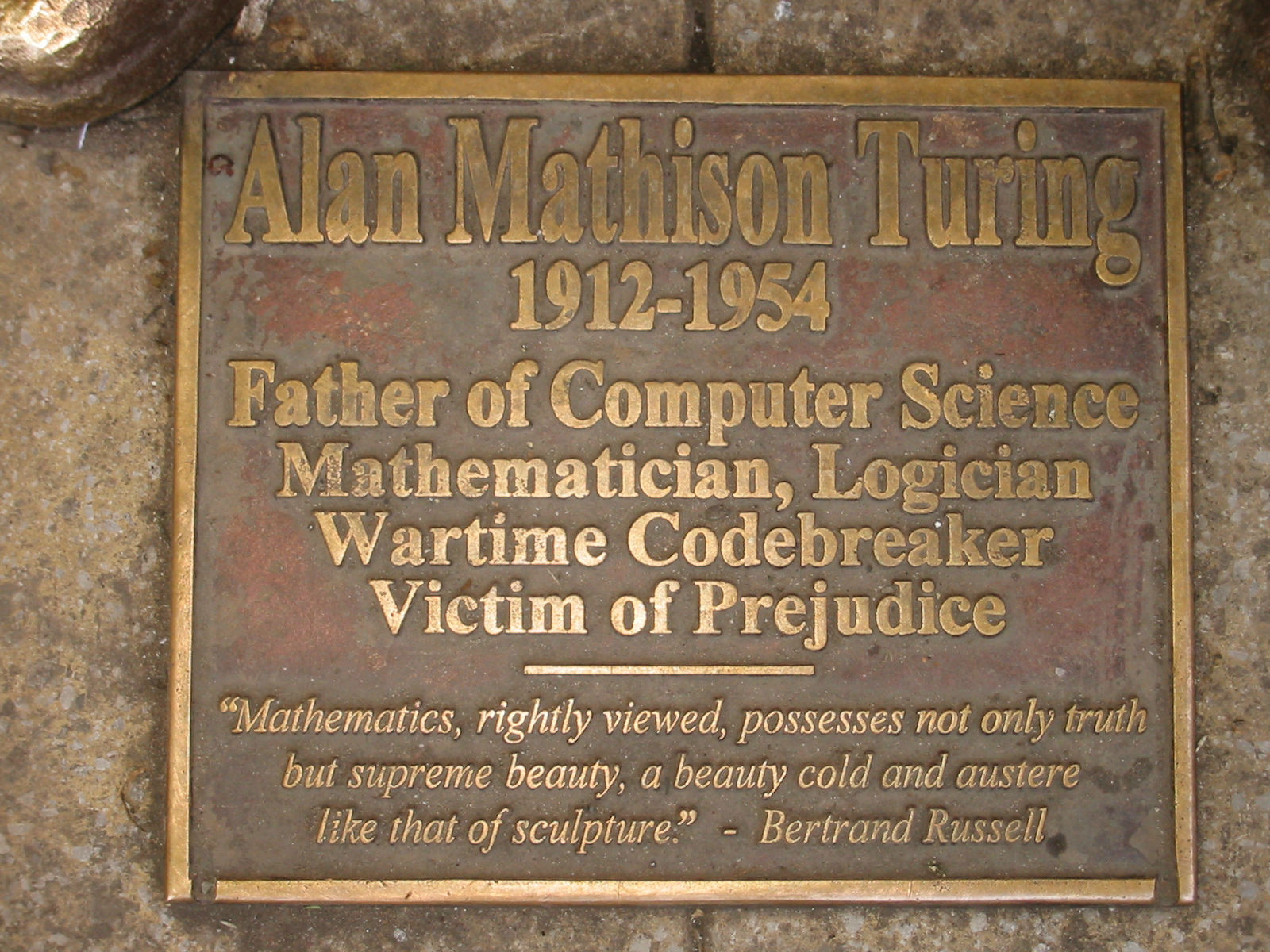
Experiments fail to be reproduced, research data from others is hard to come by, and steps between data and figure are described as ‘here, a miracle happens’.

Speakers at the Publishing Better Science through Better Data (#scidata16) conference addressed these issues and more.

Publishing Better Science through Better Data journalism competition winner Réka Nagy.

Most research happens behind closed doors, and the results can only be gleaned once they’ve been published. The raw data that lead to results, however, are rarely made public, and the steps taken to get from data to figures in a publication is not always clear, which has led to the reproducibility crisis currently facing research. It’s clear that something needs to be done to address this, and the ever-inventive collective mind of science is finding inventive solutions.
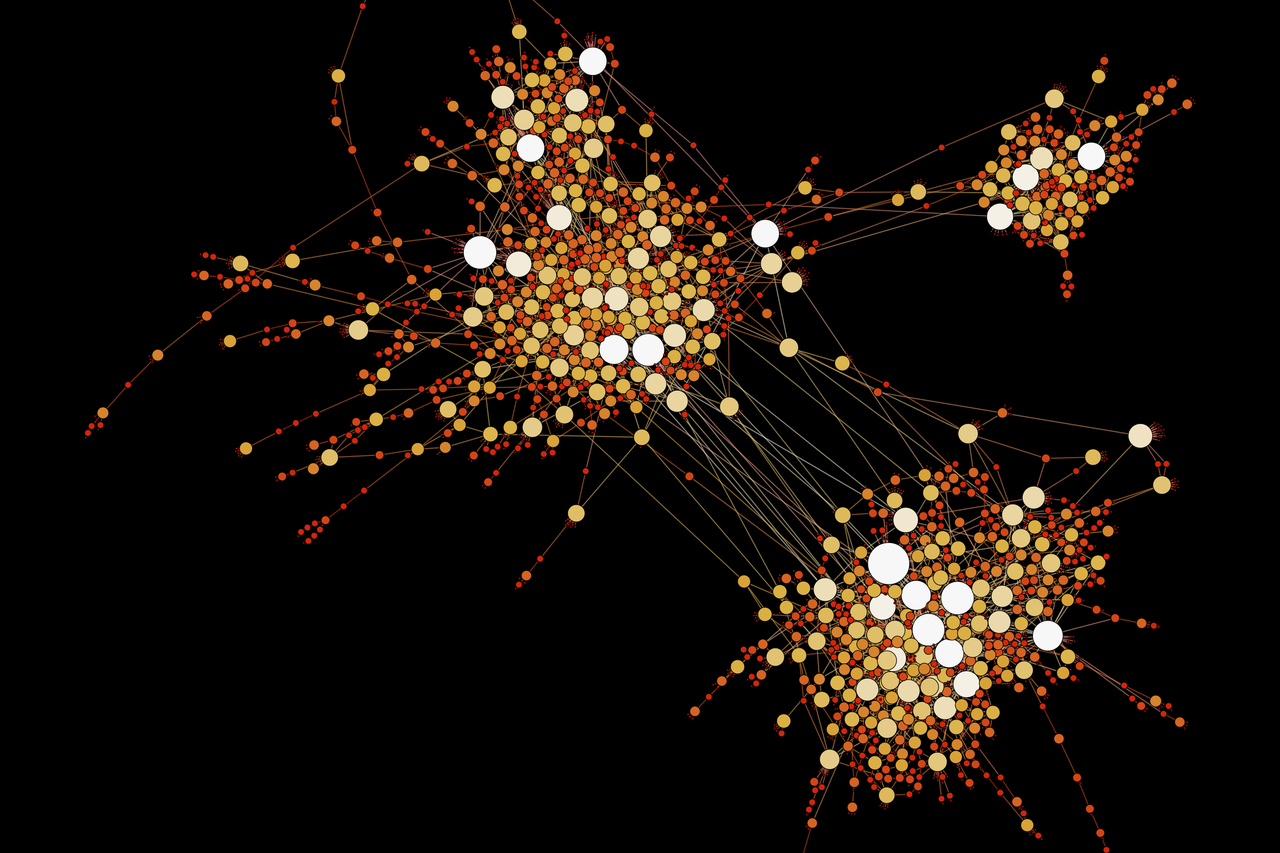
Network_Visualization

The steps taken to get from data to figures in a publication is not always clear {credit}SlvrKy/Wikimedia Commons CC-BY-SA-4.0 {/credit}
Continue reading

The Alan Turing law

In 2012, on the 100th anniversary of his birth, Nature marked wartime code-breaker Alan Turing’s wider legacy.

The collection of features and opinion articles, along with an accompanying podcast, acknowledged that in his tragically short life, Turing — whilst working on a machine that would crack Nazi codes and become the modern day computer — shaped many of the hottest fields in science today, including artificial intelligence, biological pattern formation, and computation in physics.

Turing’s suicide came in 1954, two years after his prosecution for gross indecency related to his homosexuality, which was then illegal in England. Turing had divulged to police investigating a burglary at his home that he was in a same sex relationship, and after pleading guilty was given a 12-month course of diethylstilbestrol injections, a synthetic oestrogen which rendered him impotent and caused gynaecomastia. The alternative, prison, would have meant he could no longer work on his ground-breaking mathematical theories. He was posthumously pardoned in 2013.

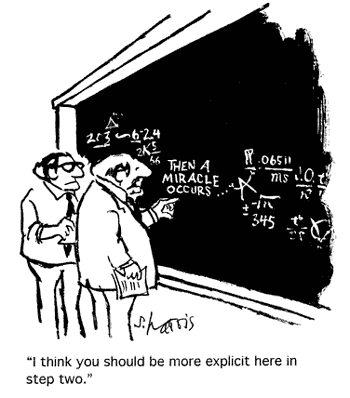
Sackville_Park_Turing_plaque-smaller Continue reading