Predatory publishers, peerless reviews and those who fight against the destruction of the scientific approach.
The landscape of scholarly communication falls into two main categories: a paid access business model, where journals require readers to pay for access to an article or a subscription to the entire journal itself; or open access journals, which charge authors to publish but make content available free of charge and without restrictions to readers. The rise in popularity of open access journals has resulted in more than 50 per cent of new research now being made available free online. Legitimate open access journals such as PLOS and BioMed Central have been essential in allowing greater access to science, a higher volume of published work, improved education and a greater scope for scientists to publish negative results.
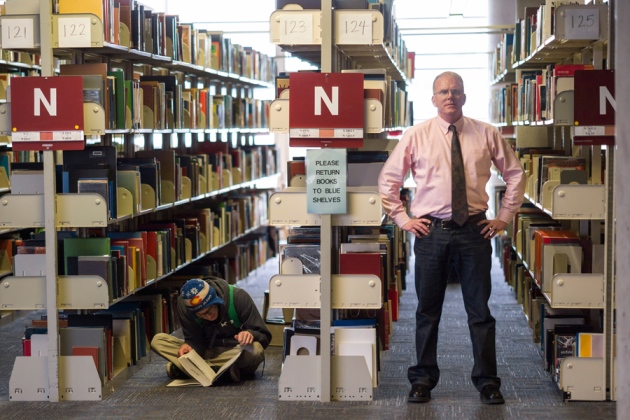
Jeffrey Beall{credit}Kevin Moloney/The New York Times/Redux/eyevine {/credit}