Science’s fake journal epidemic

Predatory publishers, peerless reviews and those who fight against the destruction of the scientific approach.

The landscape of scholarly communication falls into two main categories: a paid access business model, where journals require readers to pay for access to an article or a subscription to the entire journal itself; or open access journals, which charge authors to publish but make content available free of charge and without restrictions to readers. The rise in popularity of open access journals has resulted in more than 50 per cent of new research now being made available free online. Legitimate open access journals such as PLOS and BioMed Central have been essential in allowing greater access to science, a higher volume of published work, improved education and a greater scope for scientists to publish negative results.
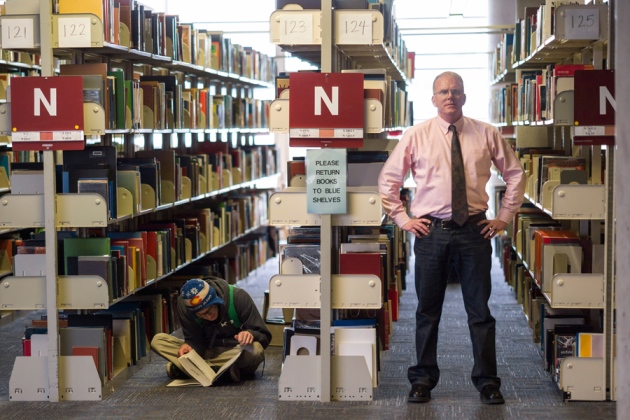
Jeffrey Beall{credit}Kevin Moloney/The New York Times/Redux/eyevine {/credit}
Continue reading

Scientific presentations: A cheat sheet

Scientific culture and insufficient training in public speaking leads to dull, text-heavy talks. Put more effort into presentations, say Andrew Gaudet and Laura Fonken

As postdocs with a combined 20 years of experience in neuroscience research, we’ve attended hundreds of talks and delivered dozens of presentations. We’ve realized it is imperative to perform your best every time you present — whether at a weekly meeting or at a job interview.

Your preparation and organization will help the audience understand your main points, and this professionalism will boost your reputation, which could lead to further opportunities. Ultimately, a presentation is one of the ways of influencing how others perceive your science and your competence. Here, we’ve put together some ideas for creating polished presentations.

presentation-1559937_1280

Continue reading

Lab quizzes, cake clubs and lunch dates

A Nature special issue last week examined the plight of young scientists. David Payne runs over the details.

Interviewees described the pressure to publish, secure funding and earn permanent positions, leaving little time for actual research.

The cluster of articles, along with a podcast and infographic, do propose some ways forward to improve the situation. For example, four researchers suggest ways of enabling scientists to pursue promising ideas, and three “agents of change” who have left the bench explain how they’re trying to improve junior researchers’ experiences.

happy legos-smaller Continue reading

Getting the message out

How do you engage people with your science?

So you’re all over Twitter and Facebook and you even have a blog. Good on you – you’re your own public-relations and outreach specialist, getting the word out about your science. But what about the other kind of outreach – what’s still called science communication? Can you talk with a member of the press for an interview, or deliver your message to key thought leaders – such as government officials who decide on funding agencies’ annual budgets? Is it just a bit scarier than tweeting?

Continue reading