Celebrating International Women’s Day 2018: A Naturejobs roundup

Whilst young scientists working in academia today might face huge problems, women within that group face larger problems still, many of which we cover across Naturejobs. To mark International Women’s Day 2018, here’s some of our coverage of women in science and the hurdles they face.

https://www.youtube.com/watch?v=rdfqXdibc0k
Continue reading

The real climate debate

Young scientists on the ground at Lindau share their thoughts on scientists’ place in the climate change debate

In the scientific community, the big question is not whether action on climate change is required, but what form it should take and the part that scientists should play, says the recent Nature Outlook on Climate Change. Three early-career researchers share their thoughts on the current state on climate action worldwide and the place of science in society.

You can find the full Nature Outlook on Climate change here.

Julie Fenton

Julia Nimke/Lindau Nobel Laureate Meetings

Graduate student, Pennsylvania State University, USA

It’s hard for scientists to make definitive statements about the ‘truth’. Just as we don’t believe exactly the same things as we did 50 years ago, we expect our understanding of the things we’re learning now will change over time.

It doesn’t mean our current understanding should be dismissed as incomplete, but it can be a challenge to communicate this concept to non-scientists. It’s become evident that my communication skills are something I have to invest time in. It’s too easy to forget that we have a broader responsibility to the public. In my experience, public engagement is not a routine part of academic training. Every scientist can start by talking with people they know in their everyday lives. That’s not hard. Continue reading

Lab quizzes, cake clubs and lunch dates

A Nature special issue last week examined the plight of young scientists. David Payne runs over the details.

Interviewees described the pressure to publish, secure funding and earn permanent positions, leaving little time for actual research.

The cluster of articles, along with a podcast and infographic, do propose some ways forward to improve the situation. For example, four researchers suggest ways of enabling scientists to pursue promising ideas, and three “agents of change” who have left the bench explain how they’re trying to improve junior researchers’ experiences.

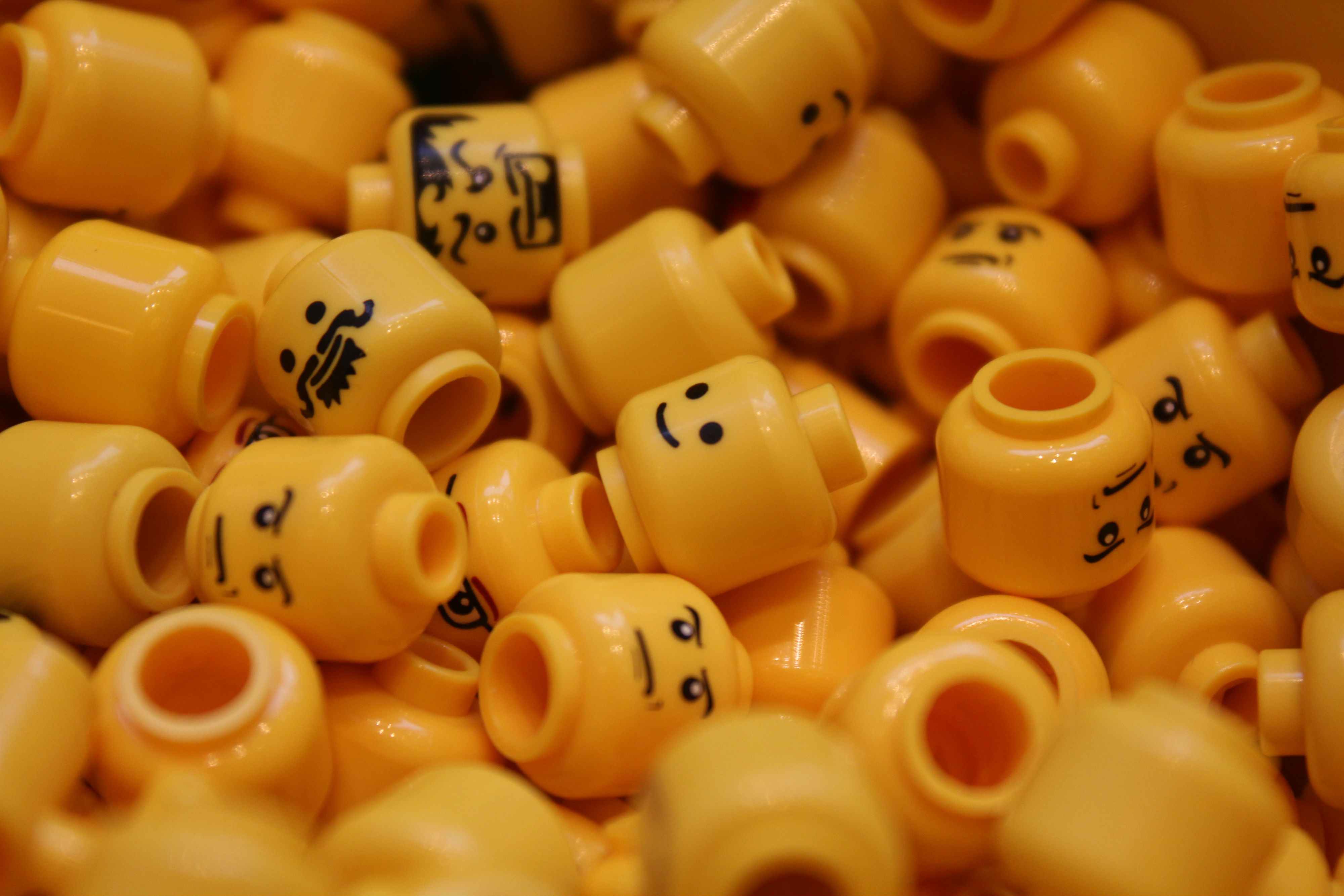
happy legos-smaller Continue reading

Young blood

Indian science desperately needs more young blood at the policy making level. We have been hearing this far too often these days in the Nature India forum where many young and enterprising scientists deliberate on issues that concern them.

An editorial in the journal Science today emphasises the need for young scientists to become opinion makers and policy drivers in this country. In the editorial, eminent chemical scientist Raghunath Anant Mashelkar supports the view of a ‘Young Academy’ for India and makes a strong case for such a “borderless” academy discussing matters of all scientific disciplines.  He says such an academy must also be “dynamic”, harnessing the power of technology and social media, and have a mind of its own.

India’s Council of Scientific and Industrial Research (CSIR), which recently released a vision document, also feels the need to source potential young leaders from across the world, empowering young leadership and grooming them through leadership development programmes.  The document also talks of creating a CSIR science management cadre.

At the 99th Indian Science Congress held in Bhubaneswar in January 2012, many speakers — young and old — talked at length about ‘creating space’ for the young scientists of this country in policy making bodies. The sentiment echoed in many speeches given by top science policy makers of this country.

It would be wonderful to see these talking points converted into action. Yes, there are funds, awards, scholarships and grants to recognise and encourage young scientists, but including bright young minds in shaping the future of science in this country would be another step forward.