Exploring science communication

Science communication comes in many forms. Discover your favourite, says Andy Tay

There’s a few reasons why scientists may be discouraged from science communication. Here, I’m hoping to break down some of those barriers, and introduce channels and platforms where scientists can practise. First, here are some of the reasons stopping more scientists from practising science communication, as well as my rebuttals.

GettyImages-200525300-001-smaller2 Continue reading

Scientific presentations: A cheat sheet

Scientific culture and insufficient training in public speaking leads to dull, text-heavy talks. Put more effort into presentations, say Andrew Gaudet and Laura Fonken

As postdocs with a combined 20 years of experience in neuroscience research, we’ve attended hundreds of talks and delivered dozens of presentations. We’ve realized it is imperative to perform your best every time you present — whether at a weekly meeting or at a job interview.

Your preparation and organization will help the audience understand your main points, and this professionalism will boost your reputation, which could lead to further opportunities. Ultimately, a presentation is one of the ways of influencing how others perceive your science and your competence. Here, we’ve put together some ideas for creating polished presentations.

presentation-1559937_1280

Continue reading

Lost for words — the language of science communication

While English is largely regarded as the global language of science, science communication doesn’t enjoy a unifying language.

Naturejobs journalism competition winner Catherine Carnovale explores this distinction.

GettyImages-550382899-smaller Continue reading

A David Letterman-like countdown to the 10 biggest pitfalls in scientific presentations

Making a good scientific presentation takes time, but awareness of common mistakes is the first step to improving performance.

Guest contributor David Rubenson

The slide presentation has become the most ubiquitous form of scientific communication and it is causing havoc.  Scientists spend enormous amounts of time preparing presentations, travelling to conferences to deliver them, and listening to them almost every day.   But most scientists simply aren’t very good at them – we should change that.
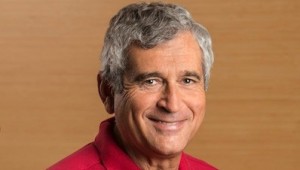
image_0.img.full.high

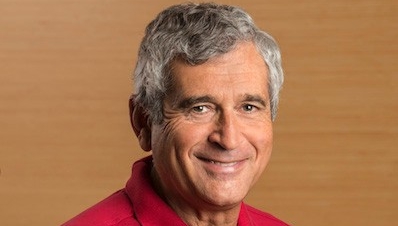
David Rubenson

I previously argued that this problem underlies a significant communication crisis in research.  As I’ve learnt as a scientific presentation coach at Stanford, there’s a broad understanding of this problem, but insufficient incentive for the time-intensive training many scientists need.  Still, following simple lists of “dos” and “don’ts” is a great way to improve presentation skills.

In that spirit, and to supplement an earlier list of eight positive suggestions, here’s a David Letterman-like countdown of the 10 biggest pitfalls in creating and delivering a scientific presentation:


Continue reading