African astronomy and how one student broke into the field

Africa is investing in a future of astronomy research, but students need access to inspirational lecturers, says Gina Maffey.

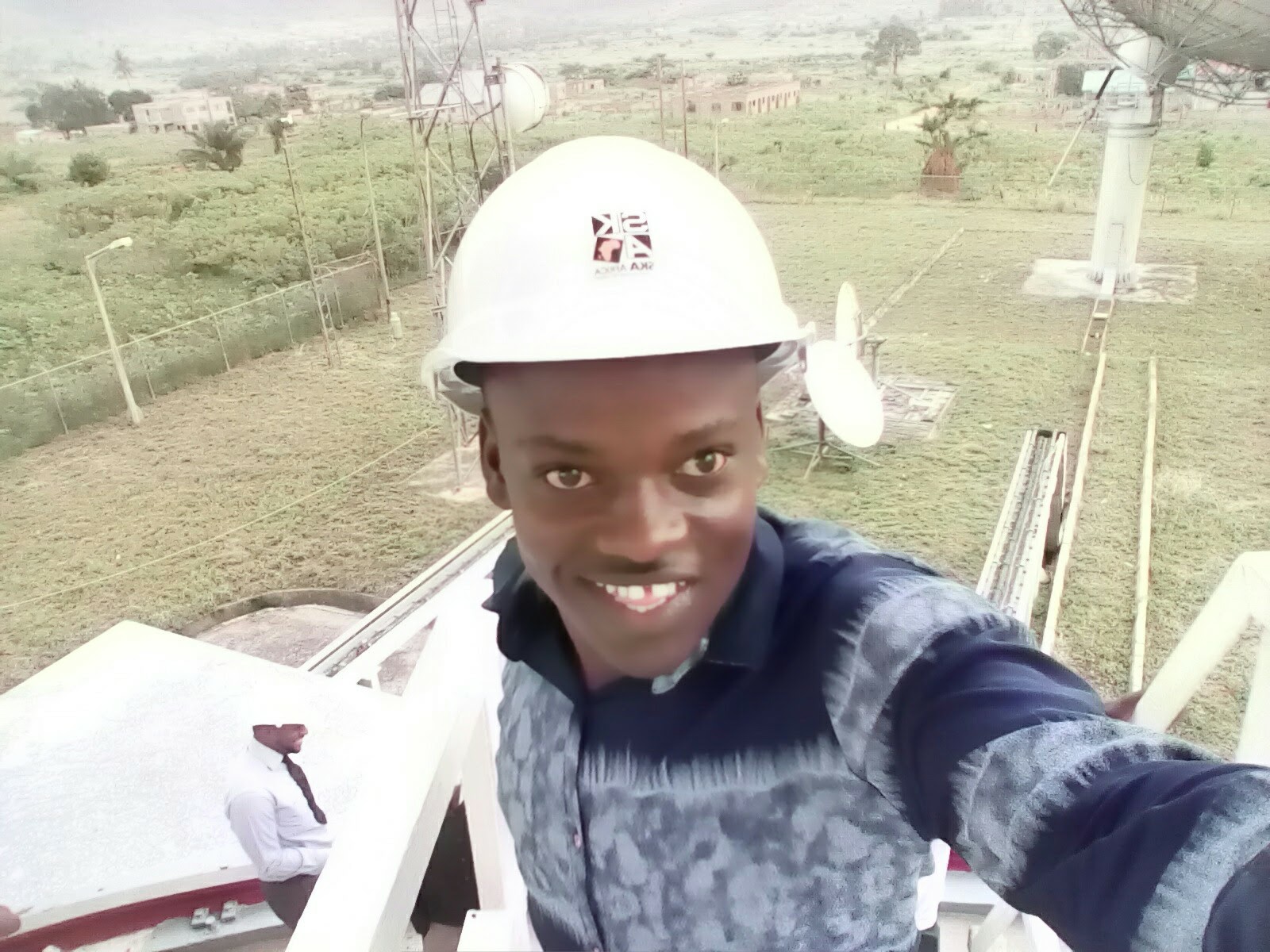
Mutie at the Ghana Radio Astronomy Observatory (GRAO) at Kuntuse, Ghana

Isaac Mumo Mutie

What do you do when the degree you want to study is not offered by your university?

You study it anyway.

“I did a lot of personal research online, looking for answers” says Isaac Mumo Mutie, an astronomy student who studied at the Technical University of Kenya. While studying for a Bachelor of Technology in Technical and Applied Physics, Professor Paul Baki introduced Mutie to astronomy, and Mutie would consult with him in his spare time.

“He would ask me ‘why are you interested? This is not part of the curriculum.’ But I insisted.” Continue reading

A student shaping the future of African astronomy

Africa is investing in a future for astronomy research, but it requires a fresh cohort of enthusiastic people to make it happen. Gina Maffey talks to one dedicated scientist.

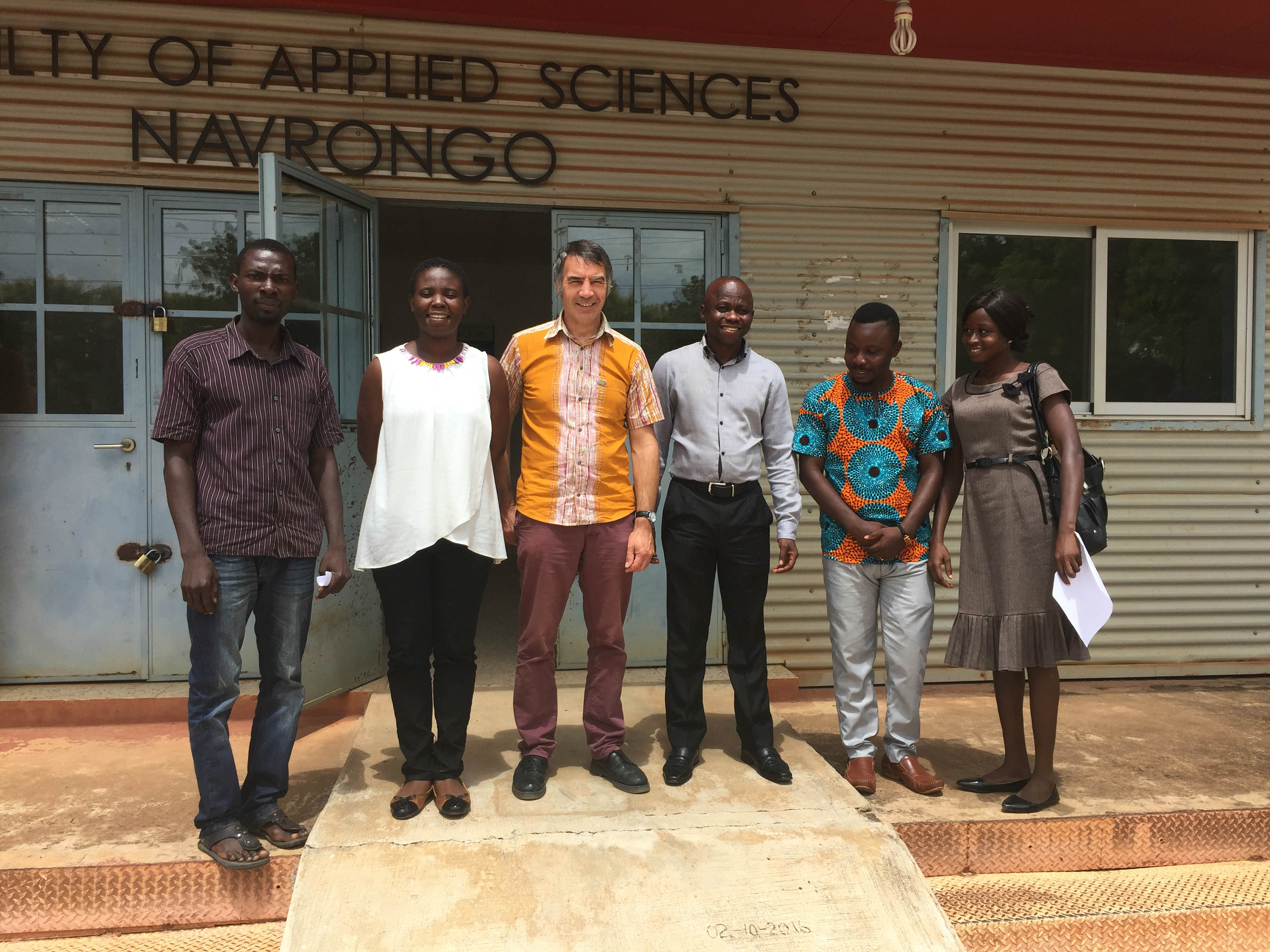
Asabre Frimpong (second from the left) and Prof-smaller

“I want to see Africa lit up.” Naomi Asabre Frimpong says with a laugh, “I want to show how Africa can be forward thinking. I want to make sure that we are not left behind.”

Asabre Frimpong is a 2nd year PhD student at the University of Manchester, in the UK, and her enthusiasm — for both astronomy and science in general — is infectious.

She says she was attracted to science through chemistry, and studied for a BSc and MPhil in Ghana. A post at the Ghana Space Science and Technology Centre introduced her to astronomy and shortly afterwards, on an astronomy and astrophysics training scheme in India, her worlds collided as she discovered astro-chemistry – the study of chemical reactions in space Continue reading

The last dinosaur on Earth?

This is a guest blogpost by Aya Nader.

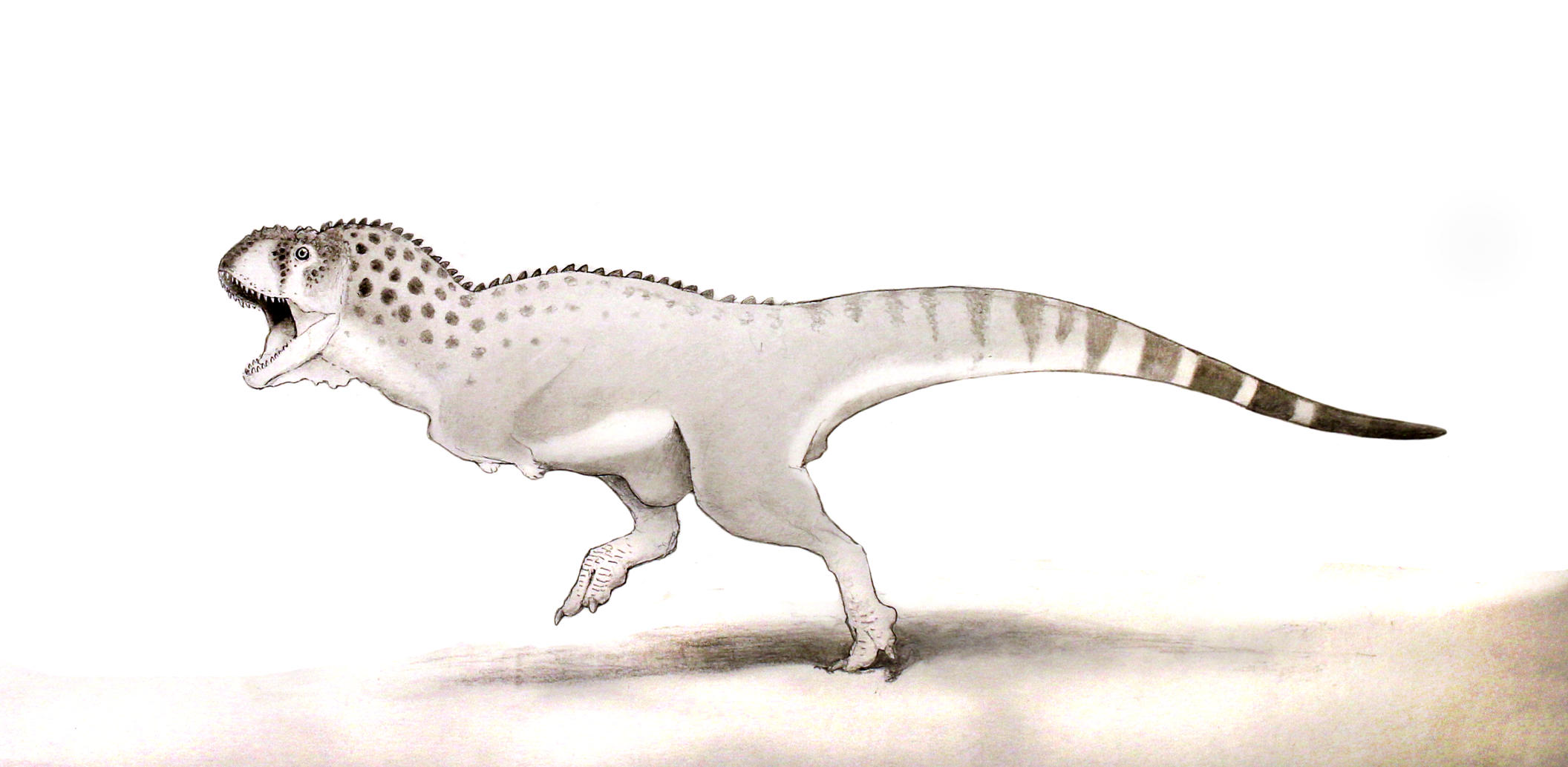
Chenanisaurus barbaricus comes from the end of the dinosaurs' reign.

Chenanisaurus barbaricus comes from the end of the dinosaurs’ reign.{credit}N.R. Longrich{/credit}

Scientists have discovered remains of one of the last dinosaurs on Earth, in Morocco. About 66 or 67 million years old, Chenanisaurus barbaricus comes from the very end of the prehistoric animals’ reign.

Along with species like Tyrannosaurus rex and Triceratops, it would have been there to watch the asteroid impact that wiped out the dinosaurs.

Previously, the scientists have found only a few teeth, but now they have fossils that comprise part of the dinosaur’s jaw, which is unusually deep, suggesting a powerful bite, and a large body.

The remains were found in Ouled Abdoun, a phosphate sedimentary basin in Morocco.

Chenanisaurus is one of the only dinosaurs to have been found from this time period in Africa, and one of the youngest known members of the group, says corresponding author of the study Nicholas R. Longrich. “We have a pretty good picture of latest Cretaceous dinosaurs from North America and Asia, but very little from Africa, so it helps fill in our picture of what the fauna looked like at this time.”

There aren’t many terrestrial rocks from the latest Cretaceous that are exposed in Africa, he elaborates.

“What we do have is mostly marine rocks in Morocco and Angola, for example. That may be related to the fact that the sea levels were high at the end of the Cretaceous, so much of Morocco is underwater.”

There are a fair number of terrestrial fossils from this time period in Madagascar, he adds, but Madagascar isn’t really part of Africa. It broke off of India, Australia, and Antarctica in the middle of the Cretaceous.

Yet, the Moroccan phosphates are among some of the richest fossil beds in the entire world, according to Longrich. “So the upshot is that if you want to find a dinosaur from this time in Africa, the best place to look is in the marine rocks.”

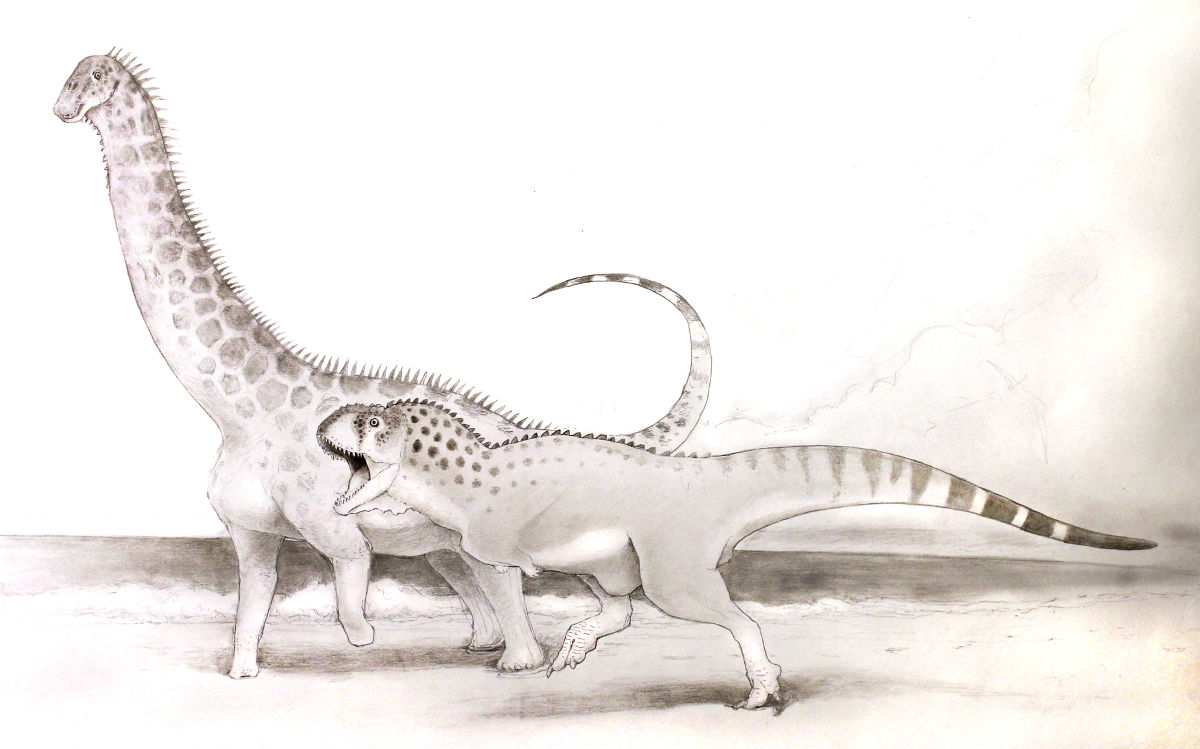
Chenanisaurus is one of the youngest known members of its group.

Chenanisaurus is one of the youngest known members of its group.{credit}N.R. Longrich{/credit}

TechBlog: Need an instrument? Build it!

The 6 April issue of Nature included a Toolbox feature on the growing use of DIY electronics in scientific research.

Daniel Cressey writes:

Arduinos and similar devices, such as the Raspberry Pi, pack considerable power on their diminutive boards, providing tremendous opportunities for automation, networking and data collection and analysis. For researchers, those features can translate into benefits both economic and practical. Users can shoehorn the systems into tiny spaces, deploy them without monitors or keyboards, buy them in bulk, and pack them into autonomous devices that need to be taken to (and transmit data from) remote field locations. All it takes is a little ingenuity.

A recent article on the bioRxiv preprint server provides a case in point.

Continue reading

Farm to Genomes: African Rice

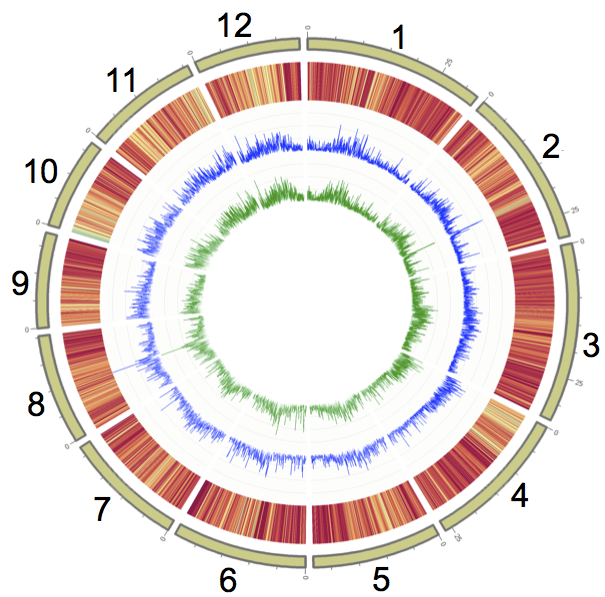
Meyer at al., Nature Genetics, 2016

Meyer at al., Nature Genetics, 2016

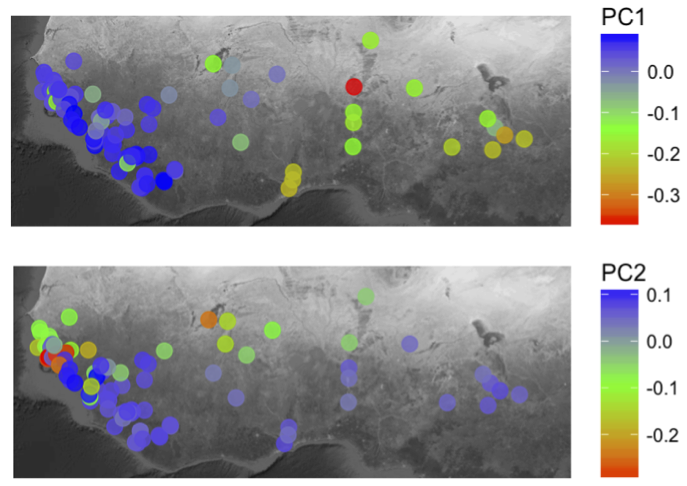
Rice is one of the most important crops on the planet, responsible for feeding billions of people. Given this global significance, studying rice in different geographies can be useful and aid in harnessing genetic diversity underlying particular traits and adaptations favorable to different environments. African rice (Oryza glaberrima Steud.) is mainly grown in sub-Saharan Africa and known for its stress tolerance. In a new article this week in Nature Genetics, Michael Purugganan and colleagues report the whole genome re-sequencing of 93 African rice landraces from various regions of Western coastal and sub-Saharan Africa. They create a genome-wide SNP map and through comparative genomic analysis study the domestication and population history of African rice. They use their map to perform GWAS for salt tolerance and find 11 significantly associated regions, highlighting the value of this unique genetic resource.

Meyer et al., Nature Genetics, 2016

Meyer et al., Nature Genetics, 2016

By studying various regions with distinct environments, the authors were able to get clues about adaptation and geographic spread of the populations. They focused on coastal Senegal and inland Togo, which have higher and lower levels of soil salinity, respectively, and interviewed farmers in the region to understand the agricultural practices they employ in each region. The knowledge of the farmers helped to inform the genetic analysis and contributed to the model of African rice domestication and dispersal.

You can watch some of the interviews with the farmers here:

African rice farmers- interviews

Additionally, we spoke with authors Michael Purugganan and Rachel Meyer to get some background on this research.

Why do you think that rice is understudied in Africa compared to other places?

MP: I think it’s because it is not widely grown, unlike its Asian counterpart which has pretty much taken over the world.  But there definitely is more interest in African rice as breeders are trying to figure out how to increase food production in Africa, as well as to try to see what genes in African rice can be used to improve Asian rice.

RM: There is a lot of great research on improving Asian rice for African farmers that is being done by brilliant AfricaRice scientists, and they are working hard on the social science side too. But there are so many challenges that Africa disproportionately faces – particularly climate variation – that demands ramping up rice research. There is insufficient support for programs that integrate crop experiments and trials into the different farmlands. A better connection between scientists and small-scale farmers would really help farmers adopt new varieties too- because there is sometimes resistance to trying new ones.

How did you choose which samples to include in your analysis?

RM: Recognizing that a lot of NGO work encouraging farmers to grow Asian rice ramped up in the 80’s and 90’s, we took advantage of the germplasm largely donated in the 70’s to the West Africa Rice Development Association, which were duplicated and available through IRRI (International Rice Research Institute). We chose accessions with the most metadata available, preferring ones with georeferenced location and a cultivar name. It wasn’t until later that we realized water tables far inland were high in salinity, so we just tried to make sure we had a fair number of samples within 250km of the coast, or along rivers connecting to the ocean.

Were you surprised by any of your findings?

MP: There definitely were a few surprises in the data, but the big revelation for me was the long time for the population bottleneck that led to domestication.  We found from the genomic data that it may have taken more than 10,000 years of steady population decline before full-blown domesticated African rice shows up in the archaeological record.  This suggests the possibility that humans were already cultivating or managing its ancestor for thousands of years, and I think if this pattern holds for other domesticated crop species it will change our thinking on how domestication has taken place.

RM: I was surprised we got nice GWAS results with so few samples, and even more surprised that we saw several of those exhibiting signatures of geographic selection. We were lucky to find a broad distribution of traits in the landraces we chose to sequence, for we had made the DNA libraries ahead of the phenotyping experiments.

What was it like to meet and talk with the farmers?

RM: It was one of the highlights of my life to meet the farmers! I’m grateful to have gotten a glimpse of their heritage, their pride, and their struggles. We were all so impressed with the generosity of women, in particular, to help each other. We were also shocked by how many farms are run by the elderly; their children don’t see farming as profitable and many have left. For the three of us in the field, it made us think hard about how we can give back to the communities that gave us their time. I hope that crop science, publicity (like this blog) and policy changes can raise the profile of the small-scale farmer.

In each interview, the farmers also had a chance to interview us, and that part was especially interesting. Several asked really good questions about African and Asian rice domestication. You could see the cultural value of the basic science.

You chose to focus on salinity tolerance as a trait particularly relevant to farming in Africa.  In what ways do you see your results being used for crop improvement?

RM: One of the authors, from AfricaRice, Dr. Kofi Bimpong, had actually been working on salt tolerance separately as well, and has two graduate student collecting African rice landraces in Casamance. If from this paper we can consider that domestication possibly occurred in the Inner Niger Delta region and also in the West, then these collecting efforts are all the more important because they are from a center of origin, promising more genetic variation than people would have ever estimated. If you look through the available germplasm there is so little that has been collected or studied from Casamance. It’s tricky collecting there, for there is social unrest, and landmines. Hats off to the young graduate students, Mamadou Sock and Bathe Diop, doing that fieldwork; I’m sure there is a lot of discovery to be made with those collections, and more promising salt tolerant landraces to integrate into breeding programs.

In addition, our results suggesting many of the salt tolerance genes are shared in both rice species make them more valuable to explore in other crops.  Shared adaptive mechanisms are especially fascinating to evolutionary biologists and are powerful assets of the breeder’s toolbox.

Ancient migrants left Africa with a ‘mutational load’

The populations that broke off from early out-of-Africa migrants may have progressively accumulated harmful genetic mutations, suggests a new study published this month in the Proceedings of the National Academy of Sciences.

Modern humans, originating in Africa, started migrating out of the homeland towards Asia and the Americas around 50,000 years ago. Theoretical models predict that the expansion out of Africa might have happened through small bands that started expanding into multiple continents.

Population genetics theory says that each population breaking off from these small bands carried a mutational load.

Scientists in this study say that not only did the migrations leave a mark on the genetic diversity of different populations, but they also gave way to classes of harmful alleles that have different patterns across said populations. The farther away from Africa (in other words, the greater the distance covered away from the homeland), the more harmful the mutations or genetic variants are.

To test their hypothesis, the team of scientists sequenced the full genomes and high-coverage exomes from seven geographically divergent human populations from Namibia, Congo, Algeria, Pakistan, Cambodia, Siberia, and Mexico.

The next-generation sequencing technology they used confirmed that the mutations under scrutiny evolved with the migrations, and revealed that the degree of the harm is directly proportional to the distance traveled away from Africa.

“To be able to see this, you need a huge amount of data in many populations from different continents. Only 5 years ago, this would not have been possible,” says study co-author Laurent Excoffier, in comments to Science Daily.

Oreoluwa Somolu: The Nigerian woman empowering young women in Africa to engage with technology

"Lots of the girls who attend the centre have never seen or met a woman who is a computer scientist or engineer, so the prospect of becoming one, is not within the realms of possibility."

“Lots of the girls who attend the centre have never seen or met a woman who is a computer scientist or engineer, so the prospect of becoming one, is not within the realms of possibility.”

In the third of our five features celebrating Ada Lovelace Day and prominent women in science and technology across the world, we speak to Oreoluwa Somolu about empowering young women in Africa to engage with technology and pursue careers in science and technology.

Ada Lovelace Day, marked yesterday across the world, is an annual celebration of the achievements of women in science, technology, engineering and maths (STEM).

Oreoluwa Somolu Lesi is the Founder and Executive Director of the Women’s Technology Empowerment Centre (W.TEC). Somolu worked for several years in the United States at an educational non-for-profit organisation on a number of projects, which explored the interplay between gender and technology and which sought to attract more girls and women to study and work in science and technology-related fields. She has a Bachelors degree in Economics from Essex University, U.K, a Master’s degree in Analysis, Design and Management of Information Systems from the London School of Economics & Political Science and a Certificate in Applied Sciences from Harvard University’s Extension School. Her interests are the applications of technology in improving lifelong learning and also to raise the economic and social conditions of people (especially women and children) in the developing world.

Somolu also has some research experience, which includes working on the Gender Equity in Math and Science (GEMS) project, while working at the Education Development Center in MA, U.S.A from 2001 to 2003. She is a 2014 Vital Voices Lead Fellow, 2013 Ashoka fellow and a recipient of the Anita Borg Change Agent Award for her commitment to issues of women in computing in Nigeria.

It was while volunteering in a downtown Boston community centre and women’s shelter, that Nigerian-born STEM enthusiast Oreoluwa Somolu realised the severe lack of awareness around the benefits of using technology. Every day she would teach women and children from across different parts of the US city how to use computers, answering questions and offering guidance on web design and basic programming. It would often surprise her how “mysterious” computing was to many, but made her fully grasp the profound impacts technology could have on people’s lives.

“I naively expected everyone to be able to use a computer as this was America, but found that to be far from the truth,” remarks Somolu. “It was an eye opener to the real world, where more women and people from ethnic communities considerably lacked computer skills. Some had never turned on a computer before, let alone knew the benefits. It was so empowering to see women return to the centre a few months later to report they had found a job as a result. They had a new found self-confidence.”

Continue reading

Global health careers: starting out

We talk to two young scientists spending their summer in rural Africa in the name of global health. 

Credit: Naturejobs/Catherine de Lange

Jay Bala (L) and Keane McCullum {credit}Credit: Naturejobs/Catherine de Lange{/credit}

Keane McCullum is a senior biochemistry major at Messiah College in Grantham, Pennsylvania, who is currently applying to medical school. Jay Bala is a second year Masters of Public Health student at Vanderbilt University in Nashville Tennessee, having studied chemistry at undergraduate level. Naturejobs bumped into them at the Macha Research Trust laboratories, in rural Zambia, and asked them what they were both doing there…

Keane McCullum: My school offers a course on healthcare in the developing world which is taught here in Macha. Whilst applying for the course, I had the idea that maybe I could continue to do research over the summer. I’d paid for my tickets already so why not just extend my flight dates?

Jay Bala: The reason I chose this public health masters is because they say: go make yourself useful in the world. So I’m spending a little over three months in country working on public health projects and actually understanding how things work with the view of doing this when I graduate.

For the practicum portion of my course, I am  splitting my time between projects in Zambia’s capital, Lusaka, and here in Macha. In Lusaka, I’m working as a chemist on a public health project monitoring nutrition in children who are on antiretroviral therapy. Here in Macha, I am seeing different aspects of how public health works – everything from planning and evaluation to how projects are carried out, so I spend time in the hospital, time in the villages, lots of time with data – a little bit of everything,which is nice.

What’s the long term plan for both of you? Keane, you’re planning to go to medial school…

KM: My time here has shown me that general practice is so versatile in any setting – whether you’re working in America or abroad, in rural, urban, or low income settings. I think it’s just emphasized to me that I want to go into general practice.

JB: I want to work for a few years either in southern Africa or Asia. I really love Zambia at this point – I would love to stay here. I’d love to do some real public health, maybe epidemiological research, but incorporate the basic sciences, which I feel sometimes get overlooked. I really want to find that niche where I can marry my basic science with public health.

Do either of you get put off by the idea of traveling for work for long periods, especially to really remote places?

KM: I have realized that if you’re going to raise a family somewhere like Zambia, it’s probably better than any place I’ve seen in the US. Everybody is always welcome and it’s super safe, but it’s a very unique place. So depending on where an opportunity opened up, that’s part of the adventure. And where a door opens, if you take it you are bound to find some things you like and some things you don’t like. A lot of thought would go in to it, but I think I’d jump at the chance to be almost anywhere.

JB: I agree – there are very few places I wouldn’t go. Life is an adventure, and two years ago I was in an air-conditioned lab in a winery trying a hundred different kinds of wine a day.

That sounds nice- why did you leave?

JB: I was doing research chemistry at Gallo winery in California, one of the largest wineries in the world. I think I left the dream job to go help people…and I wonder why every time because now I have to pay for wine.

What’s been the best thing about your time here at Macha?

KM: I’m not doing a thesis here like Jay, I’m just here to volunteer, so that gives me a lot of freedom. I enjoy the research and I find it challenging, but I’ve also really enjoyed being in the clinic and in the surgical suite, being able to shadow the doctors and seeing how they are able to go about diagnosis and management with minimal resources. That’s been the most exciting thing for me as I prepare for that next chapter.

JB: I am used to spending time in lab and have spent eight years either volunteering or being a clinical scribe in hospitals, so the really interesting thing that I take away from it is to see all the different elements of  public health research actually being implemented, even the small things. It’s really nice to see that actually happen and to cement the theory, so I know what to look for.

Will you be sad to leave?

JB: It’s going to be incredibly tough to leave but I plan on coming back – I don’t think this is my last trip to Africa.

KM: I’ve definitely developed a lot of really meaningful relationships with the guys and girls in the lab, silly things like sitting around and making jokes all the time. I’m going to miss them, and I’m definitely going to miss just being able to walk to peoples’ houses and always feel welcome.  Being a hot-climate culture, you’re always welcome and you’re always part of the community. It’s a really special place.

Do you have any advice for others considering going down a global health career path?

JB: Have pure intentions. You need to know exactly why you’re doing something like this. We’re lucky here, but a lot of our colleagues are hauling water and heating it up so they can wash themselves like a car – when you’re doing something like that, you’ve got to remember why you’re doing it. And if you’re not doing it for the right reasons, you’re going to miserable, and misery spreads here- it’s a disease.

KM: My advice to other undergraduates would be ask a lot of questions and be on the lookout for opportunities. Also, be asking yourself what your intentions are. If you’re just going for the purpose of traveling or seeing a new place, you can do that on your own time and probably stay in a hotel with clean water! A simple question I’ve often asked myself is, would I do the same project in the States? And if the answer is no, or I don’t really care that much, then it doesn’t make sense for me to use all those resources to go and make myself feel that much better in a different setting, because in that case it’s all about me and the feeling I get out of it. So ask yourself that question, and if its something you’re passionate about for the sake of it, then that’s where you should be.

Naturejobs has been travelling in Zambia with the International Reporting Project, speaking to people working in global health, in particular those studying malaria, HIV/AIDS and TB. 

Working in global health: Jennifer Stevenson

Jennifer Stevenson is a research associate at the Johns Hopkins Malaria Research Institute, Johns Hopkins Bloomberg School of Public Health, and resident entomologist at the Macha Research Trust in Zambia, where she is working on new techniques for malaria control. Stevenson studied biological sciences at the University of Oxford, and did both an MSc and PhD at the London School of Hygiene and Tropical Medicine investigating ways to control mosquitoes. After spending 5 years working in Kenya on malaria research, she moved to Macha, Zambia in March this year. Macha is a small rural community area in the Southern Province of Zambia, which is made up mainly of traditional villagers who live in homesteads scattered over the savannah. Stevenson has spent 12 years working in public health, and has spent much of that time working in remote locations in Uganda, Venezuela, Kenya, and now Zambia. Naturejobs caught up with her in Macha to find out more about her work and career.


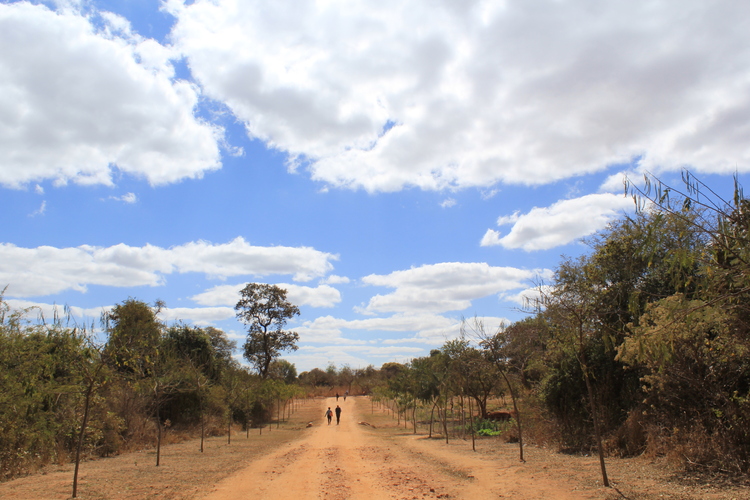
Macha

{credit}Credit: Catherine de Lange{/credit}


When did you decide that global health was what you wanted to do?

When I started research on mosquitoes I was very interested in the biology and the behaviour of mosquitoes but really with the aim of eventually doing that somewhere where it actually means something. When I started my job in Kenya I became more involved in the global health side and that really grabbed my attention. I really enjoyed the epidemiology – how to roll out surveys and plan operational research. Here in Macha, it’s going to be more on the entomological side, with some field-work. Going back further, my father was a researcher in topical medicine in Kenya so I got to tag along with him and see the work he was doing, and right from an early age I was fascinated by that.

What is it about global health that really appealed to you?

There’s a lot of challenges and I like a challenge! You also learn something new almost every day, you get to work with some fantastic people, fantastic communities, some great academics in the field. And being able to work in Africa, you really get to see what the challenges are and get a feel for what can work: it really focuses your mind on driving towards something that could really help.

There are setbacks and there are a lot of times when it can be quite difficult though. But at the end of the day when you can see a change it’s really worthwhile. In the project I was working on in Kenya, we were doing a randomised controlled trial where we were proving bed-nets, spraying houses, testing and treating people for malaria. We had a great community involvement there and we were able to help some of the families. There were some very sick children we were able to help, which was very fulfilling.

Do you ever worry that when you leave the field your efforts will be undone?

That is always a challenge because with these research projects you come in with a set amount of money over a set timeline. What we try to do is to train people up and be able to find positions for them afterwards. For instance in Kenya, it was great seeing people [we trained] who had just left school getting into the position where they were applying for permanent roles at, say, the Kenya Medical Research Institute, and really seeing them thrive. So part of this work is capacity building as well, and obviously that’s very rewarding.

How do you feel about spending such long periods away from home?

I normally try when I’m out in these places to think: home is here. I come from a family who moved around the world anyway so actually defining where home is is difficult. Although I’m british I was brought up in Kenya and we also spent some time in Indonesia. It was only when I was 16 or 17 that I moved back to the UK.

Credit Jennifer James

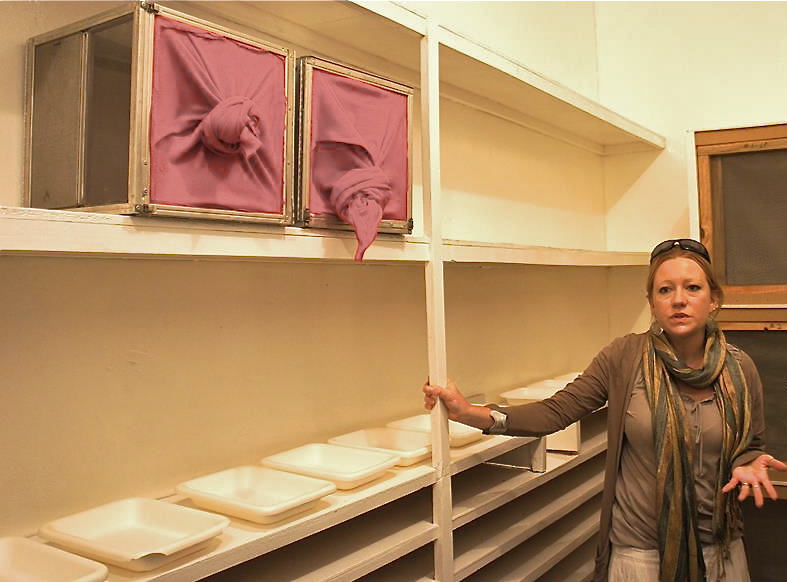
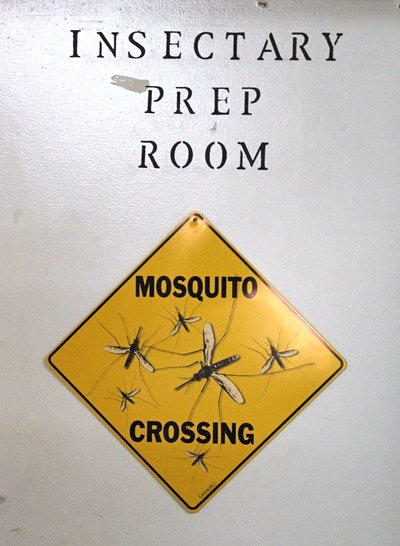
Jennifer Stevenson in the newly refurbished insectary at Macha {credit}Credit: Jennifer James{/credit}

Entomology is one part of these projects. What other kinds of  roles are there in global health?

There’s a great range. There are people who have done pure science – biochemistry or molecular biology – who then move into public health. A colleague of mine went down that route and is now doing a masters in public health with a view to get into policy. There are people who are mathematical modellers and get into epidemiology. So I don’t think there’s a set route, it’s a real mix.

Any advice you’d give to someone thinking of a career in global health?

I think the key thing is to get experience. I had an upbringing that gave me a lot of exposure anyway. A lot of people won’t have that chance, but getting to volunteer on projects and getting that experience is really key. Go out and work in areas that you might be interested in, like Africa. I think it’s also important to speak to people in the kinds of fields you might be interested in. In terms of leading up to my degree I think one regret I always had is not doing maths at A-Level. Whatever you get into in the science world in public health, maths is key.


Stevenson's work is split between entomological studies in the Macha labs, and field work, where she visits homesteads in the area, such as the one below.

Stevenson’s work is split between entomological studies in the Macha labs, and field work, where she visits homesteads in the area, such as the one below. {credit}Credit: Catherine de Lange{/credit}


homestead small

{credit}Credit: Catherine de Lange{/credit}

Naturejobs is in Zambia with the International Reporting Project, speaking to people working in global health, in particular those studying malaria, HIV/AIDS and TB. 
Massive shrinkage in African great ape habitat since 1990s

{credit}Derek Keats{/credit}

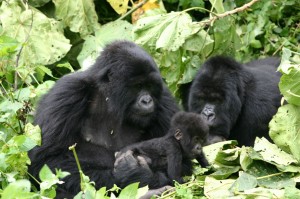
Great-ape habitat in Africa has shrunk precipitously in the past two decades, according to the first continent-wide survey of the state of environmental conditions suitable for the animals.

Gorilla habitat has been hit particularly hard, researchers have concluded. Since 1995, Cross River gorillas have lost 59% of their habitat; eastern gorillas have lost 52%; and western gorillas have faced a 31% loss.

Bonobos have suffered a 29% loss in their habitat; central chimpanzees have experienced a 17% shrinkage, and western chimpanzees, 11%.

According to a paper published this week in the biogeography journal Diversity and Distributions, the areas that underwent the greatest habitat loss were found in the centre and east of the Democratic Republic of the Congo, western Equatorial Africa and the upper Guinean forest in Liberia.

The one apparent bright spot for humankind’s closest relatives came in habitats suitable for Nigeria-Cameroon chimpanzees and eastern chimpanzees, which saw almost no change. But even here, the researchers point out, this lack of decline may be attributable to habitat loss in east and west Africa having already been substantial by the 1990s. Continue reading