Mentoring: A powerful tool

By Virginia Gewin

complexity

{credit}westend61/Getty{/credit}

A free mentoring toolkit that helps female Middle Eastern scientists around the world to find and support one another is available online.

Rana Dajani, a molecular biologist based at Hashemite University in Zarqa, Jordan, developed the toolkit to inspire female researchers to build the networks they need to support, collaborate and advise one another as they move forward in their careers.

The number of female researchers in Middle Eastern countries varies wildly. A 2016 report found that women represent around 35.5% of total researchers in the 57 Organisation of Islamic Cooperation countries. Still, the numbers of employed women in some Middle Eastern countries are much lower. In Jordan and Algeria, just 12% of women work and in Saudi Arabia, 14% are employed.

Dajani built a mentoring network in Jordan in 2013, pairing 10 mentees with 10 mentors. From that experience, and with funding from the US National Academies of Science and the US National Science Foundation, she created ‘Three Circles of Alemat’, a three-year project to develop and test the mentoring toolkit. Working with female researchers from 17 universities across the Middle East, she and her team created a low-cost method to improve personal and professional success for both women and men. The final phase of her mentoring project, Three Circles of Alemat, brought together a cross-regional group of female Middle Eastern scientists this year in Boston, Massachusetts, at the annual American Association for the Advancement of Science conference.

The mentoring toolkit is available for free through the website of the Society for the Advancement of Science and Technology in the Arab World. Another organization, 500 Women Scientists, a network of 19,000 women worldwide, has also adopted the toolkit. “We did not want to provide a centralized forum for mentors to find mentees because it is costly,” says Dajani, who is spending this year as a fellow at Harvard University in Cambridge, Massachusetts, writing a book about women redefining success. “Rather, we wanted people to take control and start their own creative forums.”

Virginia Gewin is a freelance writer in Portland, Oregon.


Suggested posts

Video: How did you cultivate mentors?

Ten tips for finding an effective mentor

The faculty series: What does it take to be a mentor?

 

Blood on the lab bench

Scientists in Qatar have taken research into organ development one more step into the future by expanding the potential for creating personalized blood and heart tissue in the lab.

The scientists, under the lead of Arash Rafii Tabrizi at Weill Cornell Medicine – Qatar, have postulated that endothelial cells, which line the walls of blood vessels, are a vehicle for organ development. “Different organs have different endothelial cells that express different and specific factors called angiocrine factors that lead to the development and function of the organ,” explains Tabrizi.

In order to test this, the scientists forced the expression of said transcription vectors in the lab. Twenty days later, the cells multiplied and differentiated into the building blocks of blood cells: hematopietic stem cells. These are the basis for cells such as red and white blood cells and platelets.

“If you have leukemia, for example, we would retrieve your endothelial cells and we could transform that into blood. It would be an unlimited personal source of blood for each individual,” says Tabrizi.

In addition to blood, the researchers paired endothelial cells with heart muscle cells to create more muscle cells, that beat together rhythmically, in a petri dish.

The scientists maintain, however, that it’s too early to make any sweeping assumptions about the reliability of results, not until the tests move into the animal and human trial phases.

Read more about what the scientists have termed a breakthrough discovery here.


Prescription drugs overused and abused in the Mideast

It turns out that, in the Middle East, getting access to prescription medications for serious ailments, in the absence of supervision, can sometimes be as easy as picking up an over-the-counter medicine for a headache or the common cold, or so claims a new review published in Pharmacology Research & Perspectives.

In theory, the regulations separating access to either brand of medication is there. In practice, the review cites a “massive problem” of self-medication misuse in the region, particularly with prescription medication, one that eventually leads to greater health risks among patients, including drug dependency and addiction.

Drugs that are used recklessly or sometimes abused by Middle Eastern patients include codeine containing products, topical anesthetics, topical corticosteroids, antimalarial, and antibiotics. According to the review, which looked at 72 papers published on the subject between 1990 and 2015, self-medication medicine misuse cannot always be exactly quantified in the region but it seems widespread.

Some of the statistics that the review highlights are quite jarring.

For instance, 73.9% of the Sudanese population have reportedly used antibiotics or antimalarials without a prescription. Equally alarming trends have been observed in Syria, Yemen, Jordan, Tunisia, Egypt and the UAE, with drugs such as amoxicillin or ampicillin being dispensed freely. According to the review, most patients self-medicating on antibioitcs did not even follow through the full course of the medications and took them for less than three days.

Many of the patients follow the advice of relatives, or have a drug prescribed to them by a doctor over the phone. As well, some pharmacists play a role. “People tended to select medication based mainly on advice received from community pharmacists,” says one of the studies cited.

One study said that the majority of the 200 pharmacies under scrutiny in Syria had sold antibiotics without prescription, and in Saudi Arabia, only a single pharmacy had refused to release the medication without a doctor’s prescription.

As well as stacking prescription medications for future use, Middle Eastern patients often used them inappropriately; it’s not uncommon for many to pop antibiotics to treat illnesses unrelated to bacterial infections, for instance, or with incorrect dosages for inappropriate period of time, according to the review.

The Art of Supervision in the Arab and Gulf Region

The upcoming generation of Arab scientists has to be mentored differently, says Mohamed Boudjelal

This piece was cross-posted with Nature Middle East

professor-1696568_1280-smaller

The majority of the Arab world gained independence from western colonization during the second half of the 20th century. While Western states were building their research base then, most Arab states were focused on education. Now, the Arab world is trying to catch up. The two main challenges we face today are improving scientific training, and engaging more women in science.
Continue reading

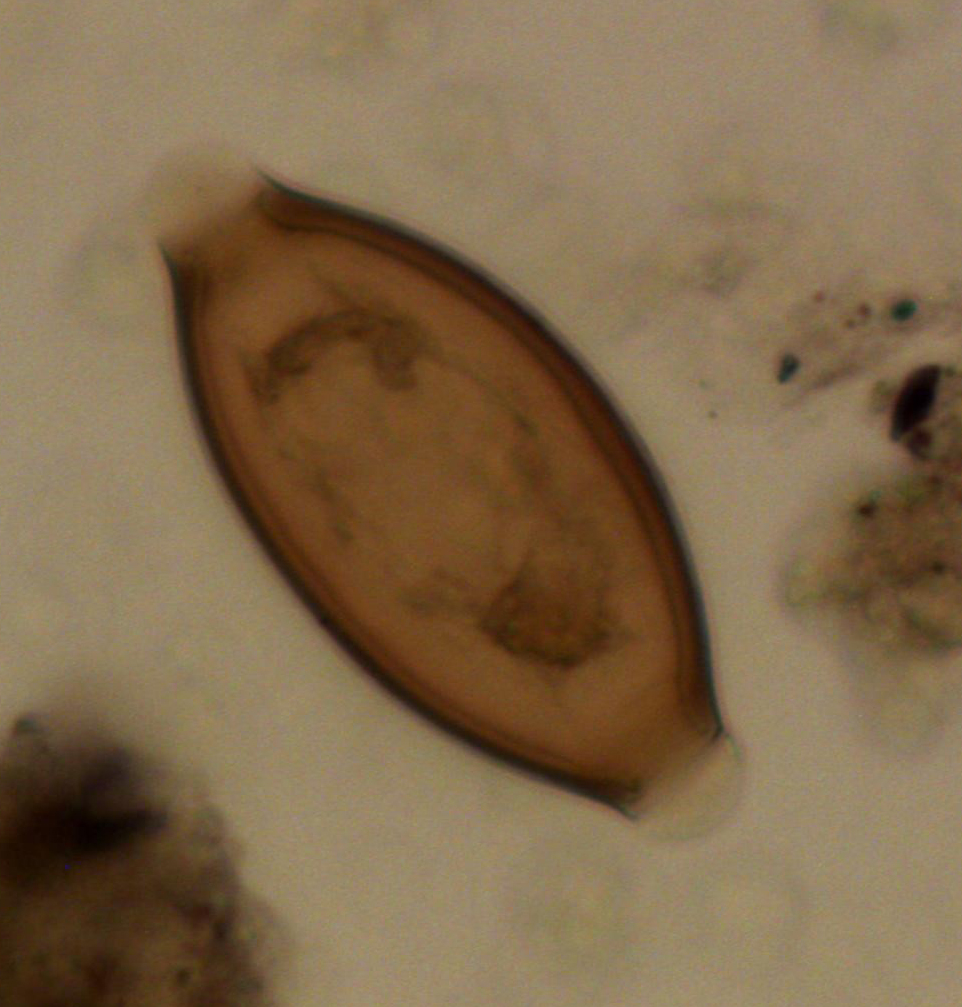
Ancient parasites hitched rides to the region using European travelers

The fossilized faeces were riddled with both roundworm and whipworm

The fossilized faeces in the ancient cesspool were riddled with both roundworm and whipworm{credit}Hui-Yuan Yeh{/credit}

Analyzing a 500-year-old latrine in the Christian quarter of the old city of Jerusalem, researchers found evidence of some species of intestinal parasites that seem to have been “imported” from medieval Europe.

Of the six species of parasitic eggs detected – including large quantities of roundworm and whipworm, both spread by faecal contamination of food and thought to be endemic to the region at the time – two had been normally very common in northern Europe, but almost absent in the Middle East.

“The analysis of this fifteenth century latrine in Jerusalem provides a vivid glimpse of the infectious diseases suffered by the people who used it,” reads the study.

The parasites in question are Entamoeba histolytica and fish tapeworm, explains the research published in the International Journal of Paleopathology. The researchers believe long distance travelers had taken these parasites with them as they journeyed to Jerusalem.

The fish tapeworm was prevalent in Europe and often eaten raw, smoked or pickled – which doesn’t kill the parasite. But, as per Arabic texts of the time, in inland cities such as Jerusalem, fish was either not commonly eaten, or was thoroughly cooked before being consumed. The cooking kills the parasite and prevents its spread.

The researchers found pieces of Italian pottery in the same cesspool, which – they believe – point to strong trading or religious links between Europe and Jerusalem during the late 1400s, according to the official press release with details of the study. Based on that, the researchers hypothesise that the latrine was either a town house owned by local merchants who traveled to Europe, contacting the parasite while there, or a hostel where European merchants or pilgrims stayed.

“While we can only suggest reasons as to why people made these journeys between northern Europe and Jerusalem’s Christian quarter, it does seem they brought with them unsuspecting hitchhikers in their intestines,” Piers Mitchell, biological anthropologist and author of the study, says.

The researchers also found quantities of Taenia parasite eggs, indicating pork or beef tapeworm. The Mamluk Period (1250-1516 AD) was Islamic but pigs would have still been consumed in the Christian quarter.

Though its effects varied, “a heavy load of these parasites in children, however, can lead to malnutrition, reduced intelligence and stunted growth. Dysentery may cause diarrhea and abdominal cramps for a week or two and then settle, or it may cause death from dehydration and septicaemia,” says Mitchell.

“This research highlights how we can use preserved parasite eggs in ancient toilets to spot past migrations and the spread of ancient diseases. Jerusalem’s importance to Christians in medieval Europe made it a key destination for both pilgrimage and trade. We can see these travellers took unexpected guests along with them.”

2013: Nature Middle East’s Special Editions

For Nature Middle East, 2013 has been an exciting year — with wider coverage of the latest in science and research from across the region, and the beta-launch of our monthly special editions earlier in the year, and regularly starting October.

Our specials section decided to go nuclear, in its experimental edition in April 2013, highlighting the four major players in the region on the this front. We explored the potential and ambitions of Jordan, Egypt, Saudi Arabia and the UAE in nuclear energy development. The overarching question was: What kind of progress these countries can generate as they muddle through complex politics and logistics?

Our debut in October produced multiple features and news pieces on one of the most feared diseases of the century: cancer, whose incidence is expected to increase in the Middle East more than any other part of the world. From cancer screening in Algeria, which sadly occurs too late for many patients, to a prevalence of advanced breast cancer in Jordan, Syria, Egypt and Sudan, and the presence of a uniquely vicious type of the malignant disease in the Arab world, our cancer special balanced statistics from the ground with eye-opening lab findings in this area.

In November, the spotlight has shone on stem cell research in the region — one that experienced a head-start when Muslim scholars green-lighted basic research using embryonic stem cells. Promising research, such as that carried out by a team of scientists in Egypt using stem cells to find a cure for diabetes, is juxtaposed against opinions by experts from the field on regional policies, and how to move forward, logistical problems and financing shortages notwithstanding.

Finally, in December, Nature Middle East decided to get closure by talking about the elephant in the room: the rising prevalence rate of the HIV and AIDS in the region, which remains to be one of the most pressing issues thus far considering how little information we have regarding its spread.

You can’t talk about HIV without tackling stigma, which, as it turns out, is a solid force in the region; thwarting proper assessment of the incidence of the virus in 10 countries, affecting the reach of treatment (and in turn its effectiveness), and putting up proverbial walls between risk groups and health workers trying to help.

It’s a mixed bag. Worrying trends persist in some countries; for example around 80% of people living with HIV/AIDS in the region are not aware they’re carriers of the virus. While in others, there’s a measure of progress, with countries like Lebanon, Morocco, Jordan, Syria and Tunisia, adopting a hard reduction approach to curb the virus.

Where are all the science bloggers in the Arab world?

The Arab world needs science bloggers to counter spin in the mainstream media, says Rayna Stamboliyska. So why are they so hard to find?

Cross-posted from House of Wisdom, a blog from Nature Middle East

When I started browsing the web for science blogs from the Middle East and North Africa (MENA) region, I didn’t think it would be such an adventure. And for a quest, it was one.

I thus started entering keywords in the search engine. The outcome was disappointing: one or two blogs in English popped up. I thought it is because I was only searching in English, but French and Arabic searches did not harbour significantly more results. When I asked friends to point me out my wrongdoing, they just laughed and the comment invariably was: “Dear, spare your efforts, there is no such thing like science blogging in the region.”

The blogging culture in the Arab world thus seems to mainly touch opinionated people with a say in politics and economy. There is nothing wrong with this. I’ll spare you a lecture on the importance of social media for changing the society we live in, this has been thoroughly discussed elsewhere. Loads of bits and ink have also been spilled to demonstrate the importance of science blogging. Given the paucity of science blogs in the Arab World, I guess a reminder is more than useful.

Why write about science? Reason #1: scientists get to speak directly to the public. Reason #2: lay scientists or enthusiasts engage and keep up to date with developments in various scientific fields. Reason #3: open discussions on research topics are promoted among peers.

This sounds great, motivating and all that. There is, however, a recurrent feature pointing its nose from this shortlist: scientists should initiate and nurture this dynamics, ideally complemented by active science writers and journalists.

A widely circulated image on social networks. Rayna Stamboliyska argues the voice of science is sorely missing in this kind of rhetoric.

If you are reading this piece, it means you are aware that science is an emerging field in the Arab world. Funding is far from sufficient to secure comfortable or even basal equipment for research. Moreover, political influence in science making and communication is a fundamental characteristics in the region. Doctoral degrees are, however, greatly appreciated in all MENA countries. Additionally, journalism and mass communication are a frequently taught discipline. But science and journalism do not really mingle, after all.

If you browse the websites of major universities in the Arab countries, you realize that they are rarely updated. Even if they are so, press releases about endeavours and achievements seldom land on journalists’ desks. Very often, the few science-related articles one stumbles upon in a newspaper are just a translation from foreign sources. This clearly gives the bitter taste of “nothing happens in our part of the world.” Even such admirable initiatives as publishing 50,000 PhD theses online and using the platform as a networking hub finally fail: the dedicated website does not exist at all.

Carry on reading on the House of Wisdom blog…


Rayna Stamboliyska is finalizing a PhD in Genetics and Bioinformatics. She is a science blogger at SciLogs.com’s Beyond the Lab, which looks at emerging ways of doing science. She also blogs at Australian Science and is an editor at Bioinfo-fr.net. In addition, Rayna writes for Global Voices Advocacy, FutureChallenges.org and Jadaliyya. Despite what you might think, she is very much a human being. She tweets as @MaliciaRogue.

Science in the Arab world

rana.bmp Dr. Rana Dajani teaches molecular biology and is the Director of the Center for Studies at the Hashemite University of Jordan. She is also the founder of the initiative We Love Reading, which aims to encourage children in the Arab world to read for pleasure. Dr Rana Dajani, who took part in the Belief in Dialogue conference on 21-23 June, blogs about what’s needed for science to flourish.

The conference was organised by the British Council in partnership with the American University of Sharjah and in association with the International Society of Science and Religion.

As a scientist in the Arab world, I practise science and research everyday. The challenges are multiple and in many cases not so obvious for those in the West, who can afford to take these things for granted. The most important element for fostering research is creating an environment to encourage, support and sustain it.

Firstly, such an environment can only be created if you put in the work and deal with the problems as they arise. It’s not something that you can just dream up while sitting at your desk. Secondly, to make it sustainable, management needs to be accountable for its actions. Unfortunately, this is not always the case here. Without these two elements, no money in the world will allow science to progress and develop.

There is an abundance of minds and creativity in the Arab world. However, most of them drain into the West because there is a well-established support system for research.

So, what is the solution? The solution is freedom; freedom of opinion, being able to come to a decision through questioning, unhindered contemplation, institutional accountability, democracy and human rights.

Freedom will ultimately lead to progress and development not only in science but in all aspects of life in the Arab world. Freedom of opinion starts at home, with children given the opportunity and encouragement to question, challenge and form their own opinions.

This should further be fostered in schools, where teachers encourage students to ask questions. If teachers don’t have the answers, they should say so honestly and without covering up gaps in their knowledge by stifling the student. Children can learn to form their own opinions if they are taught reasoning and deduction and are granted the space to practise those skills. That is what our children need and that is what is missing in the Arab world.

University students have not been able to form independent opinions reflecting their original thinking. The day my students wrote essays expressing themselves was the day they felt human. One student told me that he was finally Someone – with a capital S.

The day I listened to a student explain her opinion was the day she could give me a big smile and tell me it was the first time she felt respected. It is such individuals who build our communities and nations, who will make a difference, who will take us into the twenty-first century with confidence.

How do we achieve this goal?

I believe the only effective way is to instil a love of reading in our young ones, so that they can learn from other people’s experiences across time and space and see and respect other ways, other narratives, that are equally justified. I have developed a programme called We Love Reading to do that throughout the Arab world by training women to read aloud to children in their neighbourhoods.

Follow Belief in Dialogue on Twitter