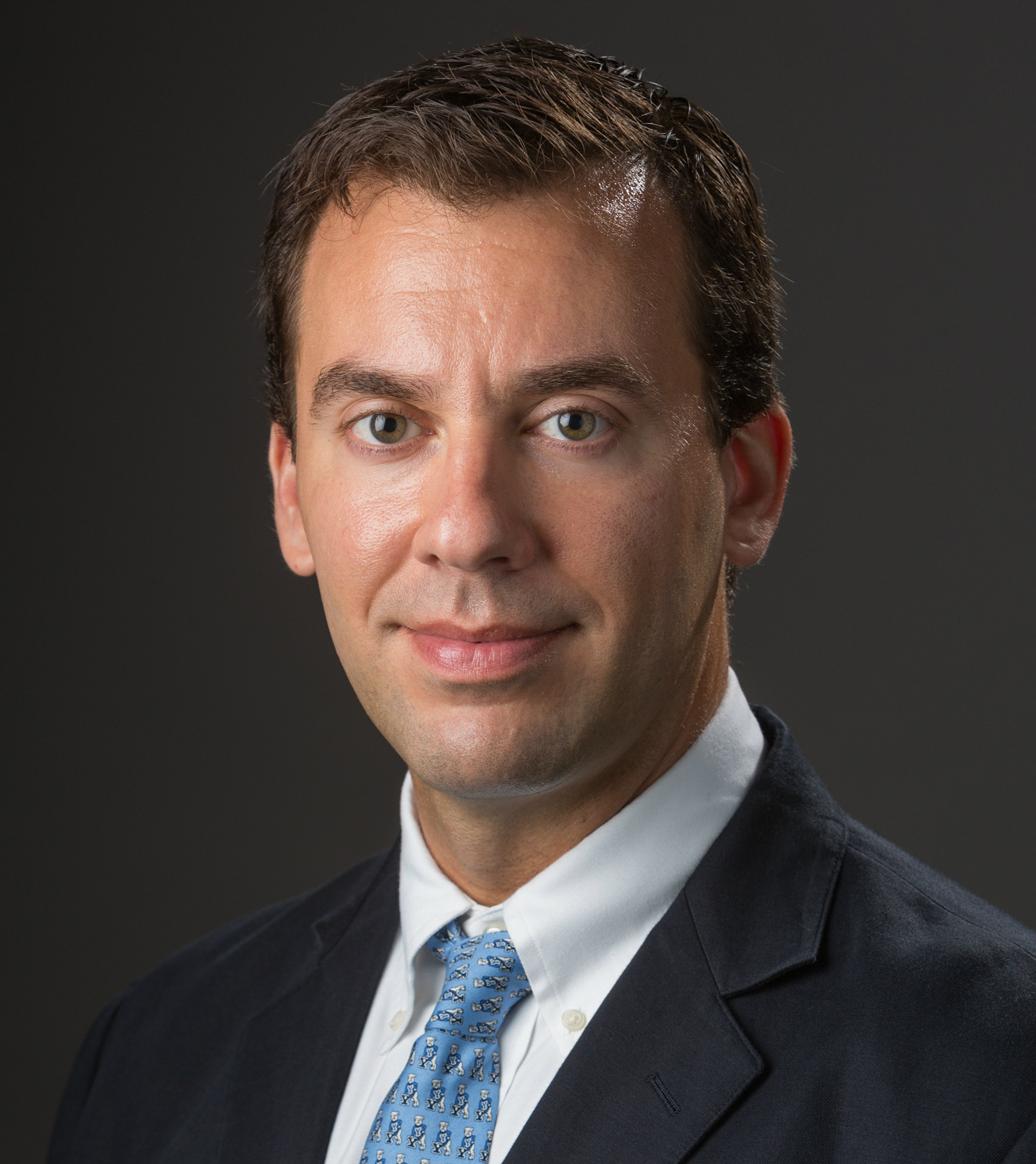
How Panagiotis Vagenas ended up withdrawing from NIH funding for a research position with a non-governmental organization.
I work for Project Concern International (PCI), an international development nonprofit, in San Diego, California. In my role as the Senior Technical Advisor for Research, Monitoring, Learning and Evaluation, I lead the organization’s research agenda and advise PCI staff in the US and our field offices in low and middle-income countries around the world on rigorous research methodologies. Most of my colleagues found a more straightforward route into the field of international development. My path was longer.
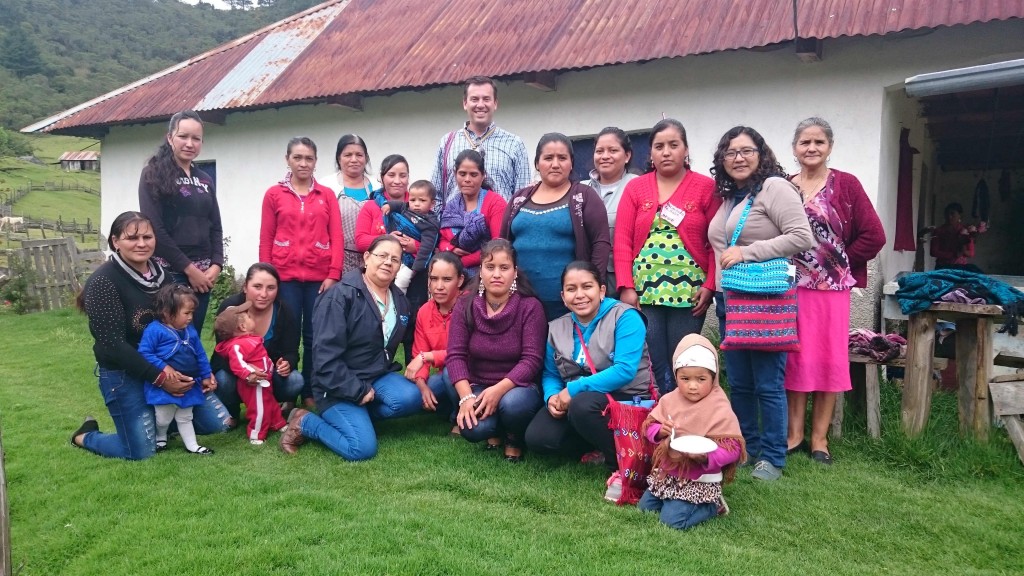
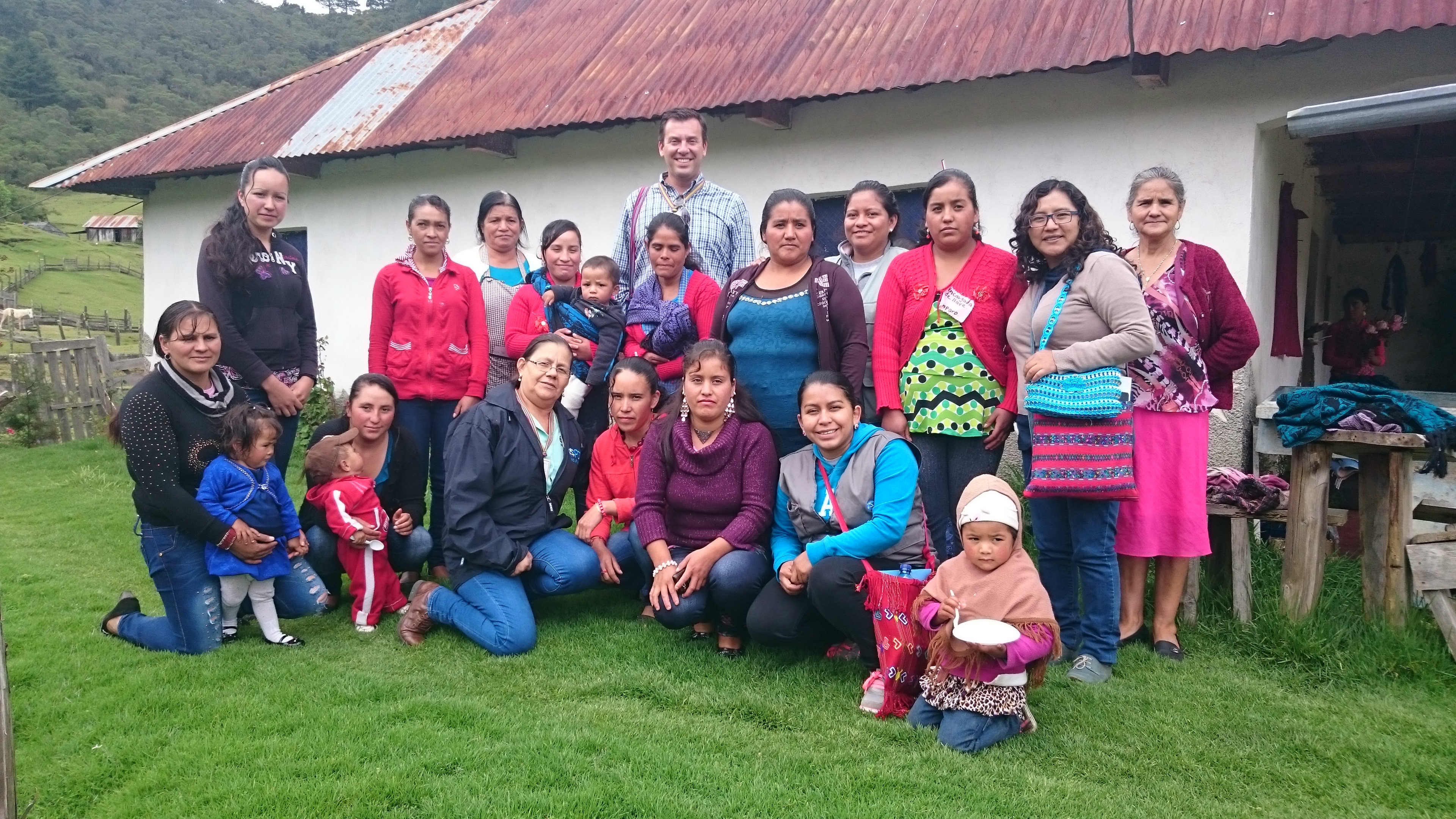
Some of the beneficiaries of PCI’s Women Empowered initiative.
Training in biochemistry and immunology
After leaving school in Greece I studied biochemistry at Imperial College London. I stayed in basic science for the next 14 years, pursuing a master’s in biochemistry and a PhD in immunology, still at Imperial, followed by a postdoctoral fellowship in the Population Council’s labs at the Rockefeller University in New York City.
I enjoyed my lab work on HIV vaccines but wanted my work to be closer to the impact on human lives. Mentorship is crucial and looking for additional mentors outside one’s primary role is beneficial. Even the most senior colleagues are happy to offer advice and spend time mentoring. After ten years in the lab, I pursued a Master’s in public health (MPH), at Yale University.
Moving to public health
After my MPH, I started a second postdoctoral fellowship at the Yale School of Medicine. I joined a dynamic multi-disciplinary group of public health, anthropology and communications PhDs, complemented by physicians with interests beyond the clinic, all of whom investigated the intersection of substance abuse and HIV among vulnerable populations, including prisoners, sex workers, transgender women and men who have sex with men (MSM).
This work exposed me directly to the overwhelming disparities faced by these populations, especially in the developing world. My main project focused on alcohol use disorders among MSM in Peru and how these fuel the HIV epidemic. I was also involved in clinical trials of an opiate antagonist, naltrexone, for the treatment of alcohol use disorders among people living with HIV in Peru, as well as in New Haven, CT and Springfield, MA.
Looking for funding
After my postdoc, I joined the faculty of the Yale School of Medicine. When I reached the essential stage of securing my own research funding, however, I hit a roadblock. The 2013 US budget sequestration hit the NIH hard and money for research was hard to find. My first attempts at a NIH grant were rejected. Continuing to live with inadequate salary support for more than four years was suffocating – a problem I hear constantly from fellow academics. It is very disappointing that following many years of specialization, both adequate pay and research support are extremely hard to find, even at a prestigious research institution like Yale.
Jumping ship
My desire to be closer to the human impact of my work never diminished, so I believed that this was finally the time to jump ship from academia and join an organization that implements projects on the ground and directly helps the lives of those who need it the most. Research positions in global health and international development organizations are not plentiful, but these organizations are realizing the impact that rigorous research can have in their work, as well as providing a direct feedback loop of knowledge from the implementation of programs back into the design of new programs. PCI has made such a commitment to rigorous research. It implements a very broad spectrum of projects not just in public health, ranging from women’s empowerment and human rights, to nutrition, literacy, water and sanitation, HIV, TB and Ebola, urban development and resilience and emergency humanitarian assistance.
Research in the development field
This transition was not without its challenges. While I am leading a number of studies, my main role is to advise on research methodologies, instead of being the researcher myself. In addition to that, the breadth of the subject areas I now work in is large and the learning curve was steep. Nevertheless, the work has been fascinating and rewarding.
PCI’s Women Empowered (WE) Initiative has occupied a big part of my time in my first year here. WE is a multi-country savings-led microfinancing program, which aims to empower women both socially and financially. It does that by bringing women together in a group setting where they learn how to save money, in addition to discussing social themes of interest to them and their communities. The results are inspiring: during a visit to PCI’s Guatemala offices last summer, I met with many WE group members in the remote highlands of Huehuetenango province whose enthusiasm for PCI’s initiative was hard to mask, even in the middle of unmistakable poverty. I met a happy, outgoing woman who shared with me that before WE, she had no social network and no say in her home.
Another, a young single mother, used a loan from her WE group’s savings to build her own home, which she showed our team with great pride. Seeing these women, talking to them in person and hearing how PCI truly transformed their lives was deeply moving and finally gave me the personal satisfaction and fulfilment I was always seeking from my work.
A research study on WE that I am leading investigated the post-project sustainability of our WE initiative in Ethiopia, between three and six years from the end of the PCI program. PCI is committed to designing programs that are sustainable after our support ends and has committed funding to researching this sustainability. WE groups were still meeting even six years after PCI support ended. Analysis of our overall impact is under way currently, but the preliminary results are encouraging and full of lessons for future sustainable programming.
An email in March
A few months into my new job, I received an email from the NIH saying that my reapplication for my research grant at Yale was slated to be funded. I went on to withdraw that application because I was now in a position that meant more to me in many levels.
The reason I want to share this story is to encourage fellow scientists who may be not fully satisfied in their work to think outside the box and be open to options that may not be immediately obvious – and who knows, you may end up in a paradise like San Diego! I feel that my science background and career path have made me a strong researcher, ready to develop professionally in my new field, a field that may be more open to science PhDs than one may initially think!
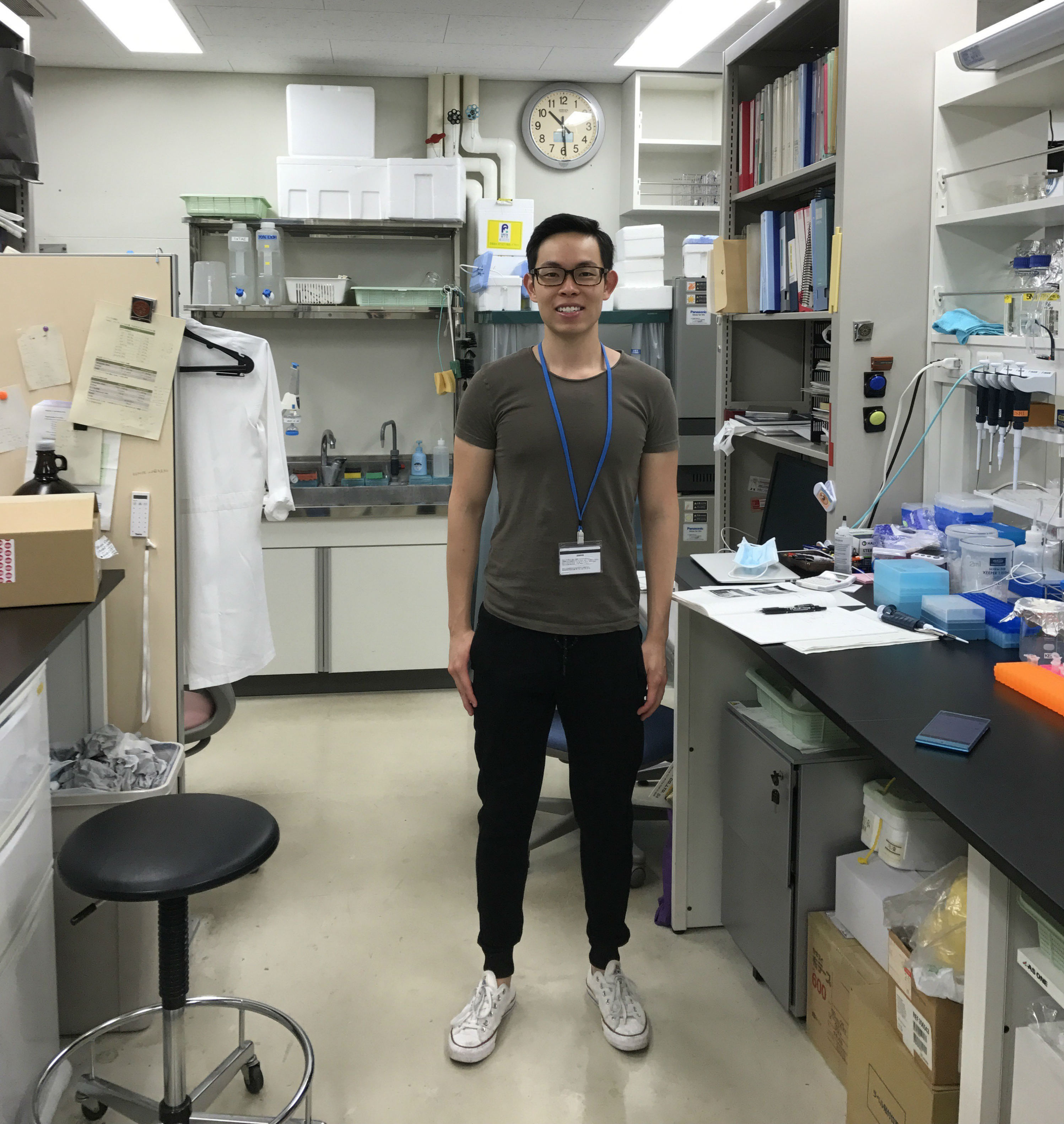
Panagiotis Vagenas grew up in Athens, Greece; studied biochemistry and immunology at Imperial College London and public health at Yale University. He conducted research on HIV vaccines at Rockefeller University and HIV and substance abuse at Yale University. He is now the senior researcher at Project Concern International (PCI), an international development nonprofit in San Diego. You can find him on LinkedIn and Twitter.
Suggested posts
Impact: the search for science that matters
Finding job satisfaction as a science liaison
Finding job satisfaction as a humanitarian researcher
Charities: Profiting from non-profits