This piece was originally published on the BioMed Central blog network, part of Springer Nature.

Pixabay

This piece was originally published on the BioMed Central blog network, part of Springer Nature.
Pixabay
Naturejobs journalism competition winner Eileen Parkes
Having spent years trying to find the perfect mentor, I’ve learned there is more to mentorship than first appears.
Mentorship is given when someone with expertise and experience takes an aspiring scientist under their wing, to share their knowledge and advice, and to provide support and guidance in career development. It is distinct from coaching, or sponsorship, where the coach can give critical feedback or a sponsor may intervene directly in a protégé’s career. Importantly, mentorship is driven by the mentee, who should define their own needs for mentorship and career development.
Harnessing the body’s own immune system should lead to less toxic cancer treatments, says a pioneer in the field of immuno-oncology
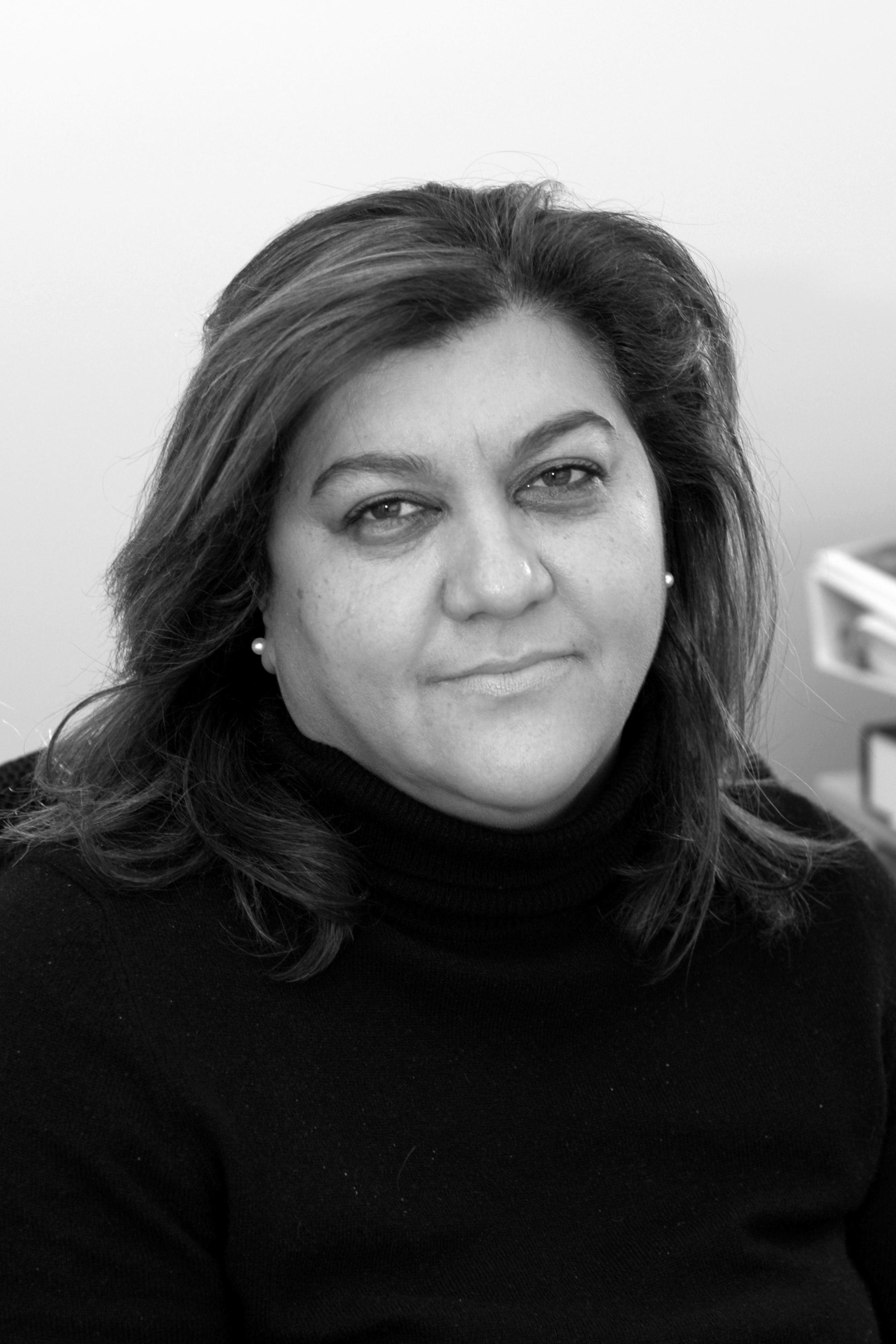
Dr Helen Sabzevari
Dr Helen Sabzevari is Senior Vice President of Immuno-Oncology at pharmaceutical company EMD-Serono. Sabzevari majored in immunology and immunobiology before going on to do a PhD in immunology, during which she became fascinated by the idea of activating the immune system against cancer. As a result, she went on to do her first postdoc in the fledgling field of cancer immunotherapy. Here she talks to Naturejobs about this growing field of research, and how immunotherapy is changing the treatments on offer for cancer patients.
What is cancer immunotherapy?
In one sense it is looking at how our immune system succumbs to the cancer in the first place, and that makes sense from the perspective that with cancer, the immune system is dealing with its own cells so it’s logical that it would not attack itself. But on the other hand it is fascinating to see how we might train the immune system to recognise cancer cells. For me this is really the dogma I want to address – that on one hand we need the immune system to recognise the serlf versus the non-self, but on the other hand, with cancer, we have to come up with ways to get our immune system to become aware of something that is wrong internally.
After your first postdoc, you switched fields for a while. Why?
It was very clear to me was at that point that in the field if immunology there was a disconnect between cancer immunotherapy on the one hand, and basic immunology and auto-immunity research on the other. Usually these two diseases are opposite sides of a coin – what leads to auto-immunity is over activation of the immune cells, whereas with cancer there is a quiescence of the immune system. My feeling was that it was very important to understand both sides, so I did a senior postdoc in the field of autoimmunity. At the time, some of my mentors did not consider that the best move because I had gained publications and focus in the field of immunotherapy. From my perspective it was completely the opposite – I wanted a holistic view of immunology, in order to come up with more innovative approaches for the immunotherapy of cancer.
During your career have you seen a shift in the way people are looking at treating cancer?
Absolutely. In the past two or three decades the treatment of cancer has been really focussed on radiation and chemotherapy. But the biggest issue there is the toxicity of these treatments. The whole concept of using immunotherapy is to understand how to activate the immune system, which is your own self defence mechanism, and come up with much more innovative therapies that can first lead to the stabilisation of the disease, and eventually work towards a curative aim. This has allowed us to think about approaches that are less toxic, and by reducing the toxicity, patients can maintain the treatment for longer periods of time with a much better quality of life.
What kinds of people are suited to a career in immunotherapy?
It’s unique, in that we need individuals with a good understanding of cancer biology and also a very solid understanding and training in immunology – they can connect this, see the bigger picture, and apply it. Continue reading