From despair to repair: Empowering communities to restore their oceans

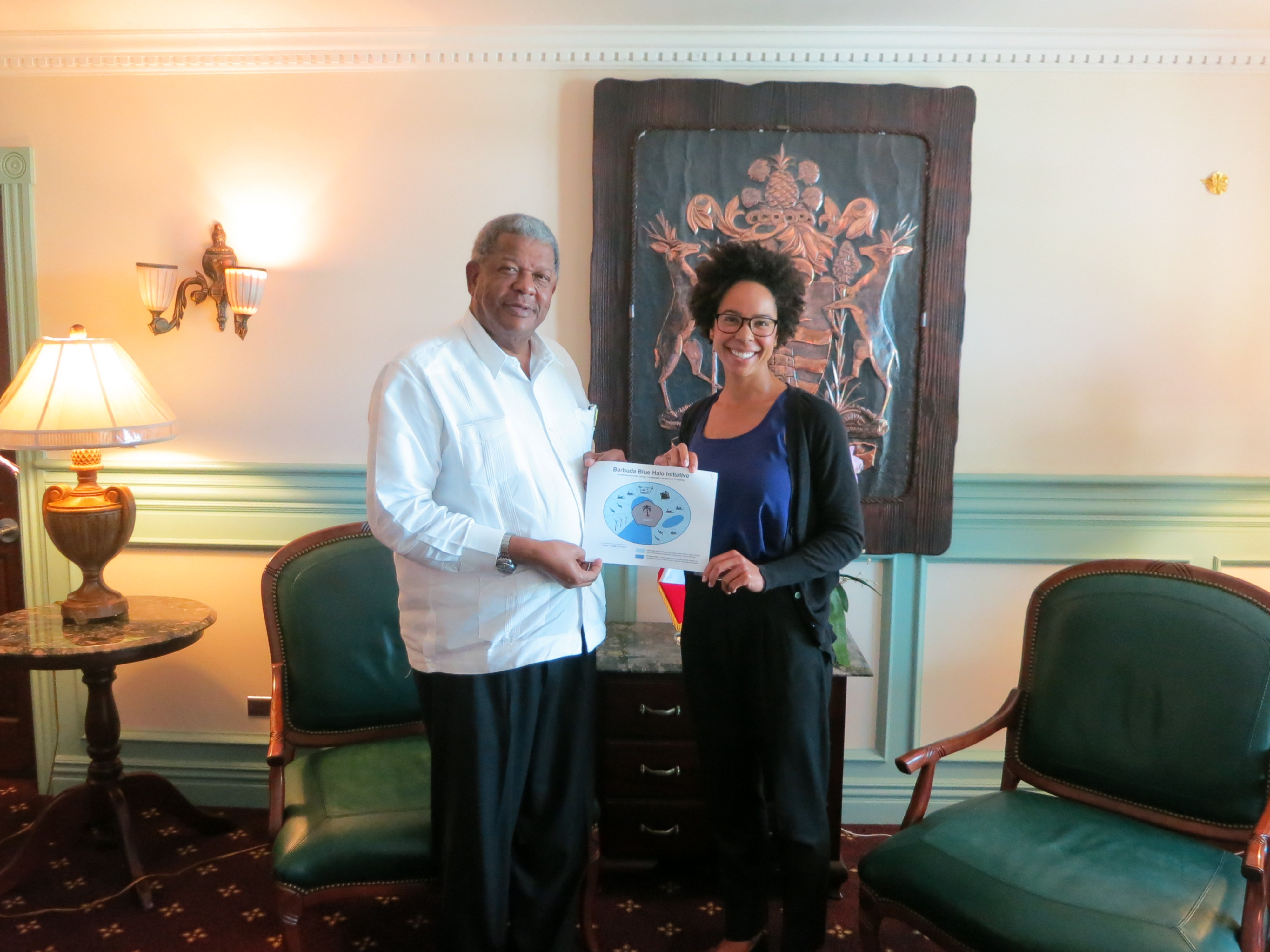
Dr Ayana Elizabeth Johnson with Barbuda Prime Minister, Baldwin Spencer.

Dr Ayana Elizabeth Johnson with then Antigua and Barbuda Prime Minister, Baldwin Spencer. (Image: Waitt Institute)

Dr. Ayana Elizabeth Johnson is a marine biologist and Executive Director of the Waitt Institute. Johnson’s mission is to collect, create, actualize and amplify the best ideas in ocean conservation. Her work has been featured in the New York Times, on her blog for National Geographic, in The Atlantic, and elsewhere. She holds a Ph.D. from Scripps Institution of Oceanography, a BA from Harvard University in Environmental Science and Public Policy, and has worked on ocean policy at both the National Oceanic and Atmospheric Administration (NOAA) and the Environmental Protection Agency (EPA). You can find her talking oceans on Twitter @ayanaeliza

“People used to talk about the size of the fish they caught vertically,” says a perspicacious 15-year-old Curaçaoan holding his hands off the ground at head height. “But now we show fish size horizontally.” As the young man lowers his hands at shoulder width apart to demonstrate this, it is strikingly clear the great fishing catches of old have all but gone in the southern Caribbean Sea.

The vibrantly scenic shores and glistening beaches of this bustling island are in stark contrast with the rather gloomier outlook of the once thriving Caribbean ecosystems that supported local fisheries. Speak to any of the older residents or fishermen on Curaçao and they’ll swear by the unprecedented changes they’ve seen in their oceans in the last half century.

This is a familiar picture across the Caribbean, which is suffering from the same threats of overfishing, climate change, pollution and habitat loss, seen worldwide. In August 2014, the National Oceanic and Atmospheric Administration (NOAA) listed 20 species of coral as threatened under the Endangered Species Act, including five Caribbean species. Projected impacts of global warming and ocean acidification motivated this action, but as marine biologist Ayana Elizabeth Johnson eloquently writes in a New York Times op-ed: “climate change really is only half the story.”

Johnson’s encounter with the young Curaçaoan and his jarringly precocious words struck a chord with her eight years ago, in the midst of her PhD research. Focusing on fisheries management and ecology in the southern Caribbean, she interviewed more than 400 fishermen, scuba divers, and locals in Curaçao and Bonaire, to inquire what major changes they had seen in their oceans.

“It is critical to understand what local people see as the threats to the ocean, as the perceived problems have a huge influence on what the perceived solutions should be,” says Johnson. “Often scientists’ outside perspective can be very different to the local one – and this can lead to disconnect when discussing sustainable policy and solutions.”

Continue reading

Citizen Science: In the Shadows of Volcán Tungurahua

How Ecuadorian communities and scientists are linking up to reduce the risk of one of South America’s most active volcanoes.

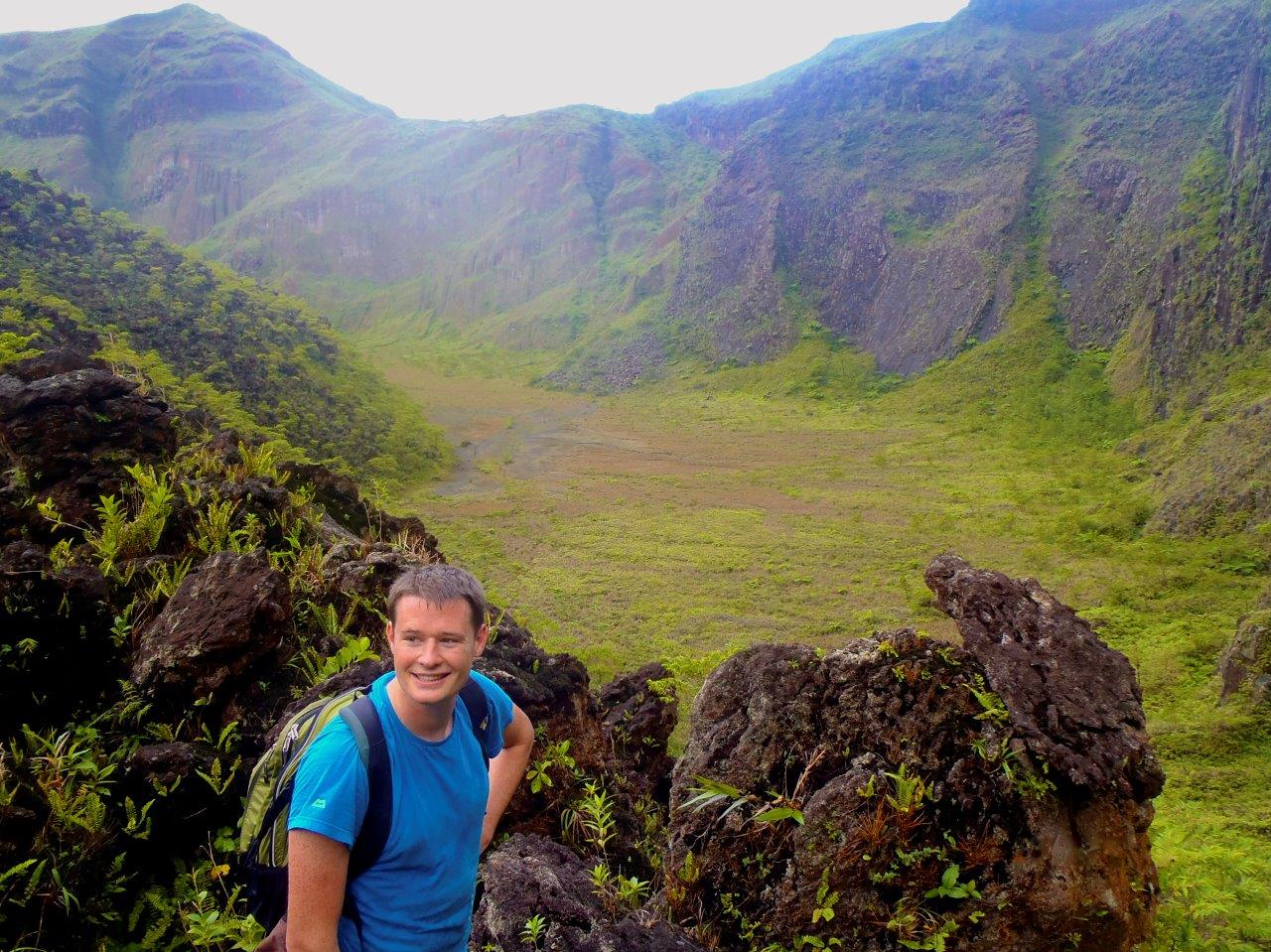
Jonathan Stone: “In volcanology a great deal of research is put into the prediction of specific hazards and the needs of those affected can often be overlooked." Image credit: (Richie Robertson)

Jonathan Stone: “In volcanology a great deal of research is put into the prediction of specific hazards and the needs of those affected can often be overlooked.” Image credit: (Richie Robertson)

Jonathan Stone is a PhD researcher at the School of Environmental Sciences, University of East Anglia, working in volcanology and disaster risk reduction.  His research focuses on the interactions between citizens, scientists and authorities around volcanoes, examining the effects of citizen science on these relationships. Although his background is in Geology, with an MSc in the Science of Natural Hazards, Jonathan went on to study for an MRes in Environmental Social Sciences before starting a PhD funded by the Economic and Social Research Council and the British Geological Survey. This experience (expertise in) of both the natural and social sciences has lead him to work on the Strengthening Resilience in Volcanic Areas (STREVA) project.

Outside of research, Jonathan is passionate about public engagement and was one of the creators of Volcanoes Top Trumps. More recently he has been involved in producing a series of short documentaries about the societal impact of volcanoes, told by the voices of those who lived through eruptions in St Vincent, West Indies. He likes running in his spare time, being involved in his local church – and of course – climbing volcanoes. 

Seemingly unflappable, tall and with a sharp sense of humour betrayed by a cheeky grin that can’t help but make you smile, Benigno Meneces is by no means your average citizen scientist. As a farmer in the modest surroundings of the Ecuadorian Andes village Bilbao, Meneces ploughs the land by day and monitors volcano eruptions by night. He is one of 35 residents across local villages and towns in the path of Volcán Tungurahua that make up a network of volunteers, known as the ‘vigías’.

Translated as watchman, guard or sentinel, the Spanish word ‘vigía’ only partially covers the passion and enthusiasm local villagers have brought to their voluntary roles protecting their communities. Made up from locals working in agriculture, teaching and business – the volunteers are tasked with communicating observations about the volcano to scientists at the Instituto Geofísico de la Escuela Politécnica Nacional (IG-EPN) and the Secretaría Nacional de Gestión de Riesgos (the Ecuadorian civil protection agency).

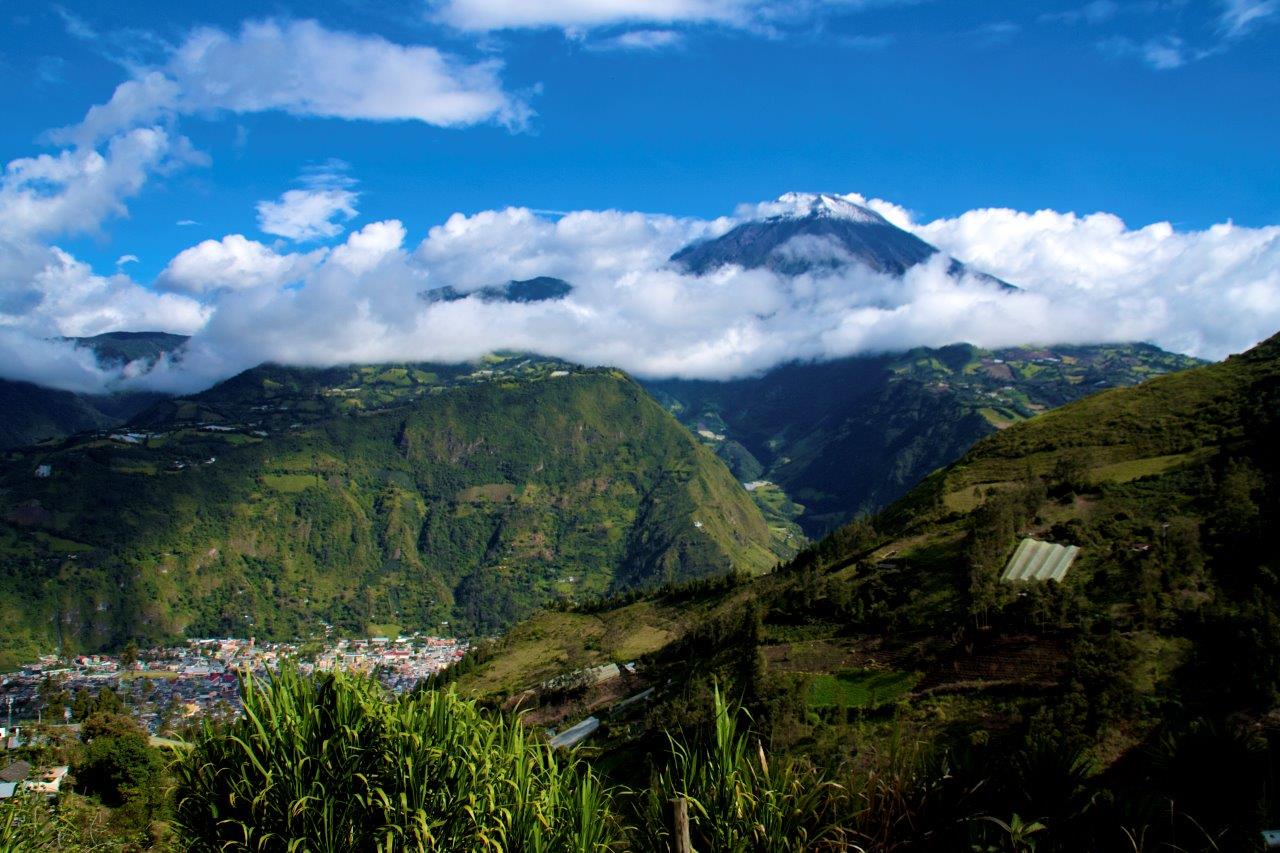
Tungurahua looms over the town of Baños.

Tungurahua looms over the town of Baños.

Continue reading

Chief Scientific Adviser to the European Commission discusses evidence-based policy and nurturing and supporting a European scientific culture

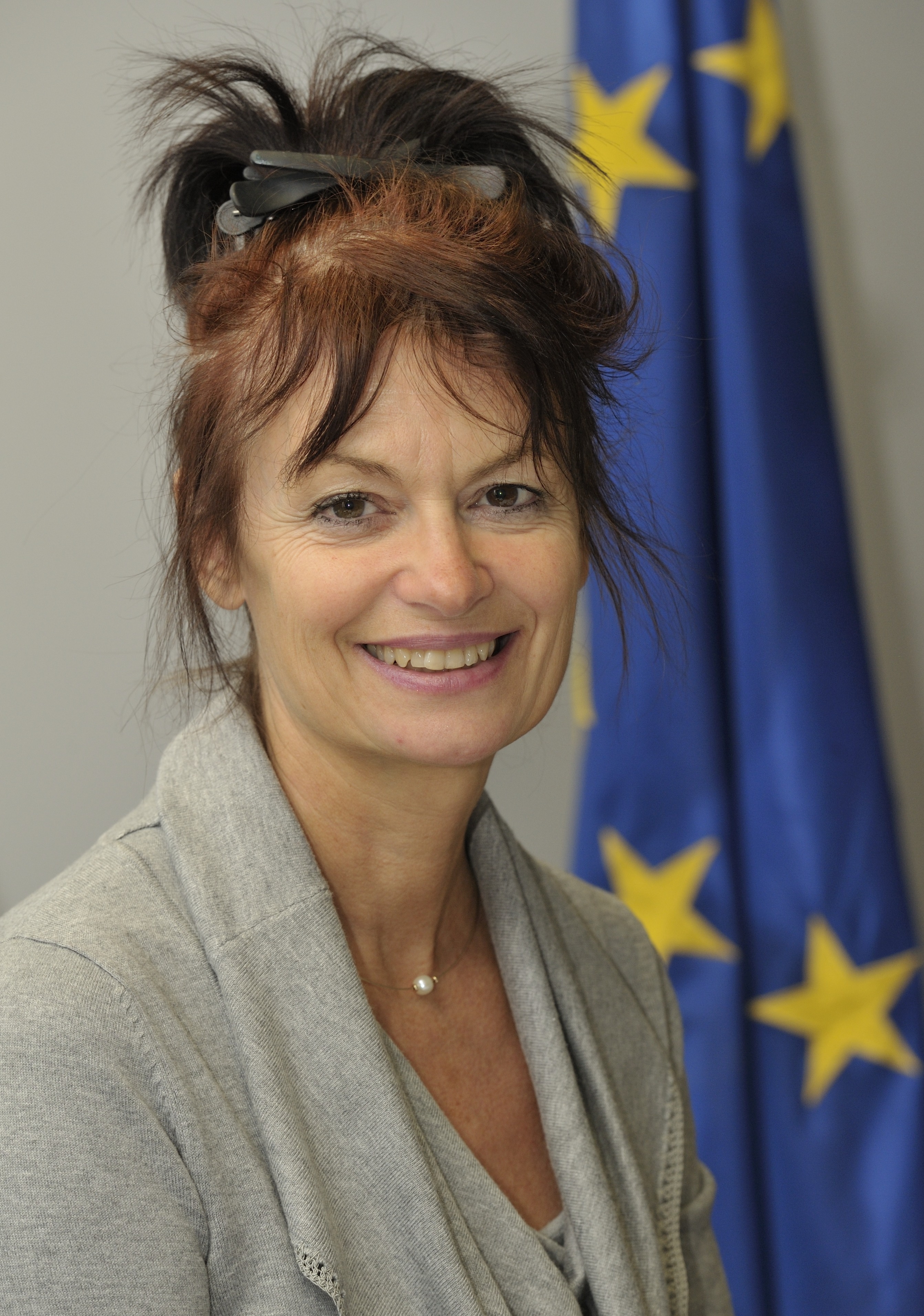
"The policy world very much mirrors what we do in science today."  Image: (c) European Union

“The policy world very much mirrors what we do in science today.” Image: (c) European Union

Professor Anne Glover joined the European Commission as Chief Scientific Adviser to the President in January 2012, and is the first person to hold this position.

In this role she advises the President on any aspect of science and technology, liaises with other science advisory bodies of the Commission, the Member States and beyond, coordinates science and technology foresight, and promotes the European culture of science to a wide audience, conveying the excitement and relevance of science to non-scientists. She also chairs the recently established Science & Technology Advisory Council of the President.

Prior to her current appointment she was Chief Scientific Adviser for Scotland from 2006-2011. Professor Glover currently holds a Personal Chair of Molecular and Cell Biology at the University of Aberdeen. Most of her academic career has been spent at the University of Aberdeen where she has a research group pursuing a variety of areas from microbial diversity to the development and application of whole cell biosensors (biological sensors) for environmental monitoring and investigating how organisms respond to stress at a cellular level.

Professor Glover holds several honorary doctoral degrees and is an elected Fellow of the Royal Society of Edinburgh, the Society of Biology, the Royal Society of Arts and the American Academy of Microbiology. Professor Glover was recognised in March 2008 as a Woman of Outstanding Achievement in the UK and was awarded a CBE for services to Environmental Science in the Queen’s New Years Honours list 2009.

When Professor Anne Glover finished her five-year term as Chief Scientific Adviser for Scotland, the biologist was lauded for not only raising the visibility of science in Scotland and the UK, but for further increasing the role of scientific evidence in the policy-making process.

These fruitful five years led her to the challenging and geographically diverse role of Chief Scientific Adviser to the European Commission (EC), which she leaves after three years in the position, at the end of 2014. As the first ever scientist to be tasked with the responsibility of independently advising politicians and policy-makers governing more than 500m people across 28 member states, this was no easy assignment.

Continue reading

23andMe’s face in the crowdsourced health research industry gets bigger

The burgeoning field of do-it-yourself biomedical research got a major endorsement this week when the genetic testing heavyweight 23andMe announced it had bought the community health site CureTogether for an undisclosed sum.

With CureTogether, a social networking site that enables users to conduct their own research studies by sharing and aggregating health information, California-based 23andMe appears to be getting serious about expanding its efforts in the Web-based, participant-driven research arena.

Already, peer-reviewed studies involving 23andMe’s 150,000 customers have yielded novel genetic insights into Parkinson’s diseasehypothyroidism and common traits such as freckling. CureTogether’s infrastructure and user base—which span some 500 medical conditions—should only make such patient-driven research easier.

“There are tremendous opportunities for our members and for future research by integrating the 23andMe and the CureTogether platforms and phenotypic data,” CureTogether cofounder Daniel Reda, who will now serve as 23andMe’s senior product manager, said in a statement.

23andMe will face competition, though. PatientsLikeMeQuantified Self and DIYgenomics are just a few of the community portals that now facilitate crowdsourced biomedical research. “Participatory health initiatives are becoming part of the public health ecosystem,” Melanie Swan, the founder of DIYgenomics, wrote in a study published earlier this year the Journal of Medical Internet Research.

Two years ago, Nature Medicine profiled one such participatory health startup called Genomera (see ‘Personalized investigation’ from our September 2010 issue). At the time, chief executive Greg Biggers was just developing the Palo Alto, California-based company’s platforms. But in the intervening years, Biggers has been busy tweaking the cloud-based software, testifying before the Presidential Commission for the Study of Bioethical Issues about amateurs participating in research and helping academics, as well as lay users, run analyses on his website.

Now, Biggers says his goal of a prospective, longitudinal study that can yield scientifically valid results has almost been achieved. Currently, the site hosts an ongoing study that is examining the effects of whole-fat butter on human cognition. (Biggers declined to share more details from the study on his beta site.)

“Since the first study we helped orchestrate [on vitamin B metabolism], we have proven two important items,” he says. “That participant-driven research is credible and productive, and that Internet study operations bring efficiency and scale to the world of health research.”

That’s a message that still has some skeptics in the ivory towers of most universities, but it doesn’t seem to have escaped 23andMe.

Photo courtesy of  Bruce Rolff via Shutterstock

Science Online NYC (SoNYC) 7 – Matching medium and messengers to meet the masses

On Thursday evening, we hosted the seventh installment of the monthly Science Online NYC (SoNYC) discussion series. The topic for debate this month was, “Matching medium and messengers to meet the masses” and the panel featured:

  • Darlene Cavalier is the woman behind the Science Cheerleaders.
  • Jamie Vernon, a science policy analyst.
  • Molly Webster, lead producer for live programming at the World Science Festival.
  • Kevin Zelnio is Assistant Editor and Webmaster for Deep Sea News and a freelance writer.

As is our usual format, following short introductory talks from the panelists, we invited attendees present in person atRockefellerUniversityor watching online to take part in a wider discussion.

To read what people on Twitter were saying about the event, check out our Storify of tweets at the bottom of this post.

Blog posts about the 7th #sonyc

Do let us know if you blog about the event and we’ll include a round-up of links here:

WSF Blog Introduction 

Simon Fischweicher’s summary

Philip Yam’s observations

Live-streaming and video archiving

We live-stream each SoNYC event to give as many people as possible the chance to take part in the debate. Check out our livestream channel where the archives of the meetings can also be found.

Finding out more

The next SoNYC will be held in January and details will be announced in the next few weeks – keep an eye on the SoNYC twitter account for more details and/or watch the #sonyc hashtag.

If you have a suggestion for a future panel or would be interested in sponsoring one of the events, please get in touch.

This month’s Storify