
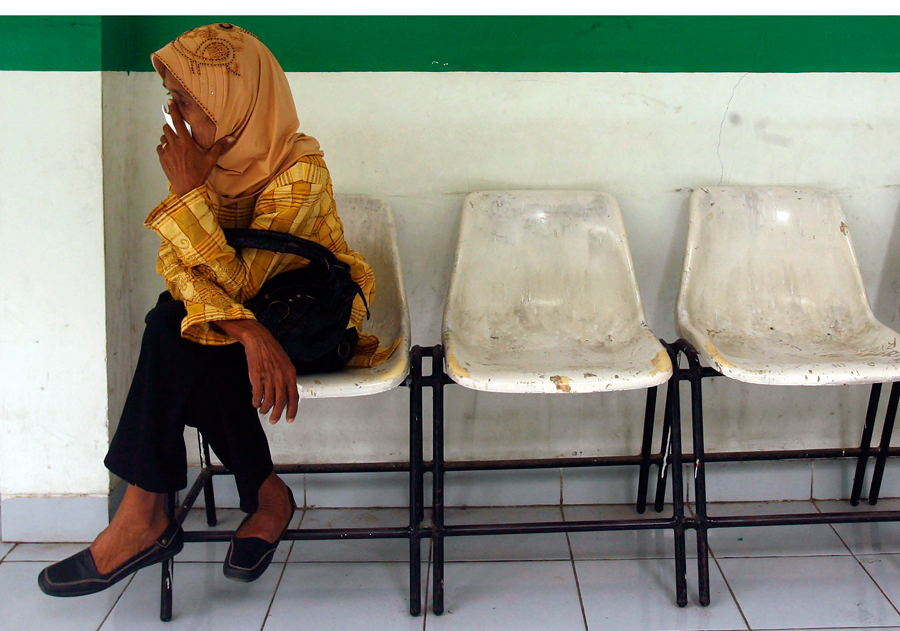
Drug resistant TB is on the rise around the world.{credit}Reuters{/credit}
The good news is that tuberculosis prevention efforts appear to have broken the back of the spread of the disease, according to the World Health Organisation’s latest annual report on the scourge, with new cases of TB falling by 2.2% between 2010 and 2011. The mortality rate has decreased 41% since 1990 and access to TB care has expanded considerably since the mid nineties, when tuberculosis was declared a global emergency by the UN body, with the WHO estimating that some 20 million lives have been saved since 1995.
The bad news is that strains of TB that are resistant to the two most effective drugs, or what is known as multi-drug resistant tubercuolosis (MDR-TB), are posing a greater challenge than previously thought, with the WHO warning: “Drug-resistant TB threatens global TB control.”
When the drugs don’t work, patients require second-line drugs that are more toxic, with more serious side effects and that take many months longer to work. In the worst cases, of extensively drug-resistant TB (XDR-TB), TB bacteria are also no longer susceptible to any of the second-line anti-TB injectable drugs.
Globally, some 3.7% of new cases of TB and 20% of previously treated cases are multi-drug resistant, up from 2% in 2000. An estimated 9% of these cases are XDR, now reported in 84 countries. Continue reading