
The scientific culture needs to redefine work/life balance so that each person can find their own route to it, says Susan Gelman.
Contributor Susan Gelman
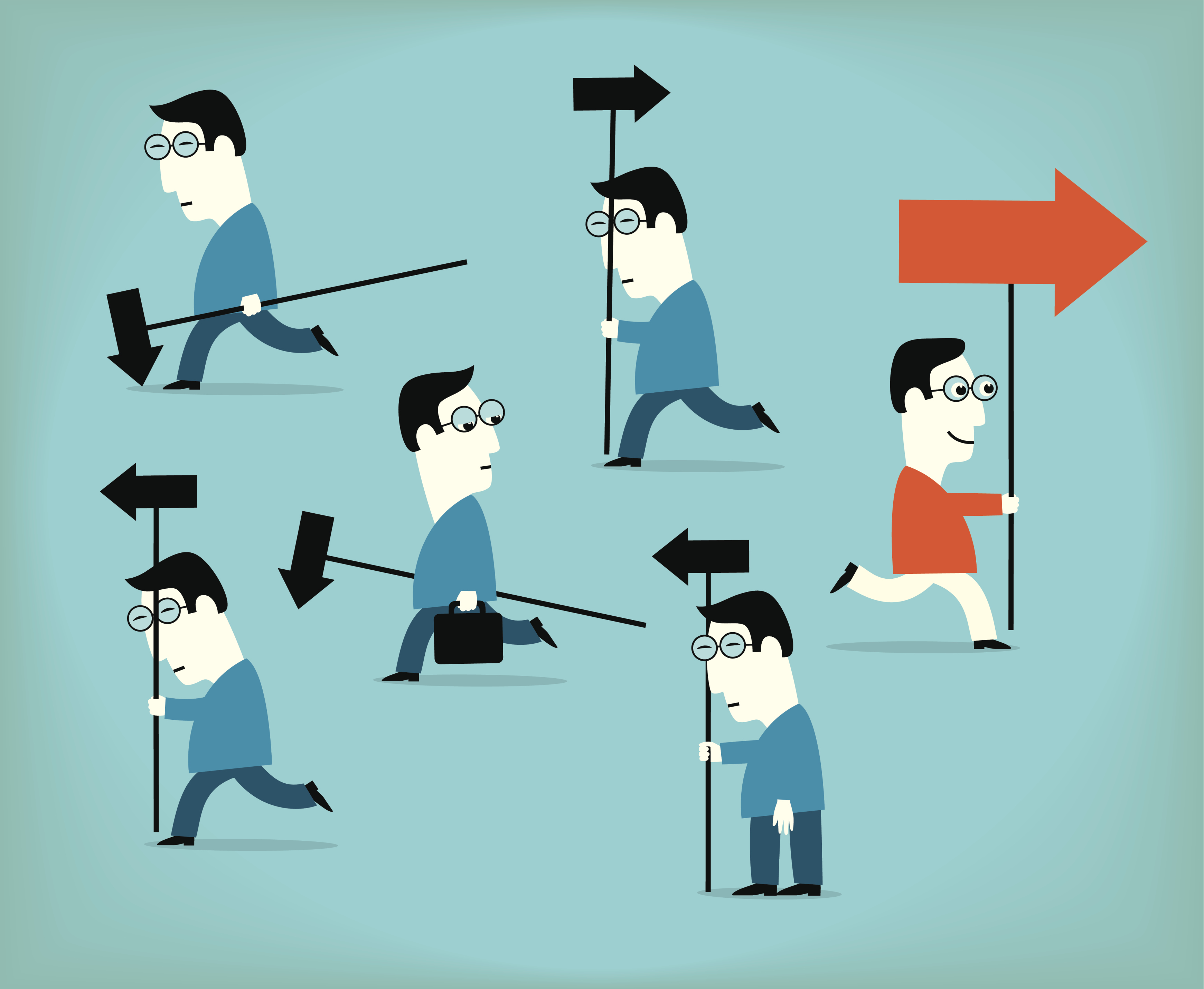
Find your own way {credit}iStockphoto/Thinkstock{/credit}
Research science is an incentive-based career: journal publications, tenure, grant funding, fellowships, awards, etc. It is certainly not unique in this aspect, but its extreme competition does set it apart. When you commit to a research path you are not only committing to become proficient in a general subject area, but to become one of the most knowledgeable people in the world on a very specific topic, creating an environment of extreme pressure and induce tunnel vision. And so, there are many fears and anxieties that go hand-in-hand with being a scientist, including getting ‘scooped,’ becoming the 8th year Ph.D. student, doing multi-year projects producing no valuable data. So as tempting as it can be to take a weekend off or leave the lab while it’s still light outside, we often remain in our windowless workspaces late into the night out of guilt. We worry that a scientific career won’t wait for us.
However a major problem is that science culture not only expects but also celebrates the dedicated lab rats. Many of us are secretly in awe of their work ethic, even if we don’t necessarily want it for ourselves. We hear whispers of legends renowned for spending 80 hours a week buried in the lab and wonder if we should be doing the same. And therein lies the rub: we can’t cry out for work/life balance and yet still yearn to be the ones always burning the midnight oil.
We need to redefine ‘balance’. Some of us thrive when working tireless weeks, while others are rejuvenated by spending time outside the lab or office, so we must be willing to accept multiple definitions of balance. We have to express our own individual ideal balance and this necessitates that our community be non-judgmental of our choices.
Thus in a willing environment with a tremendous support system, a work/life equilibrium is achievable. But it is not enough for a single person to take on this endeavor, the community must not only recognize needs outside the lab but also be willing to participate. It rests on the shoulders of the scientific community to appreciate that some definitions of balance include having more family-friendly policies for both mothers and fathers, and making these policies more than decorative. It can mean taking shame and guilt out of the equation when vacation days are used, or when spending time on hobbies or loved ones trumps poring over literature papers.
And for those of us who cannot sustain a regular 80-hour workweek, we need to make our own incentives, outside of the lab. Alongside setting a goal to submit a publication at a certain date, there could also be a more personal goal to accompany it, such as running a race or mastering a new hobby. To survive in such a hyper-pressurized environment we have to embrace the work-hard-play-hard mentality, even if we sometimes define ‘play-hard’ as ‘spending 6 hours on the couch watching Netflix’. We need to work to understand our own definition of balance better than our research. Unfortunately there are no literature references for this topic, so it’s important that we recognize when and why we feel unbalanced, and what our personal counterweight is. Without awareness about how our needs and habits affect our happiness and overall quality of life, we can’t know when to give ourselves a break.
So we have to fully commit to ourselves and to the lifestyle we want. If we want to be first one into the lab and the last one out, the one who steadfastly works every weekend, so be it. But if we want to be home for dinner most nights and spend some weekends taking a break from research, we need to embrace it and leave the guilt at the door. This may mean multi-tasking, planning schedules a week in advance, or missing out on going to seminars just for the coffee and snacks. Whichever we chose, we need to know when it is time to call it a day. (Hint: and it’s not always when the sun comes up.)
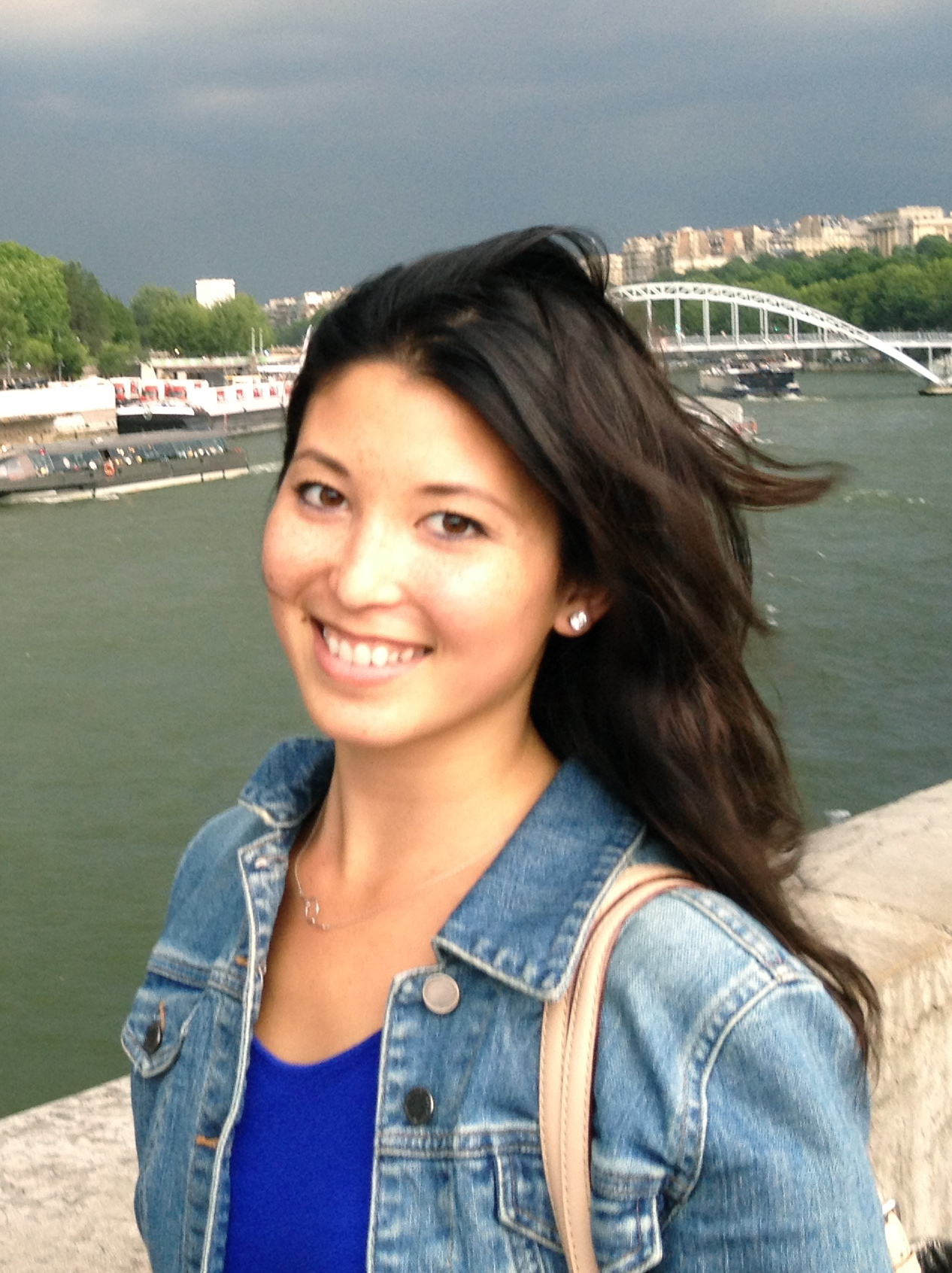
Susan Gelman{credit}Image credit: Daisy Nguyen{/credit}
Susan Gelman is a winner of the 2015 Boston Naturejobs Career Expo journalism competition. She is also a PhD candidate in chemistry, studying cancer metabolism and metabolomic techniques in Gary Patti’s lab at Washington University in St. Louis. Her research focuses on analyzing differences between healthy and cancerous states via stable isotope tracing. As a classical ballet dancer she also tries spend time in the ballet studio when not in the lab. Susan is a science communication enthusiast and can be found on Twitter @susangelman sharing her passion for biochemistry and burritos.