74 new susceptibility genes found for breast, ovarian and prostate cancer

shutterstock_85786180In the largest cancer genotyping study to date, an international team of scientists spanning more than 160 research groups has identified 74 new genetic regions associated with breast, ovarian or prostate cancer—a near doubling of the number of susceptibility loci linked to these three hormone-related cancers.

“These findings are very significant and show the power of international collaborative research that provided additional knowledge regarding the common risk factors,” says Jan Korbel, a molecular biologist who studies prostate cancer at the European Molecular Biology Laboratory in Heidelberg, Germany, who was not part of the study.

The researchers discovered the genetic regions using a custom-built genotyping array comprised of around 200,000 single nucleotide polymorphisms (SNPs) drawn mainly from previous genome-wide association studies of different cancer types. This method pinpointed 23 previously unidentified susceptibility loci linked to prostate cancer, 16 of which were associated with more aggressive and life-threatening forms of the disease. The same approach flagged 49 new SNPs for breast cancer and 11 new regions associated with ovarian cancer.

The work—the product of the EU-funded Collaborative Oncological Gene-Environment Study—was published online today in a series of 13 papers in Nature Genetics, Nature Communications, PLOS Genetics, the American Journal of Human Genetics and Human Molecular Genetics.

Similar to previous reports, these studies uncovered genetic variations in regions that are shared among the three cancers, suggesting a common genetic basis and mechanism of pathology. “We presume that these particular genes are important across cancer types, but the way these genes are regulated is different across tissues,” said Douglas Easton, director of the Center for Cancer Genetic Epidemiology at the University of Cambridge, UK, who led the breast cancer work, at a press briefing.

Many of the newly identified SNPs are located in genome regions that affect cell growth and proliferation. The authors hope the work will open the door to the future development of biomarkers and therapeutic targets for improved clinical diagnostics and intervention.

“As we understand the biology of genetic susceptibility, it may impinge directly on the way we think about the tumor biology and the personalized treatment of the tumor based on the molecular characteristics,” said University of Cambridge oncologist Paul Pharoah, a senior author of the paper on ovarian cancer, at the press briefing.

Image: Shutterstock
Hopkins scientist to lead the NIH’s basic science branch

Photo credit: Mike Ciesielski

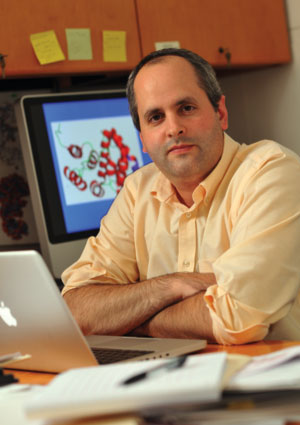
NIGMS’s new director Jon Lorsch {credit}Mike Ciesielski{/credit}

The US National Institute of General Medical Sciences (NIGMS)—the $2.4 billion branch of the National Institutes of Health (NIH) tasked with laying the foundation for research into disease diagnosis, treatment and prevention—has a new leader. Earlier today, the agency announced that Jon Lorsch, a biophysical chemist at the Johns Hopkins University School of Medicine in Baltimore, would become the new director, starting this summer.

“They could not have done better at the NIH,” says Lorsch’s colleague Mario Amzel, director of the Biophysics and Physical Chemistry department at Hopkins. “He’s one of the best teachers at the medical school and has a strong interest in education, which seems to be one of the directions in which the NIH wants to go now.”

In 2011, for example, Lorsch proposed a new integrated model for graduate education in the life sciences that addressed a number of challenges, including the increased information burden and the need to train researchers who can work across traditional disciplinary boundaries.

In the lab, Lorsch’s work focuses on understanding the mechanisms of translational initiation in yeast cells. Last month, for instance, his group published two papers characterizing the molecular events through which messenger RNA is recognized by and recruited to the ribosome.

Jon has exploited the tools available in yeast and combined them with powerful kinetic analyses to molecularly dissect the process of translation initiation,” says Thomas Dever, a biochemist at the US Eunice Kennedy Shriver National Institute of Child Health and Human Development in Bethesda, Maryland, who has worked with Lorsch on similar projects. “As a long-time collaborator, I am particularly excited to have him as a colleague at the NIH.”

The news of Lorsch’s appointment was equally well received by his former mentor and PhD advisor Jack Szostak, a geneticist at the Massachusetts General Hospital in Boston. “It’s great to have another outstanding scientist as NIGMS Director,” he told Nature Medicine. “Jon is also a very funny person, and no doubt his sense of humor will help him in trying to get people with diverse interests to work together and support the best science in the most efficient manner.”

Lorsch will replace acting director Judith Greenberg, who stepped into the post two years ago after Jeremy Berg, who had served as NIGMS director from 2003 to 2011, left to lead science strategy and planning at the University of Pittsburgh Schools of the Health Sciences in Pennsylvania. (Nature Medicine conducted an interview with Berg in 2011 regarding his contributions to NIGMS and his decision to leave.) Under Greenberg, the NIGMS underwent a series of reorganizations, with the creation of two new divisions that combined existing NIGMS programs with those transferred from the former National Center for Research Resources (NCRR). The NCRR was folded in 2011 to make room for the National Center for Advancing Translational Sciences.

Rallying for the future of medical research: Q&A with Jon Retzlaff

shutterstock_44616835Less than a month from now, science advocates hope to bring thousands of people together on the Carnegie Library Grounds at Mt. Vernon Square in Washington, DC,  to stand together in the Rally for Medical Research. The move is, in large part, a response to the latest development in the US budget battle, in which the government has implemented massive cuts, known as sequestration, to most federal programs starting 1 March. The sequestration’s $1.6 billion cut to the US National Institutes of Health (NIH) translates to over 5 % spending cut to federally-funded medical research. These cuts come at a time when the NIH’s budget has been steadily declining for the past ten years.

The American Association for Cancer Research (AACR) is one of nearly 100 partnering organizations behind the 8 April rally. Jon Retzlaff, a managing director for Science Policy and Regulatory Affairs at AACR who is also involved in coordinating and organizing the rally, told Nature Medicine how AACR conceived the idea for the rally and how it plans to call on our nation’s policymakers to make life-saving medical research funding a national priority:

How did the idea for a rally come about?

We have an annual meeting in Washington, DC, between April 6 and 10, where around 18,000 people come to town for this meeting. Our chief executive officer, Margaret Foti, proposed that because we are at a crisis moment in regards to the medical research, specifically the funding for the NIH, we need to do something at the annual meeting to make the NIH a national priority and generate awareness among the general public to take action to inform the members of Congress that there are key areas of government that need to be supported and the NIH is one of them.

How many people are they expecting to come?

Nearly 100 partnering organization have already signed up. The American Heart Association is coming to the rally on behalf of the NIH and it’s going to be a major event. When we just started, we hoped for 10,000 people. Now I’m optimistic that we underestimated the numbers.

Continue reading

From tumors to tapeworms: parasite’s genome points to new uses for cancer drugs

On the map: Taenia solium

On the map: Taenia solium {credit}Shutterstock{/credit}

Commonly used cancer drugs could be repurposed to help eliminate tapeworm infections, according to the first full genome analysis of the human gut pathogen.

A team led by Matthew Berriman, a geneticist who studies parasites at the Welcome Trust Sanger Institute in Hinxton, UK, sequenced the genomes of three human-infective tapeworm species as well as a fourth tapeworm that lives in the intestines of rats and mice. Their analysis, published online today of Nature found that among more than 1,000 gene products that are predicted to be druggable in the parasite responsible for echinococcosis—a disease that affects an estimated 2–3 million people worldwide—more than 200 already have existing therapies (many in the oncology space) that block them.

“By providing reference genomes for these tapeworms, the study lays the foundation for the identification of new potential drug targets to kill the worms,” says P’ng Loke, a microbiologist at the New York University Langone Medical Center who was not involved in the study.

The cancer link makes sense given the life cycle of the tapeworm, notes Berriman. People typically ingest the parasite as eggs or larvae that then migrate to the host’s intestines where they develop into adult tapeworms. “When larvae infiltrate tissues and organs and cause large proliferating growth, [it’s] like metastasizing cancer,” he says.

The potential for new pharmacological interventions doesn’t end there, though. The genome map also revealed that the tapeworm’s parasitic lifestyle has led to a number of gene losses and molecular simplifications that could provide a wormy Achilles’ heel. Thanks to evolution, for example, tapeworms have lost genes involved in oxidative stress response, making them reliant on just one enzyme for this kind of cell detoxification.

Fortunately, drug repurposing could prove successful here, too. The tapeworm enzyme involved in oxidative stress, called thioredoxin glutathione reductase, is the target of multiple drugs that have been shown to kill blood flukes and flatworms. “We have identified clear vulnerabilities in the pathways the parasites rely on,” Berriman says.

Anemia drug recalled amid safety concerns in dialysis patients

Vials of Omontys{credit}Affymax{/credit}

After less than a year on the market, a long-acting anemia drug called Omontys (peginesatide), a once-monthly injection used by people with chronic kidney disease, was recalled over the weekend, after US regulators received 19 reports of severe allergic reactions, including some deaths. Shares of Affymax, the Palo Alto, California–based company behind the product, were down 85% today on the news.

Omontys was approved by the US Food and Drug Administration in March 2012 as an alternative to recombinant versions of the hormone erythropoietin, which signals the bone marrow to make more red blood cells, for individuals undergoing kidney dialysis. A synthetic peptide that activates erythropoietin receptors, Omontys offered several advantages over other erythropoietin-boosting options, including longer-lasting effects that reduced the frequency of injections. By comparison, the next longest lasting erythropoietin replacement drug available in the US, darbepoetin, marketed as Aranesp by California-based Amgen, requires biweekly injections (see ‘New blood-boosting drugs aim to staunch renal anemia’).

In clinical trials, Omontys showed no major safety concerns and was actually thought to shield patients from a rare complication of erythropoietin-based drugs in which antibodies develop that target the body’s endogenous hormones, effectively shutting down all blood cell production and exacerbating the anemia. Whereas neutralizing antibodies occurred in just a little over 1% of patients taking Omontys, it is not really known what caused the allergic reactions that led to the recall. “These adverse reactions were not described in the clinical trials for the dialysis patients, and I do not recollect any such responses reported,” says Jeffrey Berns, a nephrologist at the University of Pennsylvania Perelman School of Medicine in Philadelphia, who was a member of the data and safety monitoring board for Omontys.

Although people who took Omontys need to remain vigilant, Berns doesn’t think the product recall should greatly interrupt their therapy. “Since there are other widely utilized alternatives, this [recall] should not adversely affect the patients who are on dialysis because they will be able to use one of the other available agents,” he says. More disturbing to drug companies, Omontys’ recall may setback the development of other peptide-based analogs, according to Berns. “It should prompt closer scrutiny if other peptide-based agents come to clinical trial.”

Antibody–drug combo approved for fighting breast cancer

Drug regulators in the US have already approved a handful of treatments for women with HER2-positive breast cancer, an aggressive form of the disease in which a cell surface protein known as human epidermal growth factor receptor type 2, or HER2, is elevated. Although most patients with this type of cancer respond well to at least one of the existing anti-HER2 therapies, some individuals with HER2-positive breast tumors develop drug resistance and remain unresponsive to further treatment. For these women, a new drug combination approved earlier today offers hope.

The therapy—known as trastuzumab–DM1, or T–DM1, and marketed under the brand name Kadcyla by Genentech, a US subsidiary of the Swiss drug giant Roche—is a so-called ‘antibody–drug conjugate’ (ADC) that couples Genentech’s blockbuster antibody Herceptin (trastuzumab) to the cytotoxic agent DM1. In a pivotal 1000-person, phase 3 trial, participants treated with Kadcyla had a median overall survival of 31 months compared to 25 months in women given a tyrosine kinase inhibitor that interrupts HER2 and chemotherapy. Fewer women in the T-DM1 treatment arm also experienced severe side effects, although the newly-approved treatment was found to cause liver toxicity, heart toxicity and severe life-threatening birth defects in some patients.

“Kadcyla is the first ADC to result from Genentech’s 30 years of HER2 pathway research and decade of ADC research,” Dietmar Berger, head of clinical oncology at the company, told Nature Medicine. And it looks like all these years of research have paid off for Genentech: the South San Francisco, California–based firm announced this week that it will be hiring 600 more researchers to continue the work on more than 25 ADCs in the Genentech pipeline, including eight currently in human clinical development.

The idea of linking a toxin to an antibody to target cancer has been around for at least 30 years. However, several factors impeded the success of ADCs in the clinic. For example, in 2000 the US Food and Drug Administration approved the first ADC therapy for the treatment of patients with acute myeloid leukemia. The drug was called gemtuzumab ozogamicin, marketed under the name Mylotarg, and consisted of a humanized monoclonal antibody specific for the receptor protein CD33 conjugated to the cytotoxic drug calicheamicin. However, in June 2010 Myotarg’s manufacturer, New York–based Pfizer, voluntarily withdrew the product from the market after follow-up studies showed that Myotarg treatment did not yield improved survival rates and actually demonstrated worse toxicity than other standards of care. The problem, it turned out, was that the toxic drug did not have a very high specificity and would often dissociate from the antibody in the plasma.

The success of Kadcyla can be attributed to the next generation of technology that provides better linking as well as development of more specific and discriminate cytotoxin drugs, according to Daniel Junius, president and chief executive of Immunogen, a Waltham, Massachusetts–based company and one of Genentech’s partners behind the therapy. “This technology develops a highly potent agent that’s 100- to 1000-times more potent than traditional chemotherapeutics,” he says. As “a highly effective therapy without the toxicity that is so common to many cancer therapies today,” this approval should inspire a whole new generation of ADCs, Junius adds.

Image: Shutterstock

Correction (26 February): An earlier version of this story incorrectly stated that trial participants in the arm treated with Kadcyla had a median overall survival of 40 months compared to 20 months in the arm treated with tyrosine kinase inhibitor and chemotherapy when in fact Kadcyla treated group had a median survival of 31 months compared to 25 months in the other group. Nature Medicine regrets the error, which has been corrected.

Nanoparticles engineered to shuttle cancer drug past immune system

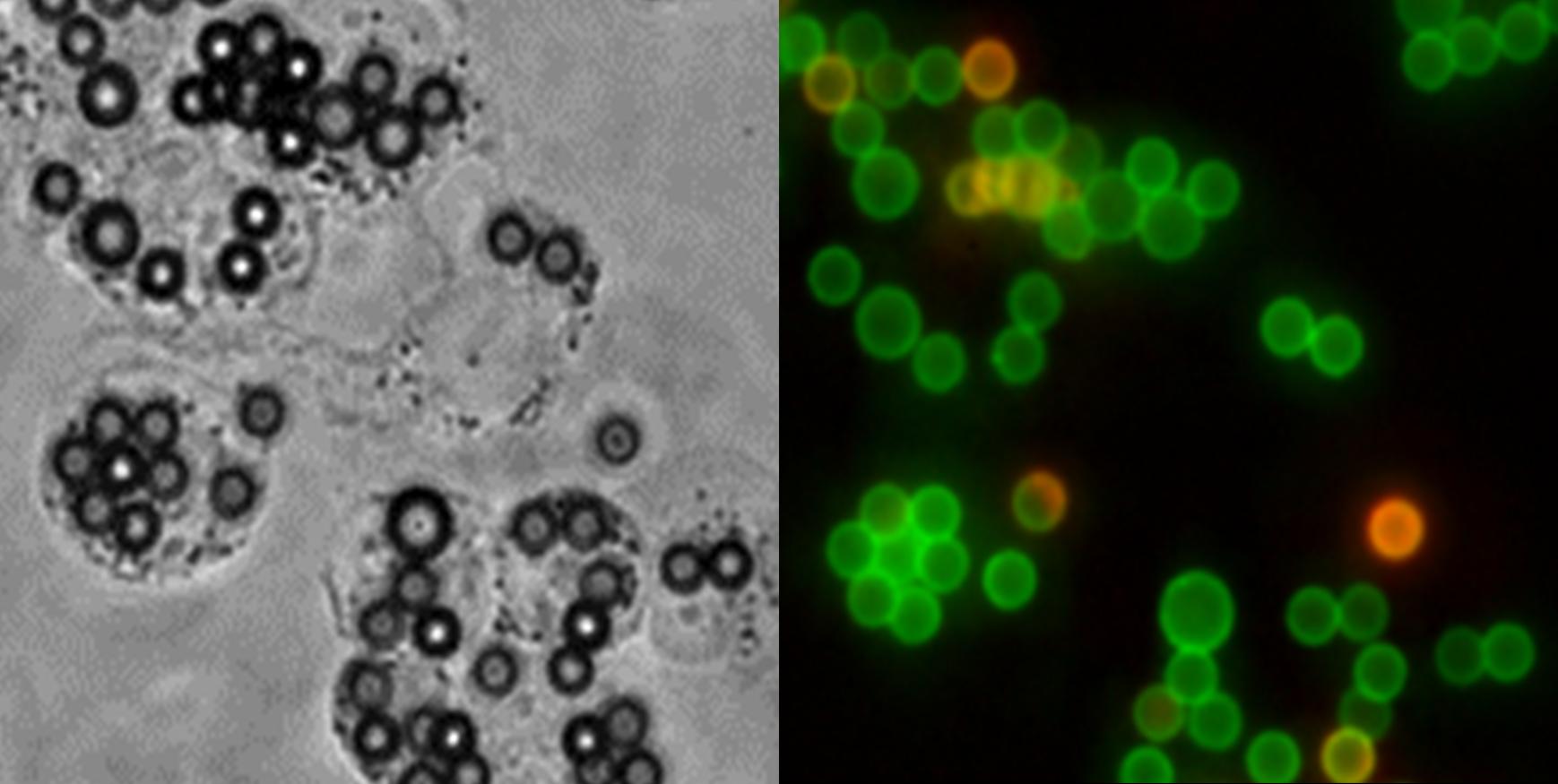
Protein-bound nanoparticle beads are ingested by macrophages, as seen in the phase contrast (left) and fluorescent microscopy (right) images. Beads in green are ingested, whereas red-yellow beads are still outside.{credit}Richard Tsai, University of Pennsylvania. {/credit}

The body’s first line of defense, known as the innate immune system, protects against foreign invaders, including tiny microbes, bacteria or viruses. Yet it also poses a major challenge for therapeutic applications that rely on microscopic drug-delivering vehicles, or nanoparticles. These nanoparticles are in the same size range as many pathogens and are quickly detected and destroyed by macrophages, the innate immune system’s sentinel cells.

Macrophages rely on proteins in blood serum that stick to foreign objects in the bloodstream; these biological ‘red flags’ attract macrophages to engulf the intruders. In the past, scientists working on nanoparticles have attempted to circumvent this process by, for example, masking the engineered particles with a compound called polyethylene glycol, or PEG, to create a “stealth” coat that blocks these blood proteins from sticking to the nanoparticle surface.

A new approach exploits an Achilles’ heel of the innate immune system. Despite their veracious appetite, macrophages are discriminate consumers because they recognize a specific “don’t eat me” signal on the surface of our own cells, represented by a protein called ‘cluster of differentiation 47’, or CD47. On the basis of this insight, Dennis Discher, a biochemist at the University of Pennsylvania School of Engineering and Applied Science in Philadelphia, and his team devised a new way to get these nanoparticles past the body’s immune defenses. The scientists designed a short peptide sequence derived from CD47 and attached it to nanoparticles to fool macrophages into accepting them as ‘self’ rather than foreign. The details of the technique appear in today’s issue of Science.

“It opens the door for better therapeutic targeting because you suppress clearance by macrophages first and foremost,” says Discher.

Continue reading

Mutations that drive early-onset prostate cancer identified, pointing way to specific treatments

Prostate cancer affects an estimated one in every six males who live past the age of 70, making it the most common type of cancer among men worldwide. The majority of prostate cancer cases occur in men 65 years of age or older, but about 2% of cases occur in those under the age of 50—and these early tumors are particularly aggressive. Until now, scientists didn’t know whether the mechanisms that give rise to prostate cancer in the younger men were different from those in seniors.

New findings, published today in Cancer Cell, show that in young patients prostate cancer develops through a distinct mechanism driven by androgen hormones, such as testosterone. “This brings up the intriguing possibility to develop future screening tests for prostate cancer geared towards young men in which testosterone levels are particularly high,” says molecular biologist Jan Korbel of the European Molecular Biology Laboratory in Heidelberg, Germany.

In an effort to understand the genetic and biological basis of prostate cancer in young men, Korbel and his colleagues sequenced the entire genomes of tumor cells isolated from 11 early-onset prostate cancer patients and compared them to the genomes of tumor cells obtained from seven elderly-onset prostate cancer patients.

The study revealed that the androgen receptors that bind testosterone were much more active in the tumor samples from the younger individuals than the older ones. Further analysis linked this testosterone-driven activation to increased DNA rearrangements that cause cancer, and additional data from more than 10,000 patients confirmed this connection. What’s more, the researchers observed that in the cells from nine out of 11 early-onset patients, testosterone activated androgen receptors that triggered the gene TMPRSS2 to ultimately fuse the gene ERG, promoting cancer. In contrast, the genomic landscape of elderly patients revealed abnormalities that were not linked to the androgen receptors’  activity.

Levi Garraway, a medical oncologist at Harvard’s Dana-Farber Cancer Institute in Boston who was not involved in the current study, thinks that the new link between the genomic landscape of prostate cancer and androgen-driven biology is “encouraging because half of the drugs [approved by the US Food and Drug Administration] for prostate cancer are attacking the androgen axis.” This reinforces that early-onset prostate cancer patients should receive such androgen-targeting drugs as part of first-line treatment. It’s “more bang for the buck,” Garraway says.

“[The] next step in the field should be to first stratify treatments for early and late onset,” Korbel says. Further studies are needed to asses if such tailored screening can lead to greater success in the disease detection, but the observed DNA rearrangement mechanisms in early-onset patients can be a more general phenomena as studies have shown that such rearrangements also lead to chromosomal alternations in breast, ovarian and pancreatic cancers.


 Image: Shutterstock

Psychiatrist Sasha Bardey discusses Hollywood’s Side Effects

Life has its ups and downs and everyone gets sad once in a while, but the toll of mental illness can be grave. The numbers reveal that one in ten people in the US takes antidepressants and the nationwide rate of antidepressant use has quadrupled in the last 30 years. In most cases, these drugs help stabilize mood without any serious drawbacks. But adverse reactions can happen, as on display in the new thriller Side Effects, out this Friday in theaters across North America, written by Scott Burns and directed by Steven Soderbergh, the same people behind the 2011 viral pandemic movie Contagion (which Nature Medicine reviewed at the time).

Both films are structured around a specific modern-day fear. But the threat in Side Effects mutates faster than any virus could.

Rooney Mara and Channing Tatum star in Side Effects as Emily and Martin Taylor{credit}Peter Andrews, Open Road Films 2012{/credit}

In the movie, Emily Taylor (Rooney Mara) and her husband Martin (Channing Tatum) are a young and successful couple living a lavish lifestyle until Martin is sent to prison for insider trading (see trailer below). Devastated, Emily waits for him for four years while living in a tiny apartment in upper Manhattan, struggling with depression. When she is finally reunited with Martin, Emily becomes completely unhinged. After it’s thought that she’s a threat to herself, Emily is assigned to a psychiatrist named Jonathan Banks (Jude Law).

Continue reading

Gene sequencing yields breakthrough for children with rare Parkinson’s-like disorder

Doctors can now use a person’s genetic sequence as the basis for rational drug selection—a sign of how far personalized genomics has come in recent years. A case report published today in the New England Journal of Medicine illustrates the strength of this approach.

The paper describes an extended Saudi Arabian family in which many young siblings suffered from a Parkinson’s-like condition affecting their movement. The children had normal levels of neurotransmitters dopamine and serotonin in their spinal fluid, suggesting they should have been healthy. The unique circumstances prompted researchers to use the latest advances in genomic sequencing to identify a mutation in the SLC18A2 gene, which encodes the protein vesicular monoamine transporter 2, or VMAT2, as the cause of the disease.

A team led by Berge Minassian, a neurologist at the Hospital for Sick Children in Toronto, successfully pinpointed the mutation and treated the symptoms in these siblings. I am certain that in the next few years patients walking into children’s hospitals will have their whole genomes sequenced,” says Minassian. Until now, magnetic resonance imaging (MRI) has been the primary diagnostic tool for people with neurological diseases.

The study’s initial patient was a 16-year-old girl first diagnosed with muscle weakness when she was just four months old. She sat for the first time when she was two and a half years old, began crawling at four and walking—and only with difficulty—at the very late age of 13. Her symptoms resembled Parkinson’s disease, but all her metabolic and MRI tests came back normal. Doctors also ran tests on her 2-year-old sister who suffered from similar symptoms and a red flag showed up in the toddler’s urine, where dopamine levels were below average. The physicians then gave the 16-year-old and her three younger siblings levodopa-carbidopa, a dopamine precursor used to treat Parkinson’s. They were puzzled, though, when the conditions worsened in all four.

Continue reading