Nature India special volume on 30 years of DBT

DBT 30 years volumeOne of the key government departments of India credited with heralding the era of adventure and entrepreneurship in the country’s science – the Department of Biotechnology (DBT) – is entering its youthful years. Thirty, as they say, is the new twenty.

In these three eventful decades, DBT’s achievements have been many, in terms of the science it has enabled, the policies it has introduced, as well as the linkages it has established across disciplines and countries. DBT’s many forays into biological sciences education and its societal contributions have also bolstered its position as a formidable science-faring body in the country – as a confident young global icon who looks to the future, armed with a dynamic policy framework, the spirit of adventure and ample room for self-criticism.

Nature India is happy to be associated with DBT at this historic time of transition, a time when India’s science is making waves globally. This  special volume (freely downloadable from the Special Issues section of Nature India) marking DBT’s 30 years was released today. The volume features commentaries from leading names in biological sciences in India and across the world. The milestones of DBT have been highlighted in a commentary ‘The changing face of biological sciences in India’ and a short note ‘Three decades of biotech solutions’ by two of the many visionary past leaders of the department. DBT’s present chief outlines the vision for the future in an interview titled ‘As India’s economy grows, we will have more support for science’.

The articles compiled in this issue range from looking at the state of basic biotech research in the health sector (malaria, TB, allied microbes and stem cells) to green medicine and frugal medical innovations; from biosafety of India’s laboratories to the looming debate over genetically modified crops; and from biodiversity to big data.

The future of science and science-led entrepreneurship lies in an interdisciplinary, global approach; in frugal
innovations; in providing local solutions to the world’s problems. DBT, which has been playing the catalyst in all these areas successfully, now has an enviable 30-year benefit of hindsight to reflect upon and open newer doors to newer challenges.

As media partner, Nature India, a showcase of India’s science, is proud to collaborate with DBT in its newest mission of disseminating science better. It would be a mission well accomplished if the youth of this country gets back to thinking that ‘science is cool’.

Nature India partners with NIAS

NIASNature India is proud to have been associated with the National Institute of Advanced Studies (NIAS) as media partner of the just concluded 4th International Conference on Consciousness, Cognition and Culture: Implications for the 21st Century (9-11 December 2015).

According to NIAS Director Baldev Raj, consciousness is one among the frontiers of human enquiry for both science and philosophy. “Understanding consciousness has implications not only on academic progress but also on outcomes that would influence human thinking, well-being and culture. The challenge of consciousness studies is that, on one hand, it brings together many disciplines heralding interdisciplinary and transdisciplinary studies, and on the other hand, attempts to provide topology maps with qualitative and quantitative understandings.”

Consciousness research promises to deliver significant contributions to emerging disciplines such as medical humanities, brain-computer interfaces, philosophy of psychiatry and psychology. A fundamental enquiry is to discover the brain wirings to find the mysteries and complexity of consciousness and human experiences. “India is the land of pluralistic thinking and experiences, with diverse classical philosophies and cultural engagements. We have a lot to offer to the academic world, and different ways to understand consciousness and human mind, derived from ancient wisdom traditions of our country as well as from the cultural richness combined with current strengths of theoretical and experimental sciences,” he says.

Head of the NIAS consciousness studies programme and a key organiser of the conference Sangeetha Menon says the conference covered abstract and theoretical concepts on one side and the physical, biological, cultural, psychological and philosophical perspectives on the other. “The goal was to open a broader space to place intricate ideas that are complex by being multidisciplinary and transdisciplinary, yet shedding light on understanding consciousness.”

Here’s a short editorial titled Consciousness studies: An overwhelming mélange that I wrote for the conference abstract book:

Quite a few winters back, while strolling in the Natural History Museum of London I chanced upon an exhibition that was simply called “Who am I”? Quite a leading question, that. And like everyone around me, I was curious. What followed was a series of revelations from tracking my ancestral records to giving me a macro perspective of the being – genetically, physically, culturally, biologically and philosophically. It was a journey at multiple layers.

Just a couple of summers back, four of us friends – a Hindu from India, a Christian from Pakistan, a Muslim from Bangladesh and a Buddhist from Sri Lanka – were musing about life, cultures and consciousness sitting on the sidewalls of the Sawayambhunath Temple in Kathmandu, as the beautiful cityscape lit up under us. At that very moment, as if by magic, we suddenly realised our descents and the amazing variety we represented in just four bodies – two male and two female. The moment was captured for posterity with a self-timer and lovingly captioned ‘Four Idiots’ owing to the preceding conversation that revealed how little we knew of each other. And how much always remains to be known despite our best efforts.

It is this overwhelming mélange that an interdisciplinary study such as consciousness brings to the table. From the abstract to the theoretical, from birds and bees to chimpanzees and fish, spanning smells, sights, sounds, perceptions and disorders – the canvas is simply breathtaking.

The International Conference on Consciousness, Cognition and Culture: Implications for the 21st Century is all set to celebrate this diversity. Not just through scientific studies and mathematics that unlock the brain’s many computer-like wares and vice-versa, but also by taking a peek into the philosophical, traversing the mystic, peering into religion and finding deeper meaning in poetic devices.

The conference, which will bring together some leading names in consciousness studies from across the world, is hoping to meander effortlessly between philosophy 0f psychology and neuroscience and from the concepts of punishment and reward to neuro-medicine. Nature India, a showcase of India’s science, is proud to be associated with such a mixed-bag conference as its media partner.

Nature Index India analysis reports surge in publication

Indian Science Ascending report release

Indian Science Ascending report released

A new analytics report from Nature Index — ‘Indian Science Ascending’  — released today, notes a surge in high-quality scientific publication in India between 2012 and 2014. The report, produced jointly by Springer Nature and the Confederation of Indian Industry (CII), reveals that in high tier journals, Indian academic institutions co-author more papers with international companies than with domestic firms. The report was released at the CII Global Higher Education summit in New Delhi.

The analysis is the first of a new style of reports that further probe data from the Nature Index to answer questions about India’s place in global science, especially when compared with countries that have similar volumes of index output in 2014 and with broadly similar economic conditions (including Australia, Brazil, Italy, Russia, Singapore, South Korea and Taiwan).

The Nature Index database tracks the author affiliations of nearly 60,000 scientific articles published in an independently selected group of 68 high-quality science journals, and charts publication productivity for institutions and countries. The Nature Index report Indian Science Ascending shows a compound annual growth rate (CAGR) of 8% between 2012 and 2014 in the output of top-quality science in the country.

The report also chronicles India’s particular strength in the broad discipline of Chemistry, which shows the largest increase in CAGR of 8.6% among the comparator countries. The collaboration analysis reports that India’s international collaboration far outweighs domestic collaboration, and zooming into links between industry and academia reveals that Indian academic institutions collaborate mainly with international corporations through their international branches.

India_white-paper-int6_Page_01Here are the key highlights of the report:

  • At number 13, India is among the top 15 countries globally in the Nature Index 2014.
  • India’s research output has grown steadily since 2012, showing stronger CAGR of 8% than other countries with comparable output and economic conditions.
  • Chemistry continues to be India’s strongest research area with 50 per cent of India’s overall Nature Index output coming from Chemistry alone.
  • The US is India’s top collaborator followed by Germany. India collaborates with 85 countries, mostly in Europe. Other strong collaborative ties include East Asia and Australia.
  • Institutions in India collaborate mostly with inter­national counterparts, but their largest collaborations tend to be with other domestic institutions.
  • Industry–academia collaboration is yet to take off in India, but Indian academic institutions have good col­laborative ties with international cor­porations.

President Designate, CII, Naushad Forbes said,“There’s a common perception that India fails to produce anything of significant scientific value, but this report presents a refreshingly different picture of Indian science, supported by evidence – a fact reflected in its title: India’s Ascent Towards World Class Science. Prime Minister Narendra Modi recently launched a single-window mechanism called “Imprint” for release of R&D funds to academic institutions along with other policy measures. Hopefully soon then, our “historic love affair with chemistry”, aptly highlighted in this report, will be replicated in other areas of science too.”

According to Antoine Bocquet, Springer Nature Vice President Sales, Japan, India, Southeast Asia and Oceania: “Since its launch in 2014, the Nature Index has provided a new way to look at the scientific literature and the research organizations that contribute to it. India’s investment into R&D has stayed less than 1 per cent of its GDP for the past 2 decades, although the growth in Indian output in the index shows a steady increase. With other new initiatives by the Indian government such as tax incentives for R&D, we are excited to see the outcome in future years and continue working with CII to track the country’s growth both in the quantity of high-quality research and diversity in collaboration patterns. India will continue to be a driver of growth in both the quantity and quality of global research and a country to watch closely.”

Awards celebrate science, research

A monk, an ex-army officer, a philosopher and a malaria researcher are among this year’s recipients of the Infosys Prize, instituted by the Infosys Science Foundation and funded by contributions from the software company Infosys’ former board of directors and senior management.

Here are the winners of the 2015 prize, consisting of a purse of Rs. 65 lakhs, a gold medallion and a citation certificate to be handed over by the President of India at a function in February 2016:

Umesh Waghmare,  Professor at the Theoretical Sciences Unit, Jawaharlal Nehru Centre for Advanced Scientific Research (JNCASR), Bangalore for his “innovative use of first-principles theories and modeling in insightful investigations of microscopic mechanisms responsible for specific properties of certain materials such as topological insulators, ferroelectrics, multiferroics and graphene”.

Jonardon Ganeri, Global Network Visiting Professor of Philosophy, New York University and Recurrent Visiting Professor, Department of Philosophy, King’s College London, UK for his “outstanding scholarship and originality in interpreting and scrutinizing analytical Indian Philosophy and shedding light on shared ground as well as the dichotomy between Indian and Greek traditions of philosophical reasoning”.

Amit Sharma, Group Leader, Structural and Computational Biology Group, International Centre for Genetic Engineering and Biotechnology (ICGEB), New Delhi for his “pioneering contributions towards deciphering the molecular structure, at the atomic level, of key proteins involved in the biology of pathogenesis of the deadly malarial parasite”.

Mahan Maharaj, Associate Professor of Mathematics, Ramakrishna Mission Vivekananda University, Belur Math, Howrah, West Bengal for his “contributions to geometric group theory, low-dimensional topology and complex geometry. He established a central conjecture in the Thurston program to study hyperbolic 3-manifolds and introduced important new tools to study fundamental groups of complex manifolds”.

G Ravindra Kumar, Professor in the Department of Nuclear and Atomic Physics (DNAP), Tata Institute of Fundamental Research (TIFR), Mumbai for his “pioneering experimental contributions to the physics of high intensity laser matter interactions. He provided for the first time, unequivocal evidence of turbulent magnetic fields and the discovery of terahertz frequency acoustic waves, in laser produced hot dense plasmas. These results have significance to testing stellar and astrophysical scenarios.”

Srinath Raghavan, Senior Fellow, Centre for Policy Research, New Delhi for “outstanding research that synthesizes military history, international politics, and strategic analysis into powerful and imaginative perspectives on India in global context”.


High value cash awards and accompanying media attention that come with such prizes have helped get the spotlight on the winners and their work in recent times. Though awards are not what most scientists and researchers work and aim for, years of work does pay off — sometimes, quite literally — when they are honoured.

Congratulations to all winners and here’s hoping more corporates join hands not just to award scientists and researchers but also to add to the R&D kitty of India, which is overwhelmingly state-funded as of now.

India’s highly cited scientists

Every three years, Thomson Reuters draws up a list of 10 eminent Indian researchers who demonstrate the strongest performance in their research areas by way of highly cited papers and total citations to those papers. At an award ceremony last evening, these top 10 were honoured based on review of papers published between 2010 to 2014 and indexed in the Thomson Reuters Web of Science (the list excludes any researcher previously named in their top 10 list):
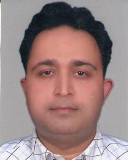
Vinay Gupta

Vinay Gupta

Vinay Gupta, a scientist working in the area of physics of energy harvesting at the CSIR National Physical Laboratory. His current research interests are in charge generation and extraction in photo-excited OPV molecules at ultrafast scale using both time-resolved absorption and fluorescence (time-correlated single photon counting) techniques. He has more than 60 papers to his credit.
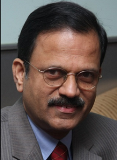
Ambady Ramachandran

Ambady Ramachandran, Chairman of Dr. A. Ramachandran’s Diabetes Hospitals and President of India Diabetes Research Foundation has contributed extensively towards diabetes care and epidemiological research in India for more than three decades. A series of urban and rural epidemiological studies taken up by his team have resulted in a wealth of knowledge on pathogenesis, risk factors and temporal changes in the prevalence of diabetes, pre-diabetes and cardiovascular risk factors in India. He has more than 300 research papers to his name.
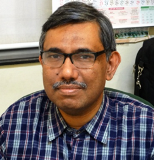
AB

Arindam Banerjee

Arindam Banerjee, Professor of Biological Chemistry at the Indian Association for the Cultivation of Science, Kolkata. His current interests are self-assembling peptide-based soft nanomaterials, organic-inorganic nanohybrid systems obtained from peptides and metal/semiconductor nanoparticles, fluorescent noble metal (Au/Ag) nanocluster and white-light emitting materials. He has published more than 110 research papers in various international journals.
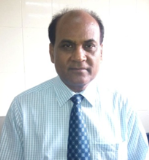
A K Srivastava

A K Srivastava

A. K. Srivastava,  Professor of analytical chemistry at the University of Mumbai. He has made noteworthy contributions in the areas of electrochemistry, chromatography, forensic and environmental sciences. His research group has developed electrochemical sensors for metals, pharmaceuticals and biomolecules. His recent achievement is the development of graphene based nanocomposite materials for super-capacitor applications that are rated very high in the field. Chromatographic methods based on GC, HPLC and HPTLC, developed by him find applications in forensic science laboratories and textiles industries for analysis of narcotics and banned azo dyes. He has 115 research papers published in reputed international journals.

Prithwish Tribedy

Prithwish Tribedy

Prithwish Tribedy, a scientist at the Variable Energy Cyclotron Centre, Kolkata. He has written many semi-theoretical (phenomenology) papers with one to two collaborators. With 36 publications in journals of international repute, this young scientist is being frequently cited by known authors. He has also been featured in the Forbes India Magazine’s ‘The Just-30 Club’ for his outstanding contribution to high-energy physics.
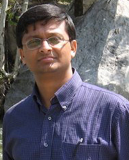
Rahul Bannerjee

Rahul Bannerjee

Rahul Bannerjee, Principal Scientist at the Physical and Materials Chemistry Division, CSIR – National Chemical Laboratory. His interests are in the metal organic frameworks (MOFs) for reversible gas storage, covalent organic frameworks (COFs) for functional applications, synthesis of polyoxometalate based hybrid materials, chiral MOFs for separation of chiral organic molecules from racemic mixtures and proton conduction, supramolecular co-ordination polymeric gel materials. He is an editorial board member and Associate Editor of CrystEngComm. He has also served as a co-editor of Acta Crystallographica Section E in 2011-2012. A Fellow of the Royal Society of Chemistry, he has published more than 100 papers and one book chapter.
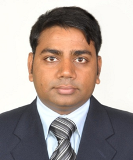
Rajeev K Varshney

Rajeev K Varshney

Rajeev K. Varshney, Director of the International Crops Research Institute for the Semi-Arid Tropics, Hyderabad. Internationally recognised for his contribution in genome sequencing of pigeonpea, chickpea, peanut, pearl millet, sesame, mungbean and azuki bean and development of molecular breeding products in chickpea and peanut. He has also published over 300 publications.
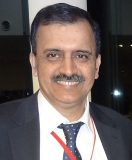
SR

Sundara Ramaprabhu

Sundara Ramaprabhu, Professor in the Department of Physics, Indian Institute of Technology Madras, Chennai. Significant contributions in the areas of hydrogen energy technology, nanomaterials, fuel cell technology, nanofluids, water purification, CO2 capture and conversion and biomedical applications of nanomaterials. Has 40 patents and 290 papers in international journals. He has developed 10 technologies and completed 16 projects worth Rs.2.11 crores.

Swagatam Das

Swagatam Das

Swagatam Das, Assistant Professor of Electronics and Communications Science Unit at the Indian Statistical Institute, Kolkata. Research interests include machine learning and pattern recognition, evolutionary computation and multi-agent systems. Has published one research monograph, one edited volume and more than 200 research articles in peer-reviewed journals and international conferences. He is the founding co-editor-in-chief of “Swarm and Evolutionary Computation”, an international journal from Elsevier. He also serves in editorial positions in many other journals.
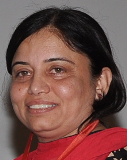
Vandana Bhalla

Vandana Bhalla

Vandana Bhalla, Assistant Professor at the Guru Nanak Dev University, Amritsar. She has been active in the field of research and teaching for over 16 years. Her area of research is supramolecular chemistry. She has made significant contribution to the study of chemo sensors and organic light-emitting diodes and has published 130 research papers in journals of international repute. She is the first ever woman scientist to be named in the Thomson Reuters’ citation list.


“It is a lonely journey for scientists in research,” said Soumya Swaminathan, the newly-appointed head of Indian Council of Medical Research (ICMR), who handed away the awards. The journey is even more difficult in the Indian context given the meagre pay that scientists get and the many challenges they face to take their research or innovation to the public, she noted.

Small wonder that at least a couple of the scientists being awarded thought  a hoax e-mail that had landed in their inbox (one had even deleted the mail announcing the award  before realising what it was!) — such is the level of disbelief among researchers about being patted on the back. Vandana Bhalla also made special mention of two challenges  — one, of being a woman researcher and two, of doing research in a University setting.

Amidst all the challenges, recognition of their work, therefore, is precious.

Nature India Special Issue: Proteomics Research in India

proteomics_research_in-india_coverNature India is happy to announce the launch of the much-awaited Special Issue on “Proteomics Research in India“. Nature India has published the freely downloadable issue with support from the Department of Biosciences and Bioengineering, Indian Institute of Technology Bombay (IITB).

When Nature published a cover article last year on the human proteome – more than a decade after publication of the draft human genome sequence – it was a moment of joy and pride for proteomics scientists in India. The country had missed the genomics bus earlier but a Bangalore-based group more than made up for the missed opportunity by identifying 17, 294 protein-coding genes and providing evidence of tissue- and cell-restricted proteins through expression profiling1.

The same issue of Nature carried another important paper which gave assembled protein evidence for 18,097 genes in ProteomicsDB and highlighted the utility of the data2.

Proteomics has witnessed a boom globally in the last decade, but the India story is especially stunning. “The success in Indian proteomics is mixed,” says John Yates, American chemist and professor of chemical biology at The Scripps Research Institute in La Jolla, California. “Some are doing very well, but others are struggling. I think success revolves around people who have come back to India after working in major proteomics laboratories in the West,” says Yates, best known for the development of the SEQUEST algorithm for automated peptide sequencing and Multidimensional Protein Identification Technology (MudPIT).

According to Pierre Legrain, past President of the Human Proteome Organisation (HUPO), the Indian proteomics community will continue to contribute more in the future, through a network of “talented postdocs and PhD students sent worldwide and coming back to their country developing their own teams and projects.” “The Indian community was very well represented in Human Proteome Project from the inception. We now see many more, younger scientists playing an important role,” he adds.

One challenge, Yates points out, that India needs to take care of is patchy infrastructure. “Funding agencies are providing money to buy the necessary mass spectrometers but having the skill sets and experience in the methods and protocols is also important. The spotty infrastructure in some places is a problem as mass spectrometers are sophisticated electronic equipment and they do not like dirty or spotty electrical power.” It will be helpful if people trained in this start new labs in other places in India. “If funding agencies in India are serious about proteomics they should provide fellowships for research fellows to train in high profile labs in the West to learn with the provision they come back to India,” he remarks.

India is perched on the edge of a remarkable evolution in proteomic science. “India’s proteomic scientists are first rate. The national growth in therapeutics, especially therapeutic proteins, is stimulating the growth of proteomic skills and applications,” says Catherine Fenselau, founding president of the US-HUPO and a professor in department of chemistry and biochemistry at the University of Maryland. “My only concern is about the selection and admission of graduate students – several young people have told me that they had to work as low-paid technicians for four or five years before they could hope to be admitted to a Ph.D. program,” she says.

There are challenges galore in a country always trying to make ends meet with its shoestring research and development funding. Nature India takes this opportunity to capture India’s big bang achievements in global proteomics research following the draft of the human proteome maps.

This special issue seeks to analyse the trends and roadblocks in India’s research scene, the problems scientists face in translating research from bench to the bedside and some key lessons this country has learnt while looking at proteomics in the context of social innovation. The Nature India Special Issue on “Proteomics Research in India” also aims to be a compendium for researchers anywhere with its listing of e-learning initiatives, next generation proteomics tools and tips on how to analyse large datasets to detect scientifically significant events. The issue also talks about the proteomics databases and repositories across the world and looks closely at the trends in cancer, malaria and plants proteomics.

References

  1. Kim, M. et al. A draft map of the human proteome. Nature. 509, 575-581 (2014).
  2. Wilhelm, M. et al. Mass-spectrometry-based draft of the human proteome. Nature. 509, 582-587 (2014).

Nature India Special Annual Volume is out!

New PictureIn keeping with the promise of an annual compendium, here’s Nature India‘s second one compiling the big science events from India through 2014.

It has been a delight putting together the second issue of the Nature India Special Annual Volume, primarily because 2014 was full of big science news — India’s space scientists proudly placed the Mars mission in orbit and the country’s biologists made a mark in international proteomics research by mapping the human proteome.

During the year, Nature India also tracked an annual event that is quietly making a mark on the Indian science scene — a new initiative that is helping bring back Indian scientists settled in various parts of the world back to their homeland. Our cover story takes a look at this — the Young Investigators Meet in faraway Boston, Massachusetts. Parallely, we spotted another new pattern — that of foreign scientists trickling in to work in Indian labs.

Though their numbers are still not worth calling it a ‘trend’ of sorts, we thought this time was as good as any to put the sightings on record – a primer that might influence future science policy of this country. Besides our continued focus on climate change, policy issues that made it to our coverage in 2014 were the ban on unproven stem cell therapies — a long-standing cause for concern — and, a new push for genomic medicine in the country’s healthcare system. We also got to hear from the experts on where the legal battle on Genetically Modified crops is headed.

All these made it to our annual compendium, Nature India’s second such, that hopes to be an important addition to the science calendar of India — a must have for anyone interested in keeping abreast with the research highlights of the year, newsmakers, trends in R&D, careers and policy issues.

In the seven years of covering science in the largest democracy of the world, Nature India has closely witnessed some world-class science and scientists changing the face of science in this country. Deservedly, they should go down in history as pioneers of this new scientific boom. Beginning 2014, therefore, Nature India started chronicling what we call “the contemporary history of science in India” through annual compendia like these. For our special volumes, a group of editors and eminent scientists handpick contents from our coverage through the year. Affiliations and research interests of some people might have changed after publication of these articles. We have mentioned the publication date on top of each article so that they make sense.

As always, I welcome readers’ feedback to improve our successive volumes and to do justice to Nature India’s tagline: “All about science in India”.

More on the content and subscription of the issue here. Also, stay tuned for a Nature India Special Issue on “Proteomics Research in India” next week!

[Read about Nature India Special Annual Volume 2007-13 here.]

Why Nature published an ‘India Special’ now

The Narendra Modi-led government in India completes one year in office next week (May 26, 2015). While the government’s first budget last year disappointed scientists with its below-inflation funding increase, they were twice disappointed this year when funding for science remained flat in real terms, and actually nosedived for some departments.

But the scientific community has been hopeful that the government will come up with decent funds for them eventually, perhaps in next year’s budget.

Nature's India Special cover

Nature’s ‘India Special’ cover

Time for some stock taking.

Nature did just that with an India Special issue last week —  looking at the “state of science in a mushrooming economy, soon to be the world’s most populous nation.” In an editorial, the journal sums it up thus: “By most metrics, India is underperforming compared with developed nations and ascendant economies such as China and Brazil. So, how best to build the country’s scientific capacity, and tackle its grand challenges including energy, water, food and pollution?”

I asked Sara Abdulla, Chief Commissioning Editor at Nature, the rationale behind an India Special issue at this point of time. “The economy and population of India are booming and the nation is sitting at the nexus of these grand challenges. Plus a new government that’s going to complete one year in office — I think that’s a great time to analyse how best India can build scientific capacity.”

The India Special reflects Nature’s interest in Indian science and the journal intends to follow it up with more coverage.

Here is the list of articles in the special issue, which is seeing some healthy readership from across the world:

A nation with ambition

Indian bioscience: The anti-bureaucrat

India by the numbers

India: The fight to become a science superpower

Research management: Priorities for science in India

Policy: Rethink India’s energy strategy

The India Special makes a few things clear — what comes across as India’s biggest strengths, says my colleague, Nature Features Editor Richard Monastersky, are commitment by researchers to address the needs of India, growth in the biotech sector and the quality of India’s most elite scientific institutions. The art of jugaad — the characteristically Indian technique of frugal innovation — and youthful enthusiasm in abundance are things that shine through. The annoying bits are the age old problems of bureaucracy, government indifference, unfair appointments (or appointments based not on experience), prioritising prestige over local problems and lack of resources. The poor quality of many state universities continues to be a niggling issue.

India has the potential to turn jugaad  into a world-leading quality since frugal innovation is the the way forward for the whole world. “There is a real opportunity to lead here, with focus, vision and support,” Sara observes reflecting the views and concerns of India’s leading scientists as featured on Nature‘s pages.

Given the limited resources and complexities, why is the international science community still hopeful for Indian science? “There are some positives — for example, increasing investments by the business sector, even if a lot of that is coming from multinational companies as opposed to Indian companies. The participation by women is also growing,” Richard says.

Interestingly, earlier this month, Mamannamana Vijayan, a scientist at the Indian Institute of Science (IISc), Bangalore and a vocal advocate of increasing funding for Indian science, said, “Transition from dependence on public funding to that on private funding is like a transition from the frying pan to the fire.” Writing in Current Science, a journal published by the Current Science Association in collaboration with the Indian Academy of Sciences, he says the core activities of autonomous institutions should be funded essentially by the government.

“That in itself does not compromise autonomy. Of course we need private funding. But that should be in addition to, and not instead of, public funding. We also need to be cognizant of the Indian reality, which cannot be changed overnight. Unlike in the West, we do not have a great tradition of philanthropy in education or private investment in research. Almost all the great scientific and educational institutions in the country, mostly established after independence, are funded publicly.”

Nature‘s India Special looks at the Modi government’s “steps in the right direction” in establishing tax incentives for research and development that are among the best in the world. “These have helped to boost research investments by a few industries, but have yet to drive widespread innovation,” it notes.

Money is key for Indian science, which is clearly poised to take the big leap now. Narendra Modi’s concern for science and scientists has been in the news ever since he took office. However, whether the scientific community in this country will continue to believe that the concern is genuine hinges, to a large extent, on his government’s next budget.

Nature India partners with JNU

Pages from JNU Abstracts Book Final_03_02_2015Nature India is proud to be associated with Jawaharlal Nehru University (JNU), New Delhi as media partner of the just concluded International Symposium on Current Advances in Radiobiology, Stem Cells and Cancer Research (February 19-21, 2015).

According to conference organising secretary Rana P. Singh, “The symposium focused on radiation therapy of cancer, mechanisms of radiation resistance in cancer, radiosensitizing agents and their mode of action, radiation carcinogenesis and targeting stem cells for cancer prevention.”

“It also discussed emerging trends in cancer stem cells, therapeutic targeting of cancer stem cells, novel mechanisms in cancer chemoprevention, development of phytopharmaceuticals for cancer chemoprevention and therapy, genetic and epigenetic mechanisms in the pathobiology of cancer, and advances in basic and translational cancer research.”

The symposium looked at developments in these areas and turned out to be a breeding ground for atypical and modernistic ideas among the participants, to combat the growing menace of cancer. The meeting was designed with an emphasis on advances in the translational aspects of cancer control.

Here’s an editorial titled Cancer Biology: Pre-clinical to Translational Research I wrote for the abstracts book of the conference:

In November 2014, Nature featured a body of work (1, 2, 3, 4, 5) extending the list of cancers that might respond to antitumour immunity restoration therapies by blocking the PD-1 pathway. There were results1, 2 from a phase I clinical trial of a monoclonal antibody (MPDL3280A) in patients with non-small-cell lung cancer, melanoma, renal-cell carcinoma and other solid tumours.

Experiments also showed how expression of PD-L1 on immune cells infiltrating tumours could be a key predictor of clinical activity2,3. A couple of findings4,5 suggested that ‘passenger’ mutations — cancer-cell mutations that do not directly contribute to cancer initiation and progression — play a key part in tumour immunity.

While the significance of cancer research and the mounting global burden of cancer can never be emphasised enough, the International Conference on Current Advances in Radiobiology, Stem Cells and Cancer Research is promising to give us some significant take homes. To begin with, a review of trends in these three key areas is expected to showcase results of new experiments from the world over.

For instance, in radiation therapy, the problem of radio-resistance and the probable mechanism that makes cancer cells more radio sensitive will be a novel area to explore. Also of interest will be the stem cell experiments, a relatively new area in cancer biology. The conference will present results from laboratories working on compounds that can target tumour like stem cells. Results from screening and evaluation of new natural compounds or phytopharmaceuticals and their anticancer mechanism are expected to add another interesting dimension to the well-rounded conference.

Nature India, a showcase of India’s science, is proud to be associated with the International Conference on Current Advances in Radiobiology, Stem Cells and Cancer Research. We hope that the conference will take a keen look at pre-clinical cancer biology in pinpointing a combination of best drugs and mechanisms for cancer treatment protocols. We also hope the conference, with a star-studded speaker list from around the world, will be a significant step towards identifying the most relevant translational research for times to come.

  1. Powles, T. et alNature 515, 558–562 (2014)
  2. Herbst, R. S. et alNature 515, 563–567 (2014)
  3. Tumeh, P. C. et alNature 515, 568–571 (2014)
  4. Yadav, M. et alNature 515, 572–576 (2014)
  5. Gubin, M. M. et alNature 515, 577–581 (2014)

Nature India partners with ICRISAT

ICRISAT_Abstracts_Book_Cover_10_02_2015Nature India is proud to have been associated with the International Crops Research Institute for the Semi-Arid Tropics (ICRISAT) as media partner of the just concluded 5th International Conference on Next Generation Genomics and Integrated Breeding for Crop Improvement (February 18-20, 2015).

ICRISAT Director General David Bergvinson says, “Next-generation sequencing (NGS) is projected to be the seventh most important disruptive technology towards increased economic impact by 2025 (McKinsey Global Institute, 2014). In the last decade, NGS not only accelerated the genomics and genetics research-based solutions in humans, but has also dramatically impacted agriculture research.”

“Through partnerships, ICRISAT has contributed to the genomics revolution through the sequencing of two of its mandate crops – chickpea and pigeonpea. We are now applying this information to accelerate the development of climate change-resilient varieties for sorghum, millets, chickpea, pigeonpea and groundnut. ICRISAT has always valued its partnership with national and international research programs and private sector partners towards modernizing breeding programs to develop farmer-preferred varieties better, faster and cheaper,” he said in a message.

According to the conference chair Rajeev Varshney,  this edition of the conference has become the largest meeting in the series with over 300 delegates from more than 30 countries. The conference had 10 sessions covering 40 presentations by eminent speakers. In addition, there was a dedicated session for poster presentations for young researchers to get an opportunity to present their work and interact with eminent scientists.

Here’s an editorial titled From the Genomes to the Fields I wrote for the abstracts book of the conference:

The developing country perspective of food security is anything but lavish. It has always been about reaching subsistence nutrition to the teeming millions – for instance, the thought behind most of India’s food policies is “let’s ensure that the poorest of the poor get basic carbohydrates and proteins to survive”.

Scientists in developing countries, therefore, are faced with a bigger challenge of not just making newer crops to counter changing climate or shrinking resources, but also to make crops that can produce huge volumes. Given the odds, it seems pertinent that Next Generation Sequencing (NGS) is being heralded as the new uncrowned king of technologies that could do the trick for developing countries.

This brings us to the question of resources available to scientists in developing countries to participate in this global shift towards genomics and integrated breeding. Or, for that matter, their access to global databases that can then be used to meet local needs. In January 2015, Nature Genetics endorsed the need to support an international initiative that makes plant genome data across the world’s seed banks accessible to plant breeders and researchers1. The journal will work with authors to ensure that researchers get access to phenotype data that is linked to published genetic data.

Maintaining the 11 international gene bank collections alone costs about 18 million US dollars every year. Scientists have increasingly advocated mining this biodiversity for food security and creating an internationally accessible informatics infrastructure to catalogue the diversity of the world’s seed collections2. After mining the superior alleles, it is imperative to use them in the breeding programs and the approach has been referred as integrated breeding approach.

In the light of new genomic interventions in several crops such as rice, maize, barley, wheat, legumes, sorghum, millets, chickpea, pigeon pea and groundnut – crops that the developing world immensely benefits from – ICRISAT’s 5th International Conference on Next Generation Genomics and Integrated Breeding for Crop Improvement will be an interesting meet to watch.

Nature India, a showcase of India’s science, is proud to be associated with the conference as its media partner. We hope that the conference, with a star-studded international speakers’ list, will identify novel native varieties that can make their way from genebanks to the fields, discuss trends in high-throughput SNP genotyping, as also take a significant first step in giving to the world some new climate smart varieties.

  1. Growing access to phenotype data. Nat. Genet. 47, 99 (2015)
  2. Agriculture: Feeding the future. Nature 499, 23-24 (2013)