Scientists are full of ideas, constantly creating wonderful research, but what can you do when one of these ideas could make you some money? In this Windback Wednesday series we’re digging up some articles from Nature Careers and the Naturejobs blog on entrepreneurship
{credit}Naturejobs{/credit}
The word entrepreneur comes from the 13th century french verb entreprendre, which literally translates to “to do something” or “to undertake”. By the 16th century, the word entrepreneur had developed a meaning of its own: someone who undertakes a business venture. It’s distinguishing features, according to Richard Cantillon (an 18th century economist), are an understanding of risk and being prepared to do business without guaranteed profits. Sounds scary, but it doesn’t need to be.
In a recent interview with Naturejobs (podcast to follow soon!), Steve Blank, a Silicon Valley entrepreneur, described entrepreneurship as a cross between science and art:
“Artists have something inside of them that they want to bring to fruition, and actually see tangible results of: it’s not just thinking about music or listening to music, they want to make music. Making a start-up and making something commercial is exactly that same feeling, and if you don’t have that passion for it, you shouldn’t get engaged. But if you do have that passion for it, you will figure out how to split up some time, take 6 months off or take a sabbatical…. [and] you will find, once in your life, you will experience what it takes to actually do a start-up. But this isn’t a job, this is a passion.”
On that much happier note, we’re going to start this month’s series on entrepreneurship with Neil Savvage’s article on Innovation: Brushing up on business. As well as case-studies, this article gives some insight into practical talks and training courses scientists can do to brush up on their business skills.
Throughout this month, we’ll also be looking at how to find some venture capital to fund ideas, how to become a bio-entrepreneur and how women can find a way in to the entrepreneurial world.
But what we’d like to know is: what does the word entrepreneur mean to you?

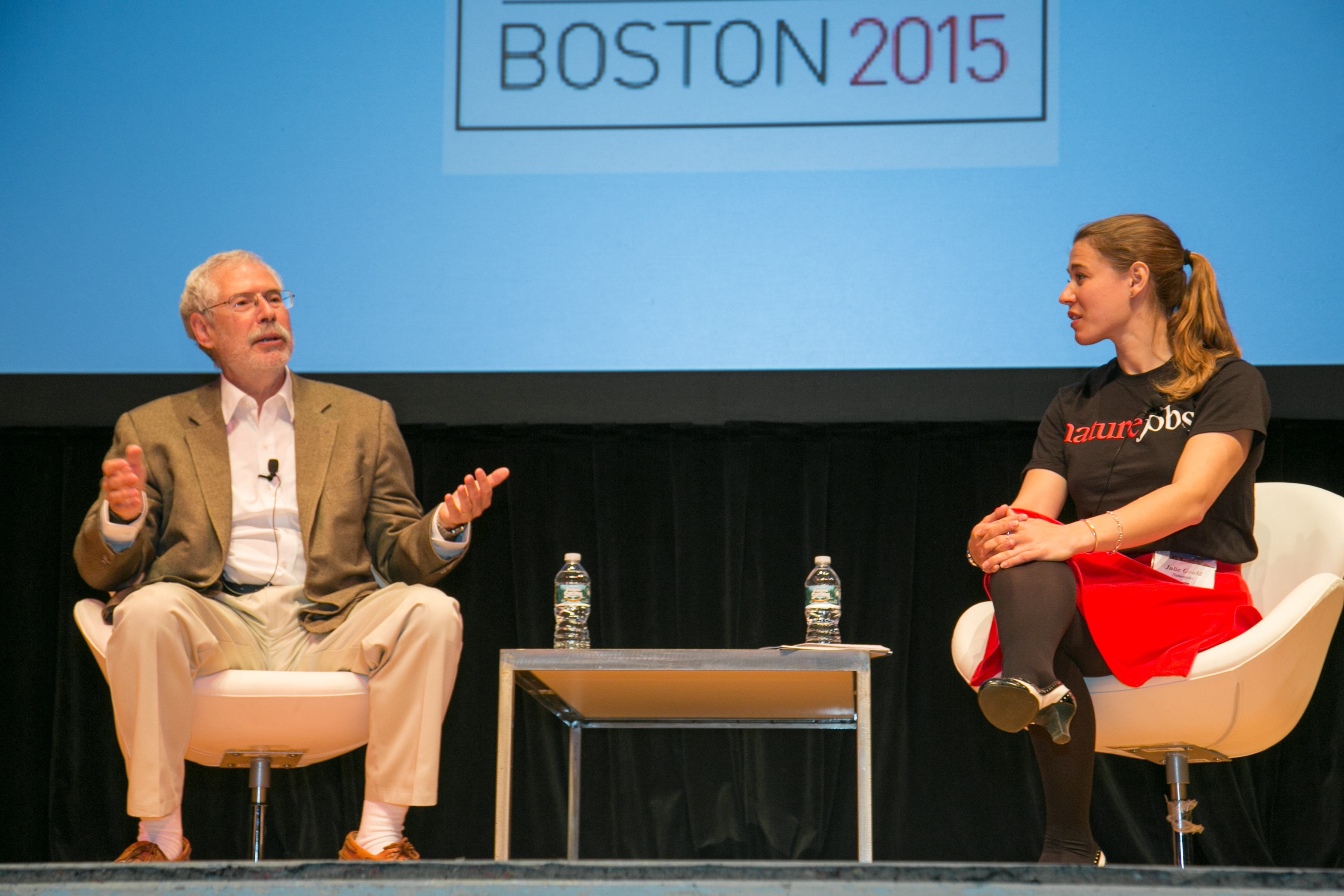 “Curiosity is what drives both entrepreneurs and scientists,” observed Steve Blank, a serial entrepreneur, author, blogger and educator based in California’s Silicon Valley. Blank’s comparison, made at the Naturejobs Career Expo 2015 in Boston, Massachusetts during a conversation with Naturejobs editor Julie Gould, was bolstered by the appearance of several scientist-entrepreneurs that day, including Professor Robert Langer and Nina Dudnik. Gould and Blank discussed how entrepreneurial and scientific attitudes converge — but also lessons academics entering the start-up world must learn.