
Looking 2 years ahead when it comes to a job/postdoc search can help scientists prepare more thoroughly.
Contributor Shimi Rii
“It’s never too early to be looking, so always be looking,” advises Ty Samo, postdoctoral scholar at the Center for Microbial Oceanography: Research and Education (C-MORE) at the University of Hawaii.
Whether your ultimate goal is to become a tenure-track professor or not, if you like research, becoming a postdoc is still a common next step for many graduating PhD students. By becoming a postdoc, new PhDs can (finally) receive a full-time salary to conduct research and diversify their skill set, making themselves more marketable for future job searches. As I started preparing to seek out postdoc and job positions for next year, I asked five postdocs for advice. It seemed that many followed a general timeline, set before prospective graduation.
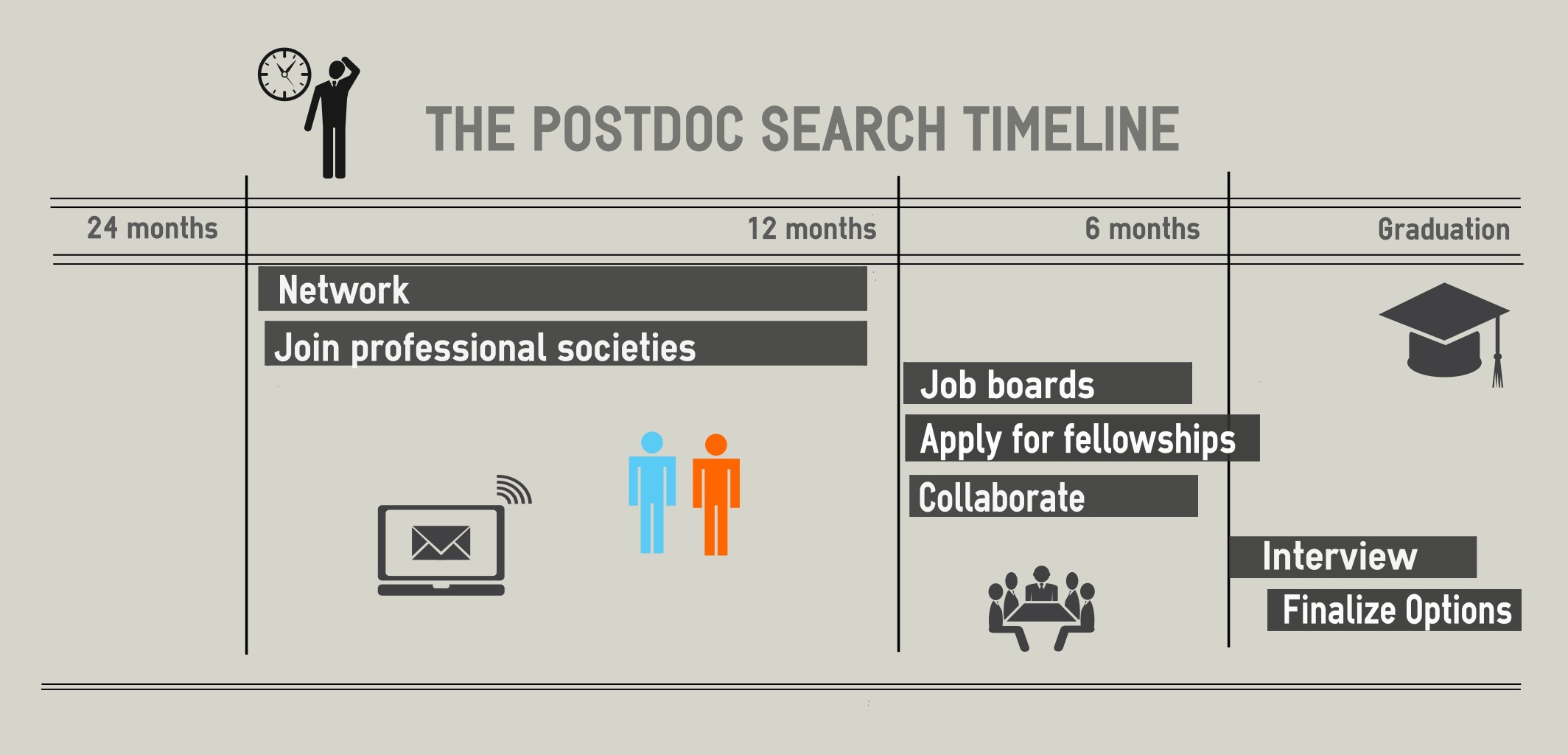
{credit}Image credit: Shimi Rii{/credit}
1-2 years: Start making a list of potential postdoc advisers and laboratories of interest
Have conversations with your professors. Talking to prospective employers to see if you’ll be happy working with them is as important as the research they’re doing. Samo started emailing professors he met through summer programmes 2 years before defending his thesis. Stuart Goldberg, postdoc with the Hawaii Ocean Time-series programme, spoke to one of his thesis committee members because he felt that he could see himself working with her, and because she employed skills in her research that would help further his career. Continue reading