
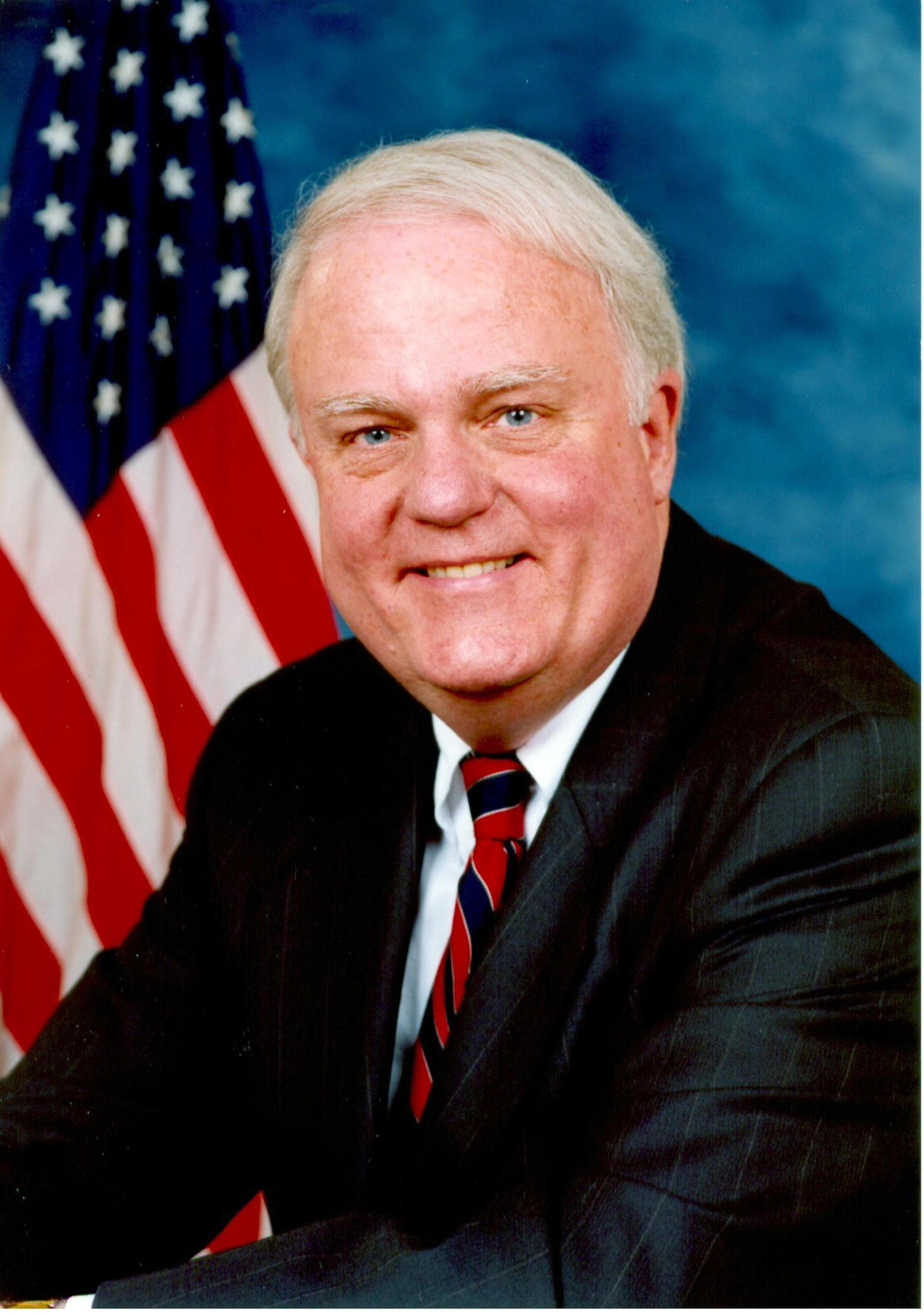
Congressman Jim Sensenbrenner of Wisconsin{credit}https://sensenbrenner.house.gov/{/credit}
An influential member of the US Congress remains dissatisfied with the government’s handling of two research papers on mutant forms of avian influenza, and is threatening legislation to control the controversial research.
Jim Sensenbrenner (Republican, Wisconsin) today said that the lack of a cohesive policy for handling risky research funded by the National Institutes of Health (NIH) and other federal agencies could necessitate new laws, a situation that researchers have been trying to avoid. “I prefer not to pursue legislation on this issue, with the hopes the scientific community can create its own approach. But failing a consequential … policy, Congressional action could be required,” Sensenbrenner told Nature in a statement.
The second of the controversial papers showing that H5N1, or ‘bird flu’, can spread through the air between mammals was published last week, providing some closure to the months-long debate about the work and whether its publication would result in the proliferation of dangerous viruses and increased risk of an accidental or intentional release. Sensenbrenner says not enough work has been done to ensure that such controversies don’t arise again.
On 21 June, NIH director Francis Collins responded to some pointed questions issued by Sensenbrenner’s office after a 29–30 March meeting when the National Science Advisory Board for Biosecurity (NSABB) reversed its initial opposition to the publication of the papers, in light of some manuscript revisions and the addition of data. Sensenbrenner, who is the vice-chairman of the Congressional committee on science and technology and sits on a subcommittee on terrorism and homeland security, had requested details on the provenance of a new government policy on reporting and overseeing ‘dual-use research of concern’ (DURC), research that could conceivably be put to nefarious ends.