White House suspends enhanced pathogen research

Past research made the H5N1 virus transmissible in ferrets.

Past research has made the H5N1 virus transmissible in ferrets.{credit}Sara Reardon{/credit}

As the US public frets about the recent transmission of Ebola to two Texas health-care workers, the US government has turned an eye on dangerous viruses that could become much more widespread if they were to escape from the lab. On 17 October, the White House Office of Science and Technology Policy (OSTP) announced a mandatory moratorium on research aimed at making pathogens more deadly, known as gain-of-function research.

Under the moratorium, government agencies will not fund research that attempts to make natural pathogens more transmissible through the air or more deadly in the body. Researchers who have already been funded to do such projects are asked to voluntarily pause work while two non-regulatory bodies, the National Science Advisory Board for Biosecurity (NSABB) and the National Research Council, assess its risks. The ban specifically mentions research that would enhance influenza, severe acute respiratory syndrome (SARS) and Middle East respiratory syndrome (MERS). Other types of research on naturally occurring strains of these viruses would still be funded.

This is the second time that gain-of-function research has been suspended. In 2012, 39 scientists working on influenza agreed to a voluntary moratorium after the publication of two papers demonstrating that an enhanced H5N1 influenza virus could be transmitted between mammals through respiratory droplets. The publications drew a storm of controversy centred around the danger that they might give terrorists the ability to create highly effective bioweapons, or that the viruses might accidentally escape the lab. Research resumed after regulatory agencies and entities such as the World Health Organization laid out guidelines for ensuring the safety and security of flu research.

The OSTP’s moratorium, by contrast, is mandatory and affects a much broader array of viruses. “I think it’s really excellent news,” says Marc Lipsitch of Harvard University in Cambridge, Massachusetts, who has long called for more oversight of risky research. “I think it’s common sense to deliberate before you act.”

Virologist Yoshihiro Kawaoka of the University of Wisconsin–Madison, who conducted one of the controversial H5N1 gain-of-function studies in an effort to determine how the flu virus could evolve to become more transmissible in mammals, says that he plans to “comply with the government’s directives” on those experiments that are considered to be gain-of-function under OSTP’s order. “I hope that the issues can be discussed openly and constructively so that important research will not be delayed indefinitely,” he says.

The NSABB, which has not met since 2012, was called back into action in July, apparently in response to a set of lab accidents at the US Centers for Disease Control and Prevention in which lab workers were exposed to anthrax and inadvertently shipped H5N1 virus without proper safety precautions. The NSABB will spend most of its next meeting on 22 October discussing gain-of-function research, and the National Research Council plans to hold a workshop on a date that has not yet been set. Lipsitch, who will speak at the NSABB meeting, says that he plans to advocate for the use of an objective risk-assessment tool to weigh the potential benefits of each research project against the probability of a lab accident and the pathogen’s contagiousness, and to consider whether the knowledge gained by studying a risky pathogen could be gained in a safer way.

Correction: This post has been changed to specify that Yoshihiro Kawaoka’s 2012 gain-of-function research increased the transmissibility of H5N1.
Congressman criticizes US handling of H5N1 papers

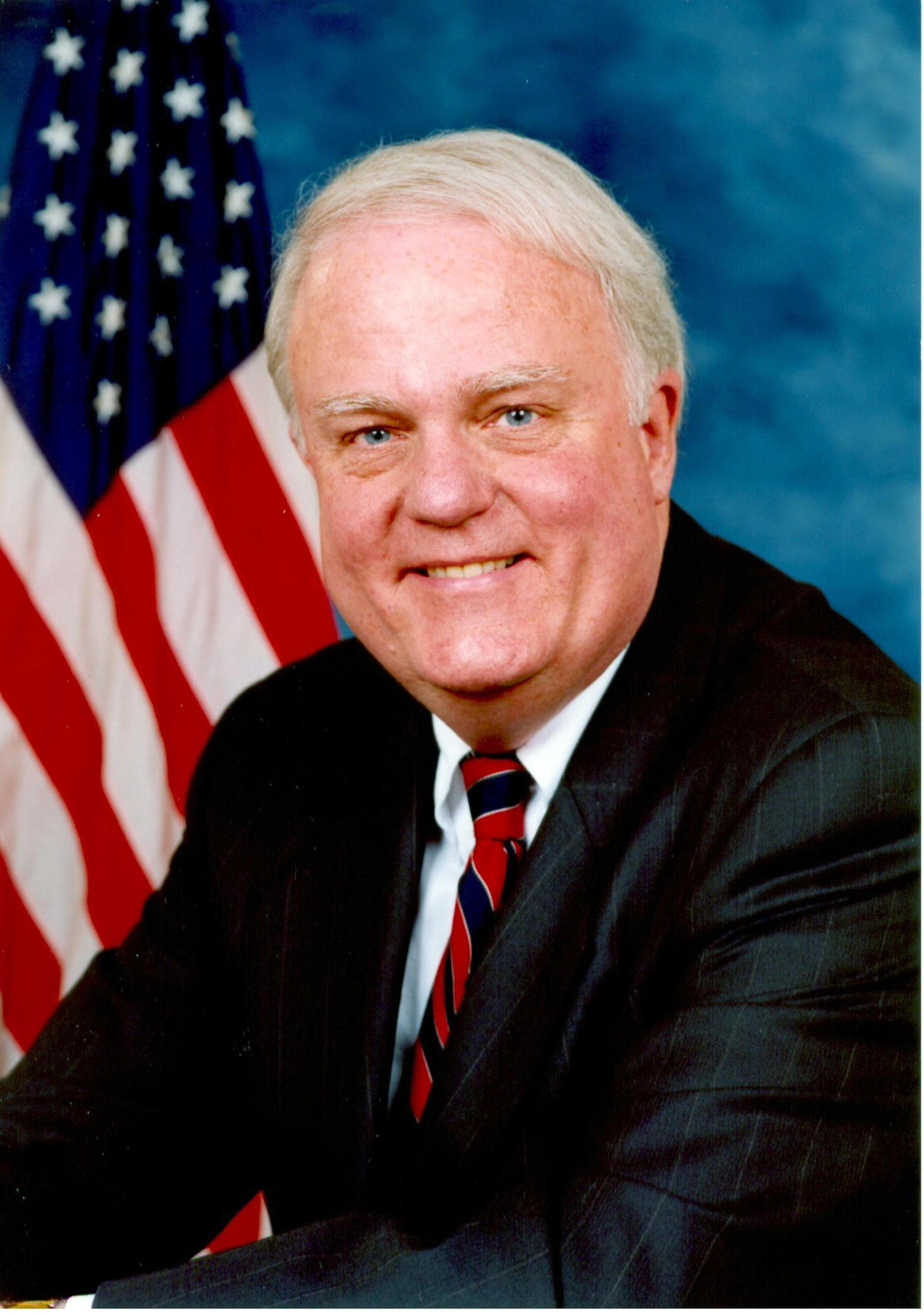
Congressman Jim Sensenbrenner of Wisconsin{credit}https://sensenbrenner.house.gov/{/credit}

An influential member of the US Congress remains dissatisfied with the government’s handling of two research papers on mutant forms of avian influenza, and is threatening legislation to control the controversial research.

Jim Sensenbrenner (Republican, Wisconsin) today said that the lack of a cohesive policy for handling risky research funded by the National Institutes of Health (NIH) and other federal agencies could necessitate new laws, a situation that researchers have been trying to avoid. “I prefer not to pursue legislation on this issue, with the hopes the scientific community can create its own approach. But failing a consequential … policy, Congressional action could be required,” Sensenbrenner told Nature in a statement.

The second of the controversial papers showing that H5N1, or ‘bird flu’, can spread through the air between mammals was published last week, providing some closure to the months-long debate about the work and whether its publication would result in the proliferation of dangerous viruses and increased risk of an accidental or intentional release. Sensenbrenner says not enough work has been done to ensure that such controversies don’t arise again.

On 21 June, NIH director Francis Collins responded to some pointed questions issued by Sensenbrenner’s office after a 29–30 March meeting when the National Science Advisory Board for Biosecurity (NSABB) reversed its initial opposition to the publication of the papers, in light of some manuscript revisions and the addition of data. Sensenbrenner, who is the vice-chairman of the Congressional committee on science and technology and sits on a subcommittee on terrorism and homeland security, had requested details on the provenance of a new government policy on reporting and overseeing ‘dual-use research of concern’ (DURC), research that could conceivably be put to nefarious ends.

Continue reading

Senate Hearing on H5N1 papers exposes political divisions

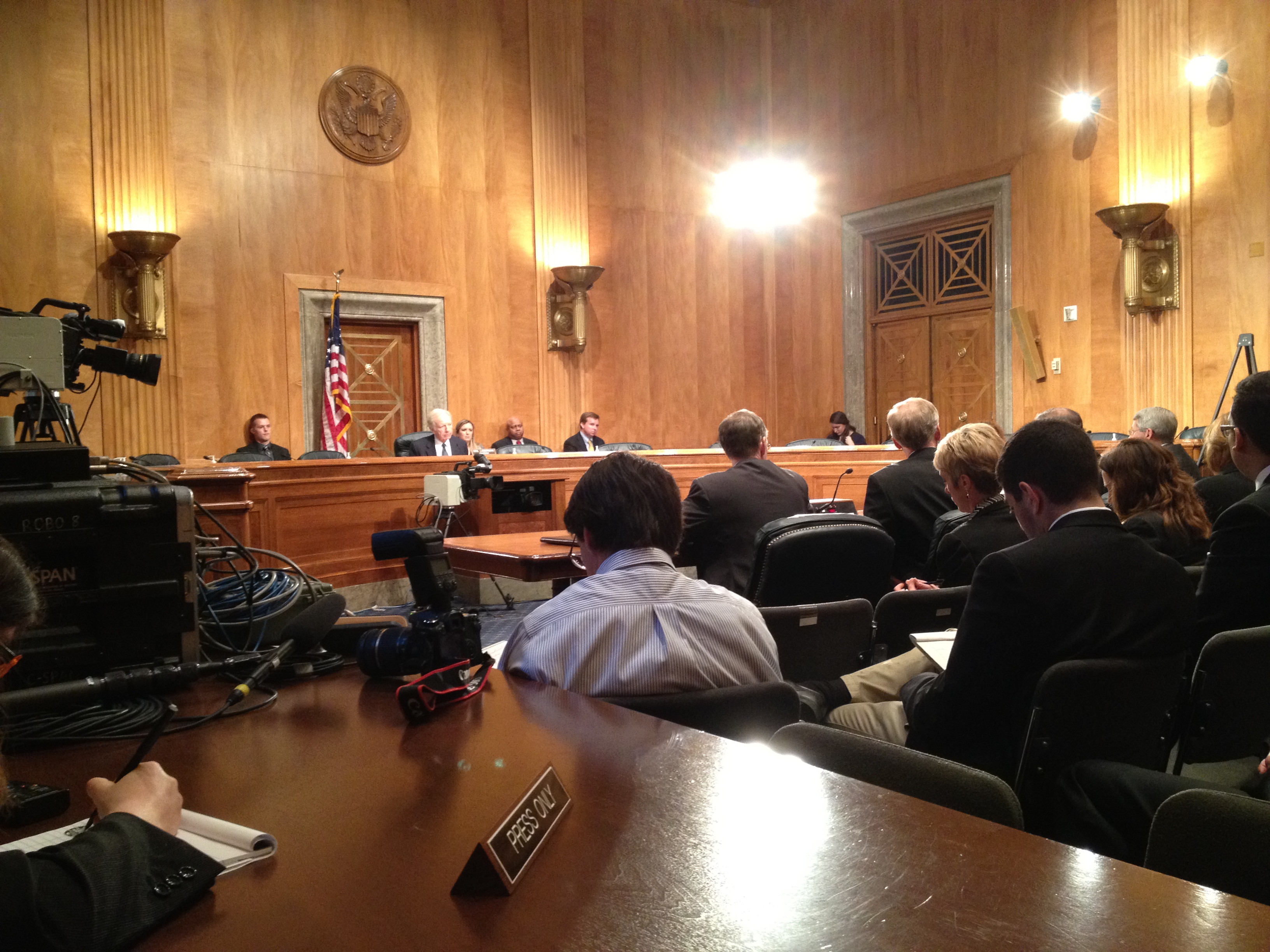
26 April in Washington DC, US Senator Joseph Lieberman of Connecticut revealed that his grandmother was killed by influenza during the 1918 pandemic. This was one reason he has been so interested in a pair of yet-to-be-published papers on laboratory-created H5N1 avian influenza strains that could conceivably prove many times more deadly than the 1918 flu. The other reason for his interest is that he chairs the committee on Homeland Security and Government Affairs, which had called a hearing to understand how decisions were made about the research’s potential use as an agent of bioterrorism. At the hearing, officials involved in making the decision to publish the research were queried about a letter that was leaked to the press two weeks ago. In the letter, Michael Osterholm, a member of the National Science Advisory Board for Biosecurity (NSABB), accused the U.S. government of stacking the decks in favour of full publication during a crucial closed door meeting in March at which the NSABB was asked to re-evaluate the papers.

Paul Keim, acting chair of the NSABB, who testified today, said “I view it as a very constructive type of communication. It was unfortunate that it was leaked to the public… that made it very hard to have a constructive conversation about it.” He went on to say that he agreed with Osterholm’s contention that there was a bias in the list of witnesses presenting evidence for and against full publication. The presenters included the two researchers whose teams had performed the research and one of their collaborators. “But the bias inherent in these witnesses was not very important,” Keim says, noting that the board members were able to ask them tough, probing questions. Continue reading