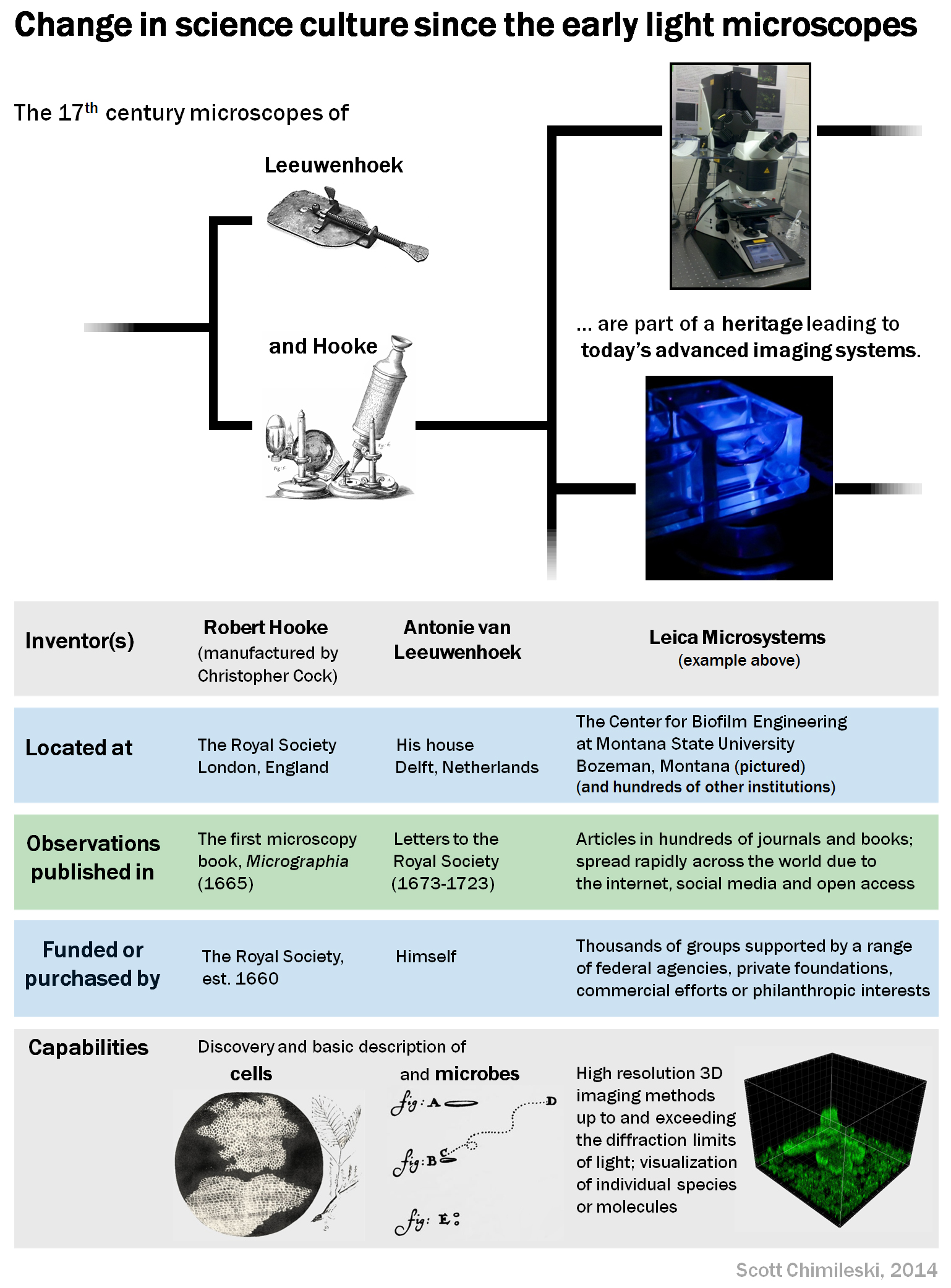
Science funding sources have varied over the decades, and will continue to do so as the sociological and political influences change, says Scott Chimileski.
Contributor Scott Chimileski
Twenty-first century science is global, rapidly communicated and irreversibly intertwined with virtually every aspect of society. This immensity creates the impression that our current scientific culture has been established for a very long time. However, the National Science Foundation (NSF), NASA and the Department of Energy (DOE), pillars of basic science that we recognize them to be, were all established after many of today’s senior investigators were born. In addition to appreciating the cyclical nature of funding (see part one), it is critical to consider how and why funding sources have changed throughout the history of science.
From the scientific revolution at the end of Renaissance through the 19th century, science was largely self-funded or driven by the patronage of other independently wealthy individuals. Many famous forefathers of science had side jobs. Antonie van Leeuwenhoek, whose observations of bacteria in the 17th century inspire microbiologists to this day, was a house manager. Little is known of how he made his microscopes, let alone exactly how he paid for supplies. His contemporary Robert Hooke, another pioneer of microbiology, was an architect and city surveyor. Johannes Kepler wrote horoscopes. And, Galileo Galilei – celebrated for early observations of Saturn’s shape and the Milky Way Galaxy – pitched his telescopes to the military of the Republic of Venice as naval instruments, and to the House of Medici in Florence as a means for naming distant moons after members of this powerful dynasty.