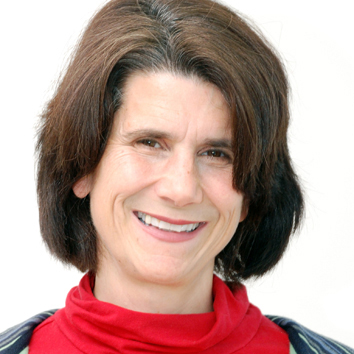
Data Matters: Interview with Gavin Simpson

gavin-simpsonGavin Simpson is a Quantitative Environmental Scientist at the Institute of Environmental Change and Society, University of Regina, Canada.

How open has your field traditionally been in the sharing of data?

As far as ecology goes in general I don’t think we’ve been very good at sharing data; we haven’t been very open in the way that we share data. There are a lot of people who collaborate on datasets and do things in private, but little in the open. There are a few big exceptions, things like the Breeding Birds Survey and a few other larger datasets, but they’re the exceptions rather than the rule. It’s changing, there’s been a movement towards making more and more data freely and openly available, but I think it’s still very much lagging behind open access in preparing journal articles. Continue reading
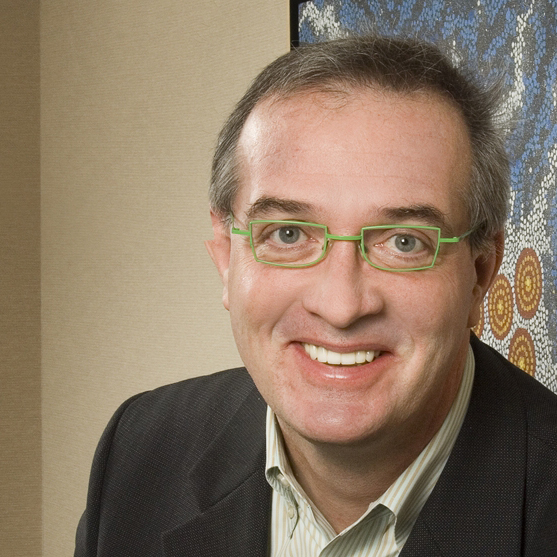
Data Matters: Interview with Stephen Friend

Dr Steven FriendStephen Friend is the President, Co-Founder, and Director of Sage Bionetworks, USA.

How open has biomedical research been to the open sharing of data?

Totally unopen. Compare the culture of biomedical research with the cultures around synthetic biology, around model organisms, and around the generation of genomic data. These are three examples where particular leaders in each of those fields have driven a large amount of sharing and open collaboration that is orders of magnitude more open than biomedical research. In biomedical research there are individuals who work for five to ten years to develop a cohort, which they then believe is their cohort, it’s not anyone else’s, it’s theirs, and they have the right till the last post doc leaves their lab, to not let others look at the data until they get authorship on a paper. Continue reading

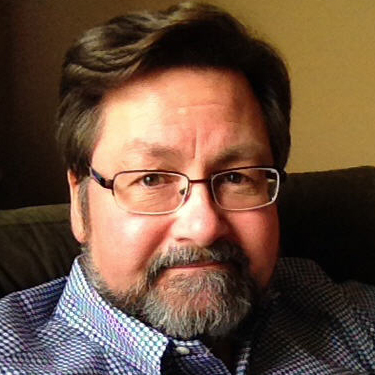
Data Matters: Interview with Mike Huerta

Mike_HuertaMike Huerta is the Associate Director of the US National Library of Medicine, National Institutes of Health, USA.

What are the data sharing practices in your field at the moment?

At the moment in biomedical research it’s a hodgepodge. There are some broad policies across all of NIH for example, and there are policies that pertain to research funded by particular foundations, but there is no single policy. There are areas of biomedical research, such as genomics, that have a rich history and an active data sharing policy, and there are some particular initiatives, or projects that NIH is funding, that have requirements for data sharing, for example, the Human Connectome Project and the Alzheimer’s Disease Neuroimaging Initiative. But there is increasing interest across much of federal government in how to increase access to the results of research. For example, a memo came from the Office of Science and Technology Policy in February 2013 asking agencies that fund significant amounts of research for plans to increase access to both data and publications. In the not too distant future, in response to such policy initiatives, increasing technical capabilities to share, recognition of the importance of data sharing from the scientific perspective, and changes in the expectations and perspectives of society, we’re going to see a big increase in data sharing in biomedical research and other kinds of scientific research as well. Continue reading

Data Matters: Interview with Maryann Martone

Maryann_MartoneMaryann Martone is Professor of Neuroscience in the Department of Neuroscience, University of California San Diego, USA.

What are the data sharing practices in your field at the moment?

The routine sharing of imaging data in neuroscience is very nascent. We ran a database called the Cell Centered Database, which is still up and has merged with the American Society of Cell Biology’s Cell Image Library, and whereas we get a few unsolicited contributions from the neuroscience community most of the time if we want data we have to explicitly ask for it, or it just simply doesn’t exist. There are some neuroscientists that share their images by just putting them on web pages and those who are starting to share through www.openconnectomeproject.org but I would say that in the imaging field it’s still very ad hoc. Continue reading