Introducing ‘Data Matters’: conversations with researchers

Data Matters presents a series of interviews with scientists, funders and librarians on topics related to data sharing and standards.

As we move toward greater openness in science, the team at Scientific Data believe we need to fully grasp the benefits of and barriers to sharing data across the academic spectrum. To help us better our understanding of why the practice of sharing data is so varied across different disciplines, institutions, and geographies we interviewed numerous people who support the principle – from palaeontologists to neuroscientists and ecologists (to name just a few) but also those working with funding bodies and libraries.SD_Advisory_150 Continue reading

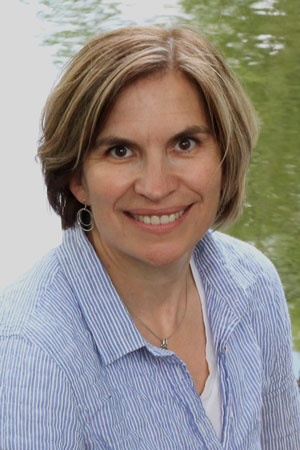
Data Matters: interview with Patricia Soranno

PCPatricia Soranno is a Professor in the Department of Fisheries and Wildlife, Michigan State University, USA.

How important is data reuse in your field?

In the field of ecology data reuse is increasingly being recognised as important. In the last 2-3 years in particular, there have been more calls for the benefits of reusing data. A lot of problems in ecology and the environment occur across very broad spatial extents, the continent, even the globe, and typically we have not studied our natural systems at that scale. Problems such as climate change, invasive species, and biodiversity studies, to name a few. One strategy that’s been identified as a valuable strategy for such studies is to take finer-scaled studies and mash them together. Consequently, these finer-scaled studies are being recognised as being extremely valuable beyond their initial design. Continue reading

Data Matters: interview with Susanna-Assunta Sansone

SASSusanna-Assunta Sansone is Associate Director at the University of Oxford e-Research Centre and Honorary Academic Editor of Scientific Data

What are the data sharing practices in your field at the moment?

I’m not a data producer, I am a biologist by training, but since my PhD I’ve been in data management, helping other people to structure, share, and explore their data in the life, natural and biomedical sciences. For at least the past 5 years in these areas the funders have been developing stronger, more detailed data sharing and data stewardship policies. A large amount of data is being produced and they want to see those datasets being shared and reused, to get something back from the money after it’s been spent enabling the production of this data. Continue reading

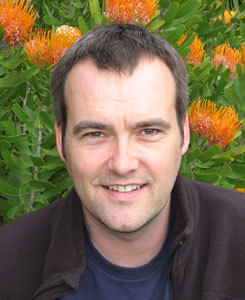
Data Matters: interview with Simon Hay

01-SIHSimon Hay is Professor of Epidemiology at the University of Oxford, UK

How open has your field traditionally been in the sharing of data?

The field I’m working in is tropical medicine, and more generally, epidemiology and public health. Historically they have not been great at sharing data, but I think there is progress. It has been going on for about the last 5-10 years, but I would also still say that we have got a way to go. Continue reading

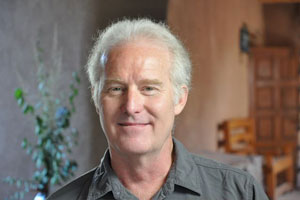
Data Matters: interview with Timothy Rowe

Tim-Rowe-2Timothy Rowe is Professor of Paleontology at the University of Texas at Austin, USA.

How much of the scientific data generated in your field is being shared at the moment?

A very small percentage. For a paleontologist there are two forms of data, one is the fundamental specimens in national history collections, and we have a long history of requiring that specimens collected from the field be collected legally, documented and vouchered into museum collections. But now, in increasing ways the discoveries are being made not so much on the specimens themselves but on computed tomography (CT) data, CT has given us a non-destructive look inside these specimens and it’s the CT data that are providing the source of discovery. Continue reading