Lasker Awards go to rapid neurotransmitter release and modern cochlear implant

Lasker_logo 2

A very brainy area of research has scooped up one of this year’s $250,000 Lasker prizes, announced today: The Albert Lasker Basic Medical Research Award has gone to two researchers who shed light on the molecular mechanisms behind the rapid release of neurotransmitters—findings that have implications for understanding the biology of mental illnesses such as schizophrenia, as well the cellular functions underlying learning and memory formation.

By systematically analyzing proteins capable of quickly releasing chemicals in the brain, Genentech’s Richard Scheller and Stanford University’s Thomas Südhof advanced our understanding of how calcium ions regulate the fusion of vesicles with cell membranes during neurotransmission. Among Scheller’s achievements is the identification of three proteins—SNAP-25, syntaxin and VAMP/synaptobrevin—that have a vital role in neurotransmission and molecular machinery recycling. Moreover, Südhof’s observations elucidated how a protein called synaptotagmin functions as a calcium sensor, allowing these ions to enter the cell. Thanks to these discoveries, scientists were later able to understand how abnormalities in the function of these proteins contribute to some of the world’s most destructive neurological illnesses. (For an essay by Südhof on synaptotagmin, click here.)

The Lasker-DeBakey Clinical Medical Research Award went to three researchers whose work led to the development of the modern cochlear implant, which allows the profoundly deaf to perceive sound. During the 1960s and 1970s Greame Clark of the University of Melbourne and Ingeborg Hochmair, CEO of cochlear implant manufacturer MED-EL, independently designed implant components that, when combined, transformed acoustical information into electrical signals capable of exciting the auditory nerve. Duke University’s Blake Wilson later contributed his “continuous interleaved sampling” system, which gave the majority of cochlear implant wearers the ability to understand speech clearly without visual cues. (For a viewpoint by Graeme addressing the evolving science of cochlear implants, click here.)

Bill and Melinda Gates were also honored this year with the Lasker-Bloomberg Public Service Award. Through their foundation, the couple has made large investments in helping people living in developing countries gain access to vaccines and drugs. The Seattle-based Bill & Melinda Gates Foundation also runs programs to educate women about proper nutrition for their families and themselves. The organization has a broad mandate in public health; one of its most well known projects is the development of a low-cost toilet that will have the ability to operate without water.

The full collection of Lasker essays, as well as a Q&A between Lasker president Claire Pomeroy and the Gateses, can be found here.

Researchers less willing to share study details, according to journal’s survey

Researchers are increasingly reluctant to share the background details of their studies with other scientists according to new results from a survey of authors who published papers in the Annals of Internal Medicine in the last five years. This downward trend in researchers’ willingness to disclose such information is, unfortunately, at odds with the current surge in efforts to facilitate access to the types of study specifics that are vital to reproducing results.

Increasing transparency in research—by sharing the nitty-gritty details of studies that don’t make it into the published accounts, such as preliminary qualifying test results for clinical trial participants—is a hot topic. A report released on 29 March by the Institute of Medicine (IOM) based in Washington, DC, entitled “Sharing Clinical Research Data: A Workshop,” concluded that giving other scientists access to information from studies was increasingly important for the research community. But the report did acknowledge that researchers sometimes have fears that the data they share, for example clinical results, might be misused or misinterpreted if not enough attention is given to how the data were originally collected.

“The biomedical industry lags behind the rest of the world in how we share information,” says Sharon Terry, chair of the IOM workshop committee and president of the Genetic Alliance, a Washington, DC-based health advocacy group that focuses on issues related to gene testing. “We need to catch up with the other industries that have figured out ways to share data and still protect it.”

In the new survey, a majority of researchers said that they would be willing to share study materials with their colleagues, according to the results presented by Christine Laine, the editor-in-chief of the Annals of Internal Medicine, at the International Congress on Peer Review and Biomedical Publication held in Chicago today.

The findings came from theoretical questions answered by 389 respondents who published papers in the Annals of Internal Medicine between 2008 and 2012. During that period, 71% said they would share their study protocols beyond what was in the methods, and 72% were willing to share the full statistical methods used to analyze the data, including the computer algorithms employed. However, only 54% were willing to share all the data collected during the study, including information that didn’t end up being in the final report. Most of the researchers who answered the survey questions also added extra provisos under which they would share these types of information; for example some would only do so in response to a personal request from an interested party (rather than depositing the information in, for example, an online data bank).

Downward trend

What concerns the surveyors most is that over the five-year survey period the responses showed a noticeable decline in scientists’ willingness to share details about their study protocols. Based on the replies to the theoretical questions, around 80% of the survey respondents in 2008 said they would share additional details about their study protocols, beyond what is described in the methods section of the paper, but by 2012 only 60% were willing to provide colleagues with that information, a significant difference. There was a similar—but not statistically significant—slip in researchers’ willingness to share data. When the survey started, about 60% of researchers said they’d share raw data, but five years later that number had dropped to 45%.

Continue reading

Yale immunologist wins new €4 million award

Ruslan Medzhitov

{credit}Brian Ach/HHMI{/credit}

Most scientists will say that they go to the lab every day out of a pure love of science, not to make buckets of money. But for researchers at the pinnacle of their fields, science can be a lucrative trade. Win a Nobel Prize, and you could take home more than $1.2 million. Bag a Templeton Prize, and you could be depositing a $1.7 million check. Net a Breakthrough Prize in Life Sciences, first awarded earlier this year, and you’d walk away with a cool $3 million.

But that’s nothing compared to the €4 million ($5.1 million) purse attached to the Else Kröner-Fresenius Award, a new prize handed out today by the German non-profit Else Kröner-Fresenius-Stiftung (EKFS). Although €3.5 million of the prize money is intended for future research (leaving only €500,000 for the recipient to use as he or she pleases) the total value of new award makes it the most valuable single accolade in all of science, monetarily at least.

That accolade was given to immunologist Ruslan Medzhitov, a Russian-born scientist at Yale University in New Haven, Connecticut, who co-discovered and characterized mammalian Toll-like receptors (TLRs) in the 1990s. These pattern recognition molecules are now recognized as integral parts of the innate immune system that fight off microbial infections and detect associated damage. Many drug companies are actively targeting these receptors in the hopes of treating cancer, sepsis and inflammatory disease.

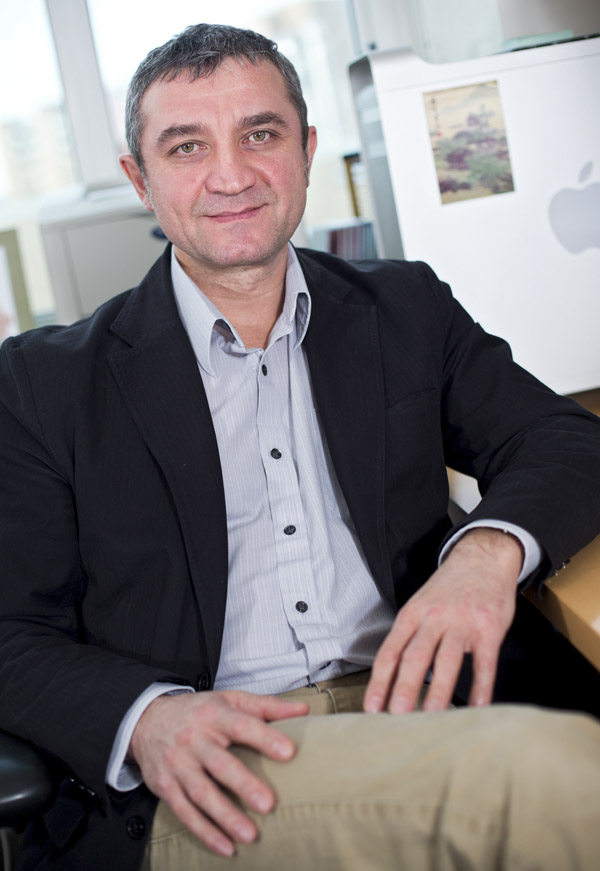
Two years ago, Medzhitov (pictured) was controversially overlooked for the 2011 Nobel Prize in Physiology or Medicine, which went to the discoverer of dendritic cells (Ralph Steinman) and two other immunologists who elucidated key aspects of innate immunity (Bruce Beutler and Jules Hoffmann, with whom Medzhitov shared the 2011 Shaw Prize in Life Science and Medicine, the $1 million ‘Nobel Prize of the East’). At the time, 24 scientists wrote an open letter in Nature arguing that Medzhitov and his mentor Charles Janeway, who died in 2003, should have been recognized by the Nobel Committee for their seminal contribution of cloning a human TLR and showing that it activated signaling pathways that induce adaptive immunity.

However, according to Stefan Kaufmann, director at the Max Planck Institute for Infection Biology in Berlin, the Nobel snub had no effect on Medzhitov’s selection for the new award. Medzhitov “was clearly one of more innovative researchers,” says Kaufmann, who, as president of the International Union of Immunological Societies, served as chair of the award’s executive committee. Plus, he notes, the Else Kröner-Fresenius Award recognizes both past achievements and ongoing research activity, and Medzhitov has an active research program that could aid in the development of new vaccines and anti-inflammatory medicines. (See this commentary that Kaufmann cowrote last year in Nature Immunology for more background on the award.)

The inaugural immunology-themed award was timed to commemorate the 25th anniversary of the death of EKFS founder Else Kröner. Going forward, the foundation expects to grant the award every four years to a different discipline of medical research.

Red blood cell production relies on white blood cell help


Red and white blood cells
Red blood cell production in the bone marrow is a precarious process. Too few RBCs and you can become anemic; too many and you could be suffering from polycythemia vera, a rare, so-called ‘myeloproliferative’ genetic disorder marked by an abnormally high RBC count. Now, researchers have identified a surprising player in the regulation of RBC production under these disease conditions. Reporting online today in Nature Medicine, two independent teams describe the pivotal role of macrophages—amoeba-like white blood cells responsible for digesting harmful foreign microbes and removing old or dying cells—for generating RBCs in both anemic and over-proliferative conditions.

In one study, geneticist Stefano Rivella and his colleagues at the Weill Cornell Medical College in New York administered a drug that selectively kills macrophages in a mouse model of polycythemia vera. In these mice, RBCs are generated at almost twice the normal amount, leading to viscous blood, enlarged organs and increased risk for strokes and heart disease. The drug, called clodronate, appeared to cure these symptoms, however, drastically lowering macrophage population and bringing RBC counts back to normal levels compared with a control group of animals treated with saline.

These findings were independently confirmed by Paul Frenette, a stem cell biologist at the Albert Einstein College of Medicine, also in New York. His team used a genetically modified mouse in which macrophages expressed a gene that made them vulnerable to a toxin and arrived at similar conclusions. “When we depleted macrophages in this disease, we actually corrected the disease,” Frenette says. “Maybe this could be a new therapy for this type of disease, which is unexpected.”

Continue reading

Paid news internship at Nature Medicine

Are you comfortable with the concepts of both gene editing and story editing? If so, we want to let you know that we’re currently accepting applications for our science writing internship.

The intern will be closely involved in the editorial process and write news articles and briefs. This is not a paper-pushing internship! The person selected for the position will be reporting stories and working on editorial content full-time, including this very blog.

Applicants should have completed one year in a graduate program in journalism or have equivalent work experience in journalism. Additionally, a strong understanding of biology and current issues in medicine is required. This four-month, paid internship will start in May or June and be based in New York City or Boston.

The deadline for applications is 10 March 2013.

Please send an email to r.khamsi@us.nature.com with “Nature Medicine news internship” in the subject line and include 1) a cover letter, 2) your resume and 3) three published writing clips.

Injectable gel repairs damage after heart attack in pigs

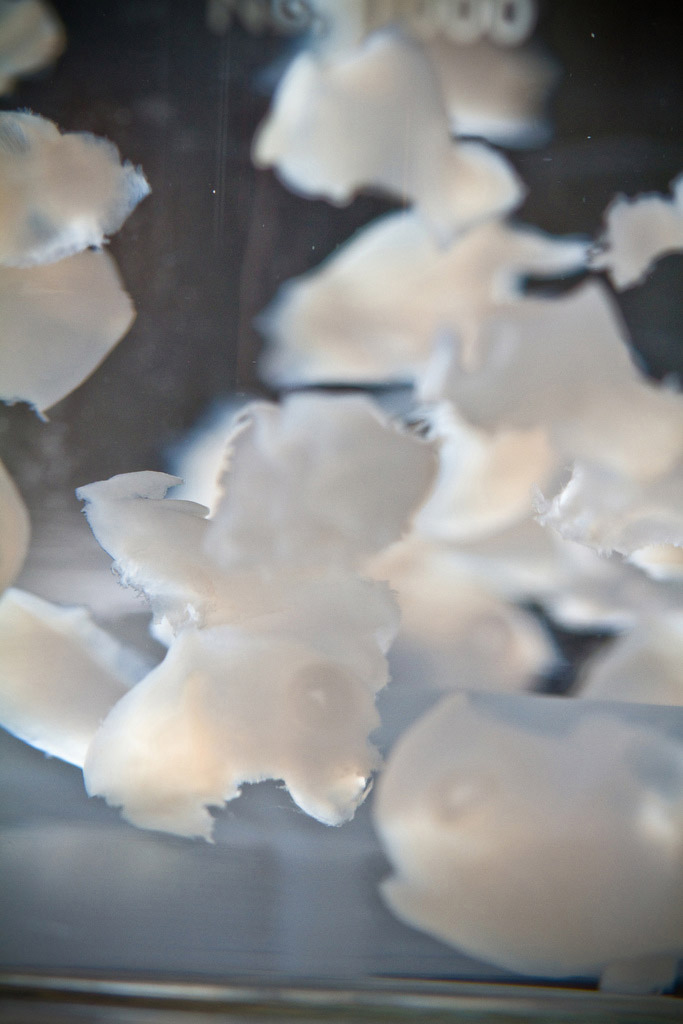
Processed hydrogel floats in a beaker{credit}UC San Diego Jacobs School of Engineering{/credit}

As you read this sentence, on average at least one person in the US will have started to clutch her chest. The blood flow to her heart will become blocked and cardiac muscle cells will start to die off and get replaced with scar tissue. This person has just suffered a heart attack and most likely will go on to develop heart failure, a weakening of the heart’s ability to pump blood and oxygen. In five years time, there’s a 50/50 chance she’ll be dead.

There are currently no treatments that can repair the damage associated with this so-called ‘myocardial infarction’ (MI), but a potential solution is now showing promise in a large-animal model. Reporting today in Science Translational Medicine, a team of bioengineers at the University of California–San Diego (UCSD) has developed a protein-rich gel that appears to help repair cardiac muscle in a pig model of MI.

The researchers delivered the hydrogel via a catheter directly into the damaged regions of the porcine heart, and showed that the product promoted cellular regeneration and improved cardiac function after a heart attack. Compared to placebo-treated animals, the pigs that received a hydrogel injection displayed a 30% increase in heart volume, a 20% improvement in heart wall movement and a 10% reduction in the amount of scar tissue scar three months out from their heart attacks. “We hope this will be a game-changing technology that can actually prevent heart failure after heart attack,” says UCSD’s Karen Christman, who led the study.

Christman and her team developed their hydrogel by stripping muscle cells from pig hearts, leaving behind a network of proteins that naturally self-assembles into a porous and fibrous scaffold upon injection into heart tissue. They previously tested its safety and efficacy in rats, where they found increased cardiac function and no toxicity or cross-species reactivity.

Similar strategies using naturally-derived scaffolding, such as small intestinal submucosa from pigs in wound patching, are well established. The UCSD study now shows the clinical potential of this approach for cardiac regeneration after a heart attack in a large animal that more approximates humans. Christman has already formed a company based on the technology, called Ventrix, and she hopes to move the product into human safety trials within the year.

Jeffrey Karp, a bioengineer at the Brigham and Women’s Hospital in Boston who is working on a glue that can bind cardiac tissue in live rat and pig hearts (as reported in a news feature this month in Nature Medicine), believes this is promising technology. “Promoting regeneration following myocardial infarction is one of the holy grails in medicine,” he says.

But, Karp warns, “it will be important to validate these results in additional pre-clinical studies, and compare efficacy with other approaches prior to marching onward to the clinic.”

Check out the video for the production process of the hydrogel:

Grant winner decided by ‘American Idol’-style public vote

BOSTON — With so many topnotch research proposals seeking funding but only limited grant money to go around, deciding which among the best of the best projects to support is no easy task. What if you have a number of equally commendable applications and you don’t know how to break the tie? Usually, a panel of experts will weigh the merits of the various projects and come to some consensus behind closed doors. But in an unconventional twist, the Brigham and Women’s Hospital (BWH) has opted to let the general public act as scientific judge and jury.

After six weeks of online voting and nearly 6,500 votes cast, the decision was in. Today, the Harvard-affiliated hospital announced that a project designed to explore how best to integrate genomic sequencing into routine medical care for healthy newborns had won the inaugural BRIght Futures Prize. The project’s leader, clinical geneticist Robert Green, and his team received a $100,000 research grant from the BWH’s Biomedical Research Institute (BRI).

“I’m not sure if there’s any other example where an academic institution has allowed the public to decide to whom they’ll give some of their hard-earned, hard-raised research money,” says Jacqueline Slavik, executive director of the BRI.

“Our goal was really to engage the Brigham community at large,” adds Lesley Solomon, director of strategy and innovation at the institute. “We want the world to know about the breadth and depth of the research that goes on here.”

It may sound akin to a popularity contest, but Slavik and Solomon are quick to point out that all three finalists for the prize had gone through a rigorous, behind-the-scenes, peer-reviewed vetting process before reaching the final stage. Review committees with expertise in personalized medicine and systems immunology—the two subject areas for which the BRI solicited proposals for the prize—winnowed the list of applicants down to a series of semifinalists. Each selected applicant made an in-person pitch to the BRI’s Research Oversight Committee, which ultimately chose the three proposals that were presented to the public. The three finalists then worked together with the hospital’s public affairs team to create a series of videos and brief nontechnical descriptions about the projects that were hosted on the voting site.

“It’s a new way of trying to decide who gets the money when you have equally meritorious projects,” says Slavik. “We could flip a coin,” she quips. Instead, by engaging the public, “we achieve several goals at once,” without sacrificing scientific rigor.

Continue reading

Insurance challenges may lie ahead for New York labs hit by hurricane

At the end of turbulent week, the extent of the damage caused by Hurricane Sandy on biomedical research in the Northeast remains unclear, particularly at New York University’s Smilow Research Center, which flooded during the storm. The most devastating loss at the labs there may be the death of thousands of genetically modified mice and rats, and these animals represent the culmination of many years of research and thousands of dollars in funding. Although the cages the rodents lived in may be insured, it’s likely impossible to recoup the money and time spent to engineer the animals themselves. Biomedical scientists may not think about the insurance needs for their labs on a daily basis, and as some Nature Medicine spoke with, it’s not always easy to get experiments up and running even when insurance is in place.

The accident in May at the McLean Hospital in Belmont, Massachusetts, may provide a glimpse of the challenges ahead for local labs. Around 50 brains from individuals with autism were ruined when the freezer they were stored in malfunctioned, warming up without setting off any of the in-place indicators. The hospital will likely receive reimbursement for the failing freezer, and compensation for new freezers the hospital has had to rent in the interim, but there will likely be no reimbursement for the brains themselves, says Peter Paskevich, senior vice president of research administration at McLean. Money can’t buy back what they lost, Paskevich adds: “We could get half a million dollars for the autism collection but it doesn’t matter — it’s still going to take 20 years to replace it.” McLean is currently negotiating with a private insurance company that will cover the accident, though the dollar amount has not been decided.

Other universities are primarily self-insured, meaning the university compensate for such disasters with their own funds that they set aside earlier, says George Stancel, executive vice president for academic and research affairs at the University of Texas Health Science Center in Houston. UTHealth experienced flooding and damage after Hurricane Allison in 2008, and relied on primarily on its self-insurance, though its buildings were insured through a separate insurer. The Federal Emergency Management Agency (FEMA) also helped with repairs and rebuilding labs, Stancel says.

Similarly, when the University of Iowa, in Iowa City, experienced severe flooding in 2008, it also relied on help from FEMA as it rebuilt, as it was primarily self-insured, says Mark Arnold, a chemist at the university.

It’s currently unclear what type of insurance policy NYU will rely on as it begins to rebuild; it is busy coping with the damage and has yet to respond to requests for comment from Nature Medicine. But in the meantime researchers at other intuitions who have endured damage from other natural disasters offer the following advice on how to start rebuilding to scientists affected by the storm this week:

  • Take inventory. In sorting through all equipment, take detailed notes of what has been damaged and what may have been damaged. FEMA and most insurance companies require detailed inventory lists for reimbursement, Stancel says, and Arnold warns that even if something seems to be working right now, it may still have suffered damage, so noting its exposure now is critical for reimbursement.
  • Keep track of time. As researchers, graduate students and laboratory assistants are reentering labs and attempting to move precious items to safer locations, keeping track of time may mean that the insurance company could reimburse these hours down the road.
  • Call the program officers who are responsible for labs’ funding to see if there is any option for extending research deadlines or securing supplemental research funding. The NIH extended deadlines for researchers at UTHealth following Hurricane Allison, Stancel says.
  • Help graduate students get on a fast track. Losing research is most devastating for graduate and PhD students who are attempting to complete research in a set period of time. Stancel, who was dean of the graduate school when Hurricane Allison hit, says he immediately asked graduate students to start rethinking their projects. Having them work at and with other laboratories helped alleviate the time crunch, he says.
  • Consider how buildings may be rebuilt and redesigned so this doesn’t happen again. While the desire to get labs rebuilt will be immediate, taking some time to decide what the best path forward for prevention of a reoccurrence of the situation is worthwhile. For example, Stancel moved all of the animal laboratories from the basement to the fifth and sixth floors to prevent animals from drowning in future floods.
  • While most insurance policies don’t have a way to reimburse researchers for their lab animals, which hold so much work, collaborating with other researchers who have done similar work may help to quickly rebuild at least parts of the populations that were lost. Yariv Houvras, who studies zebra fish at Cornell Weill Medical School in New York City says that because he’s distributed lines of his fish to other researchers, he could get similar lines back in the case of a disaster. Researchers at the University of Pennsylvania in Philadelphia, and Cold Spring Harbor Laboratory in Cold Spring Harbor, New York, have already made offers, according to The New York Times.
  • Raise money for research. While funding agency want to help researchers, Arnold says the University of Iowa received limited extra funding after their flood disaster, because research funding is so tight. In the case of Hurricane Sandy, it may be possible to set up a relief fund, as New York and the surrounding area are receiving “national and international attention.”

Got extra tips? Leave them in the comments section, or tweet at us — @NatureMedicine.

Image: NOAA

Global vaccination coverage improves, but rotavirus gap is wide

Over the past year, Rwanda, Ghana, Malawi and Yemen have all joined the growing list of developing countries that have introduced vaccines against rotavirus as part of their standard national immunization programs. Yet the vast majority of the world’s children still remain at risk of infection by this vaccine-preventable pathogen, which can cause fatal gastrointestinal disease. And the situation isn’t much better for several respiratory diseases, either.

According to the latest global survey of routine vaccine coverage, tens of millions of children last year missed out on some or all of the basic recommended immunizations.

The rotavirus vaccine as well as the pneumococcal conjugate vaccine, which protects against Streptococcus pneumoniae, were administered to less than 15% of all kids outside the Americas and Europe, the report found. Similarly, global coverage of the Haemophilus influenzae type b vaccine, which protects against a bacterium responsible for bacteremia and pneumonia, among other diseases, was only 43% last year among youngsters, despite the shot being recommended in routine childhood vaccination schedules in more than 90% of the world’s nations.

The findings (see chart) were reported today jointly by the World Health Organization (WHO), the US Centers for Disease Control and Prevention and the United Nation’s Children Fund.

There is reason for optimism, though. More than four in five children worldwide now routinely receive the four lifesaving vaccines that the WHO began recommending in 1974. These include the diphtheria-tetanus-pertussis (DTP), bacille Calmette-Guérin, oral poliovirus and attenuated measles vaccines. By comparison, forty years ago less than 5% of all children received a full dose of the DTP vaccine, for example.

“The report offers us gold medals in some places and offers us challenges in others,” says William Schaffner, a vaccine specialist at Vanderbilt University School of Medicine in Nashville, Tennessee.

Efforts are now in place to boost all these numbers. Earlier this year, the WHO’s World Health Assembly adopted a global vaccine action plan that outlines plans to meet certain immunization target levels in every region, country and community in the world by the end of the decade.

Paid news internship at Nature Medicine

We’re looking for a person who is passionate about biomedicine and journalism to join our team as a news intern.

The intern will be closely involved in the editorial process and write news articles and briefs. This is not a paper-pushing internship! The person selected for the position will be reporting stories and working on editorial content full-time, including this very blog.

Applicants should have completed one year in a graduate program in journalism or have equivalent work experience in journalism. Additionally, a strong understanding of biology and current issues in medicine is required. This four-month, paid internship will start in October and be based in New York City.

The deadline for applications is 8 October 2012.

Please send an email to r.khamsi@us.nature.com with “Nature Medicine news internship” in the subject line and include 1) a cover letter, 2) your resume and 3) three published writing clips.