Natural virus-killing RNA mechanism found in mammals

It’s Nobel week. And while all eyes are on this year’s winners of the medicine/physiology prize for their work on cell transport mechanisms, it’s worth looking back at another award granted seven years ago to the discoverers of RNA interference (RNAi), the biological process by which small RNA molecules inhibit gene expression. In recent years, various RNAi therapies have entered clinical trials, including one that researchers reported earlier this month can drastically reduce cholesterol levels. But although scientists know that the biological machinery for RNAi is conserved in humans and can be exploited for therapeutic purposes it has been unclear whether the system is ever put into play under natural circumstances like it is in plants and invertebrates.
NvirusNow, a pair of papers published in today’s issue of Science offers the most concrete evidence to date that humans and other mammals indeed use RNA to fight off their viral intruders. “This work is very important, because there’s no longer a question that mammals ever have an RNA-based antiviral response,” says Chris Sullivan, an RNA researcher at the University of Texas at Austin who was not involved in the research.

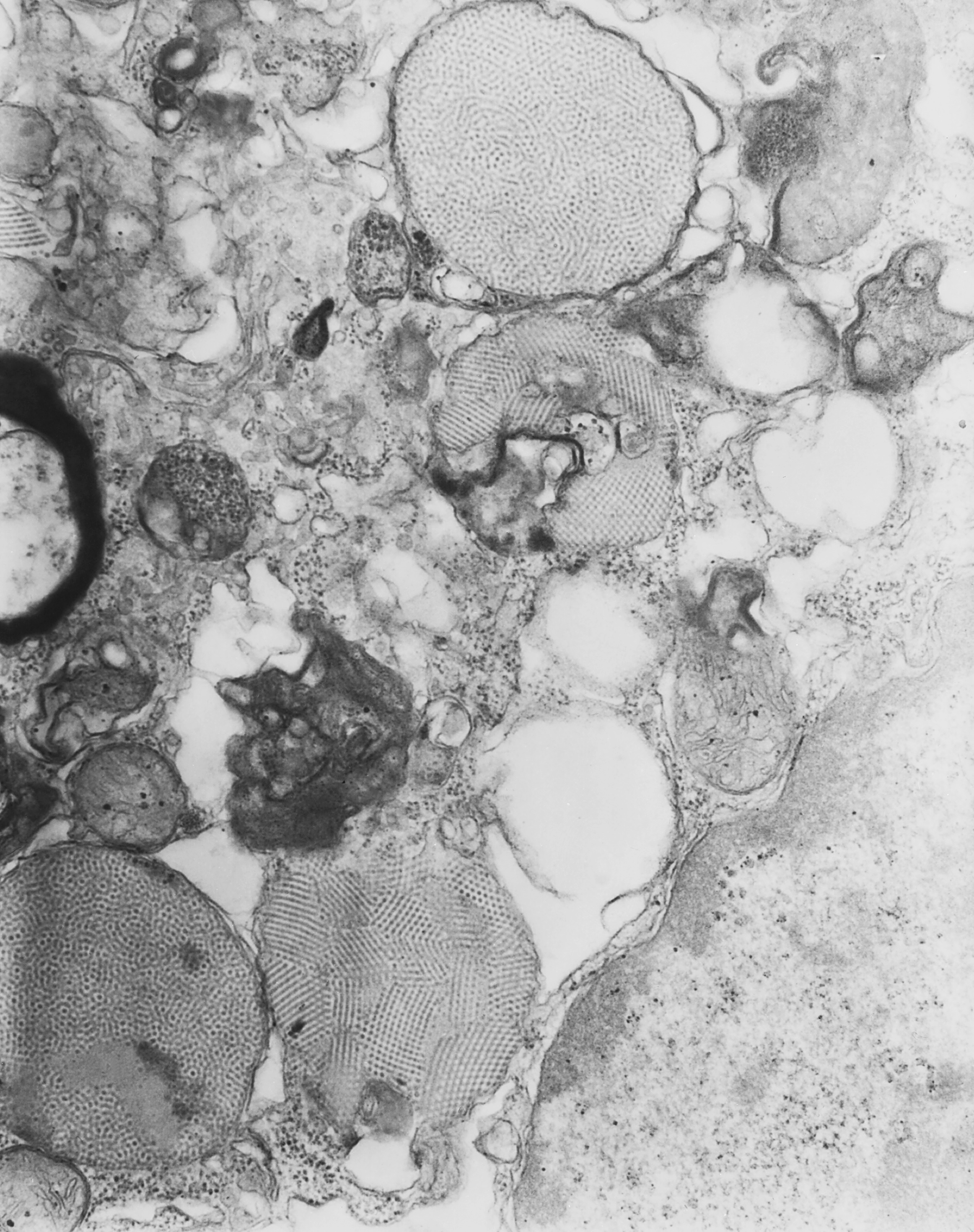
In these new studies, researchers from the University of California–Riverside (UCR) and the Swiss Federal Institute of Technology in Zurich infected either mice or embryonic mouse cells with a type of mosquito-transmissible RNA virus called the Nodamura virus (pictured here). After infection, they observed the accumulation of short RNA strands with all the signature features of an antiviral RNAi response. A viral protein called B2 could block the production of a host cell’s interfering RNA. But without this protein, the viruses were cleared by the RNAi mechanism—both in vitro, as the Zurich team showed, and in vivo, as demonstrated by the California researchers.

Although scientists have looked for this type of mechanism in mammals before, they’ve come up empty handed. Shou-Wei Ding, a UCR microbiologist who was involved in both research efforts, thinks those negative results probably arose because previous studies used viruses that inhibited RNAi, as Nodamura does if its B2 protein is intact. “This mechanism has been hidden from us until we were able to remove the suppressor the virus uses to block the antiviral RNA production,” he says.

Ding says it’s far too early to say whether this research could yield a druggable pathway. The next steps are to look for the suppressors that other viruses may use to block this line of RNA defense.

Image courtesy of the Centers for Disease Control and Prevention/ Dr. Fred Murphy; Sylvia Whitfield
Whole-exome sequencing rises to top in largest clinical application for undiagnosed disease

Numerous studies have demonstrated the promise of whole-exome sequencing, which focuses on the protein-coding regions of DNA, but the clinical use of this technology has remained limited. Now, the largest report of results from this technology in a population of patients with undiagnosed disease of suspected hereditary origin highlights that the value of this testing is considerable, and that it can even uncover recessive mutations not previously linked to a given disease.

There are an increasing number of genetic tests for various illnesses, and doctors faced with a difficult-to-diagnose patient will order tests that look for mutations in a predetermined set of genes or larger chromosomal abnormalities, such as that detected by karyotype analysis. But the diagnostic success rate of such assays disappoints: karyotype analysis is only about 5% to 15%, and other methods generally fall below 20%.

A pilot study published today in the New England Journal of Medicine offers hope. It suggests that whole-exome sequencing might have as high as a 25% success rate in solving these hereditary disease mysteries. “For years we’ve known that whole-exome sequencing can identify new disease-causing mutations,” says Yaping Yang, a clinical geneticist at the Baylor College of Medicine in Houston and a study coauthor. “But this puts it on the map as a tool for clinical medicine.”

The researchers offered whole-exome sequencing, which cost about $7,000, as part of the medical care given to 250 people with undiagnosed diseases—many of whom were pediatric patients—who were referred by physicians after other methods, microarray analysis or tests looking at a single gene, failed to pinpoint the source of their illness. Whole-exome sequencing resulted in a genetic diagnosis for 62 of the patients, 20 of whom had autosomal recessive diseases—a less common finding because both parents must pass along a faulty copy of the given gene for clinical symptoms to arise. In some cases, patients had recessive mutations that hadn’t previously been reported as associated with their disease. For example, the researchers found one patient with two mutated copies of the spastic ataxia of Charlevoix-Saguenay gene, or ‘SACS’ gene, which included a new DNA deletion not previously known to cause this progressive movement disorder.

Continue reading

Cytomegalovirus—a ‘stealth’ pathogen—gains attention in the drug development realm

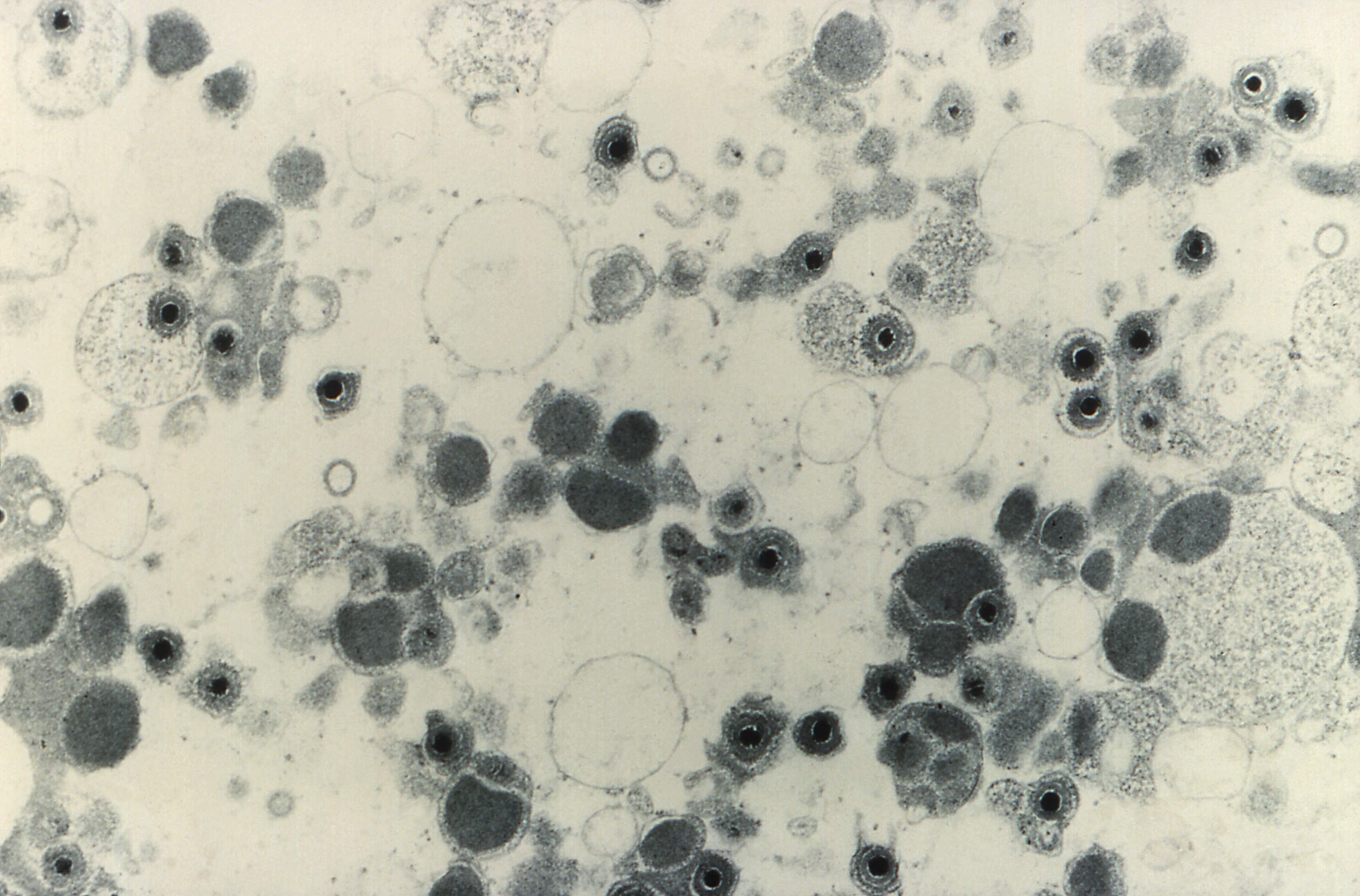
OCytomegalovirus is sometimes called ‘the stealth virus’ because many people, including more than 50% of adults in the US, harbor the infection. But few individuals ever feel the effects of CMV unless something else squelches their immune system first—such as the immunosuppressing drugs given before a bone marrow transplant. Wherever the virus gains a foothold, it can create serious problems such as pneumonia, unrelenting diarrhea or inflammation in the eye. It’s also the most common viral infection in newborns and 1 out of every 750 infants born with CMV in the US will suffer permanent harm—hearing loss, brain damage, or even death—from this virus.

At present, more than three-quarters of people being treated for CMV infection who receive the antiviral drugs ganciclovir or valganciclovir respond to therapy. Both medications stop the virus from replicating, but they only work as long as the treatment is given. So the virus can make a comeback later on. Also, these drugs lower white blood cell counts, making it harder for the immune system to fight CMV on its own. If the virus develops resistance to these first-line drugs, then there are effective back-up treatments with foscarnet and cidofovir, but these compounds can cause kidney damage.

One new option, described in a paper published today in the New England Journal of Medicine, is an investigational drug called CMX001 that shows about the same efficacy as the current drugs. CMX001, also called brincidofovir, is a less-toxic, lipid-coated version of the current second-line drug, cidofovir. But this drug escapes the toxic kidney problems seen with cidofovir and doesn’t cause a drop in white blood cell counts. Additionally, CMX001 can be given in a pill form, an advantage over some of the other drugs used against CMV that must be injected intravenously.

“There’s a perception in the scientific community that we need to do better in our treatments for cytomegalovirus. This drug is better than what we’ve had,” says first author on the paper Francisco Marty, an oncologist at the Dana-Farber Cancer Institute in Boston.

Continue reading

Surprising epigenetic switch for ‘natural killer’ cells eyed for cancer therapy

NKcellsNatural killer cells are the instant assassins of the immune system with the ability to destroy foreign invaders and cancer cells at first sight. Although scientists have been studying how to harness the lethal abilities of these cells for more than three decades, little has been known about how these ‘NK’ cells develop from unspecialized immune cells. Now, researchers have discovered an enzyme that uses an epigenetic pathway—a process that modifies the way a cell’s DNA is read without actually changing the genetic blueprint itself—to boost the growth and function of NK cells.

NK cells could be a boon to cancer immunotherapy. These immune system soldiers are on constant surveillance duty, so it’s thought that they could eliminate the stray tumor cells that often elude chemotherapy. More than two dozen clinical trials to enhance NK activity against cancer are currently underway.

However, none of these drugs in development takes an epigenetic approach. That might be a mistake, in light of a study published today in the Proceedings of the National Academy of Sciences. A team of scientists led by Si-Yi Chen, an immunologist from the University of Southern California’s Norris Comprehensive Cancer Center in Los Angeles, shows that the enzyme MYSM1 (which stands for Myb-like, SWIRM and MPN domain-containing protein 1) controls the final steps of NK cell maturation through epigenetic changes. They suggest that increasing levels of this enzyme could help fight cancer by boosting the numbers of mature NK cells on patrol.

“It’s a very important contribution to our understanding of NK cell development,” says Porunelloor Mathew, a cancer immunologist at the University of North Texas Health Science Center in Fort Worth, who was not involved in the study.

Continue reading

Experimental leishmaniasis vaccine could overcome challenge of multiple species

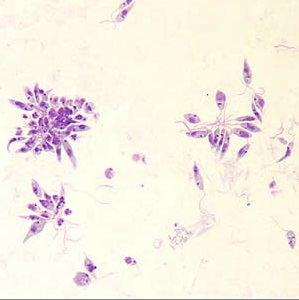
L. DonovaniMost of the 12 million people currently infected with leishmaniasis worldwide are also afflicted with poverty. The ‘black fever’ is caused by a single-cell parasite that gets passed from one person to another by the bite of a tiny sand fly and produces disfiguring skin lesions, severe mouth and throat ulcers, or swollen internal organs. In 2005, the ministers of India, Bangladesh, and Nepal committed to a ten-year plan to eliminate infections of Leishmania in their region. Two years later, the World Health Organization (WHO) adopted a resolution to take control of the disease.

The problem of defeating the pathogen is complicated, though, in part because there are more than 20 species of Leishmania, linked to three distinct clinical manifestations of the disease. In visceral leishmaniasis, the most fatal form, species such as Leishmania donovani infiltrate the liver, spleen, and bone marrow, crowding the host’s cells and overwhelming the immune system. A new study published today in Science Translational Medicine offers hope: immunologist Amitabha Mukhopadhyay of the India National Institute of Immunology in New Delhi and his colleagues describe a new vaccine that completely blocks the parasite from causing visceral leishmaniasis in mice and hamsters by targeting a receptor that they say is common to many forms of the parasite.

Progress in preventing visceral leishmaniasis would be welcome. Even though the disease can often be cured with antibiotics such as amphotericin B, or paromomycin, which is given with the anti-cancer drug miltefosine, these treatments can have severe side effects. Miltefosine has been linked with higher incidences of resistant forms of the disease. Also, for reasons the researchers don’t yet understand, drugs that work well against Leishmania infections in India are only about 80% effective against the same parasites in other regions, such as East Africa. “Visceral leishmaniasis has a pattern of causing outbreaks every eight to twelve years,” says Jorge Alvar, head of the leishmaniasis clinical program at the Drugs for Neglected Diseases initiative (DNDi), headquartered in Geneva. “So even if we had a good treatment, an effective vaccine would make a lot more sense.”

Continue reading

Researchers less willing to share study details, according to journal’s survey

Researchers are increasingly reluctant to share the background details of their studies with other scientists according to new results from a survey of authors who published papers in the Annals of Internal Medicine in the last five years. This downward trend in researchers’ willingness to disclose such information is, unfortunately, at odds with the current surge in efforts to facilitate access to the types of study specifics that are vital to reproducing results.

Increasing transparency in research—by sharing the nitty-gritty details of studies that don’t make it into the published accounts, such as preliminary qualifying test results for clinical trial participants—is a hot topic. A report released on 29 March by the Institute of Medicine (IOM) based in Washington, DC, entitled “Sharing Clinical Research Data: A Workshop,” concluded that giving other scientists access to information from studies was increasingly important for the research community. But the report did acknowledge that researchers sometimes have fears that the data they share, for example clinical results, might be misused or misinterpreted if not enough attention is given to how the data were originally collected.

“The biomedical industry lags behind the rest of the world in how we share information,” says Sharon Terry, chair of the IOM workshop committee and president of the Genetic Alliance, a Washington, DC-based health advocacy group that focuses on issues related to gene testing. “We need to catch up with the other industries that have figured out ways to share data and still protect it.”

In the new survey, a majority of researchers said that they would be willing to share study materials with their colleagues, according to the results presented by Christine Laine, the editor-in-chief of the Annals of Internal Medicine, at the International Congress on Peer Review and Biomedical Publication held in Chicago today.

The findings came from theoretical questions answered by 389 respondents who published papers in the Annals of Internal Medicine between 2008 and 2012. During that period, 71% said they would share their study protocols beyond what was in the methods, and 72% were willing to share the full statistical methods used to analyze the data, including the computer algorithms employed. However, only 54% were willing to share all the data collected during the study, including information that didn’t end up being in the final report. Most of the researchers who answered the survey questions also added extra provisos under which they would share these types of information; for example some would only do so in response to a personal request from an interested party (rather than depositing the information in, for example, an online data bank).

Downward trend

What concerns the surveyors most is that over the five-year survey period the responses showed a noticeable decline in scientists’ willingness to share details about their study protocols. Based on the replies to the theoretical questions, around 80% of the survey respondents in 2008 said they would share additional details about their study protocols, beyond what is described in the methods section of the paper, but by 2012 only 60% were willing to provide colleagues with that information, a significant difference. There was a similar—but not statistically significant—slip in researchers’ willingness to share data. When the survey started, about 60% of researchers said they’d share raw data, but five years later that number had dropped to 45%.

Continue reading

A comprehensive virus survey now could save billions in avoided health care costs later, experts say

smallbat

Imagine if pandemics could be forecast by infectious disease scientists the way that bad weather can be tracked by meteorologists. New viruses would still infect people, but the cost of monitoring the emergence of those novel pathogens would be far less than the expense of dealing with a worldwide outbreak. At least that’s the reasoning behind a new study, published today in mBio, in which researchers propose launching a billion-dollar-plus global surveillance plan to find all the viruses lurking in mammalian wildlife before those same viruses find us.

A consortium of scientists, funded by the US Agency for International Development (USAID), headquartered in Washington, DC, estimated that at least 320,000 viruses remain unidentified in the world’s 5,500 mammals. They argue that the cost of systematically searching for those new viruses would pale in comparison to the estimated $16 billion another epidemic such as SARS could cost.

That epidemic, which started in China in 2003 after a coronavirus carried by bats and palm civets started infecting humans, eventually killed more than 700 people and spread to 37 countries worldwide. The ongoing outbreak of Middle East respiratory syndrome (MERS) hasn’t yet reached such pandemic levels. But with 108 laboratory-confirmed cases of infection in nine countries, including 50 deaths, public health officials remain on high alert.

Eric Delwart, a virologist at the Blood Systems Research Institute in San Francisco who was not involved in the study, describes the virus-hunting proposal as “a feasible approach” to looking for zoonotic diseases that animals could transmit to humans. “This study provides one of the first data-based estimates of the scope of the viro-diversity which humans and their livestock have to face and from which the next viral epidemic will emerge,” he says. “Although other people have looked at pathogen levels before and estimated that there are two new human viruses coming each year, we don’t know where they’re coming from.”

Continue reading

Mouse study illustrates how foreign herpes DNA triggers immune response

Herpes_vironFor the immune system to do its job in fighting off disease, it first has to be able to detect foreign intruders. Scientists have known for some time that when bacteria, viruses and other pathogens set off alarms in the immune system, this leads to the production of molecules such as interferon that rev up the body’s defenses. But until now, researchers lacked evidence from animal experiments to back up the theory of how the DNA from these pathogens first triggers this immune-activating cascade in the immediate, ‘innate’ immune response.

Previously, immunologist Zhijian “James” Chen, of the University of Texas Southwestern Medical Center in Dallas, and his colleagues showed that when bacteria or viruses wile their way into host cells—either by tricking cell receptors to allow entry or getting engulfed by the cell membrane—their foreign DNA activates an enzyme called cyclicguanosine monophosphate–adenosine monophosphate synthase (cGAS). This enzyme then binds to the intruder’s DNA and triggers the next step in the cascade of immune events: the production of a second messenger, a small molecule called cyclicguanosine monophosphate–adenosine monophosphate (cGAMP).

In a mouse study published online today, Chen’s team demonstrates evidence of cGAS activity, in vivo, against infectious agents such as herpes virus, which uses DNA as its genetic material (unlike influenza or rotaviruses, which are examples of RNA-based pathogens).

The researchers exposed five mice that they had genetically engineered to lack cGAS to herpes simplex virus 1 (HSV1). All of those mice died from viral encephalitis, as did five control mice that also were exposed to the virus. Crucially, though, several of the mice engineered to lack cGAS died three days after exposure and had high titers of HSV1 in their brain tissue, whereas their control counterparts died beginning on the sixth day and had no detectable HSV1 in the brain. The cGAS-deficient rodents also had markedly lower levels of interferon—a key signaling molecule in of the immune system—indicating that mice without cGAS couldn’t mobilize an effective immune defense.

The role of cGAS show in the earlier in vitro study and this new rodent experiment has impressed other scientists. “This is a brand new antiviral mechanism that we didn’t know before,” says Luke O’Neill, a biochemist at Trinity College in Dublin, Ireland. “This research has really galvanized the field.”

Continue reading

Discovery of gene variant lends muscle to understanding of statins’ side-effects

Statin

The global market for statins has reached heart-stopping proportions, registering at almost $20 billion in 2012. In the US, one out of every four adults over the age of 45 is on statins, making these medications one of the leading types prescribed. The drugs work by lowering the liver’s production of low-density lipoproteins, also known as ‘bad’ cholesterol, which form the artery-clogging plaques that can lead to heart attack. But statins can cause significant side effects, ranging from sleeplessness to an increased risk of type 2 diabetes and potential liver damage.

One of the most common side effects is muscle pain and injury, which afflicts up to 38% of people taking statins. Now, researchers have hit upon a new gene variation that could explain why some individuals are less prone to this type of adverse reaction to such drugs.

The scientists themselves sound surprised at the discovery. “We weren’t focused on finding the cause of the muscle damage,” says Ronald Krauss, director of atherosclerosis research at Children’s Hospital Oakland Research Institute in California and lead author of the new study, which appears online today in Nature. “We were looking at cell lines from patients on statins to discover new gene variants and we found one that affects how the drug works.”

It’s not the first effort to look at statin side effect risks though the lens of genetics. Five years ago, researchers found that individuals on high doses of simvastatin—a statin marketed as Zocor by New Jersey-based Merck—who also carried a specific variant in the SLCO1B1 gene were fifteen times more likely to have muscle pain and injury, also known as myopathy. Based on these findings, which also correlated with markedly higher blood levels of a muscle damage biomarker, the US Food and Drug Administration set new guidelines recommending alternative medications for patients who need more than 40 milligram a day of simvastatin to lower their cholesterol.

Continue reading

Intravenous vaccine for malaria offers robust protection in small clinical trial

mosquito

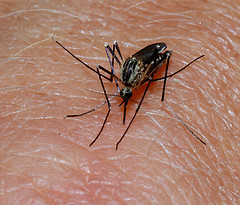
Almost half the world’s population lives in areas where malaria infection is a risk, yet no licensed vaccines exist to prevent this red blood cell parasite from causing almost half a million deaths each year. However, in a study published online today in Science, researchers report on a new vaccine that provided remarkable protection against Plasmodium falciparum, considered the deadliest of the four malaria strains.

“With this intravenous vaccine, we are striving to reach the World Health Organization goal of a [malaria] vaccine with 80 percent efficacy by 2025,” Anthony Fauci, director of the US National Institute of Allergy and Infectious Diseases (NIAID), in Bethesda, Maryland, told Nature Medicine. The clinical study was led by Robert Seder, an immunologist at the NIAID Vaccine Research Center, and involved a vaccine developed by Stephen Hoffman and his colleagues at Sanaria, a biotechnology company based in Rockville, Maryland.

Scientists have spent decades trying to block Plasmodium infections at different stages of the parasite’s life cycle—from the sporozoite that migrates out of the mosquito salivary gland and into host liver cells, to the merozoites that invade red blood cells before further developing into reproducing gametocytes.

To date, only one experimental vaccine, called RTS,S or Mosquirix, developed by GlaxoSmithKline Biologicals and the PATH Malaria Vaccine Initiative, with funding from the Bill & Melinda Gates Foundation, has demonstrated a consistent protective effect. It is made with a combination of antigens from part of a sporozoite and a hepatitis B virus surface receptor. Early results suggested that three doses of the vaccine could cut the risk of infection among children aged 5 months to 17 months by half. But last year the results of a phase 3 clinical trial indicated that it offered only about 30–35% protection when given to infants between 6 weeks and 12 weeks of age.

Seder and his colleagues set their sights on developing a vaccine with at least 80% efficacy and also decided to focus on stopping malarial infections at the sporozoite stage—before the parasite ever gets into the red blood cells. The phase 1 clinical trial reported today included a total of 34 adults completing a series of intravenous vaccines at varying doses, with the most promising results at the highest dose levels. Six adults who received five vaccine injections at the highest dose all showed complete protection after they were subsequently infected deliberately with P. falciparum, while six of nine adults who received a series of four of the high-dose vaccines experienced similar protection following the immunization schedule.

Continue reading