University drops test scores from graduate-admissions criteria

PhD students have led a successful push for greater inclusivity of under-represented groups in science, technology, engineering and maths.

{credit}Cody Anthony Hernandez{/credit}

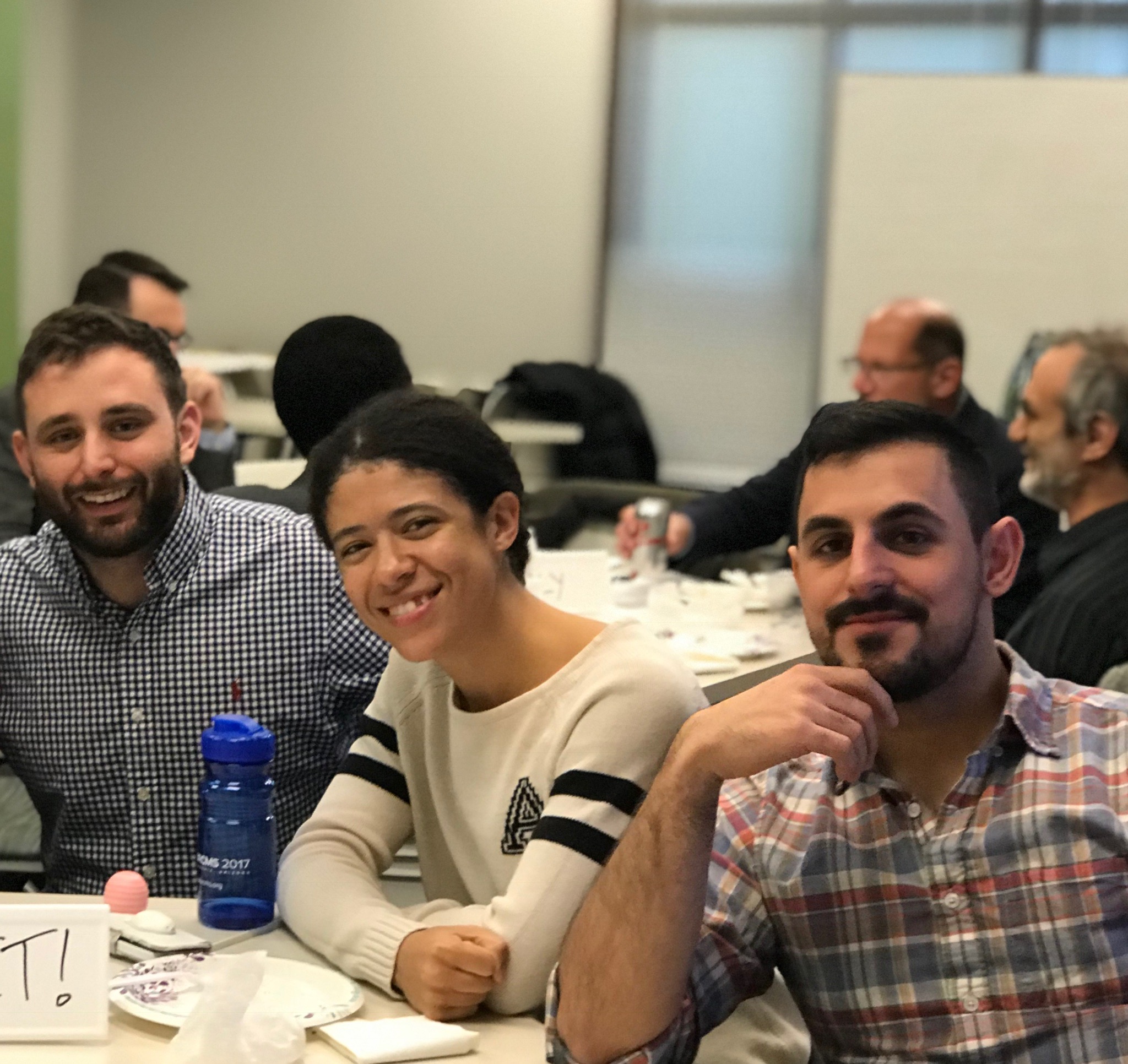
Above, GRIT co-founders Cody Hernandez, Christina Roman, and Mat Perez-Neut, PhD students at the University of Chicago in Illinois, take a break.

By Kendall Powell

Continue reading

Isolation and alienation force female researchers out of US tech jobs

US corporate training programmes aimed at retaining female researchers in technology may be focussing on the wrong targets.

IMG_4078

A report, out on 7 February in Information Systems Journal, examines the results of in-depth interviews with 23 women in information-technology jobs across nine US firms, including consultancies, a bank and an insurance company. Study authors sought to identify the challenges faced by female researchers in industrial technology positions. Continue reading

How to work with a scientific recruiter

Recruiters should be considered as business partners, not as mentors or advisors, says Tina Persson.

Tina-Persson-Naturejobs-blog

Tina Persson{credit}image credit: Andy Foster{/credit}

Tina Persson, based in Sweden, worked as recruiter and talent sourcer for 7 years, connecting scientists with industry employers, specifically in life sciences and IT sectors. Having experienced life as an academic (Professor at Lundt University until 2006), she is perfectly placed to understand what academics want, and how she can help them. In this interview I asked Tina if she could tell us a little more about what a recruiter is, how academics can work with one and how they can benefit from the relationships that form.

Tell us a little bit about your background as a recruiter.

I started my career as recruiter after leaving academia, where I had been an Assistant Professor in the faculty of chemistry, and the move was seen by many of my fellow academics as a failure. My first year as recruiter was a mental struggle, because of this feeling of failure, but I got through it with the thought that as an academic recruiter outside of academia, I could support more academics in their career development, compared to being a Professor.

As recruiter I quickly realised I was so much more than just a scientist! I could transform most of the soft and technical skills (analytical thinking, being self-driven, hard-working, ambitious, goal oriented, used to dead-lines, coordination experience, project management and trained in computer tools) that I had picked up in academia into useful skills. I did find that I was missing a few of important skills like team management, business-mind-set, sharing attitude, working with a blend of people with no academic background amongst others. But these were simple to learn on the job. Continue reading

Trends in the wording of job adverts

Personal drive has replaced the ability to cooperate as the most requested characteristic in job adverts, according to a study of recruitment advertising in Sweden from 1955 to 2005.

Karin Helgesson, who studied the wording of job adverts for her doctoral thesis at the University of Gothenburg, found that being driven, able to cooperate and able to work independently have been the three most frequently cited requirements for the majority of the 50-year period, with personal drive taking the top spot since 2000.

The study also suggests there has been a change in attitude from employers towards employees over the past decade. “Ads from the last ten years or so tend to focus more on the employee,” says Helgesson. “Employers who used to offer workers the security of belonging to large and successful organisations have become partners who are offering their co-workers personal development and stimulating work tasks.”

Have you noticed any other trends in recruitment adverts over the past 10 years? Share your thoughts below.