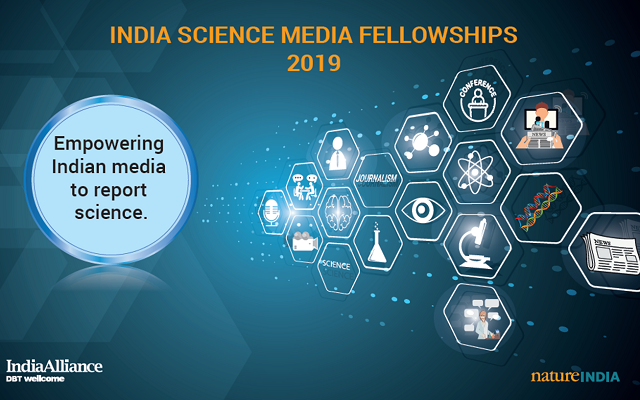
India Science Media Fellowships 2019

Nature India and the Wellcome Trust/DBT India Alliance jointly launched the India Science Media Fellowships 2019 on 27 February 2018, the eve of India’s National Science Day, to encourage the coverage of science in the Indian media (press release  here).

The 2019 fellowships are open to Indian journalists interested in reporting on life sciences, specifically biomedicine, application-based or basic biological research and health. The fellowship will provide a grant of INR 100,000 to five grantees selected through a nation-wide call for applications.

Selected fellows will have the opportunity to create a strong body of work in science journalism by publishing or broadcasting stories in their respective media outlets. The larger objective is to enable and enrich public understanding of science and related policy issues through these stories.

Five selected fellows will be invited for a two-day orientation workshop in New Delhi in April 2019. They will have the opportunity to connect with science and communication experts and mentors to discussed nuanced science writing and communication as well as the means and methods of impactful reportage.

Fellowship: The Fellowship is meant to cover expenses incurred for field travel, research and writing/broadcasting. This will be paid in two instalments; one at the beginning of the fellowship and the other on completion of publishing the required number of stories.

Fellowship Themes: Applicants can choose to focus on life sciences, biomedicine, application-based or basic biological research, and health. Media fellows can look at ongoing research in laboratories and centres of higher learning, scientific conferences or peer reviewed science and elsewhere for their story ideas during the fellowship. Possible story sources and mentors will be discussed during the workshop.

Eligibility: Professional journalists, including freelancers, in print, broadcast or new media in English or any Indian regional language, with at least three years of demonstrated experience in writing on science or related issues. Fellows who choose to write in a regional language should be proficient in written English too.

Duration of Fellowship: Six months, during which fellows must complete their submissions.

Fellowship Criteria: Fellows must produce at least five stories (each 1000 words or more) on the selected topic. Two short news items (500 words each) will constitute one story, and if a fellow opts to produce only news stories then ten stories will be required for completion of the fellowship. Similar guidelines will be in place for selected radio, television or multimedia journalists.

Application Deadline: 28 March 2019. Selected applicants will be notified within 15 days.

To apply for the Fellowship, please complete the online application form here: www.bit.do/ISMF2019. Please use only Google Chrome to submit this form.

For enquiries, please write to ISMfellows@gmail.com

Why ‘hike fellowship’ is a recurrent war cry for India’s researchers

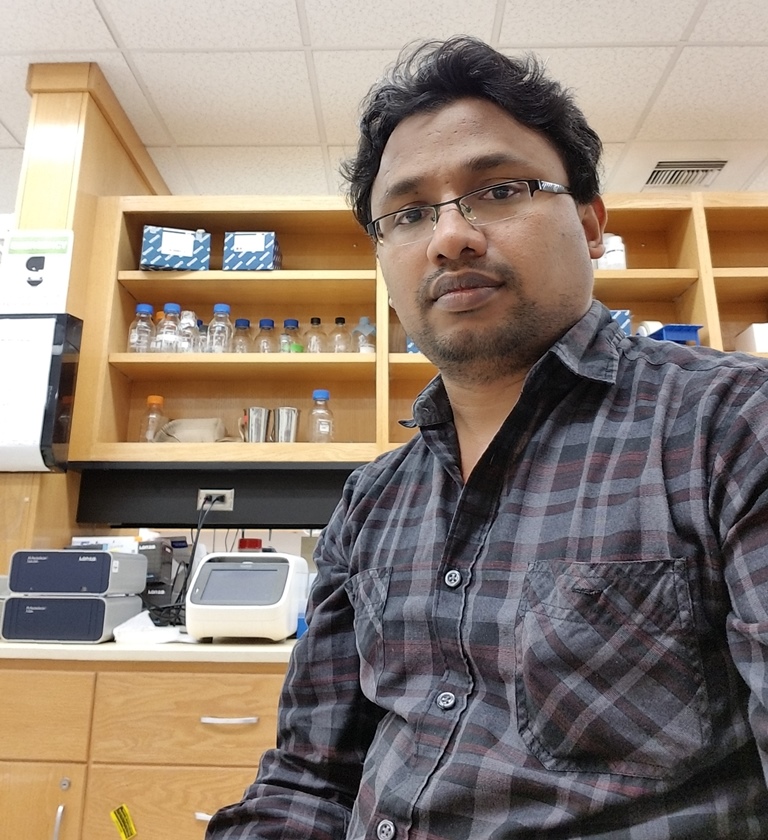
Microbiologist Yogesh Chawla was part of the team that led the protests demanding hike in research fellowships in India during 2014-15. He rues in this guest post that not much seems to have changed in the country’s treatment of its research scholars since.

Yogesh Chawla

Following months of agitation by young scientists across India, the Indian government announced a hike in fellowships for research scholars earlier this month (February 2019). The stipends for junior research fellows (JRFs) were raised from a monthly Rs 25,000 to Rs 31,000, and that for senior research fellows (SRFs) from Rs 28,000 to Rs 35,000.

The research scholars have been protesting every few years to bring to light the abysmal pay parity, delayed and irregular disbursal of stipends, semester fee charges, and scarcity of fund allocated to science. The protests typically last for a few months reaching a crescendo on social media, and finally end with the science administration promising and then delivering a hike. India’s current government has enhanced their fellowship twice, almost doubling it from Rs 16,000 in 2014 to Rs. 31,000. It is a step, albeit small, in the right direction to bridge the gap in pay disparity of researchers.

However, the challenges facing India’s research scholar are far from over.

History of protests

During the fellowship hike movement of 2014-15, five of us scholars represented the protesting researchers in negotiations with the institutional authorities and government representatives. Several issues were discussed at length then, and still remain unresolved. Policy changes that were mooted then to streamline the system are still pending. A hike is not the only thing to fulfill the vision of better scientific rigour or improvement in the quality of Indian science. One of the objectives of such fellowship hikes is to attract talent to science disciplines by providing economic emoluments parity, laurels, awards and recognition.

The need of the hour is to have a multi-pronged approach to bring Indian science at par with world standards, to make Indian research relevant to the country’s needs, to transform India into a torch bearer of scientific excellence, technological advancements and innovations. These are important but imposing challenges for India and the country’s science policy is a key tool to overcome them.

Researchers gherao Indian science administrators during a protest to demand hike in fellowships in July 2014.

Rewarding merit

How do we bring rigour into India’s science? Can we have measures to reward scholars – the backbone of our scientific quest – who work tirelessly beyond stipulated office hours? Will rewarding the first author for publishing quality research be a game changer?  Publishing in high impact journals may not be the ultimate or accurate parameter of judging the quality of science but it is a practical parameter. A thorough scientific study in a reputed journal does suggest a work of excellence. Impact factors, citations or the impact of research on problems specific to India can be taken as criteria to judge merit. The overarching idea is to reward hard work, judged and scrutinised for scientific quality and rigour by independent peers. This way, we would be able to bring equity to the hard and diligent work. Any scientific misconduct or falsification of data should be made punishable.

Currently, Indian authors publish around 100,000 articles every year but their average citation impact is around 0.8, which is nearly half of the citation impact of articles published from USA or UK (~1.6)1. Rewards for and equity to good quality work would boost the overall scientific rigour. It wouldn’t cost much to the government exchequer but would certainly impact the morale and enthusiasm of researchers favourably. It could be a robust way to kick start ideas, innovations and excellence. Likewise, universities, departments and institutions should be rewarded for their scientific excellence.

However, when impact factors of publications become the criteria for a reward, they potentially exclude scholars and scientists looking at grass root problems (that may not be very popular research areas but are high on social benefits) or high impact work in a scientific journal. Scholars of such fields should be recognised through other laurels and awards.

Another policy change that may ensure a respectable life for senior researchers wanting to continue research in India is to enhance the fold increase of the fellowships between JRF to SRF and SRF to the postdoctoral level (say, around 1.4 to 1.5-fold of their previous level). SRF and postdoctoral researchers are generally in their late 20s or early 30s, a time they typically start or support a family.

Scholars who earn their PhDs in Indian institutions should be rewarded since many JRFs leave Indian PhD programmes to pursue PhDs in foreign labs or institutes. JRF fellowship shouldn’t be a stop-gap arrangement for aspiring graduates of foreign universities. A JRF scholar who continues research in India and gets promoted to SRF should be rewarded with a healthy raise in stipend to pursue research in India. The same logic applies to postdoctoral fellows.

The long-debated issue of brain drain could have a solution in a good postdoctoral fellowship with independent grants. The Chinese initiatives “Thousand Talents Plan” and “Thousand Youth Talents Plan”2are great examples of how to attract scholars to postdoctoral positions through government grants and fellowships and to pursue them to return and serve home institutions. This way, trained and qualified PhD scientists could fuel the nation’s economic and scientific growth and Prime Minister Narendra Modi’s cry of “Jai Jawan, Jai Kisaan, Jai Vigyaan and Jai Anusandhaan” would sound real.

  1. India by the numbers
  2. China’s plan to recruit talented researchers

(Yogesh Chawla is a PhD from the National Institute of Immunology, New Delhi and currently a postdoctoral fellow at the Weill Cornell Medical College, New York. He can be contacted at yogi1chawla@gmail.com.)

Nature India Photo Contest 2018 is now open

[Update on 10 December 2018: Deadline extended to 20 December 2018]

Nature India’s annual photo competition is back!

You are currently viewing a placeholder content from YouTube. To access the actual content, click the button below. Please note that doing so will share data with third-party providers.

More Information

This year, we are delighted to announce three cash prizes worth $350, $250, $200 for the top three winners. The top 10 winning entries will be part of a roving exhibition across venues in India.

Submit your entries now for a chance to win these exciting prizes and to be featured on Nature India‘s blog Indigenus.

The theme for this year’s contest is “Vector-borne Diseases”.

About 700,000 people around the world die every year from diseases transmitted by vectors such as mosquitoes, sandflies, blackflies, ticks and tsetse flies. Major vector-borne diseases such as malaria, dengue, schistosomiasis, human African trypanosomiasis, leishmaniasis, Chagas disease, yellow fever, Japanese encephalitis and onchocerciasis account for around 17% of all infectious diseases.

They are most prevalent in tropical and subtropical regions, and among the poorest. Since 2014, major outbreaks of dengue, malaria, chikungunya, yellow fever and Zika have caused large-scale devastation.

We invite entries that focus on the gravity of vector borne diseases. You could choose any aspect of the issue to highlight – disease manifestation; hygiene and sanitation; breeding grounds; the science and pseudoscience; new and emerging solutions; mitigation; preparedness and whatever else can creatively and aesthetically convey the subject in question.

Prizes

There are three cash awards to be won – the first prize worth $350, the second worth $250 and a third prize of $200. In addition, ten finalists will be featured on Nature India.

Photographs will be judged for novelty, creativity, quality and printability. Winners will be chosen by a panel of Nature Research editors and photographers alongside a leading Indian scientist working in the area of vector-borne diseases. The winner and two runners-up will receive a copy of the Nature India Annual Volume 2017 and a bag of goodies (including Collector’s first issues of Nature and Scientific American and some other keepsakes) from the Nature Research. One of the winning entries also stands a chance of being featured on the cover a forthcoming print publication.

Eligibility

The contest is open to all – any nationality, any occupation, any profession. You may use whatever camera you wish – even your cell phone – as long as the photograph you send us is unedited, original, in digital format and of printable quality. Just make sure you are not violating any copyrights. Also, no obscene, provocative, defamatory, sexually explicit, or other inappropriate content please (refer to the contest terms and conditions below).

Please send your entries in jpeg format to npgindia@nature.com with your name and contact details. Please mention “Nature India Photo Contest 2018” in the subject line of your email. The photograph must be accompanied by a brief caption (please see some photo captions here for reference) explaining the subject of the picture along with the date, time and place it was taken.

We will accept a maximum of two entries per person. The last date for submissions is midnight of December 20, 2018 Indian Standard Time. On social media, please use the hashtag #NatureIndphoto to talk about the contest or to check out our latest updates.

The theme for our inaugural photo competition in 2014 was “Science & technology in India”. In 2015, it was “Patterns”, in 2016 we made it simple with “Nature” and last year it focussed on the “Grand Challenges”. We have received some breathtaking entries from across the world all these years. You might want to take a look at the winning entries of the Nature India Photo Contest 20142015, 2016 and 2017 for some inspiration or the entries that made it to the top to get an idea of what we look for while selecting winners.

[TERMS AND CONDITIONS

Please read these terms and conditions carefully. By entering into this Nature India Annual photo contest (“Promotion”), you agree that you have read these terms and that you agree to them. Failure to comply with these terms and conditions may result in your disqualification from the Promotion.

  1. This Promotion is run by Nature Research, a division of Springer Nature Limited a company registered in England with registered number 00785998 and registered office at The Campus, 4 Crinan Street, London N1 9XW (“Promoter”).
  2. To enter this Promotion you must be: (a) resident in a country where it is lawful for you to enter; and (b) aged 18 years old or over (or the applicable age of majority in your country if higher) at the time of entry. This Promotion is void in Cuba, Iran, North Korea, Sudan, and Syria and where prohibited or restricted by law.
  3. This Promotion is not open to directors or employees (or members of their immediate families) of Promoter or any subsidiary of Promoter. Promoter reserves the right to verify the eligibility of entrants.
  4. The Promotion is open for entries between 00:00 on 14/11/2017 and 00:00 on 20/12/2017 IST.
  5. No purchase is necessary to enter this prize Promotion and will not increase your chances of winning.
  6. You can enter this Promotion by emailing npgindia@nature.com
  7. Only two entries per eligible person. More than two entries will be deemed to be invalid and may lead to disqualification.
  8. Promoter accepts no responsibility for any entries that are incomplete, illegible, corrupted or fail to reach Promoter by the closing date for any reason. Proof of posting or sending is not proof of receipt. Entries via agents or third parties are invalid. No other form of entry is permitted. Please keep a copy of your entry as we will be unable to return entries or provide copies.
  9. The prize for the Promotion consists of the following: Three cash awards worth $350, $250 and $200 for the top three entries respectively, a copy of the Nature India Special Annual Volume 2017 and a bag of goodies (which includes Collector’s first issues of Nature, November 1869 and Scientific American, August 1845; and some other keepsakes) from Nature Research.
  10. The prizes shall be awarded as follows: The prize will be decided in the week following the close of the Promotion. The winners will be notified via email. Winners will be selected by a four person panel of Nature staff, at least one of which will be independent from the Promotion, based on photographic merit, creativity, photo quality, and impact. Full names of the judging panel will be available on request. Any decision will be final and binding and no further communication will be entered into in relation to it.
  11. Ownership of entries: for consideration into this Promotion, you must sign a license to publish form granting the intellectual property rights to Nature Research for your image. This may be used in promotional or marketing material in print and online. You confirm that your entry is your own original work, is not defamatory and does not infringe any laws, including privacy laws, whether of the UK or elsewhere, or any rights of any third party, that no other person was involved in the creation of your entry, that you have the right to give Promoter and its respective licensees permission to use it for the purposes specified herein, that you have the consent of anyone who is identifiable in your contribution or the consent of their parent, guardian or carer if they are under 18 (or the applicable age of majority), it is lawful for you to enter and that you agree not to transfer files which contain viruses or any other harmful programs.
  12. The winner(s) of the Promotion shall be notified by email no more than two weeks after the Promotion closes.
  13. The winner(s) will be required to confirm acceptance of the prize within ten working days and may be required to complete and return an eligibility form stating their age and residency details, among other details. Promoter will endeavour to ensure that winner(s) receive their prizes within 30 days of the date they confirm acceptance of the prize. If a winner does not accept the prize within ten days of being notified, they will forfeit their prize and Promoter reserves the right to choose another winner(s). Promoter’s decision is final and Promoter reserves the right not to correspond on any matter.
  14. The name, region of residence and likeness of the winners may be used by Promoter for reasonable post-event publicity in any form including on Promoter’s website and social media pages at no cost.
  15. You can find out who has won a prize by sending an e-mail to npgindia@nature.com or checking the Nature India blog website Indigenus (https://blogs.nature.com/indigenus).
  16. Promoter reserves the right to cancel or amend these Terms and Conditions or change the Prize (to one of equal or greater value) as required by the circumstances. No cash equivalent to the Prize is available.
  17. All personal data submitted by entrants is subject to and will be treated in a manner consistent with Promoter’s Privacy Policy accessible at https://www.nature.com/info/privacy.html. By participating in this Promotion, entrants hereby agree that Promoter may collect and use their personal information and acknowledge that they have read and accepted the Promoter Privacy Policy.
  18. Promoter may at its sole discretion disqualify any entrant found to be tampering or interfering with the entry process or operation of the website, or to be acting in any manner deemed to be disruptive of or prejudicial to the operation or administration of the Promotion.
  19. Other than for death or personal injury arising from negligence of the Promoter, so far as is permitted by law, the Promoter hereby excludes all liability for any loss, damage, cost and expense, whether direct or indirect, howsoever caused in connection with the Promotion or any aspect of the Prize. All activities are undertaken at the entrants own risk. Your legal rights as a consumer are not affected.]

Away from home: Using science for societal good

Our ‘Away from home’ interactive map features 50 bright Indian postdocs from around the world. Write to us at npgindia@nature.com to suggest names of postdocs from countries and disciplines we haven’t covered yet.

Saidulu Mattapally, a Postdoctoral Fellow at the Department of Biomedical Engineering at The University of Alabama at Birmingham, USA, is enamoured by the translational aspect of science. From exploring coronary genetic defects to unraveling the secrets locked in India’s traditional system of medicine, this molecular geneticist from Osmania University, Hyderabad, strives to do application-based science that has immediate benefits for people.

Saidulu Mattapally

Driven by the relevance of science

Molecular genetics is not just a fascinating field of science but also offers immediate medicinal applications. This therapeutic relevance triggered my early interest in the field. I tried to explore the molecular and hereditary premise of coronary illness in my graduate and doctoral studies.

Scientific investigation helps shape the broader questions we ask – for me an investigative approach is also a state of mind. From a young age, I have been inspired to think of the broader relevance of things. Science has been eternally interesting to me and I always wanted to be in research.

After a bachelor’s from Osmania University, Hyderabad, I got into a master’s course in genetics at the same university learning advanced experimental techniques in molecular biology, biochemistry, immunology and genetics. I was selected as a research scientist in the pharmacology division of CSIR-Indian Institute of Chemical Technology, Hyderabad, one of the best chemical technology institutes in India.  My Ph.D. under Sanjay K. Banerjee at the same institute involved genetics (Sanger sequencing).

I also got the opportunity to work with Kumarasamy Thangaraj and Lalji Singh’s group at CSIR-Center for Cellular and Molecular Biology (CCMB), Hyderabad. They published two papers in Nature, which was a great learning experience.

Combining molecular genetic and pharmacology

Though my interest was in the molecular and genetic basis of congenital heart disease, I spent a year to learn advanced molecular genetic techniques. During this time I worked on a project exploring malaria risk among ancestral Indian tribal populations. We needed to collaborate with a hospital to get samples. Although CCMB scientists were helpful, doctors were not convinced except in one Hyderabad hospital, which gave us the opportunity to work with congenital heart disease samples.  My supervisor urged me to explore the work of two Indian origin scientists Deepak Srivastava and Aravinda Chakravarti. We wrote a grant on their work for the Indian scenario, and although we didn’t get funded, we continued to work on the project.

During Ph.D., I got the opportunity to present this work at the prestigious international conferences of the American Society of Human Genetics in 2013 and 2014. There I met Aravinda Chakravarti, the scientist who had influenced my project. Around the same time, I got an opportunity to attend a next-generation sequencing event in Boston. There, I heard a lecture by Eric Topol, one of best-individualized medicine and genome and digital technologies researchers. A five-minute chat with him and later his book ‘The Creative Destruction of Medicine’ continue to inspire me.

I was also awarded a DBT travel grant in 2015 to attend the next American Society of Human Genetics meeting in San Diego. In addition to molecular biology and genetics, I learned an immense lot about pharmacology, development of different types of animal models to study different diseases, and pharmacological screening of small molecules. My doctoral stint had already convinced me of the strong relationship between molecular genetics and pharmacology.

During my doctoral stint with Dr. Banerjee, we traced a genetic mutation associated with congenital heart disease in south India. Our work shed light on a very important aspect of gene mutation as we reported a novel mutation associated with ventricular septal defect (VSD).

Postdoc years – when life and career intertwine

Around this time, my father and best friend Yellaiah Mattapally passed away when he fell from a toddy (palm) tree. He was a farmer and always talked about the problems he faced in his agricultural practices on account of being illiterate. He would always egg me on to become a scientist and work for the society.

Fulfilling my father’s dreams, I finished my Ph.D. in 2014. I got married the same year and received a postdoc opportunity from the University of Minnesota in Dr. Nobuaki Kikyo’s lab soon after. I decided to take my spouse along though we couldn’t go since my visa didn’t arrive in time. Following many ups and downs, one year later, I took up an offer from Dr. Jianyi (Jay) Zhang at the University of Alabama at Birmingham. Our son was born that year.

In life as in a postdoc career, many problems come interspersed with solutions – and a lesson I learned was that one should be mentally prepared for these years when both personal and professional lives face a lot of changes. In the end, they work out fine.

As a postdoctoral student, I trained in CRISPR-Cas9 in skeletal muscle cells and mouse induced pluripotent stem cell (iPSC) culture. I studied how gene expression and epigenetic modification change during differentiation of mouse skeletal muscle cells. I have completed 3 years of post-doctoral work and hope to wrap it up by end of 2018. In the first year, I tested the hypothesis that fetal genes linked to congenital heart defects can treat adult heart failure (myocardial infarction). We reported the effectiveness of transplanted, human iPSC-derived cardiomyocytes in the treatment of ischemic myocardial injury. Currently, I am working on the development of universal human iPSC by CRISPR-cas9 mediated Knockout MHC class I and MHC class II expression. Also, the differentiation of these cells into three lineages – cardiomyocytes (iPSC-CM), endothelial cells (iPSC-EC) and smooth muscle cells (iPSC-SMC) – to treat myocardial infarction in swine.

Traditional knowledge needs more exploring

Though medical practice in India majorly involves western medicine, the Indian traditional system of medicine Ayurveda is now being practiced and accepted all over the globe.

I remember my mother Ankulamma treating abdominal pain with medicinal plants. She also talked of Ayurvedic formulations to treat chronic diseases such as diabetes.  In Telangana, where I was born, we celebrated the annual floral festival of Bathukamma, when we brothers brought home beautiful yellow flowers of the native tree Senna auriculata and other flowers for our sisters. Interestingly enough, when I recently started researching Ayurveda I learned that Senna auriculata is used for the treatment of diabetes and cardiovascular diseases.

I strongly feel that these traditional knowledge linkages need more scientific exploring.

During my undergraduate years, I used to help my father in our cotton and rice fields. I haven’t gone back to the fields in a long time. I wish to come back someday and work for my homeland, and dig deeper into the traditional knowledge wealth that India is so rich in.

Away from home: Doubling research fun with twin subjects

Our ‘Away from home’ interactive map features 49 bright Indian postdocs from around the world. Write to us at npgindia@nature.com to suggest names of postdocs from countries and disciplines we haven’t covered yet.

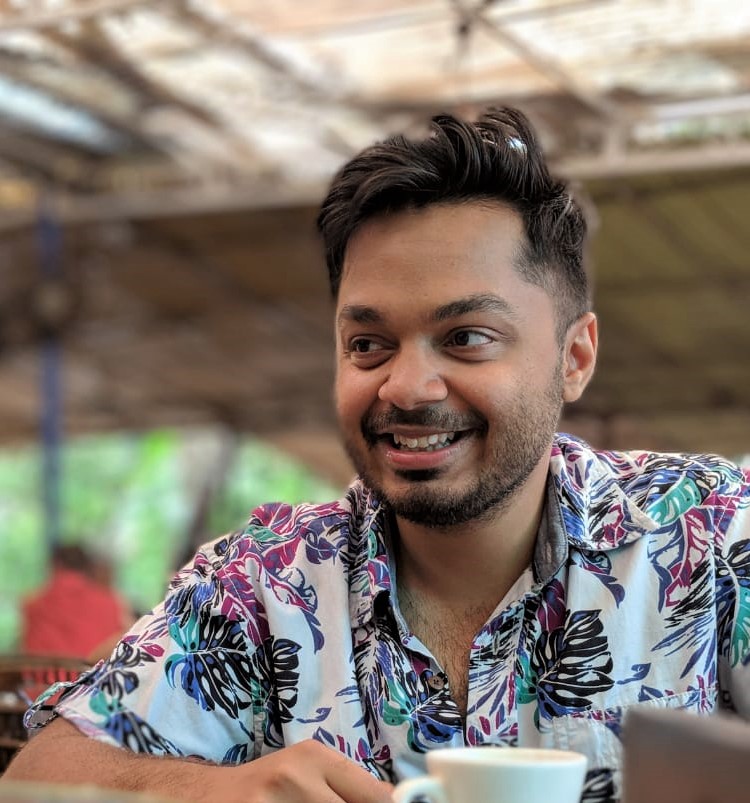
Varun Warrier, a postdoctoral researcher at the Autism Research Centre in University of Cambridge, UK, talks about the beautiful marriage of genetics and neurosciences . And how he has come to combine these two complementary subjects to carve out a meaningful research career. An alumnus of the Jawaharlal Nehru Centre for Advanced Scientific Research (JNCASR), Bangalore, Varun works on the genetics of autism and related traits.

Varun Warrier

It helps to know what you don’t want to do

When I finished high school, I had no idea what I wanted to do. I knew what I didn’t want to do, and in retrospect, that was very helpful. I didn’t want to study engineering or medicine. I didn’t have the inclination for the former, and was too squeamish for the latter. I ended up pursuing a degree in zoology, something I was reasonably good at.

At the end of the three-year undergraduate programme, I was faced with exactly the opposite problem. I knew what I wanted to do, but had to make a choice. I was lucky enough to get a three-summer undergraduate fellowship at the Jawaharlal Nehru Centre for Advanced Scientific Research (JNCASR), Bangalore. There, I worked with Anuranjan Anand on the genetics of stuttering. We searched for genetic regions linked to stuttering using an old genetic mapping technique called genetic linkage mapping. Many of the interesting genes were involved in brain development or neural signalling. I soon realized that I was as excited by neuroscience as genetics, and I had to decide between the two for my graduate programme. Since I already had some research experience in human genetics, I chose neuroscience for master’s at University College London (UCL).

People ask me if it was a big jump from zoology to neuroscience. I don’t think it was. The zoology degree was panoramic and, in effect, a life sciences degree. So, while some concepts like cognitive neurosciences were new, I was never completely at sea.

At UCL, I was required to conduct a 9-month research project. I was very much looking forward to this. Perhaps I wasn’t adventurous enough and ended up choosing a genetics project again! I worked on an extremely rare and debilitating childhood neurogenerative disease called Neuronal Ceroid Lipofuscinoses and thoroughly enjoyed it.

Coupling favourites

Towards the end of the project, when I had to make another choice, it came easy. I was enjoying the beautiful coming together of the two disciplines – neuroscience and genetics. I wanted to investigate research questions in neuroscience, using genetic methods. These silos are all a bit arbitrary though and don’t really matter too much. Once you start working on something, you’re likely to ‘borrow’ ideas from multiple fields.

It was this happy marriage of genetics and neuroscience that got me working with Simon Baron-Cohen at the University of Cambridge in the United Kingdom for an MPhil and a PhD. Getting into Simon’s lab was a matter of being at the right place at the right time. I had read some of Simon’s work, and wrote to him. I didn’t expect to get in. But as luck would have it, Simon had genetic data that needed to be analysed.

At Cambridge, I gradually pivoted towards human genomics, which required a lot of programming and statistics. I worked (and still do) on the genetics of traits related to autism, such as empathy, emotion recognition, and an interest in systems. People are surprised when I tell them of my work on the genetics of these traits – many don’t think something like empathy is genetic. But all human attributes are partly genetic despite what my sociologist friends will tell you.

Autism is complex, and no two autistic persons are alike. There are subgroups within the autism spectrum. Large scale genetic studies have had some success in subgrouping this spectrum by identifying variants in specific genes linked to specific syndromes. My most exciting research so far suggests that the two core domains of autism – social interaction difficulties (the social domain), and the unusually repetitive and restricted interests and behaviour (the non-social domain) – are genetically dissociable. I am not the first to suggest this as there have been a few studies to come to similar conclusions, but ours was the first to provide molecular genetic evidence in support of this hypothesis.

Choose your lab, supervisor well

So much of this journey has been made less arduous by very supportive and inspiring mentors and supervisors. When you don’t get along with your supervisor, your project can be extremely stressful. It’s always important to think carefully about doing a PhD, and finding the right supervisor. A PhD is always challenging, and it’s meant to be.  To paraphrase the author Jhumpa Lahiri, writing a novel is like jumping off a cliff and not knowing where you’re going to land. I think this is true of a PhD as well. Ideally, you’re doing something new and you’re never sure if you’re going to get it right. That for me was the most exciting aspect of the PhD.

When I embarked on doctoral research, I knew three years would be enough for me to decide whether to stay in academia or not. I found the PhD experience so enjoyable that I’ve decided to stay on at the University of Cambridge, and have transitioned into postdoctoral research.

The first few months as a postdoc were daunting. I guess the lack of a structured medium or long-term goal is difficult to get used to. I’m now used to the rhythm of a postdoc, and continue researching the genetics of autism and related traits.

Something that people don’t necessarily tell you but becomes quickly apparent is the number of rejections you get as an academic. Experiments fail, manuscripts are rejected, applications are unsuccessful. Perhaps this is true of all human endeavour, but I have nothing else to compare this to. I am still learning to develop a thick skin and take failures and rejection in my stride. But it’s not always a rejection – the intermittent successes are enormously exciting and make everything worthwhile.

Breaking the curse on science

Open data can help us avoid inherent biases in our work, says winner of the Naturejobs ‘Better Science through Better Data’ writing competition Ayushi Sood.

Ayushi is an undergraduate microbiology student at Amity University, Noida, Uttar Pradesh. Her interest in what makes life tick made her fall in love with bacteria and astrobiology, and her passion for making scientific research more efficient and accessible led her to explore bioinformatics. She has been a part of research projects investigating nanoparticle-plant interactions, transgenic algae, and bacteria-algae associations.

Recently, an economist friend told me that “scientific inquiry is inherently cursed.” At first I was offended. But I had to agree after he elaborated further – science today suffers from something economists enigmatically call the “winner’s curse”.

The first scientific journals were print editions — something akin to a printed memo — circulated among researchers to update them of the findings of others in the field. To submit a paper for publication, only the observations required to prove results needed to be included in a manuscript, and rightly so: if every paper included every shred of data, journals would run into thousands of pages. This means, though, that what was communicated to the scientific community was only a fraction of what could have been communicated: only the observations that were ‘winners’ – the ones which best supported a result – would be presented, and the others would be effectively relegated to obscurity. Although we’re not limited by paper and page counts today, the same pattern of data use continues. This leads us to the problem of the winner’s curse: by the process of selection, the ‘winning’ observation oversells itself.

In economics, the winner’s curse refers to situations in auctions where the winner tends to overpay, because the actual value of the product is the average of the bids, not the highest bid. In scientific research, the curse takes hold in scientists who aim for publication in the most selective journals, with the most impressive results being favored. This ignores all the other results — the ones which weren’t so impressive — while giving disproportionate importance to the ‘winning result’.

The problem with this phenomenon isn’t immediately evident — isn’t the result what actually matters? The data is, after all, just a tool, necessary only to prove what’s important — the conclusion. In looking for conclusions in data, however, researchers can forget to ask: “does the conclusion effectively justify my repeated sampling of the real world?” In other words, is reality accurately reflected by the dataset presented? All the observations we take, whether they are inconclusive, negative, or ‘winners’, represent an analysis of the natural world. By only reporting the ones that work, the other sampling efforts cannot be used by anyone else. This process confers on a small, selected number of observations the authority to predict an unpredictable future! Back in the auction house, this would mean the value of the product is set only by the winning bid. When we report only the best set of data, we are relegating the less impressive observations to obscurity, even though these also represent an analysis of the real world, with real potential to inform.

So what does this mean for us? How should scientists avoid falling into the trap of the winner’s curse? One way would be to save, store and share all data — not just positive results. We are only human. By making our data openly accessible, we can avoid internal inconsistencies. The smallest of mistakes would be corrected by fresh eyes poring over the very same data.

Ayushi Sood

More importantly, open data could prove to be a shot in the arm for scientific inquiry as a whole. What data I find important may be perfect for my study, yet a small cluster of ignored numbers in my dataset could lead to a breakthrough for someone else, possibly in a way that I could never have imagined! Gene expression data in cancer cells could provide insights into cell signaling pathways in neurodegenerative disorders. Algal bloom observations in polluted lakes could help in effective biomass production for algal biofuel. The analysis and application of open data could usher in a new age of scientific connectivity, with the available knowledge transcending traditional discipline boundaries in way never seen before.

Well, if it’s so good, why hasn’t open data been the norm since science began? We come back to the thousand-page journal here — the question wasn’t of why not, but of how. Transmitting every single byte of data through papers and talks was impossible before the advent of computers and the emergence of the internet in the 1990s. In 2017, however, we have the tools at our disposal to store, parse, organize and retrieve every single digit. The burgeoning field of data science and analysis is ours to exploit, just waiting to script the next scientific success story.

So, I have to hand it to the economists on this one — the winner’s curse is alive and kicking in science. But, like any good scientist, I’m thinking of solutions, and every clue suggests that open data, accessibility and collaboration could be just the spell that breaks this curse.

[This blog piece was first posted in NaturejobsYou can follow Ayushi Sood’s work on Bitesize Bio and connect with her on LinkedIn or Facebook.]

Suggested posts

The era of big data is coming: Scientists need to step out of their comfort zone

Defending science by opening up: Lessons from Understanding Animal Research

Sharing data: Why it should be done

Away from home: Blending in to stand out

Our ‘Away from home’ interactive map features 48 bright Indian postdocs from around the world. Write to us at npgindia@nature.com to suggest names of postdocs from countries and disciplines we haven’t covered yet.

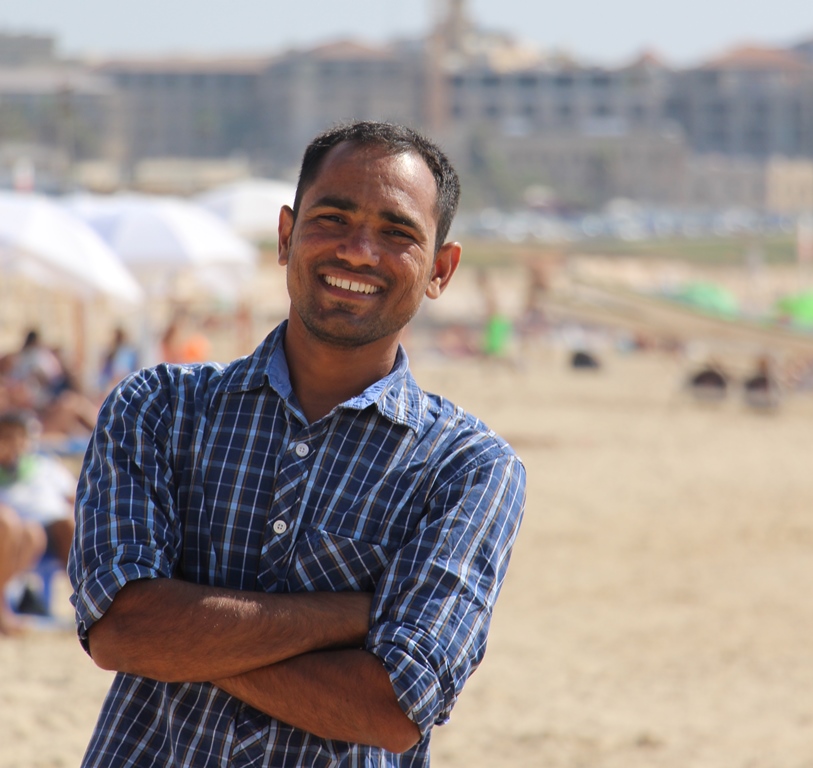
Raj Rajeshwar Malinda, a post-doctoral cell and developmental biologist at the National Institute for Basic Biology (NIBB), Okazaki, Japan has visited close to 40 countries and worked in some of them. A PhD from the University of Copenhagen, Denmark and a biotechnology masters from the University of Rajasthan, Jaipur, India, Raj draws from his rich experiences from around the world to suggest it’s best to blend in to appreciate different cultures.

Raj Rajeshwar Malinda

Decoding the cellular language

Life on Earth began with a single cell and evolved into very complex organisms such as humans. The cell is the smallest functional unit of life – the “building block” that contains all necessary information for survival. Though cell biology studies got a boost in the late 17th century with the advent of the microscope, we still don’t have ample information on how life managed to survive on Earth. A lot more information is needed to decode the cellular language of life and this mystery led me into the world of cell biology.

I love getting even the tiniest bit of information on cells and their behavior. To understand complex cellular dynamics, I combined knowledge from my cell biology PhD with developmental biology for a joined up approach towards answering questions on how life survives during development.

My journey began from a small rural town in India called “Neem ka Thana” and got me to Okazaki, a small town in Japan via many metropolitan cities across the globe. While I was still a masters student of biotechnology at the University of Rajasthan in Jaipur, India, I got a chance to meet several Nobel Laureates at a conclave. This was one of the factors that motivated me to pursue a career in research, discovery and innovation.

During my PhD at the University of Copenhagen, I was mainly focused on cellular mechanisms regulating disassembly of primary cilia (a sensory organelle found on cell surface, important in embryonic development and homeostasis) using mammalian cultured cells as a model system. In my post-doctoral tenure at NIBB, Japan, I have been investigating the regulatory mechanisms responsible for collective cell behaviour during early development of vertebrates using Xenopus laevis as a model organism, with special focus on the mechanistic properties.

Japan: An incredible mix of tradition and advancement

Besides science, I am fascinated by the diversity of people – races, cultures, languages and religions – around the world. Moving to Japan was a big decision – from Denmark in the west to the east. However, this transition was pretty smooth for me, having assimilated experiences from my travel to more than 40 countries around the globe. Despite all that I have seen, Japan is very different, very unique, truly an incredible country blending tradition and scientific advancement beautifully. Discipline, attention to detail, dedication, politeness, hospitality, punctuality and respect for the past – these were the Japanese hallmarks that made me fall in love with the country instantly.

However, language was a big issue since people, especially in the countryside, hardly spoke other foreign languages. The language barrier could isolate you from the mainstream of Japanese culture. But foreigners usually find their way around this challenge. I especially love the Japanese festivals, with each prefecture celebrating different ones around the year.

Life becomes easier for foreigners when they embrace local culture and try blending in seamlessly. Indians do carry a lot of cultural baggage many times and often stick to Indian friends. I personally feel one could be true to one’s culture but should also try to appreciate local cultures. It’s also good to make friends outside the lab and outside one’s own community.

After all, a postdoc abroad is an intensive learning phase that teaches you many important survival skills.

Tip for PhD and postdoc aspirants

  • PhD should be complemented by productive research papers — they help get good postdoc positions abroad.
  • Don’t be shy to ask for help from your PhD mentor. They are experienced in the field and have good network in the community.
  • Your research interest should always be key while choosing for a postdoc position because that’s what matters in the end. The lab matters too, since you have to spend a fair amount of time there doing research. Choosing a postdoc position abroad might be a turning point in your research career, so choose the lab and country wisely.
  • External sources of funding or fellowships always add an extra advantage. So try to secure one, for example, the JSPS postdoc fellowship in Japan, EMBO or Marie Curie fellowship for Europe, INSPIRE Faculty scheme in India (it gives you a chance to learn in foreign lab for a couple of years) and other country-specific postdoc fellowships.
  • Keep a good work-life balance, otherwise research could end up being stressful and depressing.
  • Don’t lose the enthusiasm and focus while doing your research abroad — it’s easy get derailed in a different working and living culture. If the data isn’t favouring your hypothesis, troubleshoot and ask your mentor or lab members.
  • Funding is a big issue among postdocs, so try to remain up to date with available resources and grants.
  • Don’t try to think of a long running postdoc (i.e. another postdoc after your postdoc), your post-postdoc priorities should be clear — academia or industry. At any point during your postdoc, if your choices are starting to shift from academics to industry, go ahead with the idea without delay and ask for a recommendation from your present mentor.
  • Try to network. In the end, these are the people you will see most often – through their research papers or in conferences and meetings.
  • Try writing grant applications because the skill will be really helpful after your postdoc. It becomes hard to survive in the research field without knowing how to write grant applications. It will also improve your scientific writing, which I personally find very difficult.
  • Push yourself a bit to acquire experiences beyond research. For example, participate in leadership seminars, try organising small institutional seminars or workshops, invite people from time to time to the lab and talk about your interests.

India: Unconditional love

India is a great country – diverse, culturally-rich, enthusiastic and warm – and that’s the reason every Indian misses the country in a foreign land. I miss my family and friends and the late summer-night conversations under an open sky over cups of tea. The sight and sound of kids screaming as they play in the muddy streets is something I deeply miss.

Being a foodie, I miss Indian street food from different parts of the country —the samosa and dahi-papdi from Rajasthan, pav-bhaji from Maharashtra, home-made lassi from Punjab, chaat from Delhi and masala-dosa from south India. Mangoes and rasgullas are always on my priority list, so wherever I get them I buy, even if at a premium.

[Raj Rajeshwar Malinda is also associated with the biomedical journal eLIFE and advises ASAPbio (Accelerating Science and Publication in Biology). He volunteers free career counselling and can be reached at therajsmile@gmail.com.]

Away from home: Why your visa type matters

The ‘Away from home‘ blog series features promising young Indian postdocs working in foreign labs. They recount their experience of working in foreign lands, the triumphs and challenges, the cultural differences and what they miss about India. They also offer useful tips for other Indian postdocs headed abroad. You can join their online conversation using the #postdochat hashtag.

Our ‘Away from home’ interactive map features 47 bright Indian postdocs from around the world. Write to us at npgindia@nature.com to suggest names of postdocs from countries and disciplines we haven’t covered yet.

Today we feature Fareha Razvi, a postdoc researcher at the University of Nebraska Medical Center (UNMC), Omaha, Nebraska, USA and a PhD from Fraunhofer Institute in Germany. Fareha tells us why choosing the right visa type is so essential for a research career in a foreign land.

Fareha Razvi

Love at first sight

What saw me leave my home country India was my passion for “gene silencing” research. When I was a teenager, my mom wanted me to become a doctor. Sadly I failed in all medical entrance exams. So the only way I could become a doctor was to get a PhD. I did a bachelors in botany and masters in genetics from Delhi University. During masters, I stumbled upon the research area of gene silencing. I was completely fascinated with this mysterious phenomena. At that time, nobody knew how and why it occurs. I decided to do a PhD in this field.

Fortunately, I got a PhD offer from Fraunhofer Institute in Germany in my area of interest. It was a hard decision to leave India and my family, but the passion for this research area and encouragement by the family made the transition possible. After PhD, I felt the need to continue exploring this field and took up a postdoc opportunity in the same field but in a different biological system.

Bittersweet research

I arrived in the US for a postdoc in gene silencing and the biological system was green alga. I realised that research in gene silencing was making tremendous progress.  Scientists around the world had started unraveling this phenomena. In 2006, the Nobel  Prize in Physiology or Medicine was awarded to a group which discovered the trigger of this process. Based on the understanding of the mechanism of this process, the trigger of silencing “siRNA” has been implicated in therapeutic use by many pharmaceutical companies and it also holds potential use as vaccine for certain diseases.

For a couple of years, I worked on basic gene silencing research but then I moved to a lab that was working on its application. I enjoyed every project during my postdoc. I realised that two things can make a research career bitter or sweet – the research and the mentor. Passion for your research motivates you to excel and a good mentor becomes the backbone of your career goals, scientific temperament and professional skills. Based on my PhD and postdoctoral experience, the advice I have for future postdocs is: no matter which country, lab or field you opt for, it is important that your career goals are clear and each year you work towards them along with your project goals.

Visa choice can tell on career goals

Many of us leave our country excited about the offer from a foreign institute but we fail to weigh the pros and cons of the visa type we are offered. I left India thinking that after my PhD from Germany I will return and take up a teaching position at one of the colleges of Delhi University. But after PhD, I wanted to explore more in my research field. So I went to the US. After a while I realised that my H1B visa was due to expire and I had to leave the country. My career dreams terminated in 2012 not due to lack of funding but because of my visa. This is another advice that I would like to give to new postdocs, apart from making choices for research project and mentor, a right choice of visa type is equally relevant.

After spending a year being jobless in India I returned to the US on a spouse visa. It took me almost 3 years to get back to research because not many places were able to sponsor a working visa (H1B). The situation that I encountered is not very common but it can happen if you don’t take care to choose your visa type in the first few years of stay in the US. Also, as foreigners we look for a job that can give us a working visa.

Fortunately, I was able to restart my career as a postdoc in the pathology and microbiology department of University of Nebraska Medical Center (UNMC), Omaha. It was exciting and challenging at the same time to work with microbes and not plants. The best thing I like about being a microbiologist is that I don’t have to wait for months to prove my hypothesis. Bacteria grow so fast that you can propose multiple hypothesis and work on them in a very short period of time. Currently, I am working to unravel a metabolic pathway which is as fascinating as it was working in gene silencing. I did get an opportunity to teach at the Metropolitan community college at Omaha which was very satisfying.

Tips from a postdoc

  • Choose a research area that fascinates you (self-motivation is the key to success)
  • Choose a mentor who appreciates a work-life balance and cares for your goals
  • Choose the right visa type
  • Know your goals so that you work towards them from day one

Indian at heart

The two things I miss most about my home country are the typical Indian wedding — the lavish food and dresses — and live performances – theatre, classical dance, ghazal recitals.

Announcing winners of NI Photo Contest 2017

In keeping with our annual tradition of heralding the new year, we are happy to announce the winners of the Nature India Photo Contest 2017.

The winners of the fourth edition of this photo contest have been chosen after over a week of unprecedented activity on the Indigenus blog and our social media channels (Facebook and Twitter ), and brainstorming by a global Nature Research jury.

The photographs have been judged for their adherence to this year’s theme ‘Grand Challenges’, for their creative thinking, quality and print worthiness. They were also rated in part on the engagement they received on social media.

Taking top spot amidst some tough competition, here’s the winner of the Nature India photo contest 2017:

Deepak Bhau Kumbharfrom Maharashtra, India

for his image ‘Just one world that provides a superb analogy for the greedy consumption of the world’s limited resources by humans.

In second position is:

Ricky Patel from West Bengal, India with his hard hitting photo ‘Cleaning up my abode’ — a poignant reminder of how humans plunder the earth for their own selfish needs.

The third prize is jointly shared by:

Avinash Surendran  from Bengaluru, India for ‘Children of the Sun’ that celebrates human practicality and ingenuity in finding real solutions to challenges.

and

Dipankar Ghosh from Minnesota, USA for his arresting image ‘Fishy tales’ that beautifully humanises the depletion of our seas.

Congratulations to all the winners! These images will be featured in the Nature India Annual Compendium 2017 and also stand a chance of becoming cover material for one of our forthcoming publications. All winners will receive a special bag of goodies from the Nature Research team soon.

We thank all of our participants for sending in such brilliant pictures. There will be more photo contests soon and we hope to see their beautiful images again — perhaps on top next time!

Nature India’s first photo contest was conceived in 2014. The overwhelming response that captured the resurgence of science in the world’s largest democracy with the theme ‘Science & Technology in India’ was enough for us to make the contest an annual affair.

With 50 entries in 2014, the photo contest has grown massively in size as several hundred entries pour in every year since from all corners of the world. The quality, quantity and novelty of these entries has been overwhelming. We were equally impressed with the way both amateur and professional photographers, scientists and non-scientists captured the rather tough theme ‘Grand Challenges’ with a variety of instruments — from cellphone cameras to high end DSLRs.

We will be back next year with another theme and hopefully equally stunning images. Till then, enjoy these winning images (click on them to enlarge) and the stories behind them. We wish you a very happy new year!

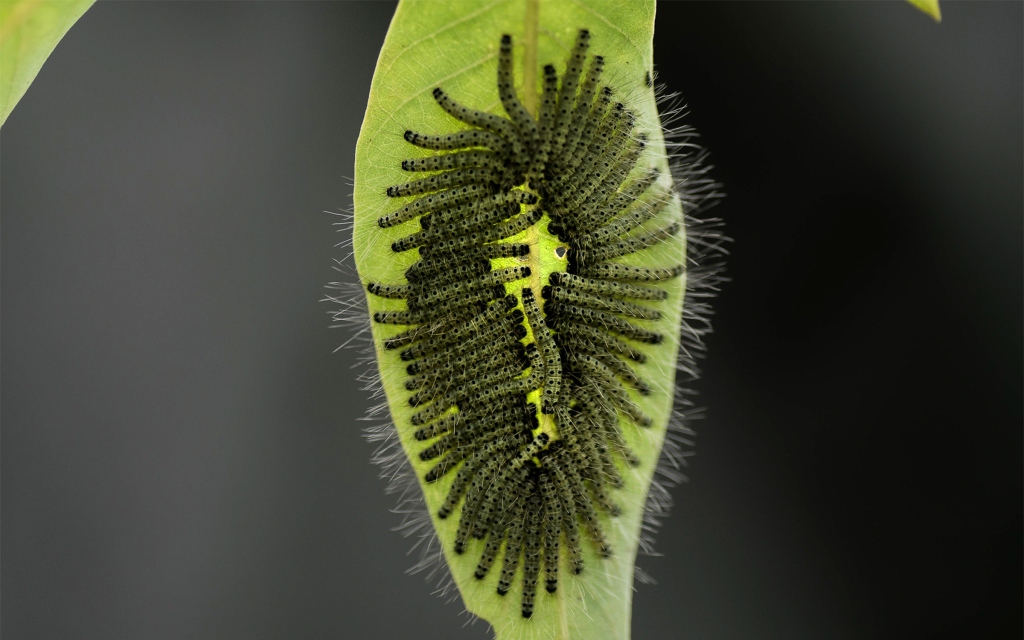
Winner: Deepak Bhau Kumbhar. Picture caption: Just one world.
5-1

{credit}Deepak Bhau Kumbhar{/credit}

Deepak Bhau Kumbhar

Deepak Bhau Kumbhar

“These beautiful caterpillars face severe competition from one another, trying to nibble into a single piece of leaf. That’s what is happening to mankind – we are greedily consuming the world’s limited resources. It is time we realise that soon there won’t be enough left for all of us. Though that realization has dawned among many, out of sheer habit we continue to nibble into the same leaf.

I am a science teacher at a high school, passionate about micro wildlife photography. I photograph nature’s amazing creations and show them to my students with various messages.”

— Deepak Bhau Kumbhar, Maharashtra, India.

Second Prize winner: Ricky Patel. Picture caption: Cleaning up my abode.

3-1

{credit}Ricky Patel{/credit}

Ricky Patel

Ricky Patel

“Can we please use biodegradable material or adopt safer waste disposal practices, at least inside the national parks? My friends and I living in the Ranthambore National Park (Rajasthan, India), have a hard time cleaning up after careless tourists .” This Royal Bengal Tiger, with a plastic bottle in its mouth, would probably say something similar if it could speak to you. Incessant use of non-biodegradable polymers makes a mockery of our national programme of ‘Clean India’, even in highly protected zones.

— Ricky Patel, West Bengal, India

Joint third prize winner: Avinash Surendran. Picture caption: Children of the Sun.

4-1

{credit}Avinash Surendran{/credit}

Avinash Surendran

Avinash Surendran

“Enough sunlight hits the earth in an hour to power it for a year. Why aren’t we using this resource enough? Even five years ago, powering homes or industries using solar power would be considered a billionaire philanthropist’s dream. However, in the last five years, the cost of solar energy has fallen by a fifth, making it cheaper than fossil fuels in many countries around the world. The story of solar energy is not just about sunlight. Its success includes sound technology, innovation and the political will to solve the grand challenge of cheap sustainable energy. It is a story of democratization of energy and leaving the planet a better place for our children. The next generation should inherit this energy from the sun – they should be the children of the sun.

This photo was taken from the terrace of the Indian Institute of Astrophysics, Bangalore. I am a PhD student there and contributed to the installation of a solar rooftop power plant which offsets the energy usage of the entire institute, while providing cheaper electricity than that available from the grid. This photo for me is symbolic of the opportunity we have in solving the problem of cheap sustainable energy for all.”

— Avinash Surendran, Bengaluru, India.

Joint third prize winner: Dipankar Ghosh. Picture caption: Fishy tales.

2-1

{credit}Dipankar Ghosh{/credit}

Dipankar Ghosh

Dipankar Ghosh

“A dramatic increase in population and climate change are depleting global natural resources at an alarming rate. Fishermen on the Puri coast in Odisha, India depend on the ocean’s natural resource for their livelihood. But meeting daily targets of fish haul to earn a living is often a big challenge.”

— Dipankar Ghosh, Minnesota, USA.

NI Photo Contest 2017: Finalist #10

And here’s announcing our final finalist!

The Nature India photo contest 2017 finalist number ten:

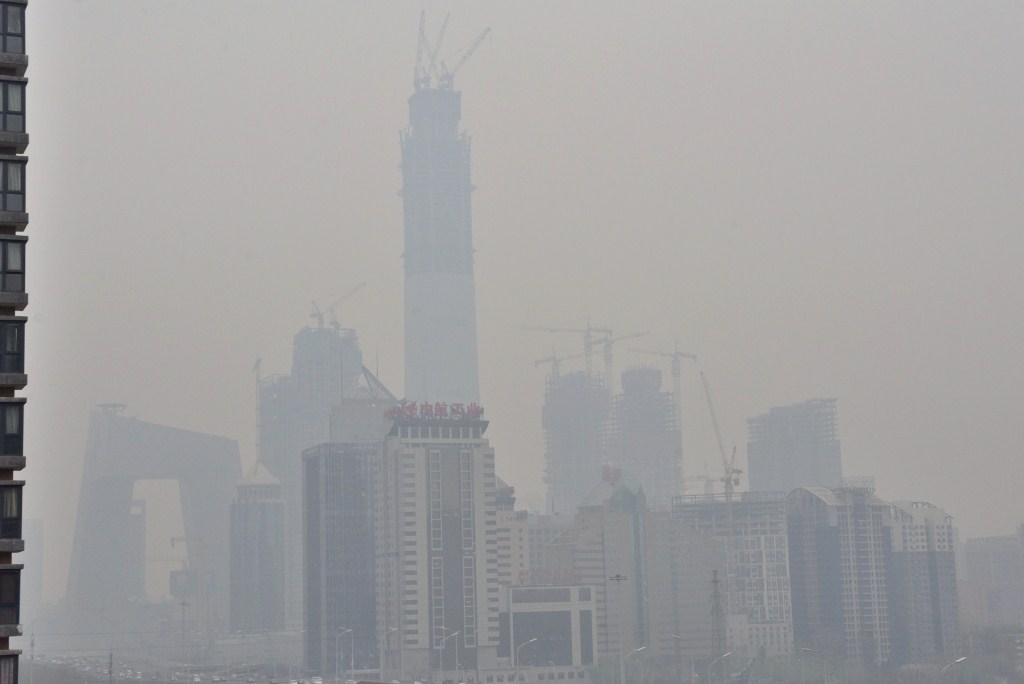
Hinnerk Feldwisch-Drentrup, Karlsruhe, Germany

Photo caption: Unclear vision

10-1

{credit}Hinnerk Feldwisch-Drentrup{/credit}

Hinnerk Feldwisch-Drentrup

Hinnerk Feldwisch-Drentrup

Hinnerk, a science journalist based in Germany, shot this picture in the Chinese capital.

“One morning in April 2017 in Beijing, when I looked out of my window, thick smog obstructed the view of the central business district.

Next to the headquarters of China’s Central Television on the left, the CIVIC tower is under construction. Nicknamed ‘China Zun’, or ‘China’s dignity’, it could hardly serve as a reliable lighthouse or a watchtower, thanks to the smog cover that hazes out everything in sight.”

Well done Hinnerk, and great to have you in the top ten!

And with that we come to the end of this long list for this year’s contest! The Nature India photo contest 2017 brought to us some wonderful entries from around the world. The theme this year was ‘Grand Challenges’, and needed more thought and creativity than our earlier themes.

Despite the challenge, the quality and novelty of some of the entries has been breathtaking. We have had a mix of amateur and professional photographers, scientists and non-scientists, mobile cameras and high-end DSLRs — all vying to portray the complex global problems we face — the world’s grand challenges — and to look for solutions for a healthy and sustainable future.

Tough job as usual for the Nature India editorial and design team in selecting just three winners. The winners stand a chance of seeing their entries grace the cover page of one of our forthcoming print publications. The winner and two runners-up will receive a copy of the latest Nature India Special Annual Volume and an enviable bag of goodies from Springer Nature.

As a run up to the final announcement, we will be rolling out the top 10 finalists of the photo competition (in no particular order of merit) over the next few days on the Indigenus blog as well as our social media platforms (Twitter and Facebook). The final results will be announced somewhere in late December 2017.

Nature India’s final decision to chose the winner will be partly influenced by the engagement and reception he/she receives here at the Indigenus blog, on Twitter and on Facebook. To give all finalists a fair chance, we will take into consideration the social media engagement of each picture only during the first seven days of its announcement.

Watch out for our other finalists and feel free to promote, share and like your favourite entries with the hashtag #NatureIndphoto.