Immunologist calls on university to disclose details of misconduct claims

An immunologist accused last year by the National University of Singapore (NUS) of “serious scientific misconduct” relating to 21 research papers says that he refutes the accusations and is calling on the university to make public its report into the matter.

“I categorically deny having been party to any fraudulent or scientific misconduct,” Alirio Melendez, who worked at NUS before joining the University of Glasgow and the University of Liverpool in the UK, wrote on a new website on 16 October, and at the site Retraction Watch, which has been tracking the case.

Melendez has maintained for two years that he is not to blame for the problems found in papers that he co-authored. Yet in December 2012, NUS said that a committee report had found fabrication, falsification or plagiarism associated with 21 papers, and no evidence indicating that other co-authors were involved in the misconduct. Or as Melendez sees it: “without showing any proof whatsoever that I am the guilty party for scientific fraud”.

Thirteen of those papers have now been retracted, and Melendez concedes that as corresponding author he is at fault for signing off the work without overseeing it adequately — a form of misconduct in itself. But in seven of the papers in which NUS found irregularities, he stated last week, he did not contribute data generation, analysis or any part of the manuscript writing.

So far, Melendez’s counterclaims have lacked convincing detail. That is, in part, because neither Melendez nor NUS would provide details of the papers, nor the committee report. Now, Melendez tells Nature that he will shortly post a “paper-by-paper response” on his website, but that it will be his “personal statement” on the papers, not the whole report. “Since this report is confidential I cannot publish it myself without NUS permission,” he claims.

But a spokesperson for NUS told Nature last December that it is “standard procedure” there to keep research-misconduct investigations confidential (although this is not the case at some other universities that have investigated research misconduct). Pressed, she repeated this week that internal inquiries were confidential and did not reply to a query about whether a redacted version of the report might be released.

There is also dispute about whether Melendez’s concerns have been given a fair confidential hearing by  NUS. The university says that it “conducted interviews with as many authors as possible” and that Melendez declined responses when a committee visited the United Kingdom in 2011 (which Melendez puts down to ill health).

Melendez says that last year, he did send two replies to the NUS investigation, but that they did not take these responses into consideration for their final report. The NUS spokesperson agrees, and says that Melendez’s responses in 2012 did not address the irregularities that NUS found and were also not sent in time for the deadlines that the university allowed, as guided by its research integrity code. Therefore, they “were not considered part of the record of the inquiry”. But Melendez says he was never made aware of this.

In addition, the NUS stated:

As a leading research university, NUS is committed to ensuring that all allegations of research misconduct are investigated thoroughly and fairly. This investigation involved a detailed examination of the papers concerned. The University had also liaised with the various institutions involved and conducted interviews with as many authors as possible. NUS offered every opportunity at each stage to Dr Melendez to respond to the Committee’s questions during the period of the investigation. In all, the 21 papers concerned were carefully examined with the journals involved. Since then, several retractions and corrections have been issued by the journals.

Iceman may have living Alpine relatives

A reconstruction of Ötzi the Iceman.

A reconstruction of Ötzi the Iceman.{credit}South Tyrol Museum of Archaeology/A. Ochsenreire{/credit}

Ötzi the Iceman, the 5,300-year-old mummified body discovered in 1991 in the Austrian Alps, may have numerous distant relatives living in the region today.

The discovery was made following the genetic analysis of DNA samples taken from Ötzi and 3,713 male blood donors in Tyrol,  Austria, where Ötzi was found.

Forensic scientists at Innsbruck Medical University found that 19 as yet unidentified blood donors share with the Iceman a rare mutation of the male Y chromosome, which tends to be passed intact through hundreds of generations. Descendants of Ötzi, whose genome was published in February, may also live in South Tyrol in Italy and in the Engadine region in Switzerland, the scientists suspect. Their findings hint at a common ancestor who may have settled in the Alps during the late Stone Age, about 10,000 years ago.

Analysis of DNA taken from the iceman’s bone cells had previously revealed that Ötzi had brown eyes and type O blood. Moreover, he seems to have been intolerant to lactose and possibly had Lyme disease.

But scientists had so far assumed that his closest present-day male relatives may live on the Mediterranean islands of Sardinia and Corsica, where the Y chromosome mutation he possesses are most commonly found.

The findings by the Innsbruck Medical University are part of the TirolStudie, a study into the historic and genetic origin of the Tyrolean population (resulting publications are listed here).

The Neolithic Iceman, complete with clothes and possessions, is exhibited at the South Tyrol Museum of Archaeology in Bolzano.

MacArthur Foundation awards 2013 ‘genius grants’

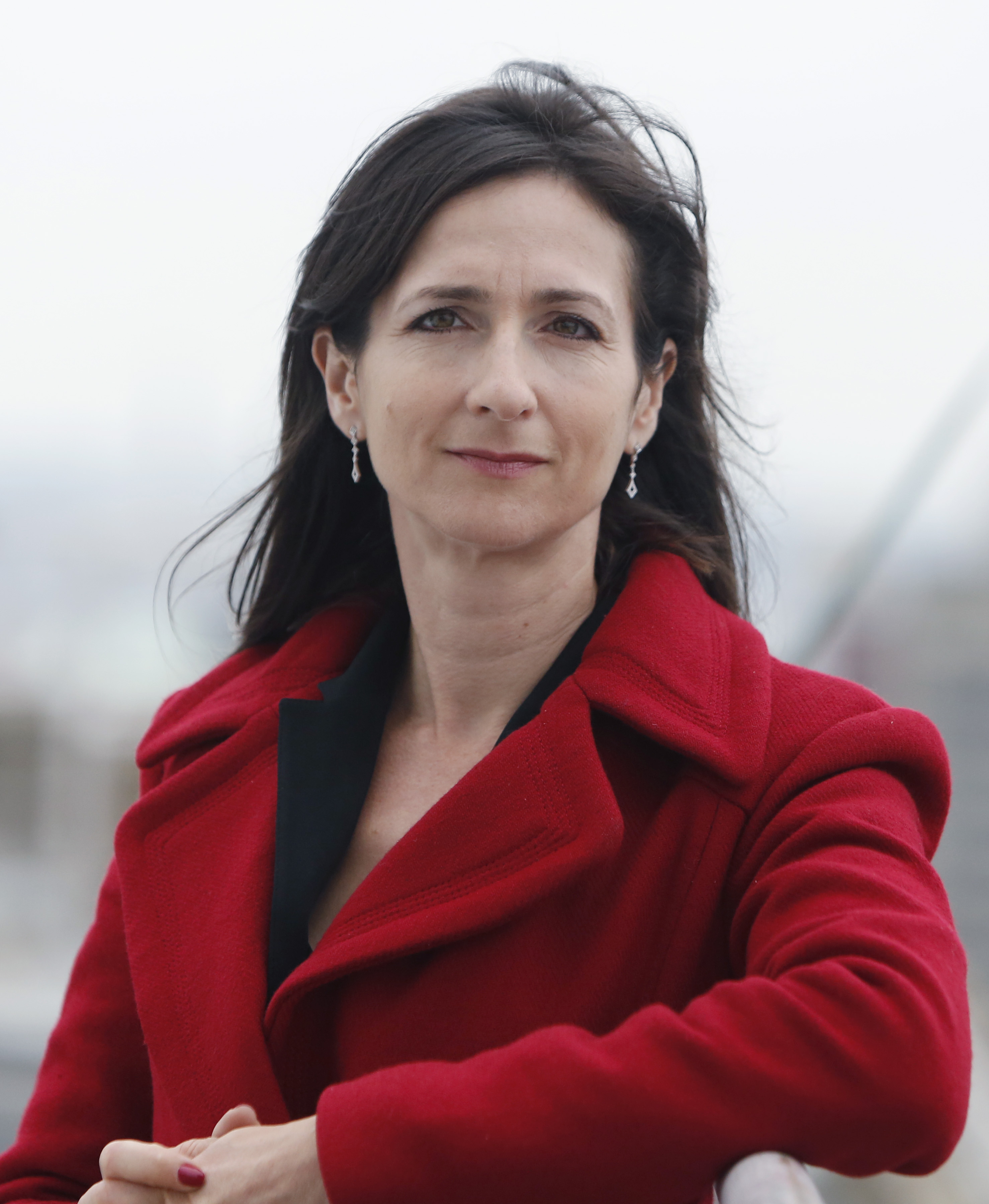
Astrophysicist Sara Seager is named a 2013 MacArthur Fellow

Astrophysicist Sara Seager is named a 2013 MacArthur Fellow{credit}John D. & Catherine T. MacArthur Foundation{/credit}

Edited to add Julie Livingston, whom we mistakenly omitted from our list, and to correctly describe the research of Carl Haber.

Thirteen US scientists number among the 24 MacArthur Fellows chosen this year by the philanthropic MacArthur Foundation, based in Chicago, Illinois. The designation honours creative and accomplished individuals in any field with strong potential for future achievements. Winners will receive ‘no-strings-attached’ awards—commonly called ‘genius grants’—worth US$625,000, paid over five years.

Phil Baran, an organic chemist at Scripps Research Institute in La Jolla, California, has devised new approaches for synthesizing large quantities of pharmacological compounds from natural sources in the laboratory. He recently developed a cost-effective method for making cortistatin A, a marine-derived substance with potential to treat macular degeneration and cancer.

C. Kevin Boyce, a paleobotanist at Stanford University in California, examines extinct and living plants to link ancient and present-day ecosystems. He has deduced that the evolution of flowering plants influenced the water cycle in the ancient tropics, giving rise to the rainfall patterns and rich biodiversity characteristic of modern rainforests.

Colin Camerer, a behavioural economist and game theory expert at the California Institute of Technology in Pasadena, is using brain scans to understand how people predict the actions of others in complex economic interactions.

Angela Duckworth, a psychologist at the University of Pennsylvania in Philadelphia, focuses on the roles of grit (determination to achieve long-term goals), and self-control (managing immediate impulses) in personal success.

Craig Fennie, a materials scientist at Cornell University in Ithaca, New York, uses theoretical physics and solid-state chemistry to predict desirable electrical, magnetic and optical properties in new candidate materials. His work could lead to electronic devices with enhanced memory storage or materials with improved abilities to capture solar energy.

Carl Haber, an experimental physicist at Lawrence Berkeley National Laboratory in Berkeley, California, has pioneered a method to extract high-quality sound from damaged or deteriorating analog recordings, such as vinyl records. The technique was used to recover the sound of Alexander Graham Bell’s voice from a recording from 1885, which was released earlier this year.

Dina Katabi, a computer scientist at the Massachusetts Institute of Technology in Cambridge, specializes in wireless data transmission. She has developed algorithms to reduce data loss over WiFi networks, and is working to protect personal wireless devices such as pacemakers from unwanted interference and manipulation.

Julie Livingston, a medical historian at Rutgers University in New Brunswick, New Jersey, explores the treatment of chronic illness in Botswana using archival information and ethnographic techniques.

David Lobell, an agricultural ecologist at Stanford University in California, studies the effects of climate change on crop production and food security. His research on maize in Africa indicates that the plant is more sensitive to extreme heat and drought than previously thought.

Susan Murphy, a statistician at University of Michigan in Ann Arbor, is applying statistical theories to personalized medicine. For chronic or recurring problems such as depression or substance abuse, Murphy has developed a model to evaluate how physicians should modify ongoing treatment regimens based on the patient’s current state and their response to previous treatments.

Sheila Nirenberg, a neuroscientist at Weill Cornell Medical College in New York, New York, has designed a prosthetic device that could one day restore vision to patients suffering from macular degeneration and retinitis pigmentosa. The device bypasses the eye’s photoreceptor cells, which are damaged in these conditions, and sends electrical signals directly to retinal ganglion cells—the next stop in the visual pathway.

Ana Maria Rey, an atomic physicist at the University of Colorado in Boulder, is developing theories that could increase the stability of quantum computers, improve atomic clocks, and lead to new insights in quantum entanglement.

Sara Seager, an astrophysicist at the Massachusetts Institute of Technology in Cambridge who has been a member of the Kepler science team, is focused on finding and understanding planets outside of the Solar System. She has pioneered methods for studying exoplanet atmospheres, and is developing small, low-cost satellites for better observing the planets.

Iranian student awarded human-rights prize while in prison

Posted on behalf of Michele Catanzaro.

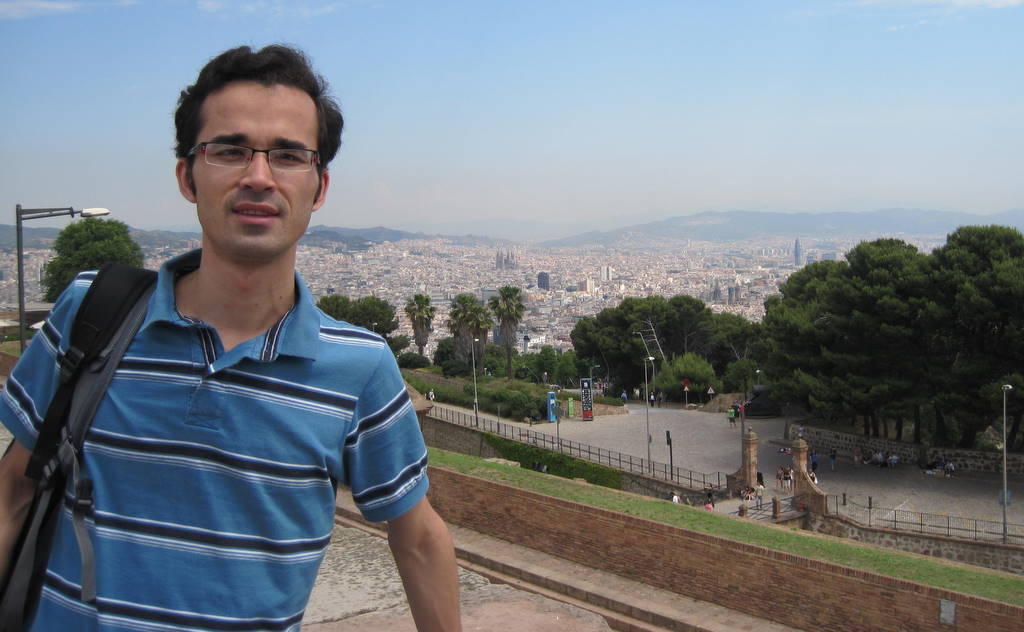
Omid Kokabee

Omid Kokabee has said he’s been imprisoned for refusing to join what he thought was a military nuclear programme.
COURTESY OMID KOKABEE

Omid Kokabee, a physics PhD student jailed in Iran since January 2011, was awarded yesterday the 2014 American Physical Society’s Andrei Sakharov Prize for “his courage in refusing to use his physics knowledge to work on projects that he deemed harmful to humanity, in the face of extreme physical and psychological pressure.”

Kokabee has said that he had been pressured to cooperate in Iranian military projects that he thought were likely part of a covert nuclear programme. It is the first time a person is awarded the prize while in prison.

The Sakharov Prize recognizes scientists committed to human rights and is named after the Russian physicist Andrei Sakharov, (1921-1989), who worked on the Soviet hydrogen bomb and later became a dissident. Sakharov received the Peace Nobel prize in 1975.

Along with Kokabee, the American Physical Society (APS) has also presented the 2014 Sakharov prize to Boris Altshuler of the Lebedev Physical Institute, for “his life-long struggle for democracy in Russia and for his advocacy on behalf of the rights of neglected children.”.

Kokabee, 31, did graduate studies in laser physics at the Institute of Photonic Sciences (ICFO) in Barcelona and at the University of Texas in Austin. He was sentenced to 10 years of prison in May 2010 for conspiring against Iran. He denied all accusations in a series of open letters, in which he also denounced ill-treatment in jail. In one letter, published in March, he wrote that the he was jailed for refusing to work on projects that were possibly related to the use of high-powered carbon dioxide laser for isotope separation.

“Kokabee is becoming an icon for science free of pressure from political influence: this independence is much in the spirit of Sakharov,” says Hossein Sadeghpour, a scientist at the Harvard-Smithsonian Center for Astrophysics and the chair of the APS Committee on the International Freedom of Scientists, which nominated the PhD student for the prize. He says that the nomination was supported by letters from prominent physicists, including a Nobel Prize laureate.

“I am happy that the prize is awarded to a person in the Middle East, because the situation of the region is very similar today to Stalin’s Russia,” says Eugene Chudnovsky, a physicist at the City University of New York and a member of the award committee who was himself a victim of repression in the Soviet Union. “Plenty of people are jailed or killed in a fight against freedom of thought.” He adds that the awardee has been selected “in part because Nature […] brought international attention to Omid”.

Now, scientists hope that the prize will improve Kokabee’s situation. The country has a new president, Hassan Rouhani, who is seen as more moderate than his predecessor. “Omid Kokabee’s case presents a good opportunity for Rouhani to show he wants to improve Iran’s human-rights standards”, says Chudnovsky.

In August, an Iranian opposition magazine published a letter in which Kokabee complained for having been refused a temporary prison leave to present results at a physics conference held in late August in Iran. His submission, made from jail, was accepted by the conference organizers, and he was assigned a time slot. Prison authorities argued that they could not afford the security and transport costs, the letter says.

Lasker Awards go to rapid neurotransmitter release and modern cochlear implant

Lasker_logo-2Cross-posted on behalf of Arielle Duhaime-Ross from Nature Medicine’s Spoonful of Medicine blog.

A very brainy area of research has scooped up one of this year’s $250,000 Lasker prizes, announced today: The Albert Lasker Basic Medical Research Award has gone to two researchers who shed light on the molecular mechanisms behind the rapid release of neurotransmitters — findings that have implications for understanding the biology of mental illnesses such as schizophrenia, as well the cellular functions underlying learning and memory formation.

By systematically analyzing proteins capable of quickly releasing chemicals in the brain, Genentech’s Richard Scheller and Stanford University’s Thomas Südhof advanced our understanding of how calcium ions regulate the fusion of vesicles with cell membranes during neurotransmission. Among Scheller’s achievements is the identification of three proteins — SNAP-25, syntaxin and VAMP/synaptobrevin — that have a vital role in neurotransmission and molecular machinery recycling. Moreover, Südhof’s observations elucidated how a protein called synaptotagmin functions as a calcium sensor, allowing these ions to enter the cell. Thanks to these discoveries, scientists were later able to understand how abnormalities in the function of these proteins contribute to some of the world’s most destructive neurological illnesses. (For an essay by Südhof on synaptotagmin, click here.)

The Lasker-DeBakey Clinical Medical Research Award went to three researchers whose work led to the development of the modern cochlear implant, which allows the profoundly deaf to perceive sound. During the 1960s and 1970s Greame Clark of the University of Melbourne and Ingeborg Hochmair, CEO of cochlear implant manufacturer MED-EL, independently designed implant components that, when combined, transformed acoustical information into electrical signals capable of exciting the auditory nerve. Duke University’s Blake Wilson later contributed his “continuous interleaved sampling” system, which gave the majority of cochlear implant wearers the ability to understand speech clearly without visual cues. (For a viewpoint by Graeme addressing the evolving science of cochlear implants, click here.)

Bill and Melinda Gates were also honored this year with the Lasker-Bloomberg Public Service Award. Through their foundation, the couple has made large investments in helping people living in developing countries gain access to vaccines and drugs. The Seattle-based Bill & Melinda Gates Foundation also runs programs to educate women about proper nutrition for their families and themselves. The organization has a broad mandate in public health; one of its most well known projects is the development of a low-cost toilet that will have the ability to operate without water.

The full collection of Lasker essays, as well as a Q&A between Lasker president Claire Pomeroy and the Gateses, can be found here.

Two scientists to join Italian senate

Carlo Rubbia

Nobel-laureate physicist Carlo Rubbia was appointed to the Italian senate together with stem-cell scientist Elena Cattaneo.
MARKUS PÖSSEL/WIKIMEDIA COMMONS

Posted on behalf of Nicola Nosengo.

Two scientists are among the four new senators for life appointed today by Italy’s president, Giorgio Napolitano. Particle physicist and Nobel Prize winner Carlo Rubbia and stem-cell specialist Elena Cattaneo will become permanent members of the Italian Senate, along with the orchestra conductor Claudio Abbado and the architect Renzo Piano, whose appointments were also announced today.

Born in 1934, Rubbia is one of Italy’s most famous and respected living scientists. He spent most of his career at the European Organization for Nuclear Research (CERN) in Geneva, where he also served as director general between 1989 and 1993. In 1984 he was awarded the Nobel Prize for physics together with Simon Van deer Meer for the discovery of the W and Z bosons, the particles responsible for the weak interaction, one of the four fundamental forces in nature.

The appointment of Elena Cattaneo is possibly more surprising. Cattaneo, who heads the Laboratory for Stem Cell Biology and Pharmacology of Neurodegenerative Diseases at the University of Milan, is a leading expert in her field, and only a few weeks ago became a member of the Accademia dei Lincei in Rome, Italy’s national academy. But outside the scientific community she is nowhere near as famous as Rubbia (let alone Piano or Abbado), and at 51 she is much younger than the average senator-for-life. In his official statement, Napolitano said that he wanted to appoint “a female scientist who is still young but has already achieved a lot” and that “choosing her is meant as an appreciation and an encouragement for many Italians of the new generations who commit themselves, amid difficulties, to scientific research”.

In the last few months Cattaneo has often taken strong public positions against the “Stamina” method, a controversial stem-cell therapy which most scientists consider unproved, but for which parliament has agreed to fund a trial (see ‘Italian stem-cell trial based on flawed data‘ and ‘Stem-cell ruling riles researchers‘). Napolitano made no reference to the controversy, but Cattaneo’s role in it may have helped her cause.

The appointments are a welcome surprise for Italian scientists, who are having had a hard time trying to make their voice heard in the capital and for instance have complained about restrictive regulation on animal research that were passed recently into law. Cattaneo and Rubbia will now have the same voting rights as elected senators — but for the rest of their lives. Their votes could be significant in a country where governments often survive on thin majorities: the late neuroscientist Rita Levi-Montalcini in 2006 threatened to vote against Romano Prodi’s government – kept alive by a handful of votes — unless he withdrew a plan to cut the budget for scientific research. It worked.

Italy’s constitution gives the president the power to appoint up to five senators for life during his mandate, for “high merits in the social, scientific, artistic and literary fields”. Since 1948 – when Italy become a Republic – presidents have appointed mostly former politicians and civil servants, with the addition of the occasional artist, writer or entrepreneur. Only two scientists had previously received the honour: mathematician Guido Castelnuovo in 1949 and Levi-Montalcini in 2001. The recent deaths of Montalcini, who passed away at the age of 103, and of three  other senators for life had left four empty seats, which Napolitano has now filled.

Pitch-drop custodian dies without witnessing a drop fall

Posted on behalf of Brian Owens.

Pitch-Drop-March-2013-credits

John Mainstone, who for 52 years tended to one of the world’s longest-running laboratory experiments but never saw it bear fruit with his own eyes, died on 23 August after suffering a stroke. He was 78.

Mainstone had been looking after the pitch-drop experiment at the University of Queensland in Brisbane, Australia since he arrived at the university as a physics professor in 1961. The experiment, set up in 1927 by the university’s first head of the physics department, Thomas Parnell, consists of a sample of tar pitch slowly running through a funnel (see ‘Long-term research: Slow science‘).

The pitch forms a drop that falls into a waiting beaker about once every decade or so. In the 52 years that Mainstone spent watching the pitch, he never managed to see a drop fall. In 2000, when the eighth drop fell, the webcam set up to capture it failed at the critical moment. With three cameras trained on it now, Mainstone had been looking forward to finally seeing the experiment in action later this year, when the ninth drop is expected to fall. But sadly the pitch proved too slow-moving for him in the end.

Mainstone did, however, get to see video of a drop falling from a similar experiment in Ireland earlier this summer. “I have been examining the video over and over again,” he told Nature at the time, “and there were a number of things about it that were really quite tantalizing for a very long-time pitch-drop observer like myself.”

The pitch drop had become famous in the past few decades, thanks in no small part to Mainstone’s years-long campaign to get the university to put it on public display. It is listed as the worlds longest-running laboratory experiment in the Guinness Book of World Records, and in 2005 Mainstone shared an Ig Nobel Prize in physics with Parnell for their work on it.

Mainstone was always happy to talk about the experiment, and would explain enthusiastically (and at some length) what it meant not just for science, but for the wider culture, to have something that enables us to think more deeply about the passage of time, and our place in the universe. “It’s going about its business while the world is going though all sorts of turmoil,” he told Nature in January.

This is not the end for the pitch drop experiment. Mainstone lined up his successor years ago, in anticipation of the time when he would no longer be able to take care of the apparatus, which has enough pitch in it to keep going for another 150 years. And so Andrew White, a physicist at the university and one of Mainstone’s former students, will now take over the vigil.