Cuneiform clay tablets discovered in Kurdistan

The tablets are valuable and could reveal insights into Bronze age Iraq.

The tablets are valuable and could reveal insights into Bronze age Iraq.{credit}Peter Pfälzner, University of Tübingen{/credit}

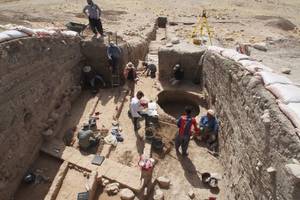
University of Tübingen archaeologists unearthed 93 clay tablets adorned with cuneiform pictograms, an early Sumerian writing system, in the Kurdish region of northern Iraq. The archive dates back to 1250 BCE.

The tablets were dug out of Bassetki, an ancient Bronze-age site which was only discovered in 2013, and whose location lay along busy trade routes from Mesopotamia to Anatolia and Syria.

“Bassetki was of key significance on important trade routes,” Peter Pfälzner, lead archaeologist, says of the discovery. “Our finds provide evidence that this early urban center in northern Mesopotamia was settled almost continuously from approximately 3000 to 600 BCE.”

A big chunk of tablets had been deposited in a ceramic pot, probably used for storage, in a room inside a destroyed Assyrian building.

“The vessels may have been hidden this way shortly after the surrounding building was destroyed. Perhaps the information inside it was meant to be protected and preserved for posterity,” says Pfälzner.

A fragment of the clay tablet contains mentions of a temple to the ancient goddess Gula. However, the scientists believe it might be too early to rule whether they’re looking at legal, or religious text.

The researchers will begin translating the text in Germany, which they say will be challenging, time-consuming and intense since many of the tablets are either unbaked or badly worn.

Machines moved by mind

3Q: José Millán

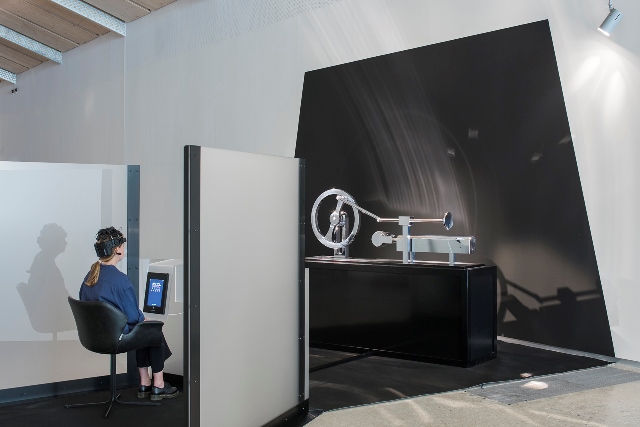
A 'mental worker' (behind screen at right) with Machine 1 at the exhibition Mental Work.

A visitor (behind screen at right) driving Machine 1 using the force of their own thoughts, at the exhibition Mental Work.{credit}© Photography Adrien Baraka / Mental Work{/credit}

At Mental Work, an exhibition at the Swiss Federal Institute of Technology Lausanne ArtLab (EPFL), visitors can drive simple machines using the force of their own thoughts. Probing the rapidly changing relationship between humans and technology, these artworks will also generate vast amounts of data that will be shared with researchers around the world. The show is a collaboration between experimental philosopher Jonathan Keats and EPFL neuroengineer José Millán, who develops brain-machine interfaces (BMIs) to help people with paralysis. Here, Millán talks pistons, probability and the debate over who or what is in control.

What will visitors experience at the show?

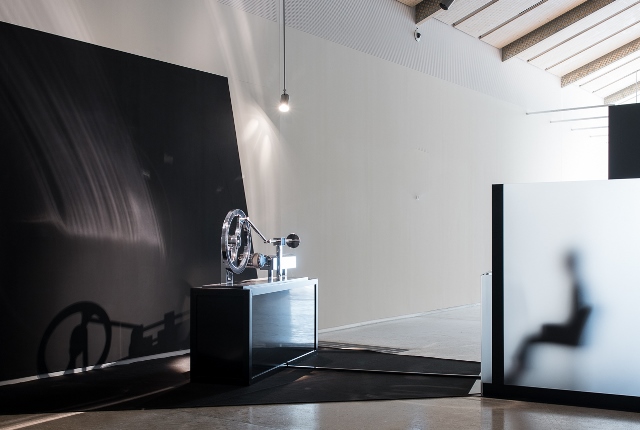
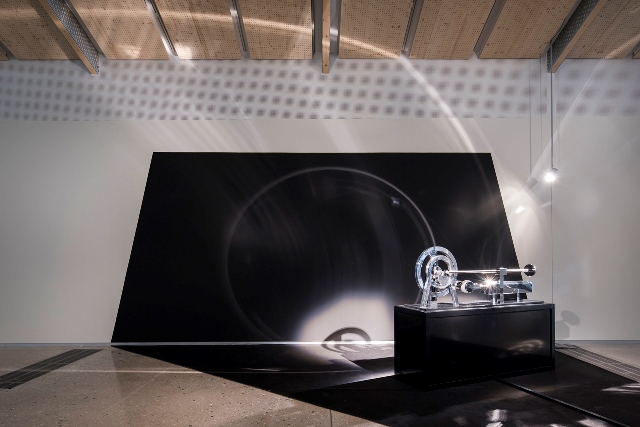
Some will be active participants in three experiments; others will watch them work. The participants, or ‘mental workers’, wear an EEG helmet studded with 19 dry electrodes — which continuously pick up electrical activity in their brains. In the first experiment they sit in front of a 2-metre-long construction (Machine 1) comprising a piston, fly-wheel and horizontal shaft. Using mental imagery, they try to move the piston onto the fly wheel; this starts the wheel turning, driving the shaft through a bolt. The brain-machine interface or BMI that makes this possible is an algorithm that has to be trained to ‘read’ the mind of each driver. The driver instigates the training by making a binary movement of the hand or foot, such as clenching and opening a fist, while simultaneously imagining the piston moving or stopping. The algorithm learns the stop-go instructions from patterns of the data from the electrodes, and converts them into commands for the piston. Because the data are always noisy and variable, the command is based on probability; but we program the piston motor to generate movement only when the probability is high — usually in the 70-90% range.

xxx

Another view of a ‘mental worker’ with Machine 1.{credit}© Photography Adrien Baraka / Mental Work{/credit}

What happens in the other two experiments?

They are more complex, and so are the machines. Participants take the role of either ‘driver’ or ‘supervisor’. Supervisors may change the level of probability through their own mental imagery, so the driver has a harder or easier (but messier) job of getting the machine to work. Or the supervisors may use their mental imagery to instruct the BMI to stop using mental imagery altogether, and switch to a different algorithm that use patterns of alpha waves — the brain-wide oscillations generated when the brain is at rest — to drive movement. In this case, the supervisor also uses mental imagery to instruct the driver to relax and ‘empty’ his or her brain. This is the part I am terrified about! We can get this to work in the lab, but it gets so complicated we don’t know what will happen when it is tested in more open conditions. We’ll also distribute a questionnaire asking participants whether they felt they were controlling the machines or if the machines were controlling them.


xxx

Machine 2, where ‘drivers’ have their threshold adjusted using a brain-machine interface or BMI.{credit}© Photography Adrien Baraka / Mental Work{/credit}

What do you want to emerge from the exhibition?

We are entering a cognitive revolution in which we will increasingly use many different new technologies to tap into or extend the capabilities of our brains. I hope that Mental Work will help generate a societal debate about this. Could brain power be used to carry out real work in the real world? What would that mean for employment? Will machines take control of our minds, or will our minds always have the control of machines? Personally, I am optimistic – I think the future is up to us. But the debate needs to start now. I hope visitors to this show will also enjoy the aesthetics of these artistic machines. Meanwhile, the data will be very valuable scientifically. We will capture and share it with the BMI research community, which is constantly trying to improve interfaces, for example by increasing the probability that brain signals are correctly read. Our experience suggests that many participants improve their performance as they move from one machine to another, and I expect that the research community will also be able to develop better machine-learning techniques for BMI users. At the end of the day what I really want is help BMI users, particularly  people with paralysis, to generate brain signals that are more stable and easier to decode.

Interview by Alison Abbott, senior European correspondent for Nature. She tweets at @alison_c_abbott

 This interview has been edited for length and clarity.

Mental Work runs from 27 October – 31 January 2018. The first two weeks are open for registered participants only, so any visitors wishing to participate as ‘mental workers’ must first sign up on the website mentalwork.net. The show opens to the general public on 13 November. It will subsequently move on to swissnex San Francisco in California. 


For Nature’s full coverage of science in culture, visit www.nature.com/news/booksandarts.

A scientist who can cut your electricity bill

Mumbai-born Aaswath Raman, who grew up in Canada and is now a Canadian citizen, researches unique new ways of harnessing a largely unexploited renewable source of energy — the cold of the universe. Raman moved to the USA for his bachelor’s degree in 2002 and is currently a research associate with the Ginzton Laboratory at Stanford University, where he investigates “radiative or sky cooling” to develop prototype systems for cooling, refrigeration and beyond.

K. S. Jayaraman spoke to Aaswath Raman to find out how you can air-condition your building without electricity.

Here’s Jayaraman’s guest blog.

Aaswath Raman

Aaswath Raman

Aaswath Raman and his colleagues at Stanford University recently reported1 that it is potentially possible to air-condition a building through the technology of “radiative sky cooling” using a new coating material they have developed.

I wrote to Raman, co-lead author of this paper, and he replied explaining the mechanism: “Radiative sky cooling exploits a natural property of our atmosphere. If you can dissipate heat as infrared radiation into something that is very cold  like outer space you can cool a building without any electricity. This then provides a completely passive, non-evaporative way to cool below the ambient air temperature.”

The heart of the invention is an ultrathin multilayered material Raman and co-workers Eli Goldstein and Shanhui Fan had developed and first tested in 2014. The material, made of seven layers of silicon dioxide and hafnium oxide on top of a thin layer of silver, does two things at the same time. It beams invisible infrared heat from within a building into the cold outer space (using it as a heat sink), while simultaneously reflecting virtually all of the incoming sunlight that would otherwise warm up the building.

According to the authors, the material thus acts both “as a radiator and an excellent mirror” and the net result is cooler buildings that require less air conditioning. “The internal structure of the material is tuned to radiate infrared rays at a frequency that lets them pass into space without warming the air near the building.”

In 2014, these researchers showed that optical surfaces could be designed to enable this cooling effect even on a sunny day. In their recent work, they tested a system with panels coated with the specialised material laid atop pipes of running water on the roof of a Stanford University building. They found the panels were able to consistently reduce the temperature of the water 3 to 5 degrees Celsius below ambient air temperature over a period of three days.

When connected to refrigeration or air conditioning systems they can improve efficiency 20% or more. Raman and his colleagues are now commercialising the technology as a startup, SkyCool Systems, and have a pilot demonstration active in California, USA. They have already partnered with a manufacturer that can produce large sheets of the cooling material for further development.

The panels in operation with cooling systems at a field trial in the US.

The panels in operation with cooling systems at a field trial in the US.

And how does it apply to a country like India? “For Indian buildings our fluid cooling panels can have a major impact in commercial refrigeration in supermarkets, cold storage facilities, data centers, office buildings, malls and other commercial buildings,” he offers. “Also, there is the remarkable opportunity to use this technology to enable completely electricity-free, low-grade cooling in rural scenarios.”

At least two technical problems remain to be solved before the technology is put to practical use. The engineers must first figure out how to efficiently deliver the building’s heat to the coating material and secondly, create fabrication facilities that can make the panels at the scales needed.

  1. Goldstein, E. A. et al.  Sub-ambient non-evaporative fluid cooling with the sky. Nat. Energy (2017) doi: 10.1038/nenergy.2017.143

Do you hear me?

An innovative and affordable infant hearing screening device was launched in New Delhi this week. Nature India intern Kate Telma, from the Graduate Program in Science Writing at the Massachusetts Institute of Technology (MIT), attended the launch and came back educated about the significance and necessity of auditory screening for newborns.

Here’s her guest post about the device Sohum, whose name comes from Vedic philosophy – the Sanskrit meaning closely reflecting the Universe’s response to a child’s first cry.

“The most important thing is to screen babies — on time — no matter where they are born,” says Nitin Sisodia, the founder and CEO of Sohum Innovation Lab, a market-driven solutions firm that works to improve the health and incomes of people living in resource-poor settings.

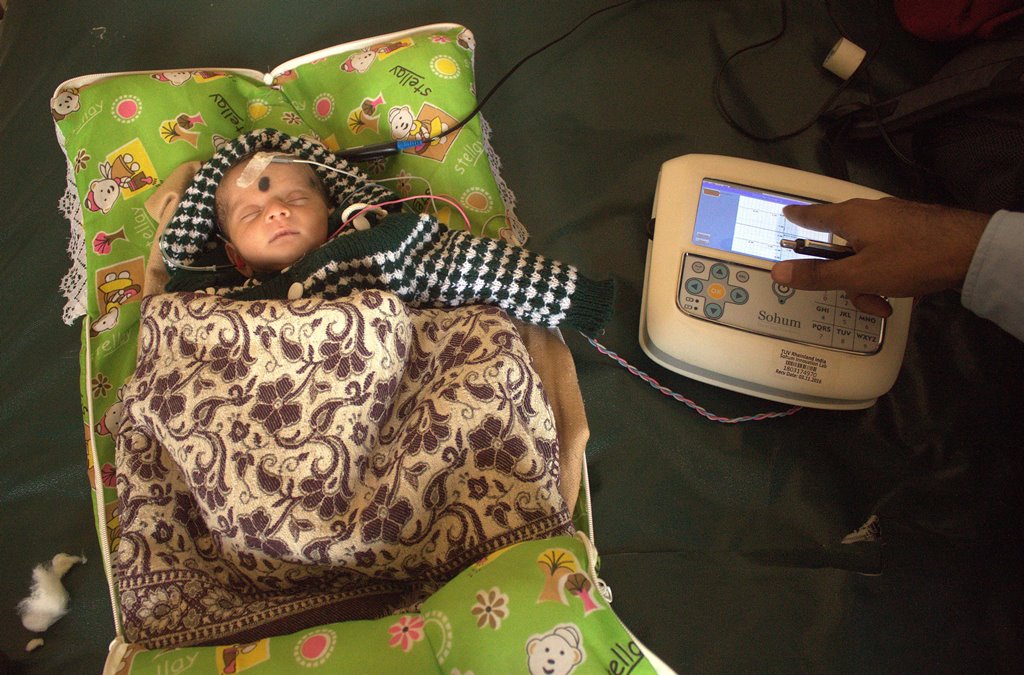
Sisodia and his team of designers, engineers, & business people are now focused on spreading awareness around hearing loss, testing infants and creating an army of training audiologists to do the job. Their newborn hearing screening device Sohum measures an auditory brainstem response, considered the gold standard in auditory testing. Designed for mass screening, the test takes only 90 seconds and can be performed on an infant who is awake.

Sisodia is a 2010 School of International Biodesign (formerly Stanford India Biodesign) fellow, and was chosen to represent one of the 35 startups to visit the Silicon Valley with India’s Prime Minister Narendra Modi in 2015.

The device was developed with support from the Department of Biotechnology and mentorship from AIIMS, IIT Delhi, and Stanford University. Launched July 17 in New Delhi, it is the fourth product to come from the School of International Biodesign programme (SIB), an initiative that focuses on innovative, low-cost, ‘Made in India’ technologies and devices. Other successful products include Qora, a fecal incontinence management system that debuted in India last year.

Sohum Device in Clinic

{credit}Karthikeyan Gopinathan{/credit}

Each year, 800,000 babies are born with hearing loss — 100,000 of them in India. Roughly 90% of children with hearing impairments in the first month of life are born in low- and middle- income countries. Children in these settings are also more likely to have ear infections or meningitis, other causes for hearing loss that contribute to compromised education and employment later in life.

Ideally, hearing deficits would be detected by three months of age; by six months, the child is fitted with hearing aids or cochlear implant. Currently, hearing loss is diagnosed around age 4, and often much later. Most times, this is too late for effective intervention.

The lack of newborn screening in India has been a concern. While nearly all infants born in the US are screened, and more than 33 European countries have nation-wide screenings in place, majority of hospitals in India do not offer any hearing screening.

Sohum is easy to handle. Even semi-skilled healthcare workers can easily interpret the simple read out of “pass,” “refer,” or “redo”. Data is sent to remote audiologists for verification, and added to a central data bank. The device also functions well in noisy settings, performing with 100% sensitivity in 60 decibels — about the noise level of a busy classroom or restaurant.

The device is expected to be made available to hospitals and primary care centres across India, with plans to reach out to maternity centres and vaccination camps to screen babies born at home. Balram Bhargava, the SIB executive director had a word of advice for the Sohum team. “You will have to manufacture fast,” he said, because the need and demand are clear.

An app for blood delivery

[This blog post was updated on 28 June 2017 to include some more sources that estimate voluntary blood donation in India and to address other issues around it.]

Kate Telma

Kate Telma

Need a unit of A- blood delivered to your hospital? There’s an app for that.

Nature India intern Kate Telma, from the Graduate Program in Science Writing at the Massachusetts Institute of Technology (MIT), met an enthusiastic group of blood donors at the India Habitat Centre in New Delhi this week.

Here’s her guest post on this life-saving app they launched to mark World Blood Donor Day on June 14.

While cycling through the city, your phone pings. Someone in the area with your blood type needs blood. In less than a minute, you swipe through the pre-screening questions — Any drinks last night? Currently on antibiotics? Dengue, chikungunya, or jaundice in the last six months? Pre-screening approved, you head to the nearby hospital to donate blood.

That’s the ‘Donor On Call’ Android app (iOS and Windows versions in the works), which connects patients in the National Capital Region of India with nearby, voluntary blood donors.

A screenshot of the app

A screenshot of the app

The number of non-remunerative blood donations in India has been on the rise since the country adopted the in the early 2000s. The World Health Organization (WHO) estimated that voluntary blood donation in India had risen to 85% percent in 2016. But hematologist Dharma Choudhury, who mentors Donor On Call, estimates the percentage of voluntary donations to be much lower. The remainder of collected blood units are known as “replacements”.  When someone needs a blood transfusion, family members and friends are called to give units of blood to the hospital blood bank to replace the blood credited to the patient.

Pratap Chandnani founded Donor On Call in 2014 through the Green Shakti Foundation, an organization that engages Delhi NCR citizens on issues of environmental sustainability, urbanization, and resource utilization. By connecting recipients directly with donors in real time, Chandnani hopes to reduce blood storage costs, and to prevent wasting some of the estimated 600,000 litres of blood thrown out by hospitals across India in the last five years. Though discarding some of these blood units was inevitable—donated blood needs to be screened for sterility and pass serological testing before it can be safely given to anybody else—some of the blood was likely thrown out because it had been stored beyond its validity.

Unlike more traditional organ and blood donation programmes, Donor On Call encourages donors to get to know recipients. “Very rarely, there are situations where people want to donate on their birthday, or their anniversary,” to anybody who needs it, says Chandnani. “As a norm, it will be a specific need. You know the patient; you have an idea of the disease.”

The choice of allowing the donor to know the recipient—and vice versa—is not without controversy. Rajat Kumar Agarwal, a senior volunteer at the Sankalp India Foundation in Bangalore, cites the WHO Code of Ethics for Blood Donation and Transfusion, which mandates anonymity between donor and recipient.

“By suggesting that blood donation should happen at the time of need, [and] that too with the involvement of the family of the patient, the proposed solution actually violates two fundamental elements of the design of any modern blood transfusion service – a) The need to have adequate supply of blood on [the] shelf for each patient in need – thoroughly tested and processed. And b) the fact that the responsibility of organising blood is that of the hospital and not of the patient’s family,” Agarwal wrote in an email to Nature India.

Currently, Donor On Call is focused on building a robust donor base in the Delhi NCR area, and has roughly 6,100 donors registered so far. In addition to organizing blood for specific rare groups, Donor On Call encourages donors to pursue a healthy lifestyle through yoga, cycling, running and nature walks. Demand for the service is spreading to smaller towns such as Singrauli and Simla, but Chandnani worries that the mobile network might not support the app in the northern region. The developers are also creating a manual call-in option for people without access to smart phones.

Donors at the launch voiced some concerns, like feeling they needed to donate in response to a request, even if they couldn’t. In some cases, concerned family members submit several requests, depleting the donors in the area even without medical need. And there was a rumour of a couple rogue donors charging for their donation. Chandnani’s concerns for the app centre around seasonal impacts and climate change. Shifting weather patterns have brought previously unseen diseases such as dengue to the area. The air pollution levels during the winter in Delhi are very high, so a good number of donors go on antibiotics.

Imaging exodus: a thermographic lens on refugees

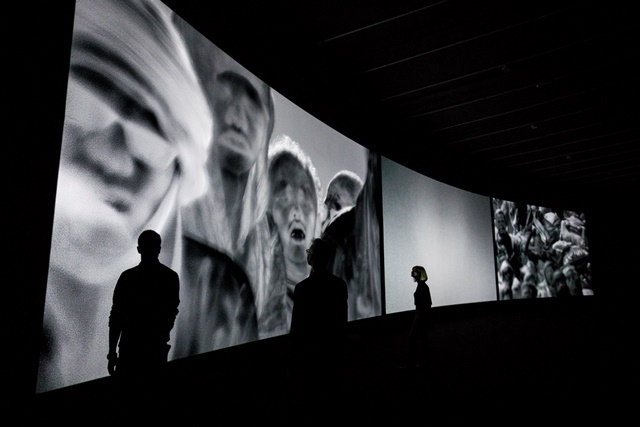
Incoming: installation view, by Richard Mosse in collaboration with Trevor Tweeten and Ben Frost, at The Curve, Barbican Centre, London.

Incoming: installation view, by Richard Mosse in collaboration with Trevor Tweeten and Ben Frost, at The Curve, Barbican Centre, London.{credit}Photo by Tristan Fewings/Getty images{/credit}

Posted on behalf of Philip Parker

Like war photography, images of the refugee crisis can elicit a disorienting mix of empathy and disbelief. Photographer Nilüfer Demir’s 2015 image of lifeless toddler Alan Kurdi, face down on a Turkish beach, is a case in point. Now film installation Incoming at London’s Barbican, by Irish photographer Richard Mosse, offers an original, unsettling perspective on the crisis.

To escape some of the tropes of documentary photography, Mosse has experimented with non-standard processes such as 16-millimetre infrared film, which colourises in pinks and purples. For Incoming, he used a ‘camera’ classified as a weapon — a military-grade device created by a drone and missile designer that uses thermographic technology to detect people at 30 kilometres. Controlled by the International Traffic in Arms Regulations, it was designed for use in ballistics targeting and surveillance. For the show (which finishes on 23 April, moving to Melbourne, Australia, in the autumn), the images of refugees on journeys from the Middle East to Europe are displayed across a triptych of three 8-metre-wide curving screens. Mosse has repurposed a technology of war for ostensibly humanitarian ends.

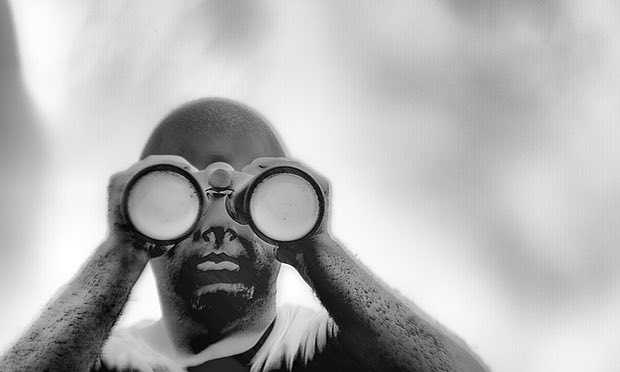
Still frame from Incoming, 2015–2016. Three-screen video installation by Richard Mosse in collaboration with Trevor Tweeten and Ben Frost.

Still frame from Incoming, 2015–2016. Three-screen video installation by Richard Mosse in collaboration with Trevor Tweeten and Ben Frost.{credit}Courtesy of the artist, Jack Shainman Gallery, New York and carlier|gebauer, Berlin.{/credit}

The device — capable of resolving fine detail in darkness and through fog and smoke — was ideal for capturing subjects in difficult conditions. It uses middle-wavelength infrared, with optics specially created from the rare earth germanium, and sensors made from cadmium telluride to detect heat contours. Mosse and his cinematographer had to devise a rig to carry the 23-kilogram camera, plus steadicam and computer.

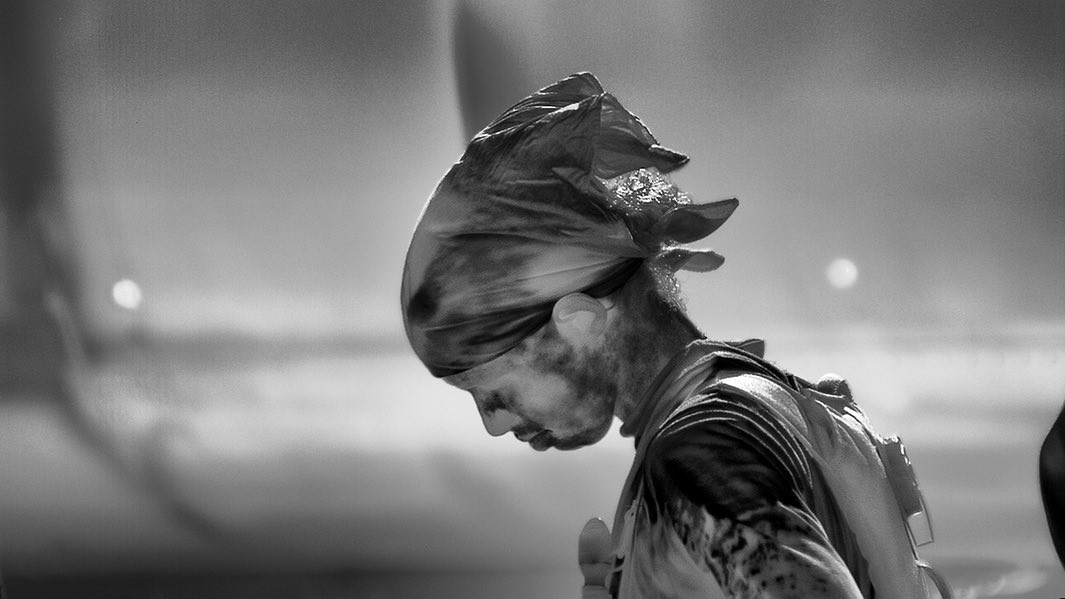
They spent two years filming the routes trekked by refugees – from Syria, Iraq and Afghanistan across the Aegean, through North Africa into Europe, and inside camps in Greece and Germany. The 50-minute Incoming captures the gritty realities: a rescue at sea; a lorry lumbering, overloaded with human cargo. But the imaging renders these scenes uncanny. The people are negatives, variations in skin colour evened out and noses and lips whitened; every fold in their clothes is etched, but they are rendered in shades of grey. A man appears to be washing his face in oil (water appears black). A fire in a camp billows like grey liquid. One beautifully composed scene picks out kites being flown in front of a bare mountain range, but as the imaging gives no sense of scale, the black darts resemble a fleet of stealth bombers. Mosse has slowed the footage to less than half its usual 60 frames a second, giving it a balletic aesthetic at odds with the raw subject matter.

Still frame from Incoming, 2015–2016. Three-screen video installation by Richard Mosse in collaboration with Trevor Tweeten and Ben Frost.

Still frame from Incoming, 2015–2016. Three-screen video installation by Richard Mosse in collaboration with Trevor Tweeten and Ben Frost.{credit}Courtesy of the artist, Jack Shainman Gallery, New York and carlier|gebauer, Berlin.{/credit}

Mosse often lingers over his subjects — we spend a long time staring at hairs on the arm of a distant policeman. In more intimate scenes, the detail serves to distort. Ultra-closeups of the postmortem of a child who drowned at sea is clinical and disturbingly unemotional, even with the high-pitched wail of a saw carving a bone sample for DNA identification. Each person’s eyes are black apertures, any sense of the individual erased.

Mosse shot almost every scene without his subjects’ knowledge. In a British Journal of Photography article on Incoming, he was quoted as saying that this allowed authenticity and “portraiture of extraordinary tenderness”. In my view, the technology renders real people with real grief and hopes into an anonymous mass – of the other, the migrant, the stateless. For soldiers, this distancing is undoubtedly an advantage; as a viewer, I became alienated.

Richard Mosse in collaboration with Trevor Tweeten and Ben Frost, The Curve, Barbican Centre.

Richard Mosse in collaboration with Trevor Tweeten and Ben Frost,
The Curve, Barbican Centre.{credit}Photo by Tristan Fewings/Getty images{/credit}

The United Nations estimates that over 65 million people are displaced globally, more than at any time since the Second World War. With climate change and political instability ongoing, that figure looks likely to increase. In an accompanying book, Mosse claims that he wished to reconcile the camera’s capacities with the “harsh, disparate, unpredictable and frequently tragic narratives of migration and displacement”. But we know the name of Alan Kurdi, the subject of Demir’s unforgettable photograph; the unnamed, monochrome hordes in Mosse’s film ultimately become abstractions. For all the thermal imaging, Incoming left me cold.

Philip Parker trained as a scientist, worked in publishing and with campaigning organisations. He is currently Stamp Strategy Manager for Royal Mail. He tweets at @parkerpj01.

Incoming is at The Curve Gallery at the Barbican, London, until 23 April, and will travel to Melbourne, Australia, in autumn 2017. It is co-commissioned by the Barbican and the National Gallery of Victoria in Melbourne.


For Nature’s full coverage of science in culture, visit www.nature.com/news/booksandarts.

Visual experiments straddling art and science

Filmmaker Markos Kay.

Filmmaker Markos Kay.{credit}courtesy of Eliza McNitt{/credit}

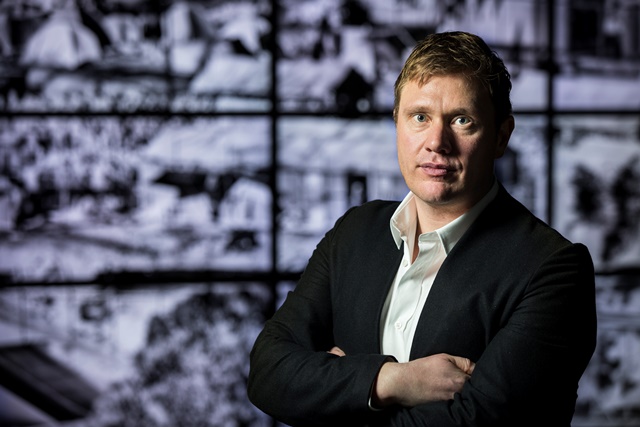
Digital artist and director Markos Kay pioneers at visualising the unvisualisable.

“Art and science are drivers of cultures,” says Kay, who visited the Middle East for the first time last month to exhibit a new film called ‘Quantum Fluctuations: Experiments in Flux’ at the Imagine Science Film Festival in Abu Dhabi. “I want to challenge our ideas of how our knowledge of reality is formed.”

He is perhaps best known for a generative short called The Flow (2011), which was featured in an episode of the TV hit series Breaking Bad.

The Flow takes its audience inside a proton, with the aid of simulation software and algorithms, to see a dramatically-visualised interplay of quarks and electrons, resulting in nuclei and atoms. “I was really frustrated that nobody is trying to visualise all this in a more accurate way, so I tried to make my own film. I wanted to show people how complex this stuff is,” he says.

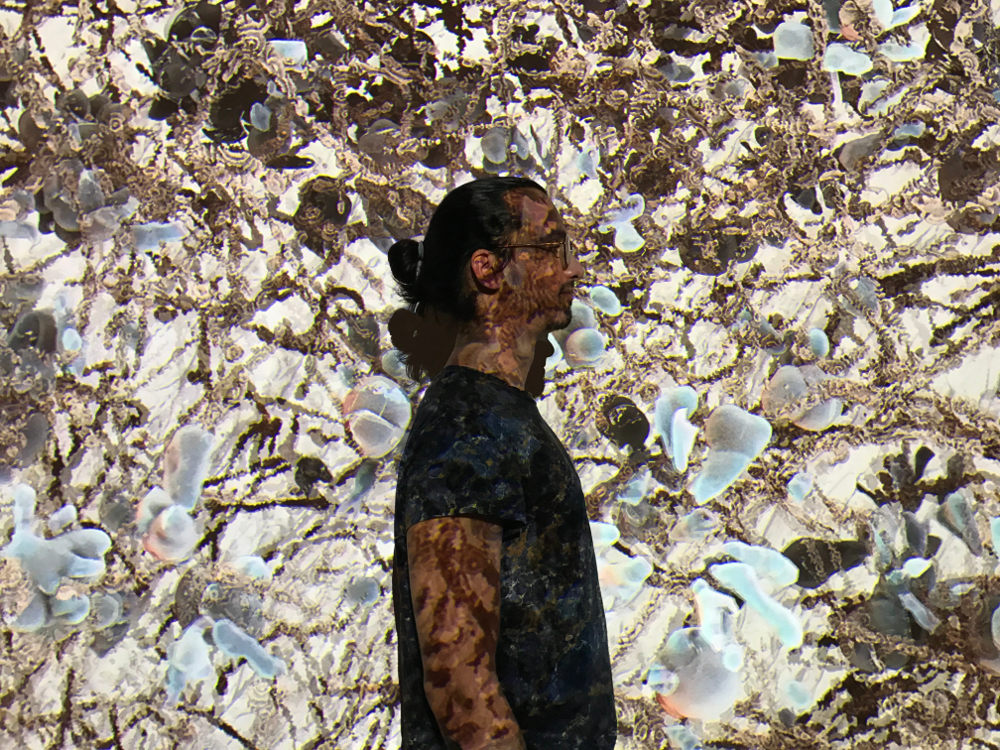
Kay’s work explores and abstracts the complex worlds of molecular biology and particle physics, be it through presenting a different way of observing cells or using the visual language of a microscope to give life to an organic process. “The desire of an artist to find ways to interpret and observe the world is similar to a scientist’s,” he says of his own experiments.

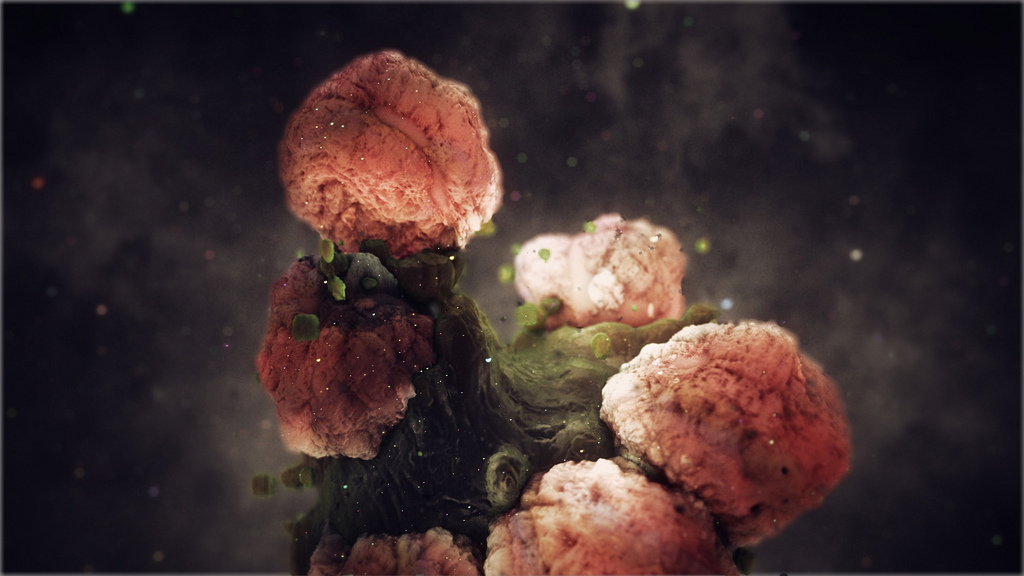
A still from Quantum Fluctuations.

A still from Quantum Fluctuations.{credit}Markos Kay{/credit}

His films are usually filled with detail and movement, and often feature scores of orchestral sounds or a generative, organic soundscape created by algorithm-based software.

His new film, ‘Quantum Fluctuations’, for instance, meditates on the transient nature of the quantum world which, he says, is impossible to observe directly. The film re-imagines the complex interactions of elementary particles as they collide inside the Large Hadron Collider at CERN –– and it’s all presented against a musical backdrop that is designed by Kay himself. Through striking computer-generated imagery, we can see interactions that occur in the background of a collision; for example, particle showers that erupt from proton beams colliding, giving birth to composite particles that eventually decay.

“Since the time of Heisenberg, it’s been almost impossible to visualise these events and simulations. It felt like a challenge,” Kay says. The film was produced by experimental design studio Epoche.io and will be part of an art and science documentary called “Sense of beauty” that focuses on CERN’s particle physics and that will be released later this year.

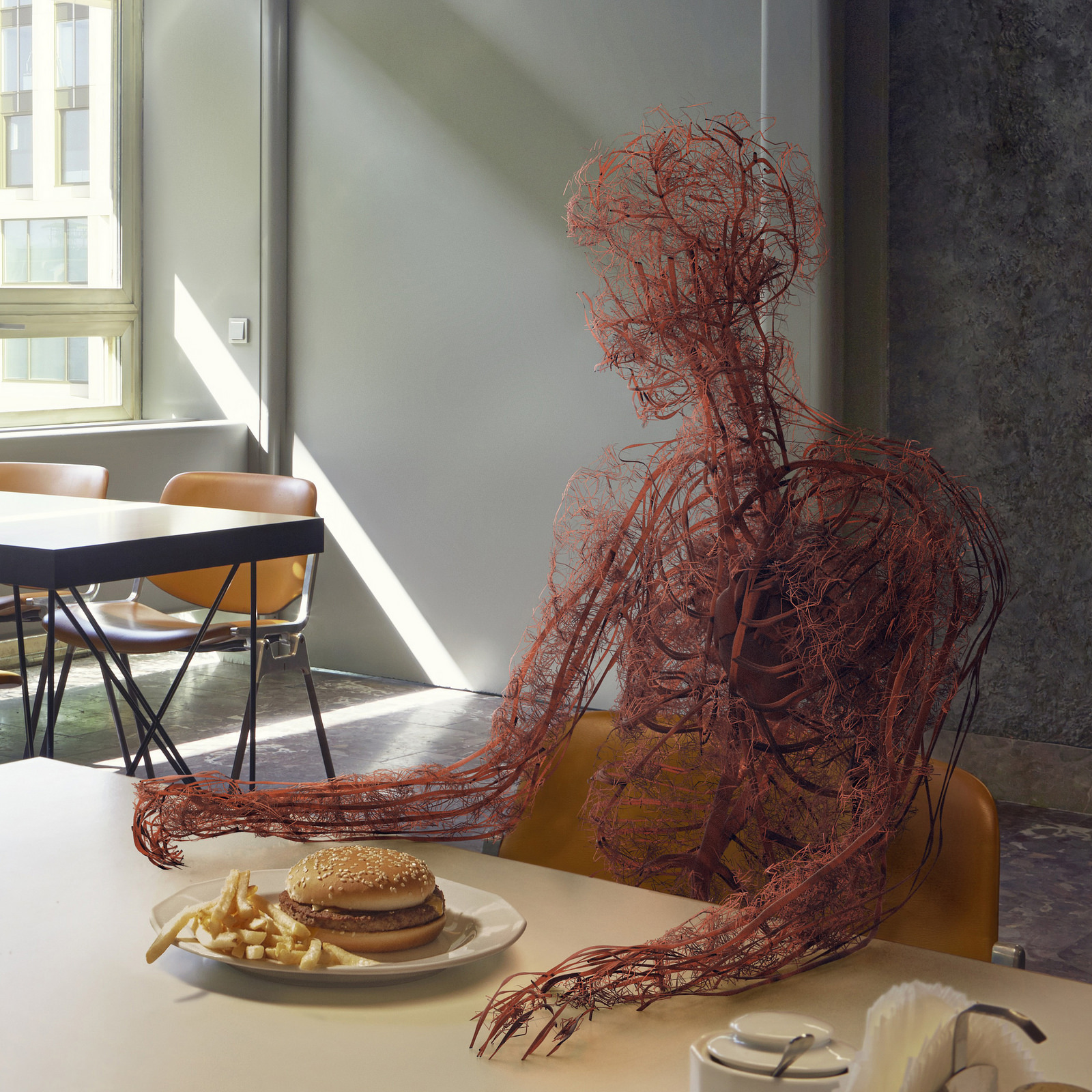
His latest project Humans After all, in collaboration with photographer Jan Kriwol depicts people in the context of everyday life through their circulatory systems. The project that showcases its subjects – humans stripped down to blood vessels and neural circuits – in an urban setting is meant to highlight the fragility and vitality of the human body.

“Through my work, I try to create immersive environments so that people can feel they’re entering a distant world.”

Humans Afterall.

Humans Afterall.{credit}Markos Kay / Jan Kriwol{/credit}

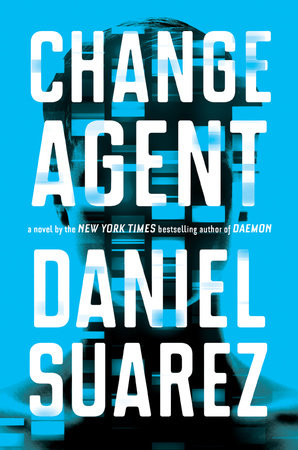
Change Agent: CRISPR-flavoured fiction

Posted on behalf of Sara Reardon

9781101984666It’s 2045, and the genetic editing system CRISPR has become a mainstay of society, producing everything from housecat-sized tigers to geopolitical intrigues. The United Nations has approved a sensible list of gene edits that can be legally used to eliminate specific genetic diseases from human embryos. This international concord works as well as one could expect from a sluggish bureaucracy trying to rein in a lucrative new enterprise. Before the treaty’s ink is dry, underground labs in Asia are offering “vanity edits” to parents willing to pay for smarter, healthier children. A single CRISPR snip to a gene that reduces the risk of heart disease might be routine and relatively cheap; altering the many genes that contribute to a complex feature like intelligence will cost much more. And that’s before you factor in the legal consequences if you get caught designing your perfect baby. As one illicit geneticist says, “all genetics is warfare”.

So begins Change Agent: a sci-fi thriller set in Southeast Asia with colourful and scientifically believable elements embellishing a fairly tired plot. Former software developer Daniel Suarez drew on still-cutting-edge research for his novel, one of the first to namecheck CRISPR as the catalyst for dystopia.

In Suarez’s imagined future, crime involving genetically modified humans has become so pervasive that international police organisation INTERPOL has devoted massive resources to dealing with it. But when detective Kenneth Durand finds himself hot on the heels of an organized crime ring in Singapore, he gets jabbed with a “change agent”. He awakens weeks later, shocked to find his body inexplicably transformed into that of the cartel’s ringleader, Marcus Demang Wyckes.

No one believes Durand’s explanation, least of all fellow INTERPOL agents who see him as the man whose face is on every wanted poster in Asia. After all, even the best scientists in 2045 believe it is impossible to genetically edit a living person. So Durand-as-Wyckes sets off alone to track down the real Wyckes and find a way to reverse-engineer his own body. That journey takes him through a landscape of sci-fi cliché – an underground nightclub of bio-enhancement enthusiasts, a shadowy Chinese trafficking ring with an invisible leader, intrusive augmented-reality ads.

Biotechnological flights of fancy

Yet Suarez has sprinkled the narrative with clever ideas inspired by current technologies. Singapore’s streets crawl with drug addicts, who tattoo molecular compounds onto their bodies so that dealers with 3-D printers can synthesize the drugs to deliver personalized highs. The Burmese government, which is waging genocide on its hill tribes, destroys their crops with gene drives — a controversial technology that can destroy populations by introducing genes that kill offspring. Nearly every other page is a glimpse into some biotechnological flight of fancy.

Suarez’s descriptions of the capacities and limitations of CRISPR, among other real-life technologies, are clear and mostly accurate, with minimal artistic licence. It’s the novel’s plot that — although fast-moving — fails to impress. As Durand flees his pursuers, he fights an unconvincing war with himself, as Wyckes’ grafted-on persona tries to drive him to violence. The enemies and allies that he picks up along the way are hackneyed and forgettable. This is especially true of the moustache-twirling Wyckes, whose denouement would be described as disappointing if we had cared about him in the first place. I won’t spoil everything, but suffice to say that Suarez wastes his most original idea in Wyckes’s bizarre engineered hitman, whose clever biochemical makeup repulses normal humans.

When we finally meet the CRISPRers, it’s in coastal Thailand (where else?). Potential parents sit through a parade of perfect children as if it’s a presentation for timeshare vacation condos. Predictably, the youngsters are a cover for the criminals’ more profitable product: children engineered with defective brains and enhanced muscles that make them disciplined workers and soldiers. Certainly people in 2045 must have read Brave New World. And meanwhile, readers will experience less shock than scepticism over how INTERPOL ever let crime get this bad right under their noses.

Perhaps that dulled reaction is what makes Change Agent most memorable. We have become so used to fictional explorations and academic treatises on engineering humans — from Mary Shelley’s Frankenstein to recent editorials in Nature — that the deranged possibilities presented by the technologies fail to thrill us any more. In an era stranger than fiction, sci-fi writers are increasingly hard-pressed to generate the requisite surprise, even as the scientific advances motor on.

Sara Reardon is a reporter for Nature working on biomedical research and policy, based in Washington DC. She tweets at @Sara_Reardon.


For Nature’s full coverage of science in culture, visit www.nature.com/news/booksandarts.

Snapping Earth for more than seven decades

Posted on behalf of Elizabeth Gibney
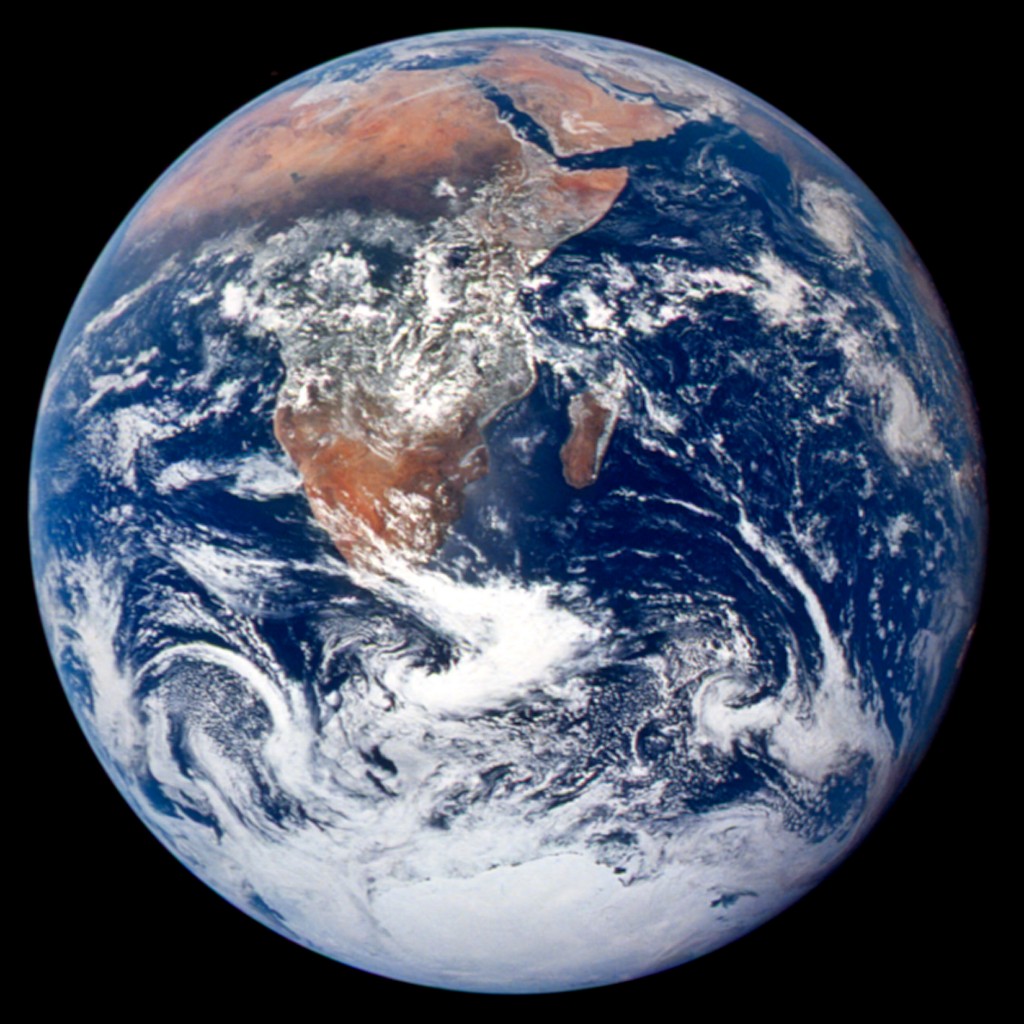
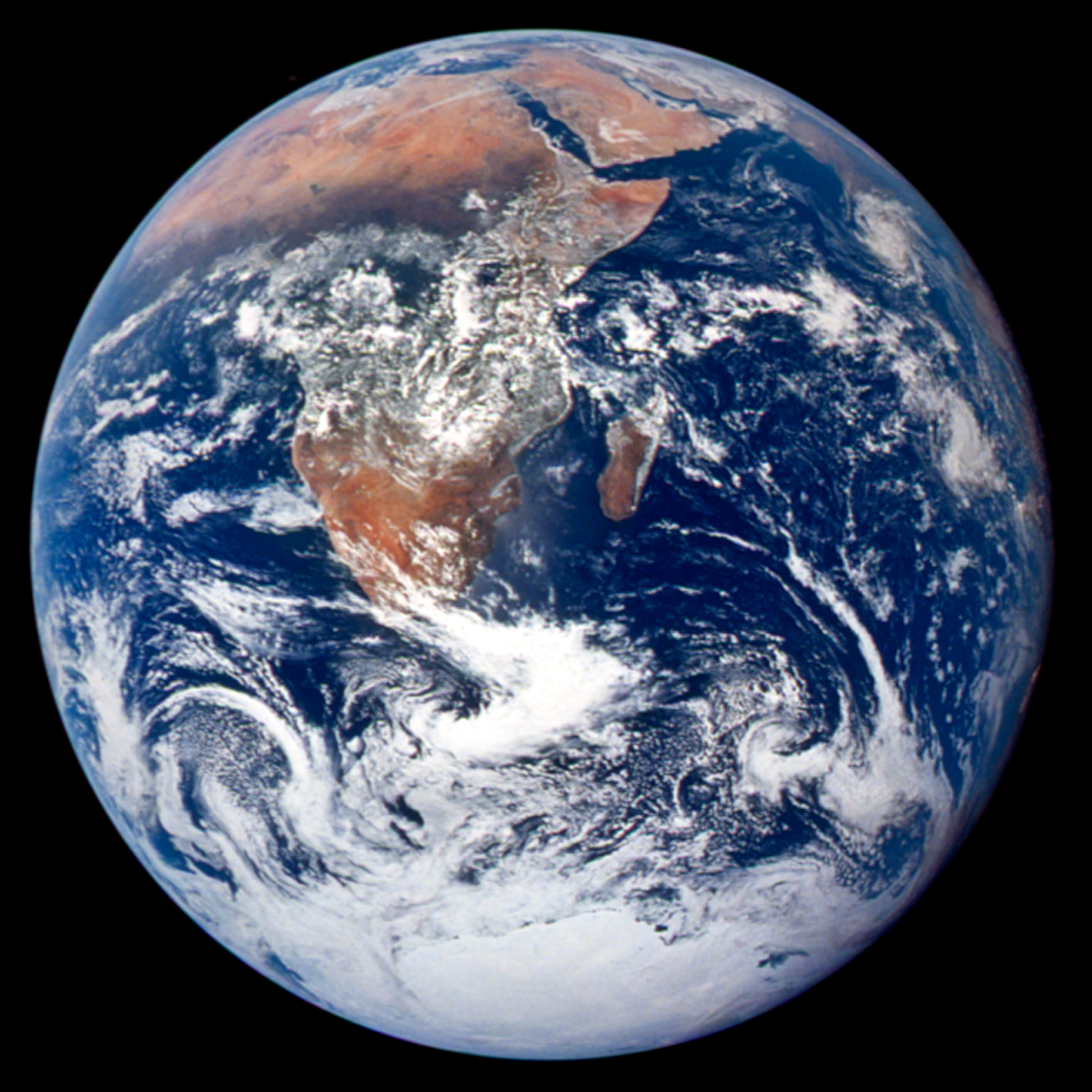
The 'Blue Marble' image of Earth by the Apollo 17 crew in 1972.

The ‘Blue Marble’ image of Earth captured by the Apollo 17 crew in 1972. {credit}NASA{/credit}

For centuries, the only way to ‘see’ Earth whole was through globes and maps; its grandeur was merely glimpsed in mountain vistas or across a stretch of ocean. That changed in the 1940s, when the first images of the planet were snapped from rockets probing the border of space, 100 kilometres up. The imaginable became the visible.

Since then, satellites and spacecraft have beamed down shots from ever greater distances and in growing detail. Now Nature Video has captured the most iconic of these in the film Portraits of a Planet: Earth from Space.

These images have massively boosted science and technology – from weather forecasting to monitoring natural disasters, forest cover and climate change. And they have had a subtler psychological impact. Revealing this majestic, finite, vulnerable entity framed in blackness has elicited deep responses feeding into policy and culture.

Going ballistic

The first images of Earth from space — from 1946 and 1947 — were black-and-white, grainy and remarkable partly for the fact that they happened at all. Both were taken by cameras retrofitted into the empty nosecone of V-2 rockets, long-range ballistic missiles the United States captured from Germany at the end of the Second World War.

In 1946, all that protected the film during the rocket’s crash landing was a steel cassette. When the photos were first projected onto a screen, “the scientists just went nuts”, recalled Fred Rulli, a member of the rocket’s recovery team, in an interview with Air and Space magazine. The following year’s project nudged the rocket further into space to 160 kilometres, bringing more detailed images clearly revealing Earth’s curvature.

Taken in March 1947, these pioneering NASA images of Earth were the first taken from an altitude of more than 100 kilometres. Cameras retrofitted into the empty nosecone of V-2 rockets were deployed to take the shots.

Taken in March 1947, these pioneering NASA images of Earth were taken from an altitude of 160 kilometres – then a record high. Cameras retrofitted into the empty nosecone of V-2 rockets were deployed to take the shots.{credit}Johns Hopkins Applied Physics Laboratory{/credit}

The cold-war space race soon pushed cameras to greater heights. In 1957, the Soviet Union launched its first satellite, Sputnik; the US quickly followed suit. Three years later, the newly formed NASA put TIROS 1, its first weather satellite, into orbit, which sent video back to Earth using dual television cameras. TIROS 1 proved that such images could provide be used to monitor cloud formation, one of the first indications of the potential scientific power of satellites.

In 1960, cameras aboard NASA's first weather satellite TIROS-1 captured Earth.

In 1960, cameras aboard NASA’s first weather satellite TIROS 1 shot Earth.{credit}NASA{/credit}

Human-crewed efforts began with the orbital missions of Yuri Gagarin in 1961 and John Glenn in 1962. But it was not until 24 December 1968 that Apollo 8 astronaut Bill Anders captured arguably the most iconic image of Earth. Later dubbed ‘Earthrise’, it was the first to show the planet from the perspective of another celestial body, as a luminous blue hemisphere rising above the Moon’s horizon. Anders had had to fight to get the long-lens camera on board, and deviated from the craft’s flight plan to get the snap (as he wrote in his obituary of Glenn earlier this year).

That awe-inspiring image was a shot across the bows of the cold war. It was also transformational for earthbound observers: the moniker ‘Spaceship Earth’ gained traction as people fully grasped the planet’s limits. Ultimately, ‘Earthrise’ supercharged the nascent environmental movement in the United States particularly, pioneered by environmentalists, scientists and thinkers such as Buckminster Fuller; and it proved a trigger for the US Earth Day, which launched in 1970.

That grassroots clamour, bolstered by works such as biologist Rachel Carson’s 1962 Silent Spring, had an influence on policy shifts at the federal level. The period from 1970 to 1973 saw the Environmental Protection Agency established and the US Clean Air Act, Clean Water Act and Endangered Species Act passed. Anders notes, “I wouldn’t say [Earthrise] was the only reason, but it certainly was an important reason motivating folks to take better care of our planet.”

'Earthrise' - possibly the most iconic portrait of Earth - was captured by astronaut Bill Anders from Apollo 8, the first crewed lunar mission.

‘Earthrise’ – possibly the most iconic portrait of the planet – was captured by astronaut Bill Anders from Apollo 8, the first crewed lunar mission, in 1968.{credit}NASA{/credit}

The spectacular ’Blue Marble’ (see opening image), shot by the crew of Apollo 17 in 1972, fuelled further activism; it has been recreated by NASA many times over. The photograph captured Earth with the Sun behind the camera illuminating most of the globe, and from a distance (45,000 kilometres from the planet) no one has managed since.

Inspired by the potential of such astounding images, the US Geological Survey and NASA launched the first satellite in the Landsat programme in 1972, to chart Earth’s terrain in detail. Landsat satellites have documented burning oil wells in the first Gulf War, the impact of Hurricane Katrina and deforestation in the Amazon. Landsat’s false-colour rendering of Alaska’s Malaspina glacier, taken with a thermal imaging camera, is mesmerizingly beautiful.

In 1991, Landsat satellites captured lit oil wells in Kuwait , which burned for 10 months.

Landsat satellite images of lit oil wells in Kuwait during the Gulf War, in 1991. They burned for 10 months.{credit}NASA{/credit}
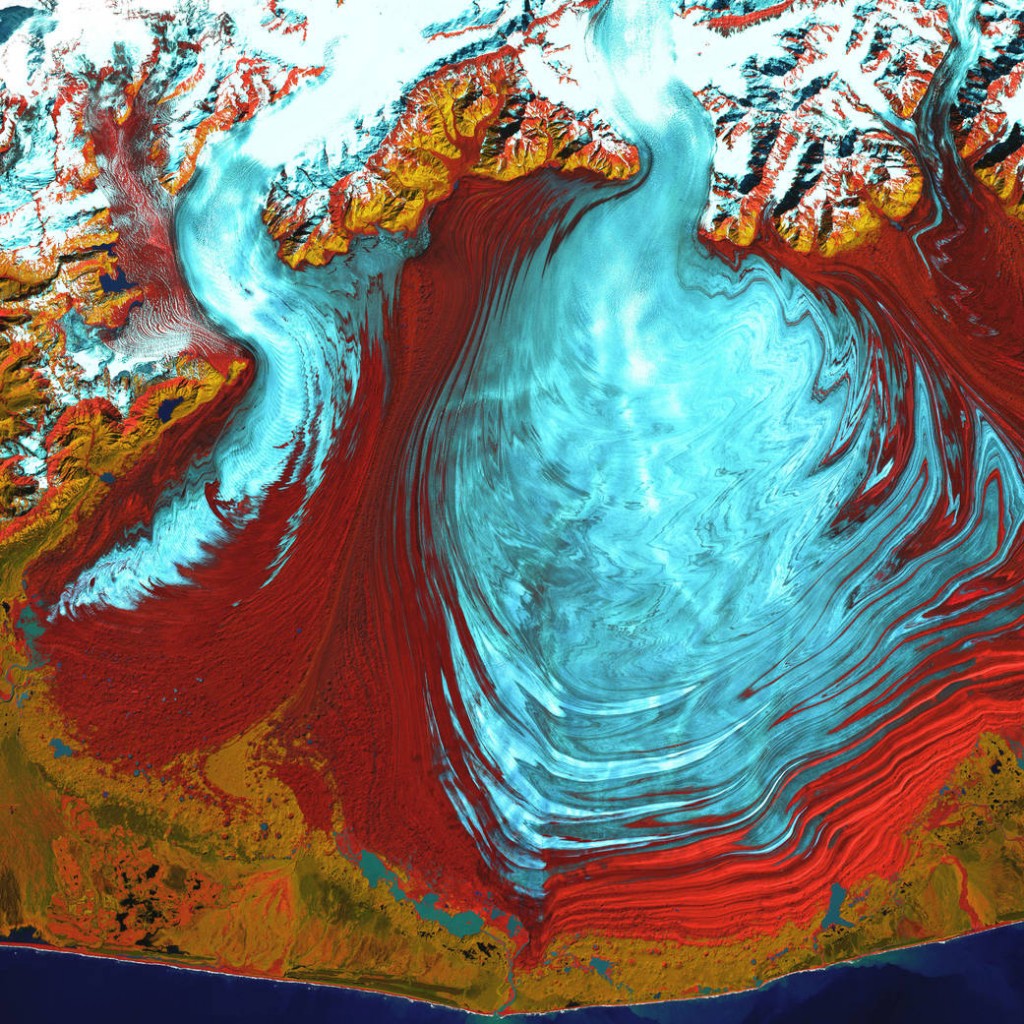
 

This Landsat image, shot in 200, captures the majestic flow of Alaska's Malaspina Glacier. This false-colour composite was created using infrared, near infrared and green wavelengths.

Shot in 2000, this false-colour composite showing the majestic flow of Alaska’s Malaspina Glacier was created using infrared, near infrared and green wavelengths.{credit}NASA/USGS{/credit}

In recent years, a parade of Earth monitoring and robotic exploration craft have added countless images to the file. In 2012, over 312 orbits, the Suomi National Polar-orbiting Partnership satellite built up a night-side image of Earth and its lit-up cities in ‘The Black Marble’. In 2013, NASA’s Cassini craft turned around in the outer Solar System to capture Earth — a pinprick of light — through the rings and moons of backlit Saturn.
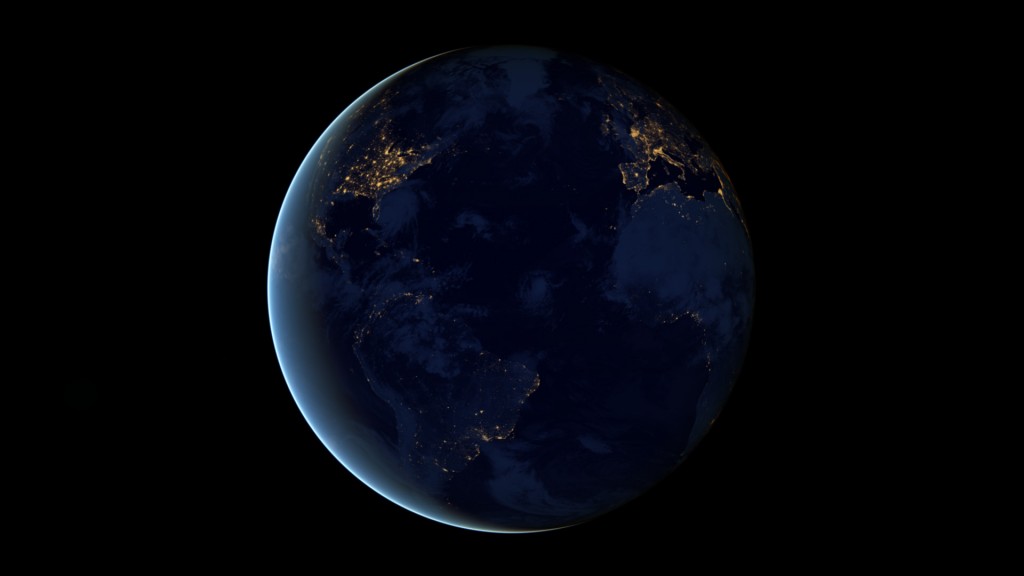
Composite image 'The Black Marble' was taken by Suomi NPP, a joint National Oceanic and Atmospheric Administration and NASA satellite, in 2012

Composite image ‘The Black Marble’ was taken by Suomi NPP, a joint National Oceanic and Atmospheric Administration and NASA satellite, in 2012.{credit}NASA{/credit}

Called ‘The Day the Earth Smiled’, that shot was taken from more than 1.2 billion kilometres away, making it a far cry from the images of our planet revealed some 70 years ago. But while the photographs have become ever more impressive, rarely are they as powerful as those first images of the ‘ground beneath our feet’ in its sublime entirety.
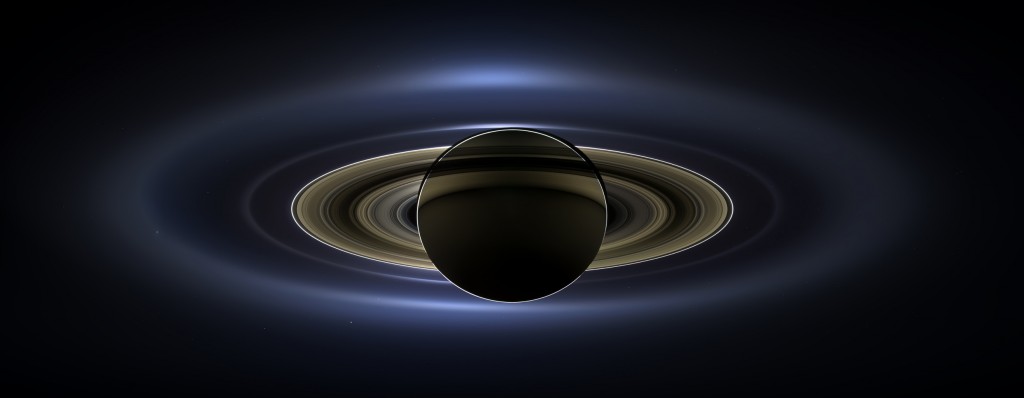
'The Day the Earth Smiled', taken by NASA's Cassini craft in 2013, shows Earth through Saturn's rings. The image spans some 650,000 kilometres and is a mosaic crafted from photographs taken over four hours.

‘The Day the Earth Smiled’, taken by NASA’s Cassini craft in 2013, shows Earth through Saturn’s rings. The image spans some 650,000 kilometres and is a mosaic crafted from photographs taken over four hours.{credit}NASA{/credit}

Elizabeth Gibney is a reporter on physics for Nature based in London. She tweets at @LizzieGibney. 


For Nature’s full coverage of science in culture, visit www.nature.com/news/booksandarts.

Does language limit scientific expression?

Scientific papers

{credit}Fancy/Punchstock/Getty Images{/credit}

This is a guest blogpost by Aya Nader.

More evidence is confirming that the choice of language used in scientific literature can influence access to it, and how visible its authors are – including in the Arab world.

Language can limit the transfer of knowledge for one, concludes a study that looked into the prevalence of scientific literature written in local languages. The study, published in PLOS Biology, confirmed some sentiments that many researchers across the Arab world already have.

Over one third of conservation-related scientific documents are written in non-English languages, and a large proportion of local researchers interviewed in the study identified languages as a barrier to accessing knowledge. “I was expecting to see these results, as that was the primary motivation to conduct this work,” says Tatsuya Amano, corresponding author.

Amano says that gaps in information are formed when local scientists either do not get exposed or turn away from publishing in their original language. What surprised the researcher was that over one third of non-English literature reviewed in the study provided neither the title nor the abstract in English, so it’s essentially “invisible to international communities”.

The study might explain why Arab scientists are not as visible, in terms of science research, to international peers, he opines.

“Perhaps only 25% of the global population has some understanding of English and we cannot limit science to just a fraction of the world,” says Steve Griffiths, vice president for research at Masdar Institute of Science and Technology. According to him, having scientific knowledge being somewhat confined to the English language can present a problem when collecting scientific data or disseminating information.

“While language is probably not the driving force behind the lag in scientific visibility of Arab scientists, it certainly can hinder progress,” Griffiths says. Different factors could be causing the lag, he says, which include that the region has only been recently making strides in establishing top-tier research universities and institutes. As well, regional equivalents of supportive bodies like the US National Science Foundation or the US National Institutes of Health are absent.

One of the barriers could be the language itself. A few argue that Arabic, because of the way it’s structured, cannot be adopted as a language of science. “I personally am fluent in English and have studied Arabic for some time and clearly see the translation challenges for technical information,” says Griffiths.

On one hand, English is the universal language of science. On the other, having science available in the local language can enlighten field practitioners and local policy makers.

“The availability of scientific information in relevant non-English languages is a key to the use of science in policy making in countries where English is not widely spoken,” comments Amano. It’s one factor contributing to the divide between science and public policy. “I imagine that extremely busy policy makers would prefer just using easily-accessible information in their own languages, instead of trying to understand English-written papers.”

Poor English skills are observed in many MENA countries and particularly within the government sectors, which limits the uptake of scientific information, Griffiths highlights.

In order to compile non-English scientific knowledge effectively and enhance publishing of new and existing knowledge that is otherwise available only in English, Griffiths suggests launching regional initiatives modeled after the MIT Global System for Sustainable Development. The networking hub, specialized in sustainable development, was created to give researchers that speak English, Arabic, Chinese and Spanish seamless access to its science content.

Another approach is to encourage individual researchers to translate their work, or provide lay summaries of their work in different languages.

There’s also hope in artificial intelligence (AI) for natural language processing (NLP). “Major industry players like Google, Microsoft, Amazon and IBM are deeply engaged in AI NLP for commercial reasons, and over time the outcomes will benefit the scientific community,” Griffiths suggests.