A CRISPR screen for HIV targets

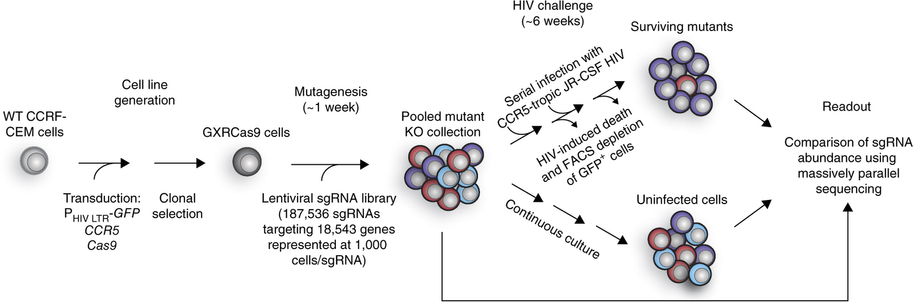
A new study published online this week in Nature Genetics reports the discovery of novel host targets of HIV infection identified from a high-throughput CRISPR/Cas9-based screen. This screen was performed in CD4 + T-cells and was designed to find candidate genes required for successful HIV infection, but whose inactivation did not affect cell viability. In this way, potential drug targets for anti-HIV therapy could be discovered.
Park et al., Nature Genetics 2016
Park et al., Nature Genetics 2016

Park et al., Nature Genetics 2016

Park et al., Nature Genetics 2016


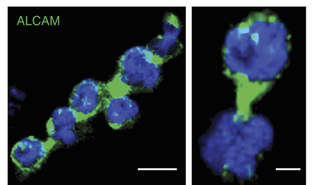
The authors found two known (CCR5 and CD4) and three novel (ALCAM, SLC35B2 and TPST2) cellular factors that, upon abrogation, prevented HIV infection but did not have any negative effects on the cell itself. These new genes are involved in sulfation and cell aggregation pathways and represent candidate targets for interventional HIV therapy.

We spoke with first author Ryan Park to get some background on this research:

 Previous screens for host factors affecting HIV pathogenesis found a high number of hits, with low reproducibility across screens.  With your CRISPR/Cas9 approach, were you expecting similar results? Did the low number of hits in your screen surprise you?

We designed our screen stringently, as the existing literature has not been clear on what genes would potentially serve as good targets for host-directed anti-HIV therapies. Our goal was thus to identify these host factors with high confidence while maintaining an unbiased approach. The very low number of hits was certainly surprising, though, as you note, the limited overlap among the previous screens raised the suspicion of a high false positive rate and/or low reproducibility.

You find three novel genes that are dispensable for cell viability but that are needed for successful HIV infection.  Do you think that there could be natural polymorphisms in these genes in human populations that might mitigate susceptibility to HIV entry and transmission?

In the Exome Aggregation Consortium (ExAC) dataset recently published in Nature, there are individuals with truncations and/or homozygous mis-sense mutations in each of the three genes, as well as ITGAL (the loss of which we find is protective against HIV infection in primary CD4+ T cells). More work remains to be done to determine whether these individuals are relatively less susceptible to HIV infection.

Due to the high mutation rate of HIV and the emergence of resistance to drug therapies, potential targeting of host factors can be a useful strategy.  Do you envision these findings being utilized to develop novel anti-HIV therapies?

Host-targeted HIV therapies are of great interest for multiple reasons. Firstly, as you note, the emergence of drug-resistant HIV strains remains a major issue, particularly in settings where adherence to a daily antiretroviral regimen is challenging. Drug-resistant strains are less likely to emerge in the face of incomplete adherence to host-targeted therapies. Secondly, the identification of host factors may also serve as a basis for gene therapies (in which gene editing is used to produce a population of HIV-resistant target cells) that could result in a permanent HIV cure. As noted above, more work remains to be done to determine whether inactivation of these genes protects against HIV infection at the organismal level without causing detrimental effects.

How might this screen be adapted to find host factors important at other stages of the HIV life cycle and do you have future plans to explore such work?

Our screen captured all but the latest stages of the HIV life cycle (particularly virion assembly, budding, and maturation); this is because HIV Tat, which drives the GFP reporter in our cell line model, is expressed prior to these steps. Development of an alternative reporter system that is activated by virion budding or maturation would allow identification of host factors involved only at these late stages. Because completion of the HIV life cycle is not required for host cell killing by HIV, cells lacking these late-acting host factors may still not be captured in a screen; more importantly, these late-acting host factors may therefore not be attractive therapeutic targets.

Can this screening method be employed to find host factors important for infection by other viruses?  Do you speculate that there would be viruses for which a large number of non-essential host factors would be identified as important for infection?

The key elements of our approach, which include identification of a physiologically relevant cell line and the use of a high-complexity genome-wide sgRNA library, can be readily generalized to identify host factors that are critical to the propagation of any viral pathogen yet dispensable for cell viability. Our findings suggest that the number of non-essential host factors that are critical for HIV infection is quite limited, and that many candidate host factors identified by other screens or targeted studies may not be required for HIV infection or may compromise cell viability. Whether this is the case for other viruses is hard to know, but we have demonstrated that our approach can be quite powerful and specific in identifying the range of potential host targets with high confidence.
 

Pollinators and Petunias

Sheehan et al., Nature Genetics, 2015

Sheehan et al., Nature Genetics, 2015

Pollinators are attracted to flowers based on certain characteristics, including color, scent and morphology. Evolutionary changes in these traits correlate with changes in pollinator-plant relationships, and pollinator syndromes, or suites of floral characteristics that influence pollinator identity, can differ greatly between even closely related species.  Thus, characterizing the molecular basis that underlies shifts in pollinator syndromes can lead to the discovery of speciation genes, as well as to a greater understanding of evolutionary trajectories and timelines that define the species.

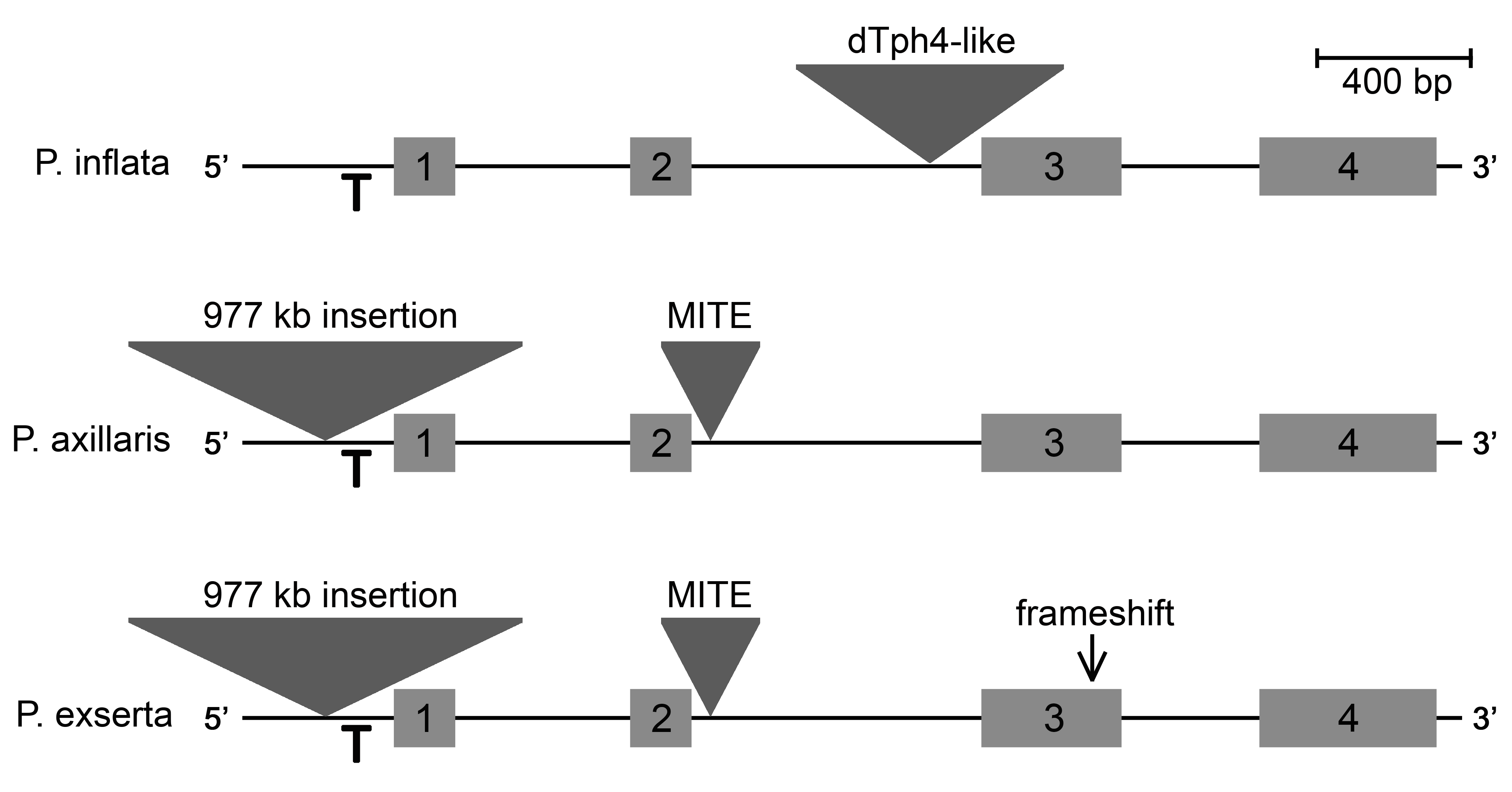
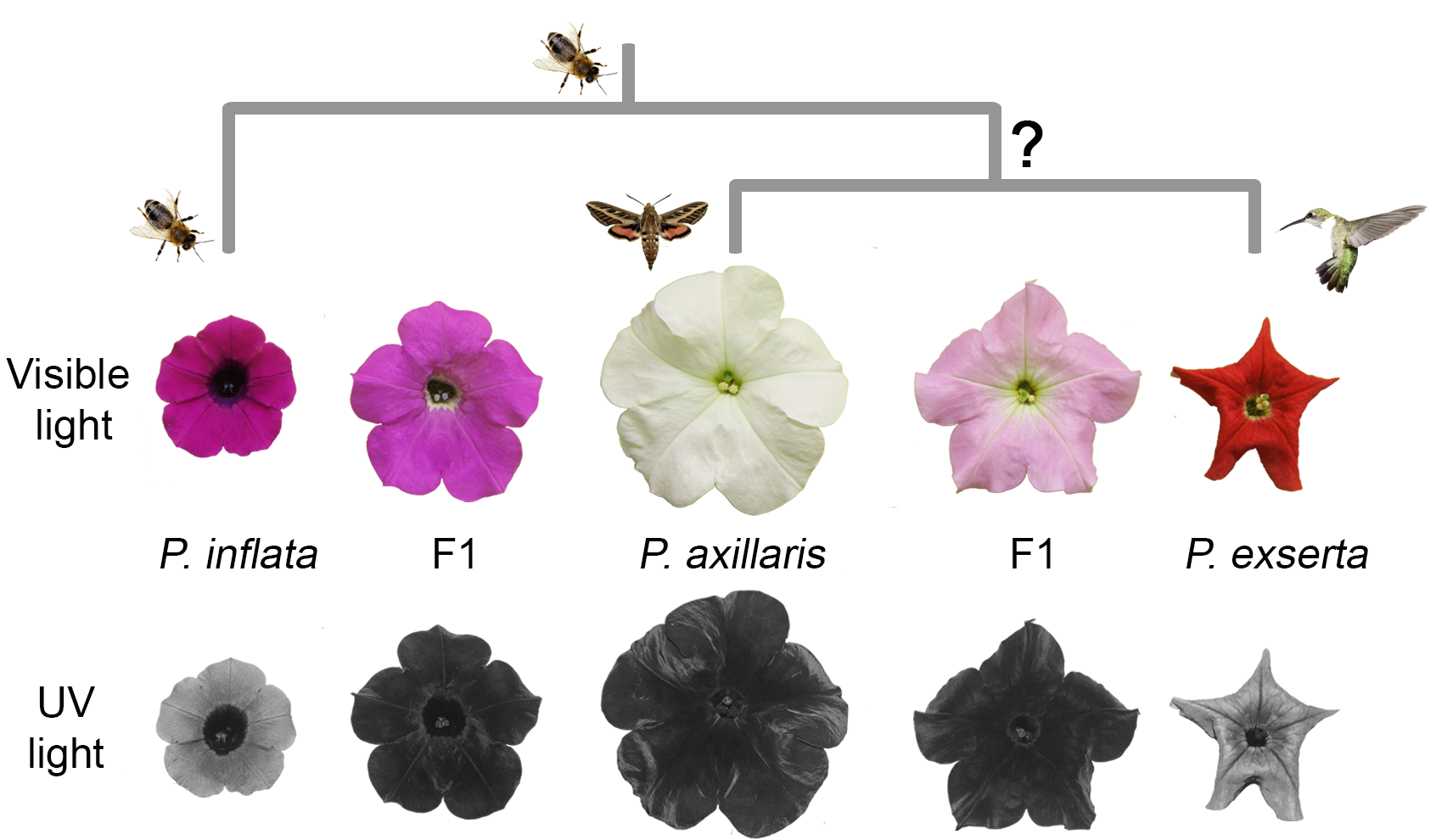
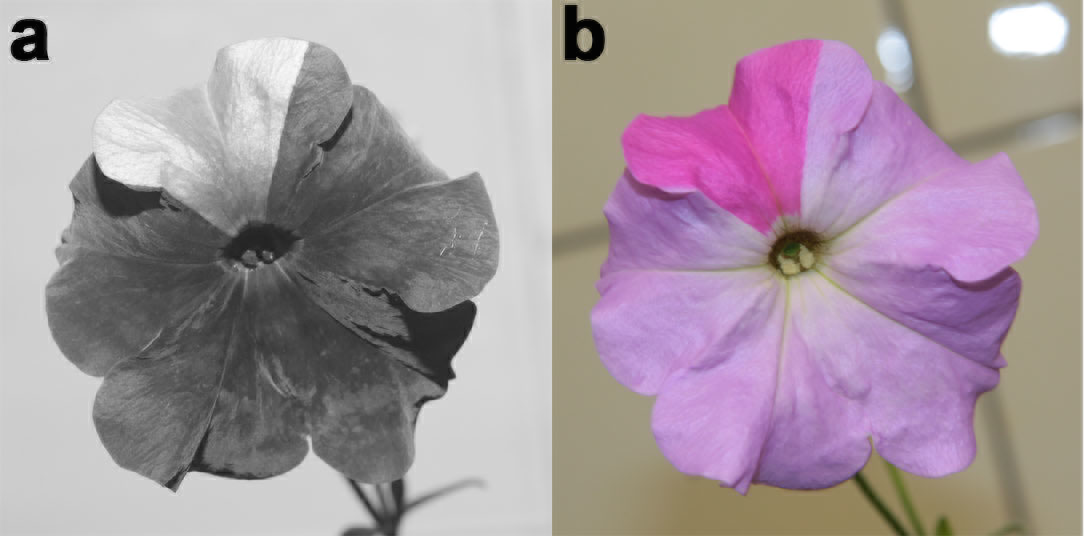
A new study this week in Nature Genetics reports on a gene that controls levels of ultraviolet (UV) light absorbance in different species of Petunia, affecting whether the flowers are pollinated by bees, hawkmoths or hummingbirds. Through a series of elegant experiments involving QTL analysis, genetic crosses and a transponson mutagenesis screen, the authors were able to not only find a single gene, but also to describe the particular mutations responsible for the increased UV absorbance seen in one species and the decreased absorbance seen in another.

Sheehan et al., Nature Genetics 2015

Sheehan et al., Nature Genetics 2015

The MYB-FL gene that they isolated is a transcription factor that regulates FLS (flavonol synthase) and thus directly controls the production of flavonol, a compound that absorbs UV light. Flowers with high UV absorbance have a concomitant decrease in visible light absorbance, and this is reflected by pollinator preference. Species with low UV absorbing flowers have pink or red coloring and are pollinated by bees or hummingbirds, while species with high UV absorbing flowers have white coloring and are pollinated by (the nocturnal) hawkmoth. The authors found that the high UV absorbing species has a promoter mutation in the MYB-FL gene that increases its expression, while in the low UV absorbing species that is pollinated by hummingbirds, there is a frameshift mutation in the MYB-FL locus that compromises the function of the protein.

Through this analysis, the authors were able to formulate a model for the evolutionary relationships between three Petunia species. Colorful flowers that have low UV absorbance and that are bee-pollinated represent the ancestral state, as exemplified by P. inflata. The increased UV absorbance of the white flowered, hawkmoth-pollinated P. axillaris evolved via a gain-of-function cis-regulatory mutation in MYB-FL that increases its expression and thus, flavonol production. Finally, a subsequent inactivating frameshift mutation seen in P. exerta restored low UV absorbance and is associated with colorful flowers that are pollinated by hummingbirds.

Sheehan et al., Nature Genetics 2015

Sheehan et al., Nature Genetics 2015


We spoke with lead investigator Cris Kuhlemeier to get some background on this research.

Why do you work with Petunia? Is it a particularly good subject for studying pollination syndrome shifts?

Our goal is to find the plant genes responsible for the adaptation to different pollinators. For that, we need a system with good molecular genetics and well-defined pollination syndromes. The garden petunia has a long history as genetic model system, today it is probably best known for the discovery of RNAi. Wild Petunia species are adapted to pollination by bees, hawkmoths and hummingbirds. These species are easy to cross and propagate in the lab and give fertile offspring, and most of the genetic tools can easily be transferred from the garden petunia to the wild species.

You identified different classes of mutations in the MYB-FL gene that help to clarify evolutionary relationships between different Petunia species. What advantage does this approach have over sequencing and phylogenetic analysis?

In recent radiations such as in Petunia, classical phylogenies often have limited resolution and individual gene trees are often in conflict. We try to understand the process of adaptation and speciation by studying the gene modifications that cause reproductive isolation. By superimposing these functionally relevant polymorphisms onto the classical phylogeny, discrepancies between individual gene trees become informative.

It is interesting that you observe a trade-off between levels of anthocyanins and flavonols in these flowers. Were you expecting to see this and were you surprised that a single locus affected both levels?

Anthocyanins and flavonols share the same precursors, so finding metabolic competition was not unexpected. We started this project on the assumption that the genetics of pollination syndromes would be relative simple. At least simple enough to be able to clone the relevant genes. That a single gene can change two traits simultaneously was better than we had hoped for.

You hypothesize that R2R3-MYB transcription factors provide the toolbox for shifts in floral pollination syndromes. Do you think that your results are generalizable to other plants and/or complex traits?

R2R3-MYBs appear indeed to be over-represented, in the same way that HOX factors are overrepresented in segmentation or MADS box factors in floral organ identity. But the sample size is still small, and it is always dangerous to extrapolate, especially in ecology and evolution.

Finally, this works represents a nice combination of laboratory and field studies. Do you enjoy collecting flowers in the wild?

Well, it did rain a lot during my visit last month. But yes, it has been a new and enjoyable for me experience to go to the field with my great Brazilian colleagues. In Brazil with its great biodiversity, I also sense the excitement that, thanks to the recent progress in sequencing technology, we are no longer limited to model systems but can study interesting biological processes in almost any plant species.

ASHG 2015

Baltimore Inner Harbor

Baltimore Inner Harbor, CCBY Austin Kirk

The American Society of Human Genetics convened for their 65th annual meeting last week in Baltimore.  Over 6000 scientists and clinicians, joined by counselors, educators and patients, gathered to present, discuss and debate the latest developments in genetics research.  We at Nature Genetics were fortunate enough to be in attendance and we wish to share some thoughts about this exciting and thought-provoking conference.

ASHG 2015 brought together a diverse group of multi-talented scientists whose research has direct impacts on our life and health.  Genetics is an established field with a solid pedigree, but rapidly changing technologies are revolutionizing the ways that research is being done.  The innovation and acceleration of the work is at an unprecedented scale.  This, combined with the ingenuity and tenacity of geneticists, has resulted in exciting new avenues of research that increase our understanding of fundamental elements of biology, health and disease.

There were myriad examples of incredible, cutting-edge research being applied to different areas, including cancer genetics, precision medicine, genetic manipulation, complex trait analysis, bioinformatics and population studies, among other things.  Although new technologies bring new challenges, we are very excited to witness such skillful application of modern techniques to problems both old and new.

Precision Medicine Initiative

CCBY Stuart Caie

CCBY Stuart Caie

A near-ubiquitous topic of this meeting was any permutation of precision medicine and how best to bring it to clinical fruition. Director Francis Collins outlined the National Institutes of Health Precision Medicine Initiative, detailing the goals and timelines for this large, ambitious project.  Coordination of the collection and analysis of data, coupled with establishing solid protocols for patient consent and data usage, is shaping the way that 21st century health care is administered.  From cancer treatment to disease susceptibility, unlocking individualized DNA sequences from many different people will advance not just personalized treatment, but also our understanding of the genetics of various populations on a larger scale.

The promises of personalized genomic medicine are far from realized.  Sequencing technologies have allowed for the compilation of incredible amounts of data.  However, it is the interpretation of those data that is the most important element in terms of how to be actionable when considering, for example, therapeutic options for cancer treatment.  Optimal sequencing parameters, proper variant calling and correct identification of causative mutations all contribute to the “precision” of the medicine and present considerable challenges to clinicians and researchers. This meeting featured many examples of researchers tackling this problem of functional characterization of variants, whether by using predictive, high-throughput or in vivo methods, which will be crucial for the effective usage of clinical genomic data.

CRISPR/Cas9 Honored

CCBY Atos

CCBY Atos

Emmanuelle Charpentier and Jennifer Doudna are by now scientific-household names.  Their pioneering work on the CRISPR/Cas9 genome editing system has profoundly changed the landscape of biological, and particularly genetic, research.  Together, they were honored at ASHG with the Gruber Genetics Prize award in recognition of their groundbreaking contributions to genetics research.  As a story for how basic research can lead to unexpected and spectacular discoveries, the ingenious application of the bacterial CRISPR/Cas9 anti-viral machinery to precise genome editing in virtually any organism stands out as particularly elegant and practical.

The sheer number of presentations that utilized CRISPR/Cas9 technology in order to create exact mutations in different model organisms or cell lines for functional analysis underscores the widespread impact of this astonishing finding.   The influence of genome editing on the field was additionally felt in the realm bioethics, where there were discussions about its responsible use and ethical application, especially as it applies to human genetics.  CRISPR/Cas9 has fundamentally changed genetics research and has opened up entire new possibilities for the study and treatment of disease, so it is fitting that Dr. Charpentier and Dr. Doudna were recognized at ASHG.

From Old to New

CCBY Isabel Eyre

CCBY Isabel Eyre

This year marks the 150th anniversary of Mendelian genetics. In 1865 Gregor Mendel first made his report on heritable traits; ASHG recognized and celebrated this milestone throughout the conference.   Remembering the modest, pea plant origins of the “science of heritability” while listening to reports on the most up-to-date advances in human genetics really highlighted how remarkable this research is and how far it has come.  It makes us think about how the field has changed since 50, 10 or even 5 years ago and allows us to apply that metric to the future, and to dream about all the changes that could come in the years and decades ahead.

Sequencing technology, genome editing, gene therapy and personalized medicine are just some of the frontiers that are currently defining the latest genetic and genomic research. These advances in techniques are being accompanied by other changes as well.  In his opening symposium address, ASHG president Neil Risch emphasized the society’s strong commitment to increasing its diversity and rewarding mentorship.  Examining ways to foster the curiosity and creativity of all researchers will help lead to the next set of groundbreaking innovations that redefine the field.

See You in Vancouver

Based on what we saw at ASHG this year, we are heartened and inspired by all the extraordinary work that is being done and we are truly excited about future of genetics research.  We already can’t wait for ASHG 2016!